



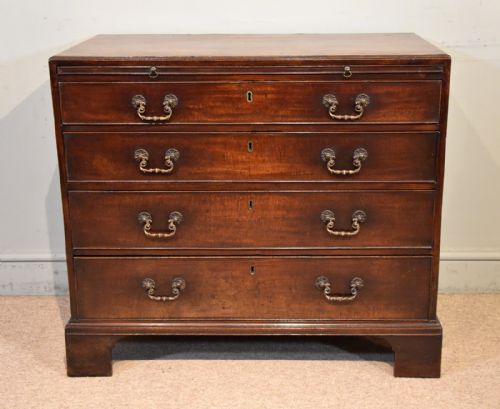
Chippendale Mahogany Commode
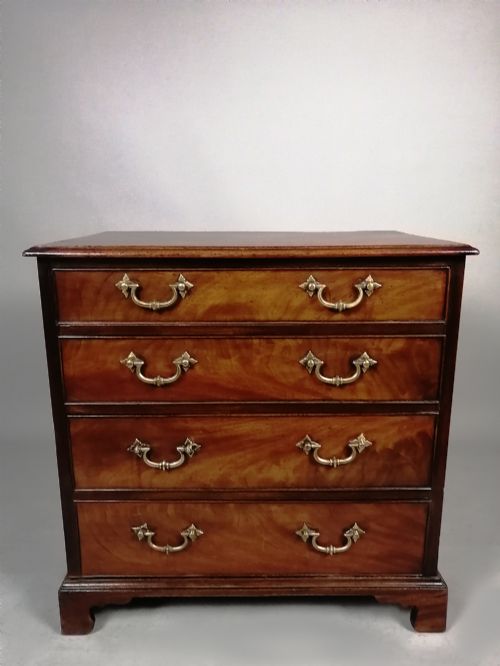
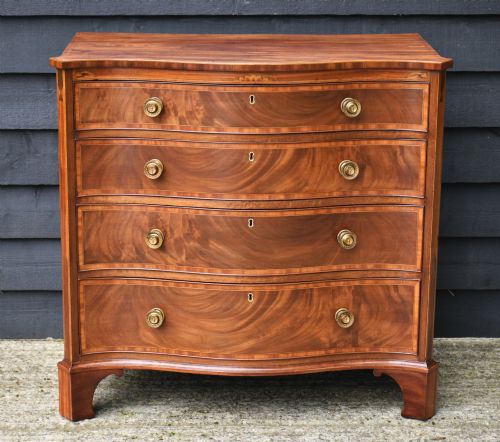
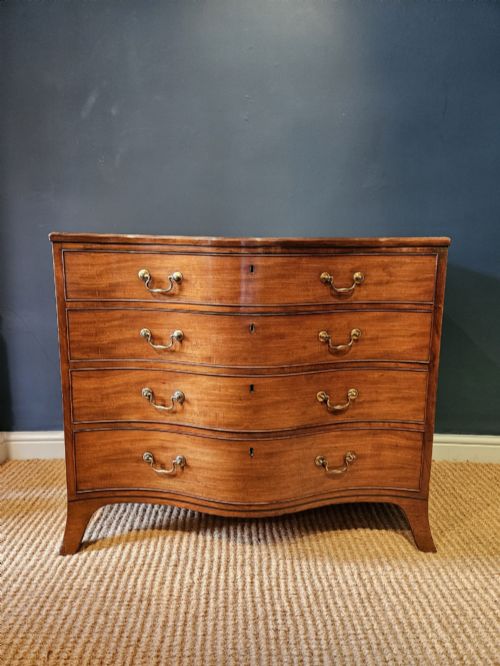
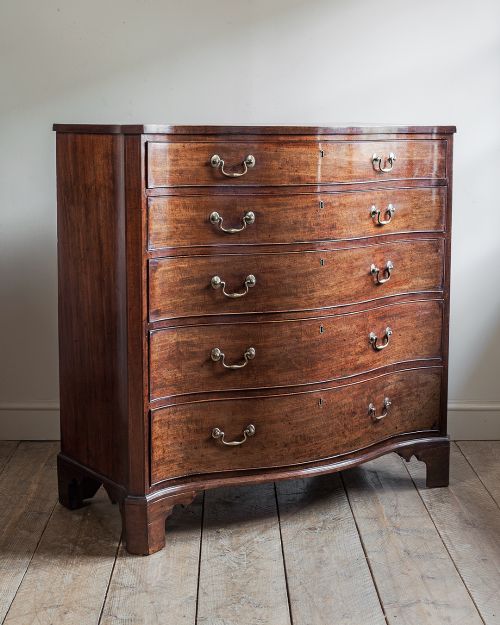
When you search for a chippendale mahogany commode, you are looking at substantial storage furniture shaped with serpentine fronts and crafted from dense timber.
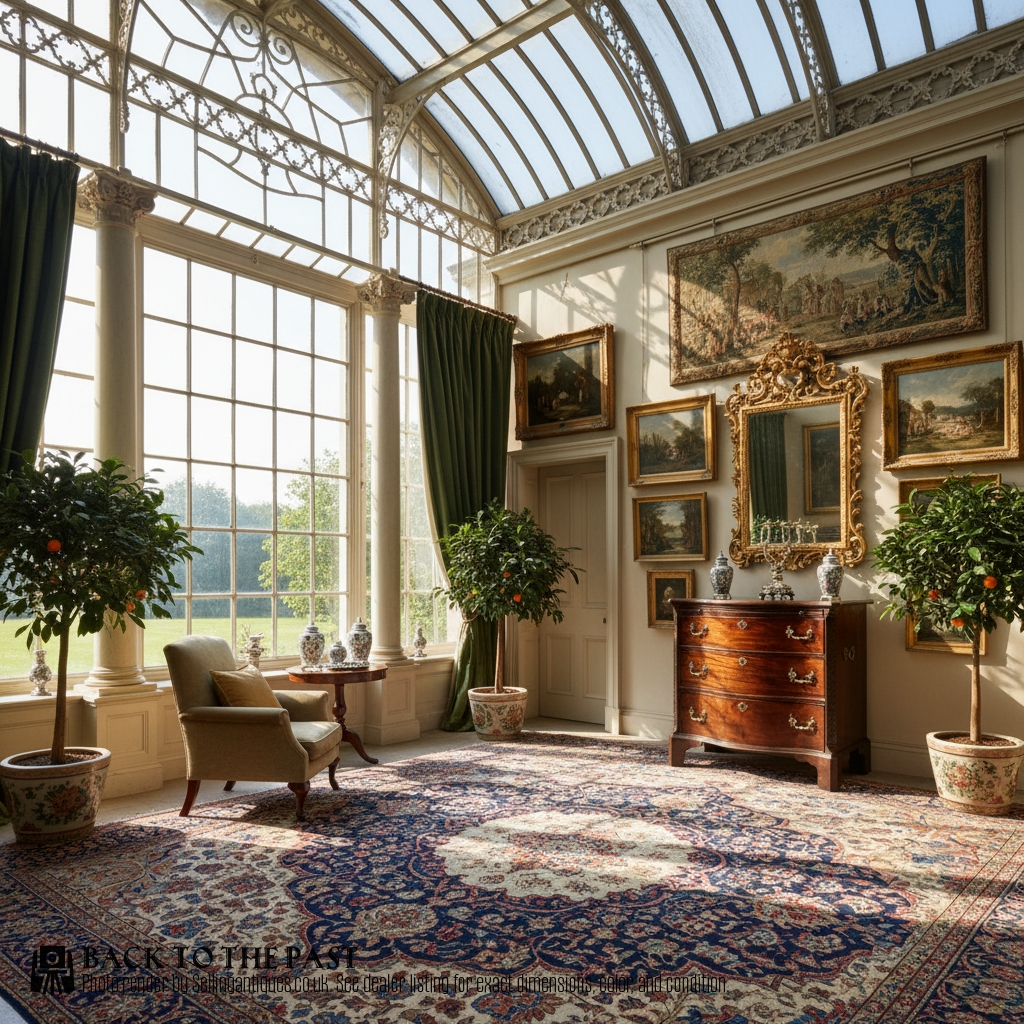
Chippendale Mahogany Commode
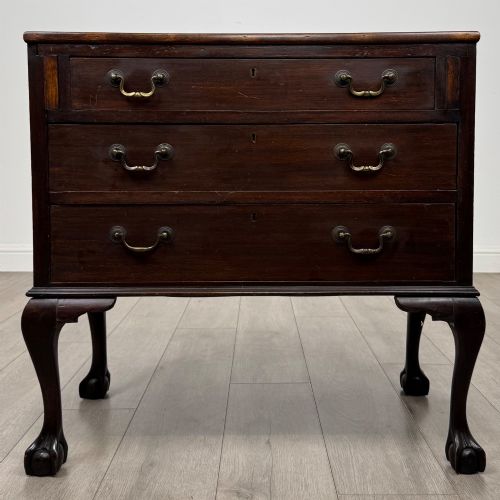
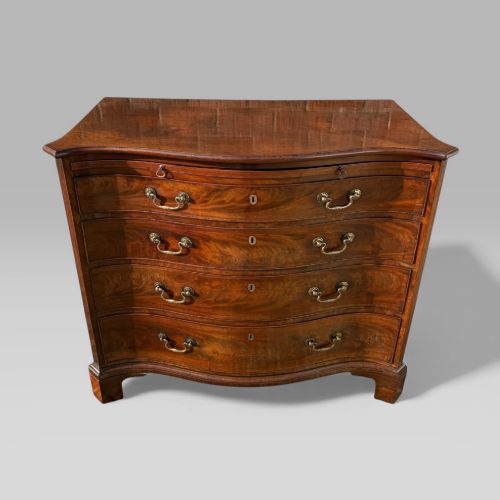
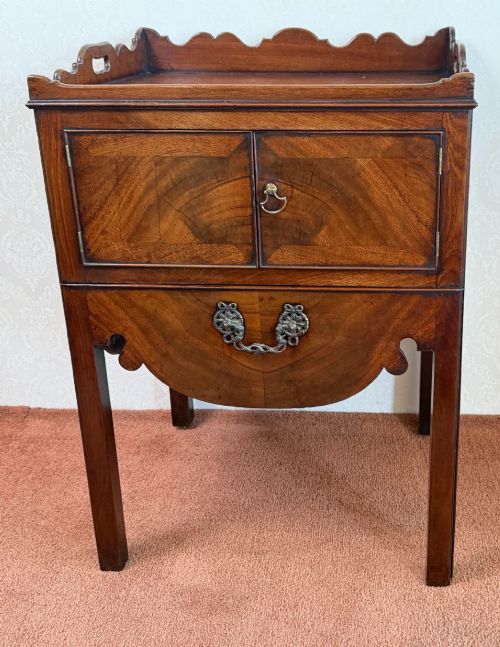
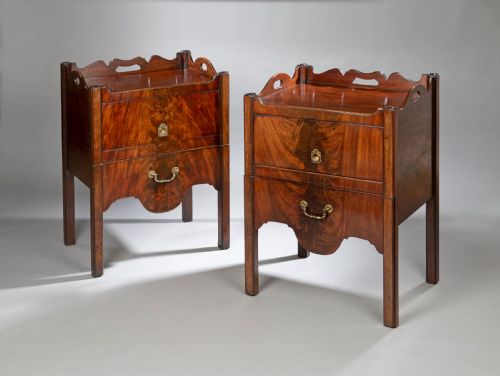
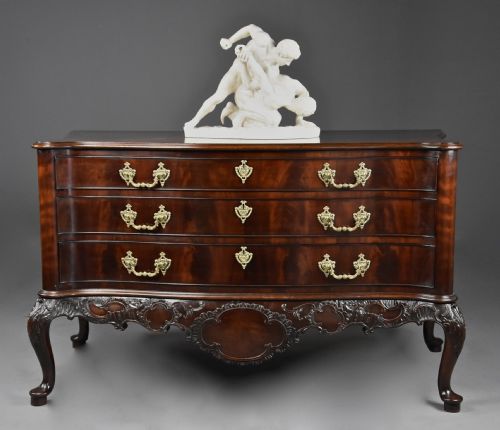
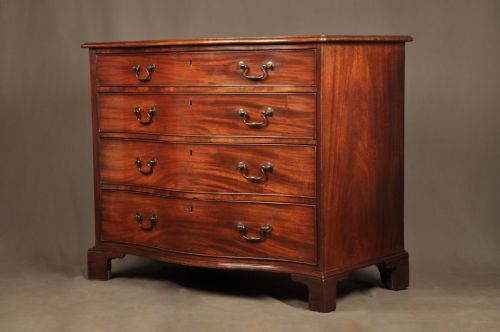
A chippendale mahogany commode typically appears as a serpentine chest of drawers or a bedside cabinet originating from the eighteenth century or later revival periods. These forms include chests with fitted writing slides, brushing slides, and tray tops designed for domestic utility.
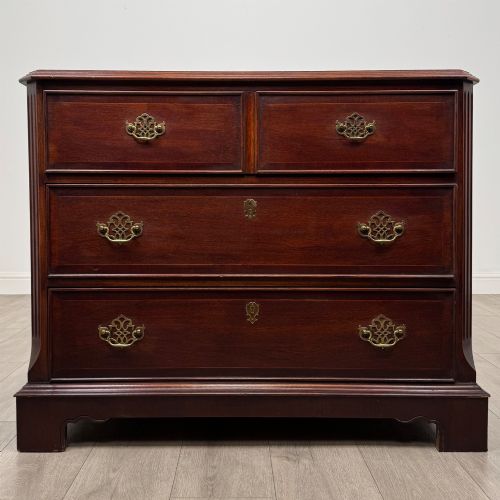
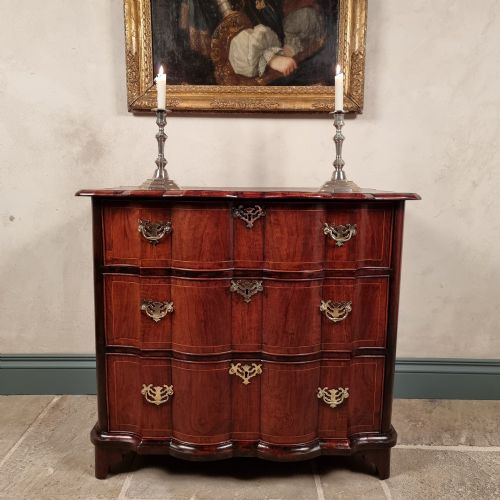
The selection ranges from period George III examples to Edwardian and later Chippendale Revival pieces. Buyers encounter both full-sized chests with multiple drawers and smaller bedside night tables or cupboards sharing the same stylistic vocabulary.
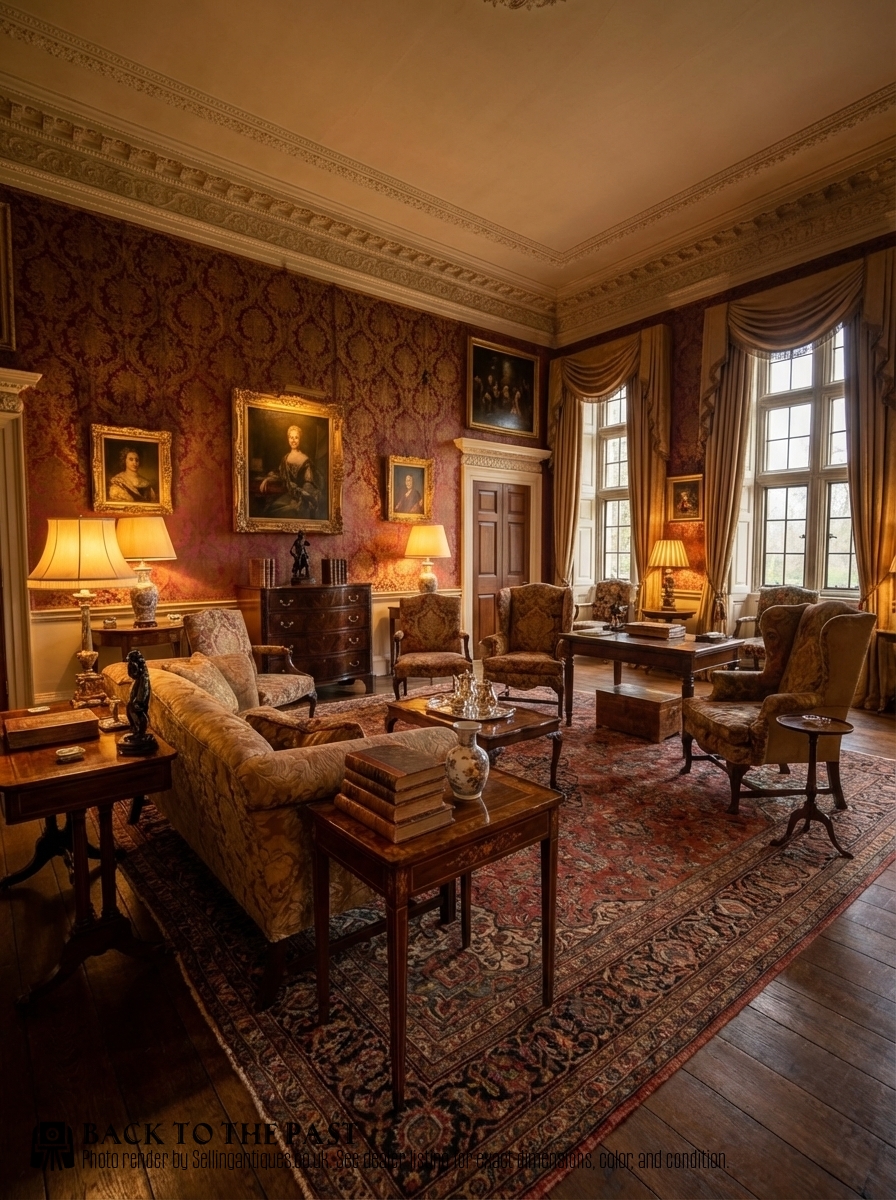
How they were made
Cabinet makers utilised solid mahogany and Cuban mahogany, frequently supported by oak drawer linings and secondary timbers. Selected pieces incorporate boxwood inlay, satinwood details, and brass hardware to define the drawer fronts and corners.
Construction techniques involve serpentine shaping of the timber to create undulating drawer fronts, alongside specialised top surfaces such as tray tops and brushing slides. Certain models incorporate ball and claw feet carved directly from the primary wood.
Listings feature mahogany, oak, satinwood, and boxwood inlay across eighteenth-century and Edwardian periods.
What varies in quality
The standard of execution depends on the crispness of the carving on the drawer fronts, feet, and edges. Superior examples display fluent serpentine curves matched with high-grade Cuban mahogany and well-figured grain.
Proportions and internal fittings create distinct tiers within the range. Pieces featuring integrated writing slides, original brasses, and secondary woods like oak maintain a higher grade of historical integrity than later revival interpretations.
Gill and Reigate
The Chippendale Mahogany Commode Glossary
- Serpentine
- A front contour that curves outward in the centre and inward at the sides, creating an undulating profile. This shape requires skilled timber selection and shaping.
- Brushing slide
- A pull-out shelf positioned above the top drawer, traditionally used for dusting clothes or writing notes. It slides back flush with the frame when not in use.
- Tray top
- A raised rim around the upper surface of a bedside cabinet or commode, designed to prevent items from rolling off. This feature is common on eighteenth-century night tables.
- Cuban mahogany
- A dense, dark variety of mahogany prized for its rich grain and heavy weight. It was widely utilised in high-status furniture during the Georgian period.
- Commode
- A term applied in these listings to decorative chests of drawers and bedside cupboards. Eighteenth-century versions often double as compact storage or night commodes.
Chippendale Mahogany Commode: Frequently Asked Questions
What is a chippendale mahogany commode?
A chippendale mahogany commode is an eighteenth-century or revival chest of drawers and bedside cabinet featuring serpentine fronts, rich mahogany timber, and distinct stylistic details associated with Thomas Chippendale's designs.
These items function primarily as bedroom or drawing-room storage, combining decorative serpentine shaping with practical drawers, slides, and cupboards.
How do I date a mahogany commode?
Dating relies on examining the secondary timbers, construction methods, hardware, and overall style. Eighteenth-century pieces typically show hand-cut dovetails in oak drawer linings, whereas later revival items from the nineteenth and twentieth centuries display different manufacturing marks.
Comparing the drawer construction and timber density against known Georgian examples helps distinguish original period pieces from Edwardian or later reproductions.
Where were these commodes used?
These pieces were placed in principal bedrooms, dressing rooms, and parlours of substantial houses to store clothing, linens, and personal items. Bedside versions served as night cupboards.
The inclusion of writing slides and tray tops indicates they were built for daily personal grooming and correspondence in private living spaces.
How do I live with a mahogany commode?
Living with a mahogany commode involves placing it away from direct sunlight and heat sources to protect the polished timber finish and prevent the wood from drying out. Regular dusting with a dry cloth maintains the surface.
The sturdy construction allows these chests to function effectively as practical storage furniture in modern interiors.