


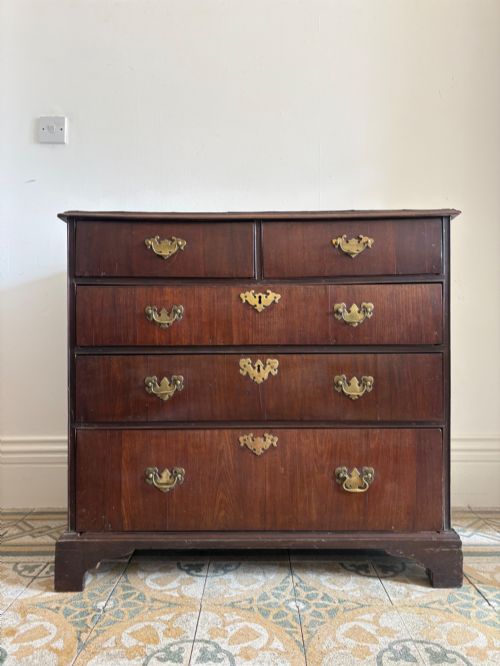

Period Walnut Tallboy
A period walnut tallboy is a stacked storage piece built to hold linen and garments, prized for rich grain and vertical presence.

Period Walnut Tallboy
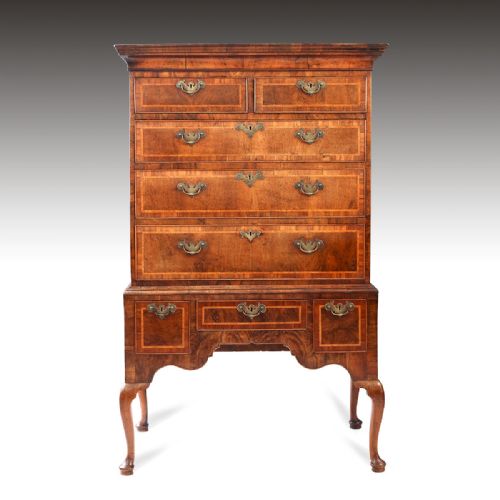
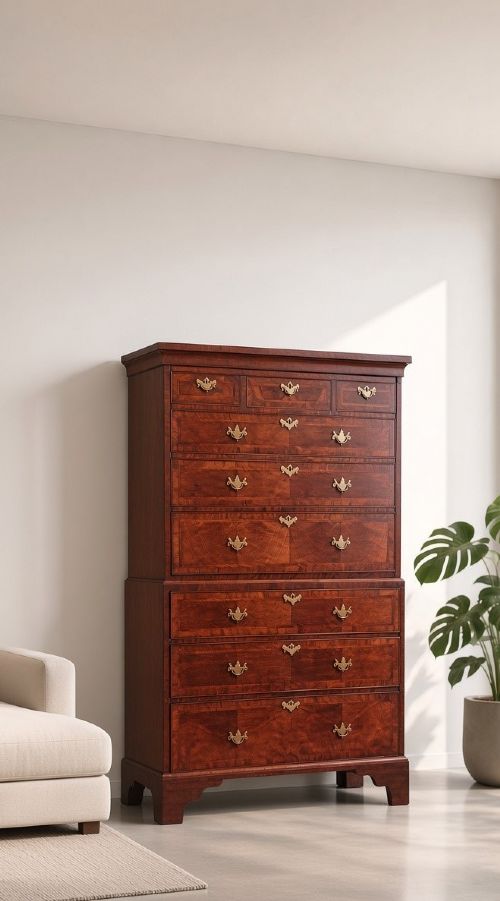
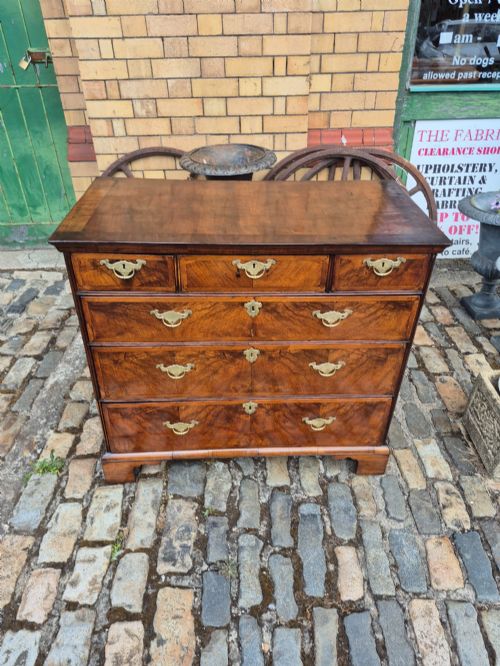
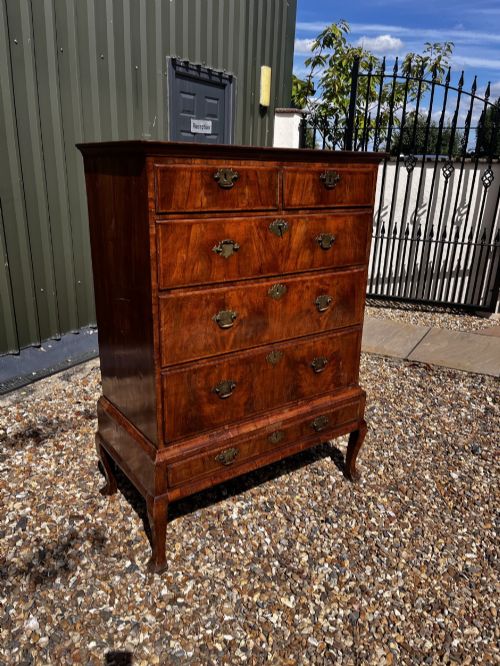
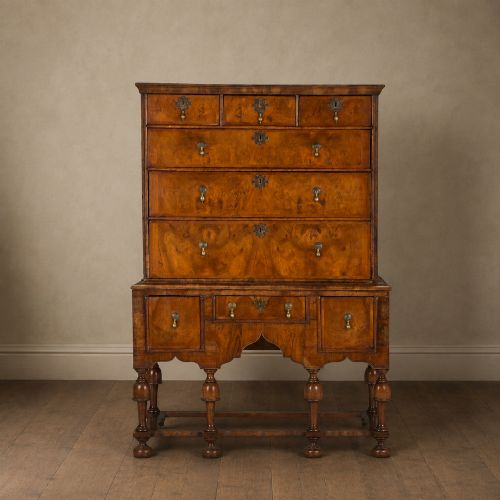
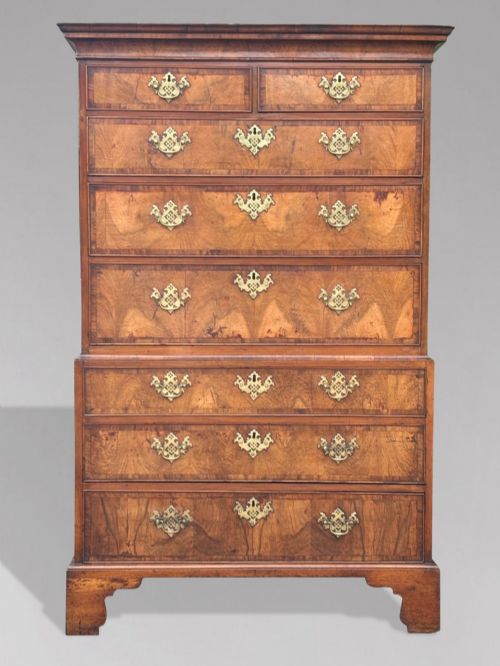
A period walnut tallboy is a high-standing storage form, most frequently appearing in these listings as a chest on chest or a cabinet on stand from the seventeenth and eighteenth centuries.
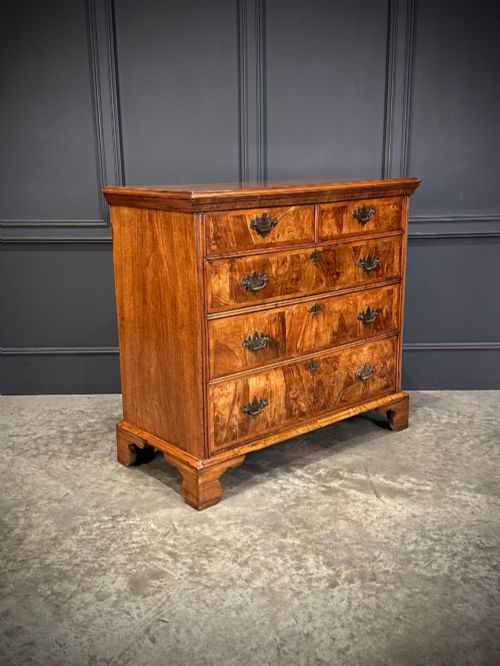
Buyers encounter forms spanning William and Mary, Queen Anne, and George II styles, where drawers stack vertically to maximise capacity without dominating floor space.
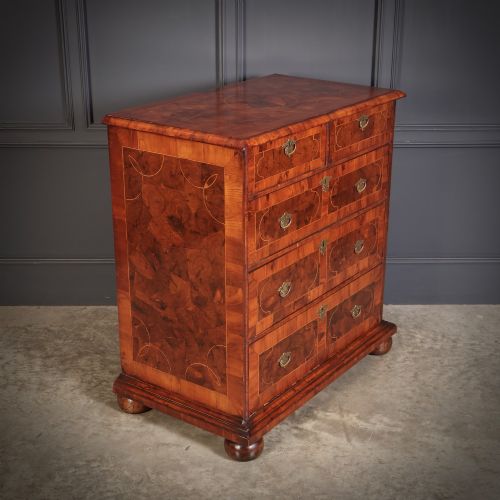
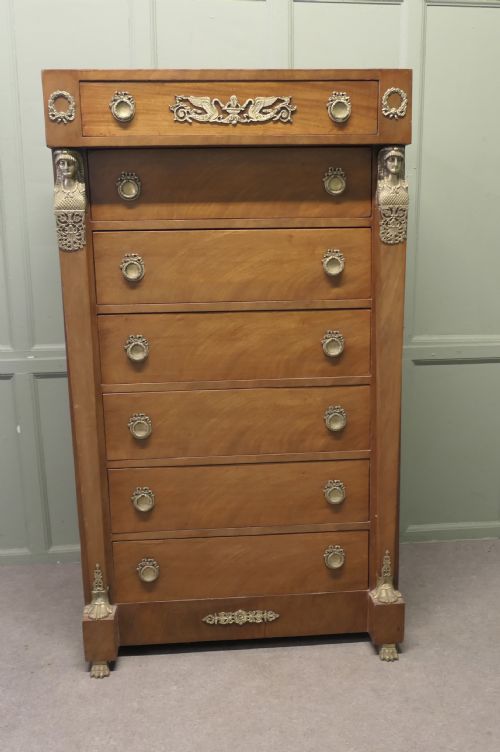
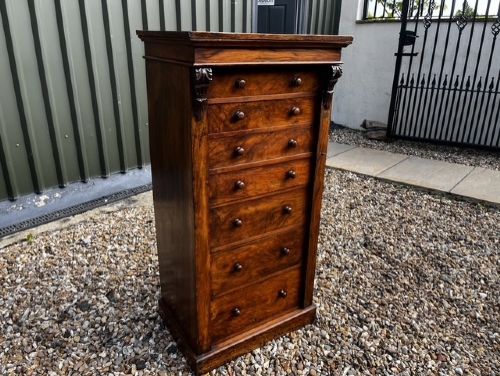
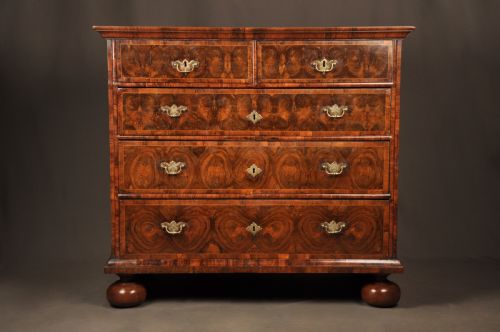
The selection ranges from early oyster-veneered examples to refined George II red walnut pieces, alongside later interpretations such as Victorian Wellington chests and French Empire designs.
Materials and construction
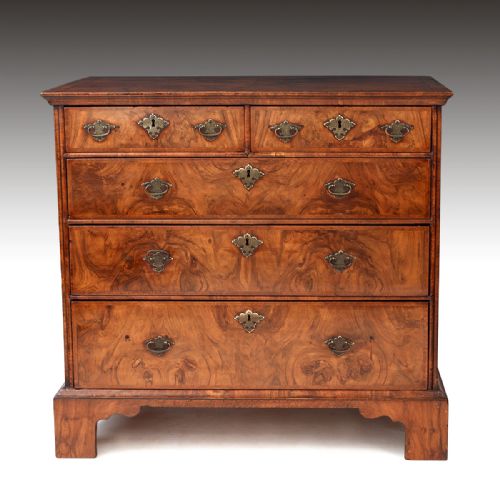
Cabinetmakers utilised walnut, burr walnut, and red walnut veneers laid over secondary timbers such as oak, often incorporating boxwood stringing and feather-banded borders.
Surface decoration relied on oyster cutting, where small branches are sliced across the grain to create circular patterns, alongside intricate inlay and veneering techniques.
Drawer fronts and stands integrated brass drop handles and backplates, whilst structural support came from sturdy bracket feet, shaped bases, or tall stands.
Period Walnut Tallboy Retail Price Guide 2026
Typical asking prices for period walnut tallboy among the pieces listed under this phrase on Sellingantiques today, from the lower quarter to the upper quarter. They describe what is for sale here now, not the wider market.
Listings feature walnut, oak, boxwood, and brass across periods spanning the seventeenth century through to the Edwardian era.
Quality and finish
Quality rests upon the selection of veneer figures, where matched burr walnut or carefully arranged oyster patterns create a cohesive visual texture across the entire front.
The integrity of the timber ground and the subtlety of feather-banding separate superior examples from plainer utility pieces.
Original brass hardware and the depth of patination developed over centuries dictate the standing of an individual tallboy within the range.
The Period Walnut Tallboy Glossary
- Tallboy
- A tall chest of drawers, often constructed in two stacked sections such as a chest on chest or chest on stand.
- Oyster veneer
- Slices of branch wood laid to resemble oyster shells, forming decorative circular patterns across the surface.
- Feather-banding
- Small strips of veneer laid diagonally in opposite directions to form a herringbone border around drawer edges.
- Chest on chest
- A two-part storage furniture form comprising a smaller upper chest placed upon a larger lower chest.
- Burr walnut
- Timber taken from a tree growth that produces swirling, highly figured grain patterns favoured for decorative cabinetwork.
Period Walnut Tallboy: Frequently Asked Questions
What is a period walnut tallboy?
A period walnut tallboy is a tall, stacked storage unit designed for domestic linen and clothing. These pieces combine vertical proportions with figured walnut veneers.
Most examples date from the seventeenth and eighteenth centuries, taking the form of chests on chests or cabinets on stands.
How do I identify a George II tallboy?
George II tallboys typically display refined proportions, often constructed in red walnut with fine graining. They frequently incorporate bracket feet and classical moulding details.
Look for period brass hardware and clean drawer arrangements that reflect mid-eighteenth-century design standards.
What is oyster veneering?
Oyster veneering involves cutting small branches obliquely to produce circular or oval wooden discs. These discs are arranged closely together to form patterned geometric surfaces.
This technique appears frequently on seventeenth-century pieces, creating a distinctive rippled visual texture.
Where should I place a tallboy?
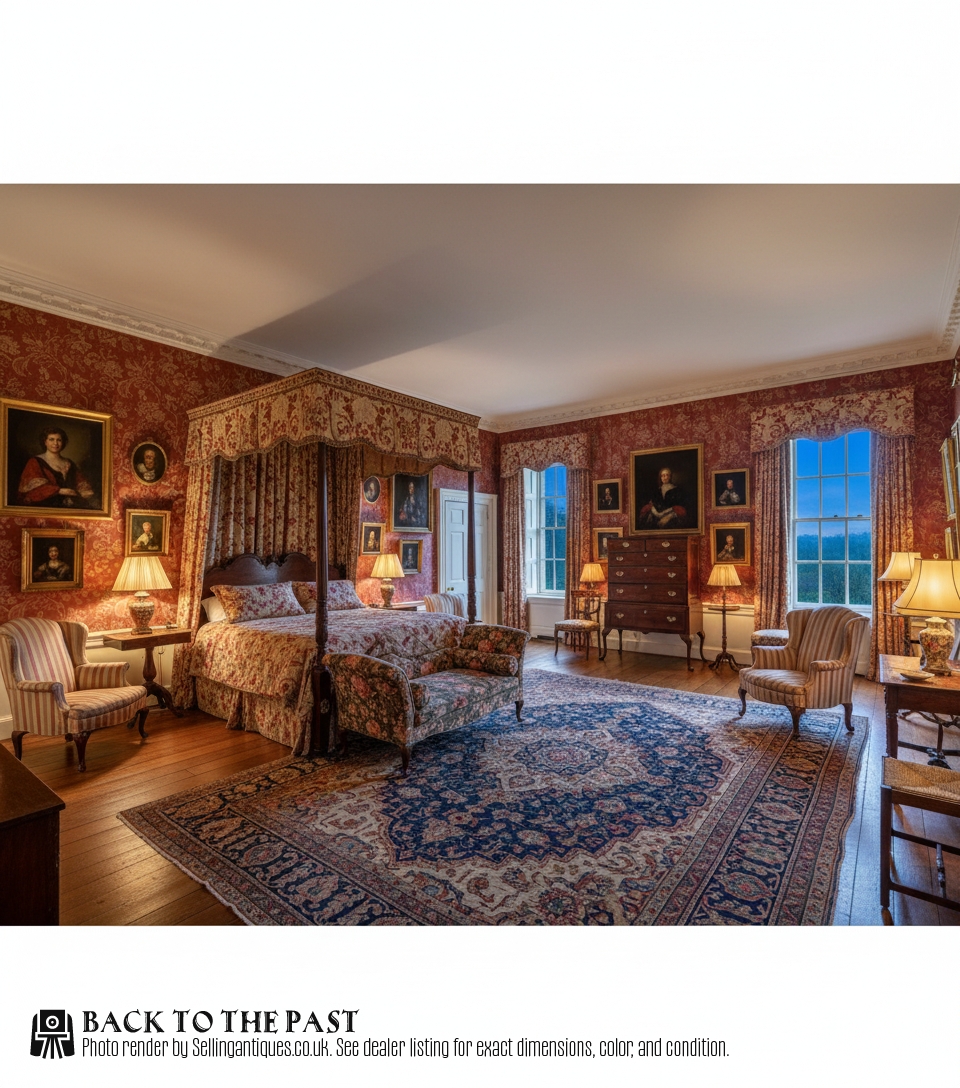
Tallboys suit bedrooms, dressing rooms, and hallways where vertical storage is required without occupying excessive floor space. Their substantial height draws the eye upward.
Ensure placement avoids direct sunlight and extreme temperature shifts to protect the walnut veneers and aged patination.