


Antique Furniture Chest Stand
An antique furniture chest stand combines elevated storage with a distinct architectural presence, offering collectors rich timber surfaces and compact proportions.
Antique Furniture Chest Stand
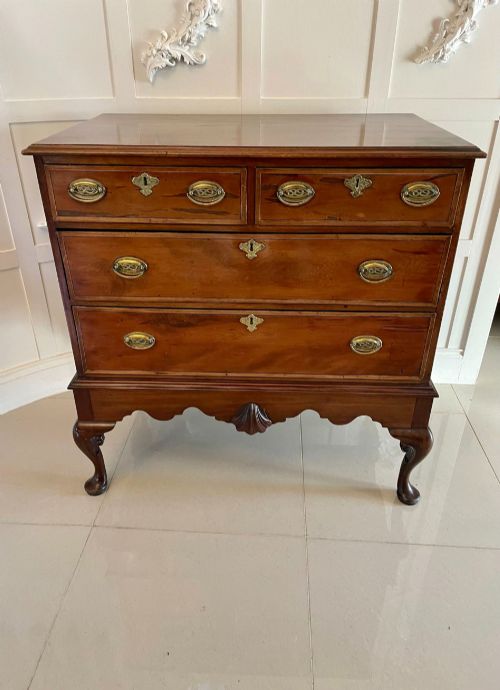
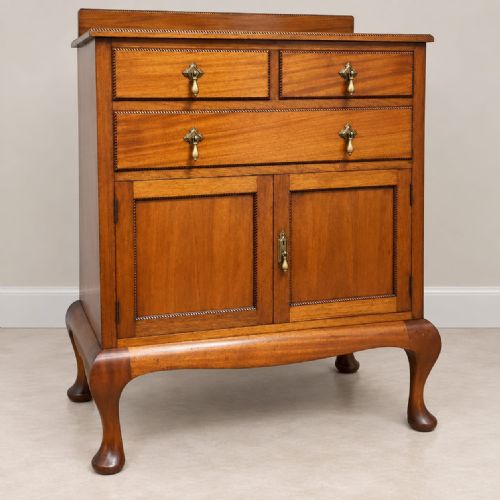
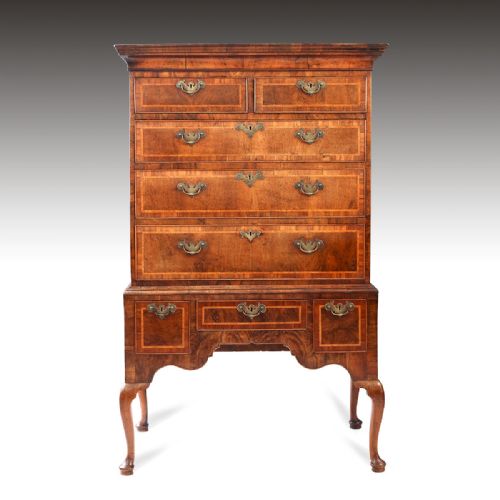
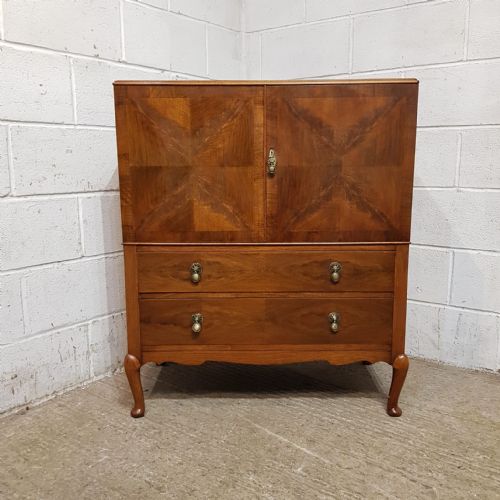
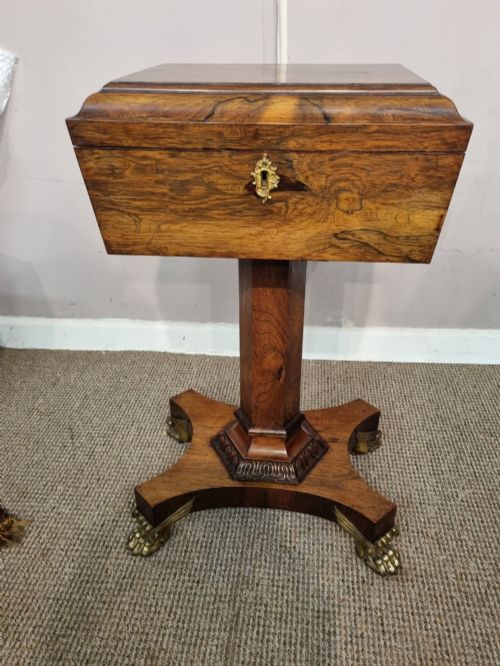
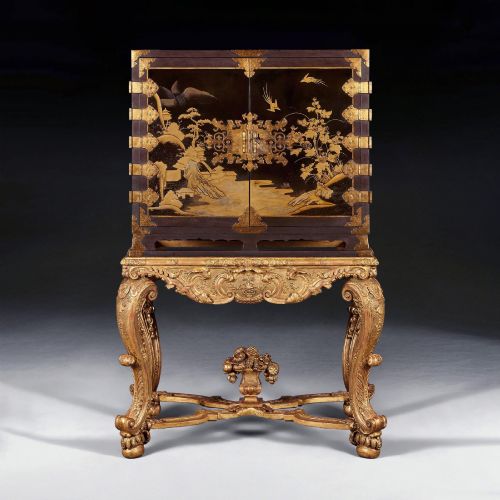
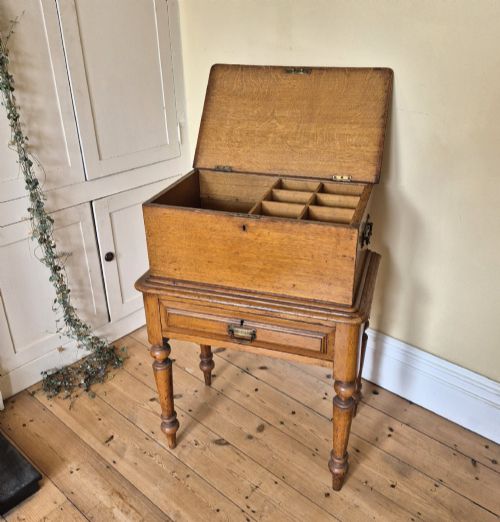
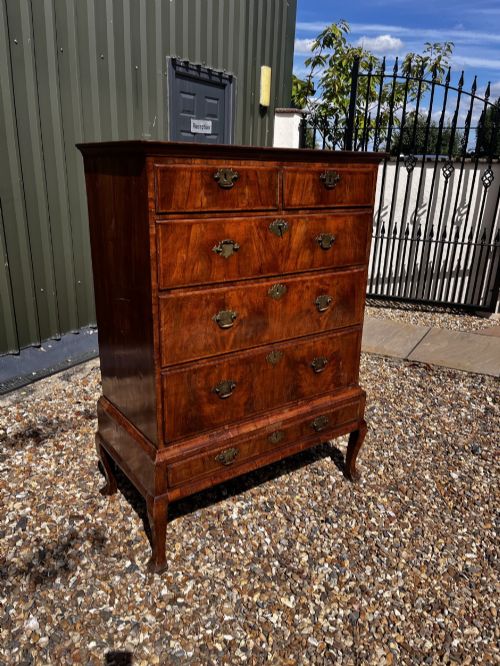
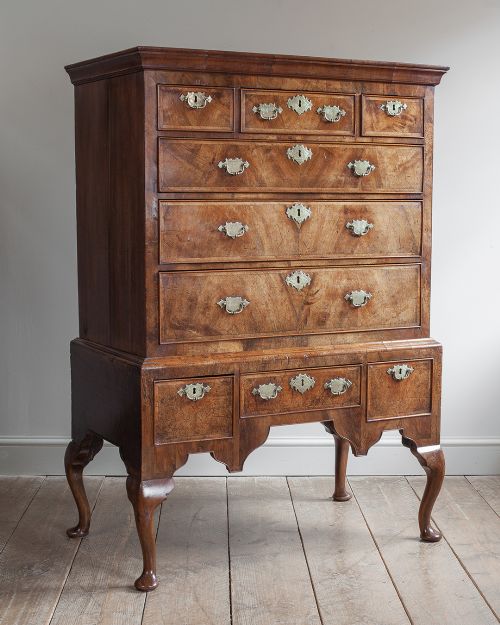
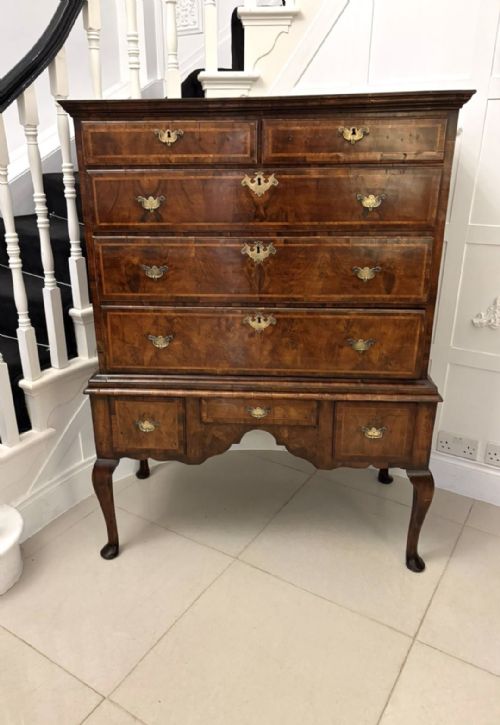
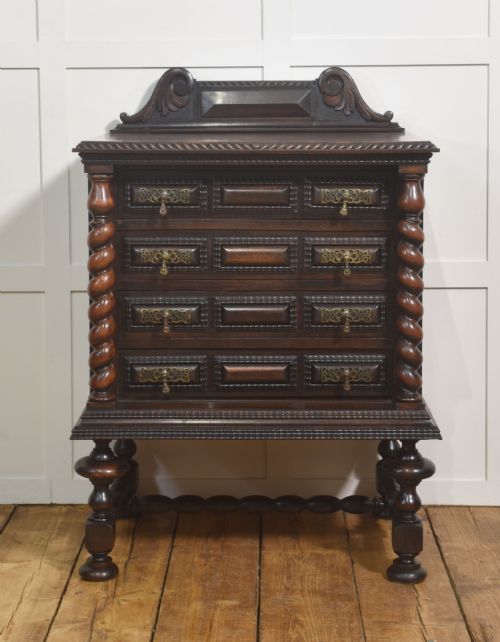
An antique furniture chest stand brings together two distinct components: an upper enclosed storage section, such as a drawer chest or cabinet, and a supporting base with legs or a frame. These pieces range from seventeenth-century walnut and oak forms to eighteenth-century Georgian designs and later Edwardian variations.
The form developed to keep precious textiles, documents, and valuables away from damp floors while providing a dedicated surface for display or daily use. These dual-part constructions remain sought after for their versatility in modern interiors and their combination of vertical storage with a lighter visual footprint.
Materials and construction methods
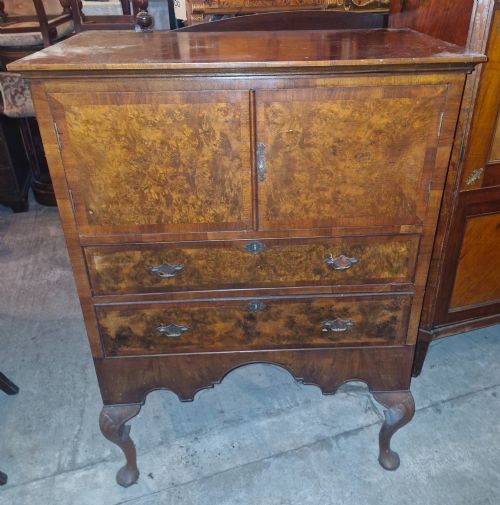
Cabinet makers utilised dense hardwoods such as mahogany, walnut, and oak, frequently applying figured veneers like burr walnut or flame mahogany to the primary surfaces. Crossbanding and decorative inlays in pewter, bone, or contrasting timbers enhanced the visual depth of the woodwork.
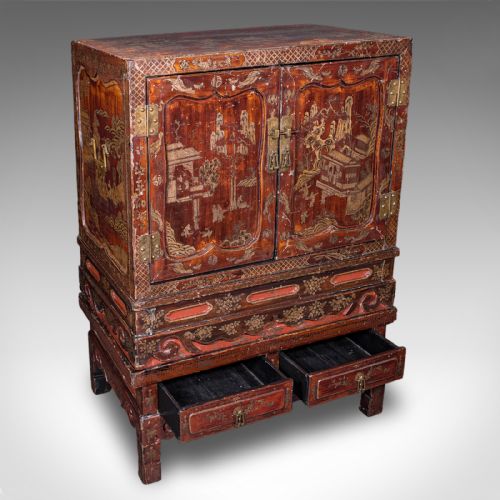
Early examples from the seventeenth and eighteenth centuries rely on pegged joinery, hand-cut dovetails for drawer construction, and solid timber framing for the support stands. Specialised techniques such as japanning, lacquer work, and tortoise-shell application appear on pieces influenced by Oriental and continental decorative styles.
Some seventeenth-century cabinets incorporate secret drawers hidden behind architectural pigeonholes for confidential documents.
Distinctions in construction and design
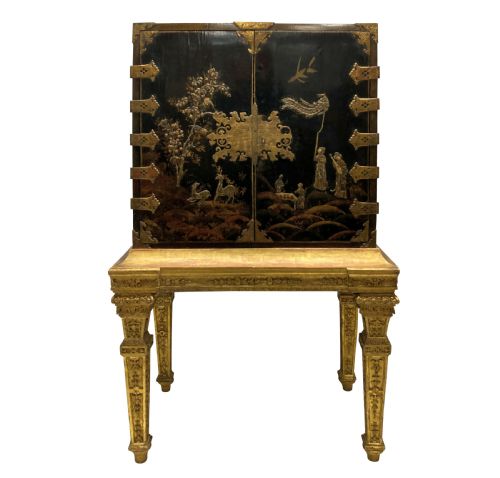
The standard of timber selection and the precision of the cabinet work determine the rank of an antique furniture chest stand. Pieces featuring highly figured burr walnut, intricate marquetry, or specialised finishes such as lacquer and gold leaf demonstrate superior workshop skill.
The relationship between the upper chest and the lower stand dictates the integrity of the piece. Matching timbers, period-correct brass hardware, and original associated stands distinguish finer examples from altered or later assembled configurations.
Gillows
The Antique Furniture Chest Stand Glossary
- Chest on stand
- A two-part form consisting of an upper chest of drawers or cupboard resting upon a raised base with legs. This configuration elevates the storage space off the floor.
- Veneer
- A thin layer of finely figured wood applied to a secondary timber base to create decorative patterns. Burr walnut and flame mahogany are common examples seen on these surfaces.
- Crossbanding
- A narrow strip of veneer laid around the border of a drawer front or panel with the grain running perpendicular to the surrounding wood. This technique creates a neat framing effect.
- Japanning
- A European imitation of East Asian lacquerwork using resin-based varnishes and raised metallic decorations. It frequently appears on seventeenth and eighteenth-century stands and cabinets.
- Dovetail
- A traditional joint formed by interlocking wedge-shaped fingers used to join drawer sides to drawer fronts. Hand-cut dovetails indicate earlier craftsmanship.
Antique Furniture Chest Stand: Frequently Asked Questions
What is an antique furniture chest stand?
An antique furniture chest stand is a dual-element furnishing consisting of an upper storage chest or cabinet mounted upon a distinct base with legs.
These pieces were developed to provide accessible drawer or cupboard storage while maintaining an open, elevated profile in domestic rooms.
How do I date a chest on stand?
Dating relies on examining the timber species, construction joints, hardware, and decorative styles. Seventeenth-century pieces often use oak or walnut with heavy turnings, while eighteenth-century examples display refined mahogany veneers and bracket feet.
Interior drawer construction, such as hand-cut dovetails and secondary woods, provides further clues to the period of manufacture.
Are the stands usually original to the chests?
Many surviving pieces feature stands that are period-correct or associated rather than strictly original to the upper chest, as the two sections could become separated over centuries of use.
Checking for matching timber patination, consistent wear patterns, and appropriate joint construction helps determine the relationship between the upper and lower sections.
Where should I place a chest stand at home?
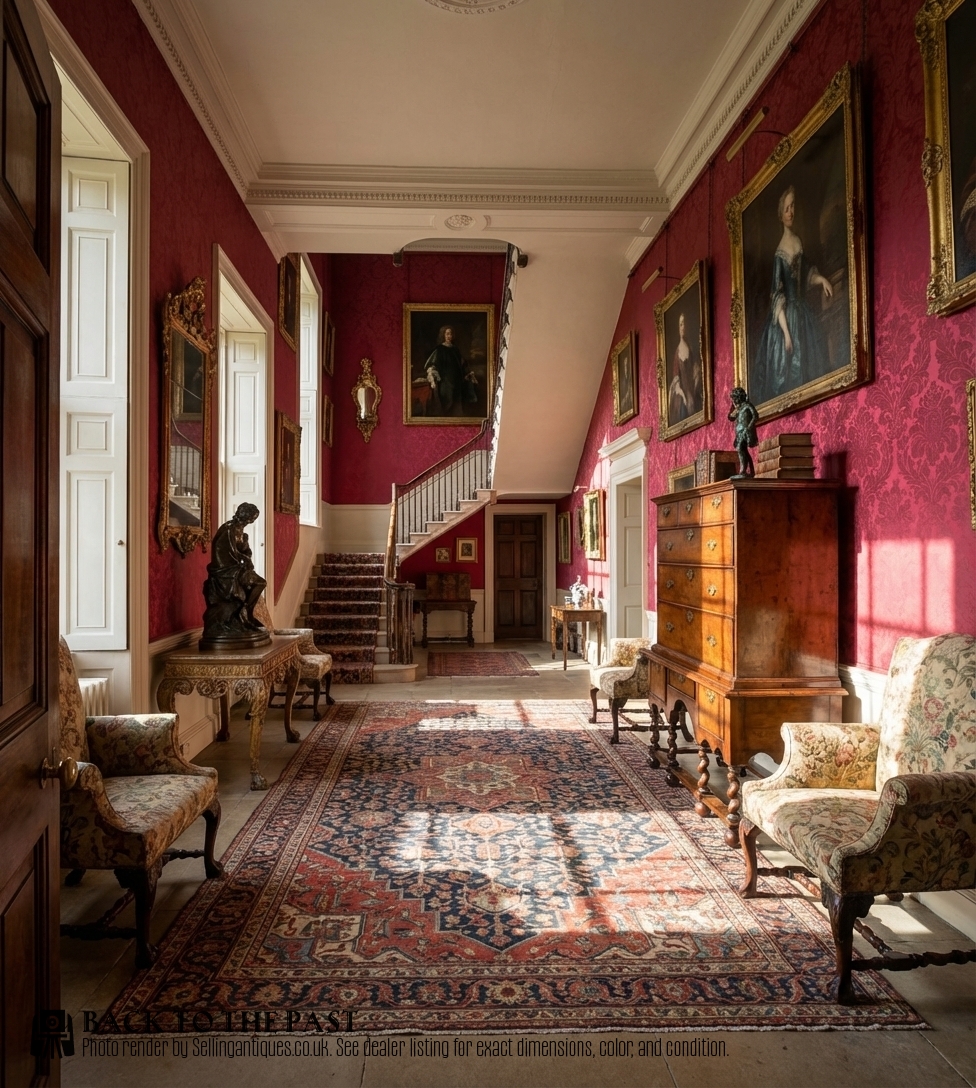
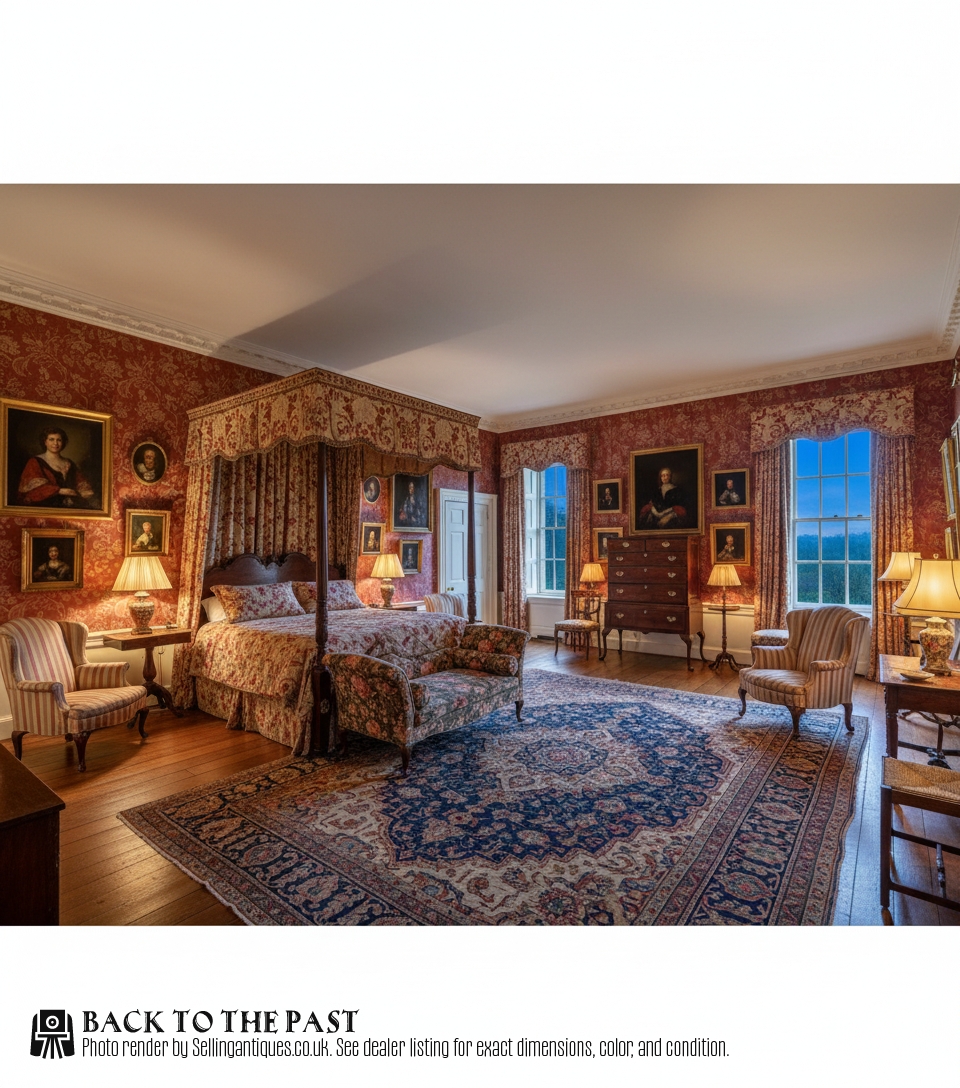
These pieces function well in hallways, living rooms, or bedrooms where vertical storage is required without heavy floor-standing bulk.
Keep them away from direct heat sources and strong sunlight to protect delicate wood veneers and historic finishes.