


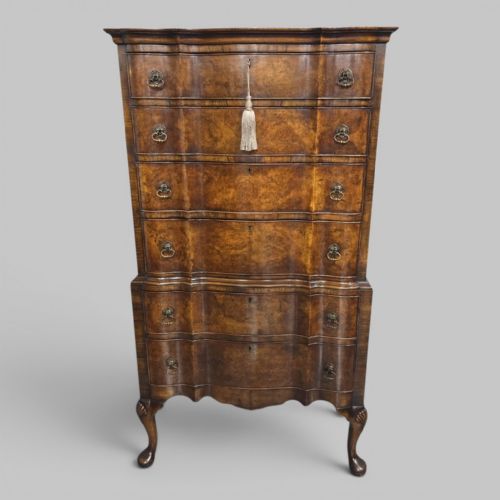


Carved Walnut Chest Stand
A carved walnut chest stand brings structured timber and raised proportions into a room.
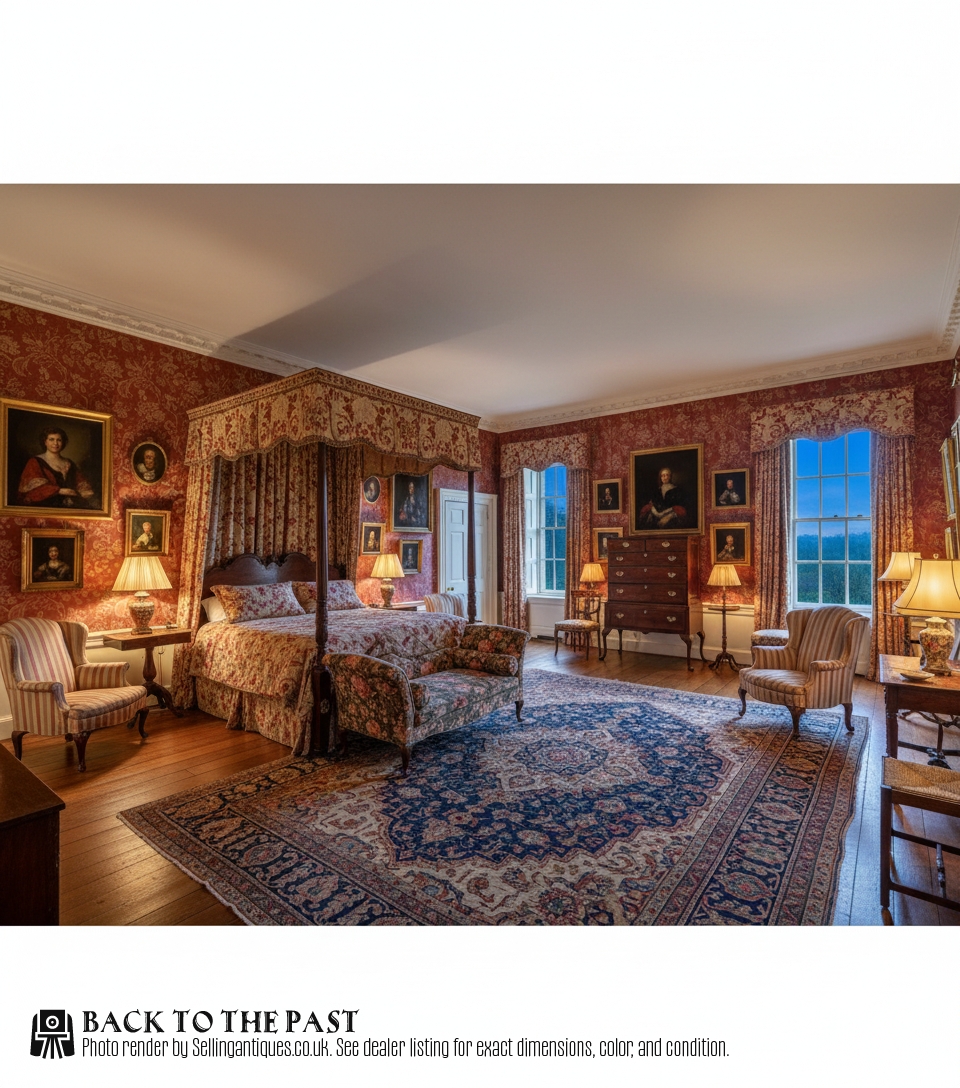
Carved Walnut Chest Stand
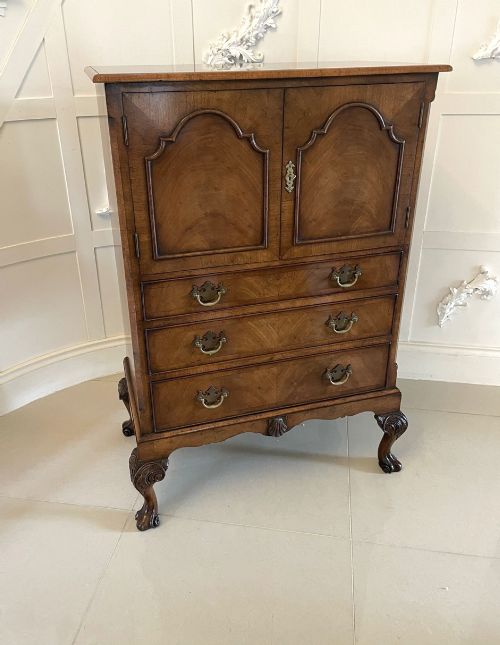
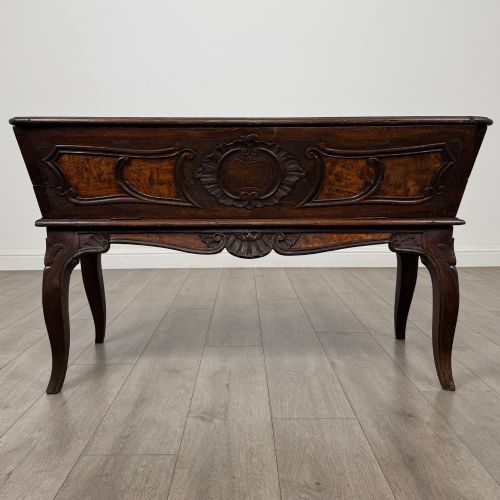
A carved walnut chest stand combines a raised upper storage compartment with a dedicated supporting base, creating a commanding piece of furniture. These examples span centuries from the seventeenth century through to the early twentieth century, incorporating revivals alongside earlier periods.
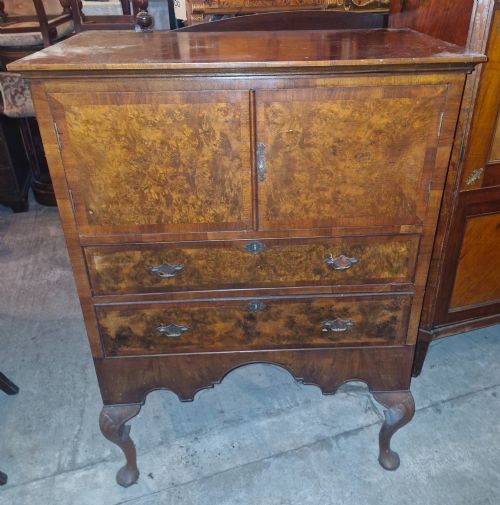
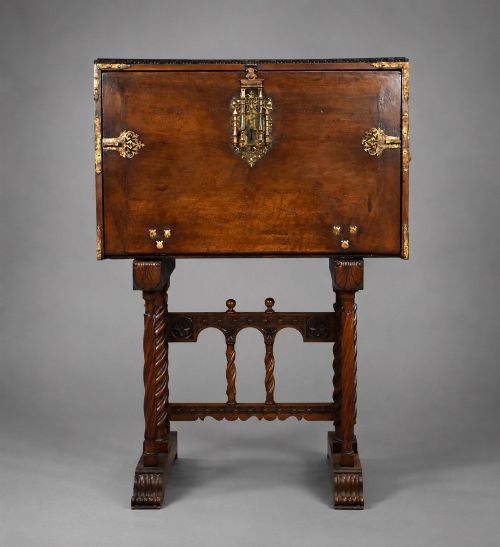
The selections on this page centre upon various iterations of walnut cabinetry, featuring chests of drawers raised on stands, alongside related music cabinets and specialised bargueño writing cabinets. Buyers encounter both authentic period pieces and later revivals executed in Queen Anne and George styles.
Lower supports range from cabriole legs to barley twist stands, elevating the main body of the chest to create a lighter footprint in an interior. The proportion between the upper chest and the supporting stand dictates the visual balance of the entire piece.
Materials and construction
Makers utilised solid walnut and decorative burr walnut veneers applied over secondary timbers, often pairing figured grain patterns with brass hardware. Oyster veneers and marquetry details appear on seventeenth-century and revival examples alike, showing considerable technical skill in timber selection.
Joinery techniques involve dovetailed drawer construction and pegged frames, supporting heavy timber sections without excessive modern hardware. Iron and brass fittings provide structural reinforcement and functional handles or escutcheons.
Seventeenth-century Spanish workshops occasionally hid tiny, secret drawers inside vargueno cabinets for smuggling love letters and small coins.
Assessing craftsmanship
Quality reveals itself in the choice of timber figure, particularly the depth and movement within burr walnut veneers and matched grain patterns across drawer fronts. Superior examples maintain crisp carving on the stand and drawer surrounds without excessive softening from historic refinishing.
The integrity of the structural joinery between the upper chest and its stand determines the stability of the piece over centuries of use. Original hardware, harmonious proportions, and untouched timber patination elevate certain examples above standard workshop output.
The Carved Walnut Chest Stand Glossary
- Burr walnut
- A decorative timber veneer harvested from the wart-like growths on walnut trees, prized for its swirling, highly figured grain patterns. Cabinet makers typically reserved this material for the principal visible surfaces of high-status furniture.
- Chest on stand
- A two-part form consisting of a storage chest resting upon an elevated frame with legs, developed to keep contents away from damp floors. This configuration alters the proportions of traditional storage furniture.
- Bargueño
- A portable writing cabinet originating in Spain, fitted with multiple small drawers and a drop-front desk surface, often placed upon a dedicated carved stand. These pieces display intricate interior compartments and decorative hardware.
- Oyster veneer
- Slices of small branches or shoots laid across a surface to create circular or concentric patterns resembling oyster shells. This technique gained prominence during the seventeenth century.
- Cabriole leg
- A furniture leg that curves outward at the knee and tapers inward toward the foot, inspired by the shape of an animal's leg. This form became a defining characteristic of Queen Anne and Georgian design.
Carved Walnut Chest Stand: Frequently Asked Questions
What is a carved walnut chest stand?
A carved walnut chest stand is a raised storage unit comprising a cabinet or chest of drawers supported by an integrated frame or base. The combination elevates the main storage compartment off the floor while adding decorative carved detail to the legs and apron.
These pieces function primarily as statement storage furniture in living spaces or hallways. Their elevated design creates a distinct vertical presence compared to standard floor-standing chests.
How do I date a walnut chest on stand?
Dating relies upon examining the construction methods of the drawers, the timber selection, and the style of the carving on the stand. Earlier seventeenth-century examples display distinct joinery and timber veneers like oyster walnut, while later revivals from the Edwardian period or 1920s incorporate machine-sawn elements.
Hardware placement and lock mechanisms also provide clues to the period of manufacture. Comparing the secondary timbers inside the drawers helps confirm whether the piece is period or a later revival.
Where should I place one in my home?
These pieces suit entrance halls, drawing rooms, or dining spaces where their height and decorative wood grain can be appreciated. Because they combine surface display space with enclosed storage, they work well against principal walls rather than tucked into corners.
Keep them away from direct heat sources and strong sunlight to protect the walnut veneer and polished finish. Their elevated stands make the surrounding floor area visible, which helps lighter rooms feel more open.
How do I care for antique walnut furniture?
Maintain a stable indoor humidity level to prevent the walnut timber and delicate burr veneers from shrinking or cracking over time. Dust regularly with a dry, soft cloth and apply a quality beeswax sparingly to nourish the wood surface.
Avoid using modern silicone-based polishes that can build up and soften the historic finish. Professional restoration should be consulted for any structural repairs to the legs or stands.