

Brown Timber Drawers
Brown timber drawers provide practical storage across centuries of design, spanning mahogany chests to oak writing tables.
Brown Timber Drawers
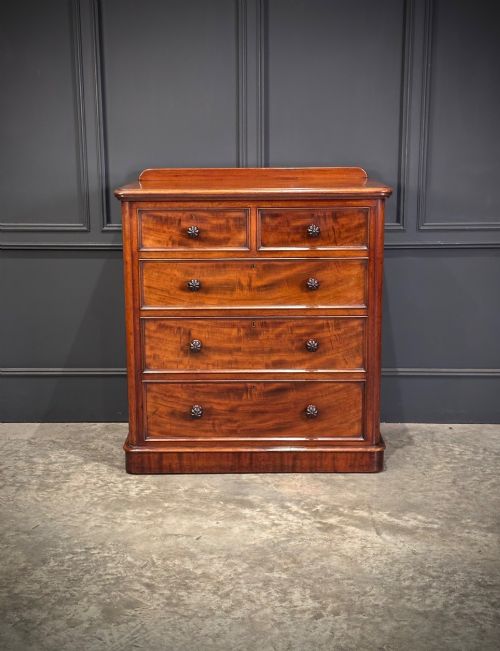
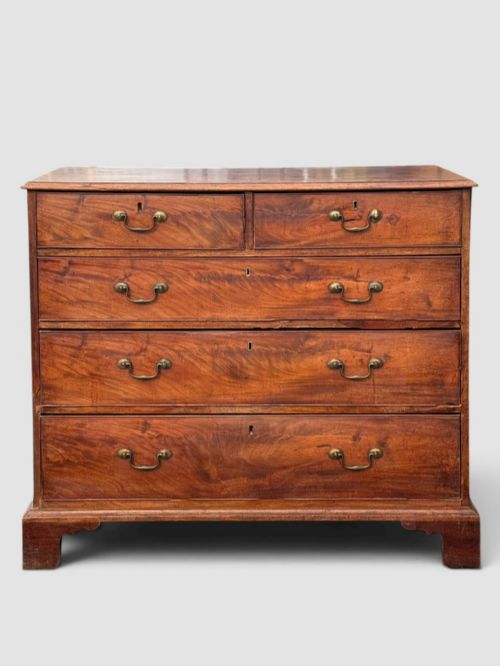
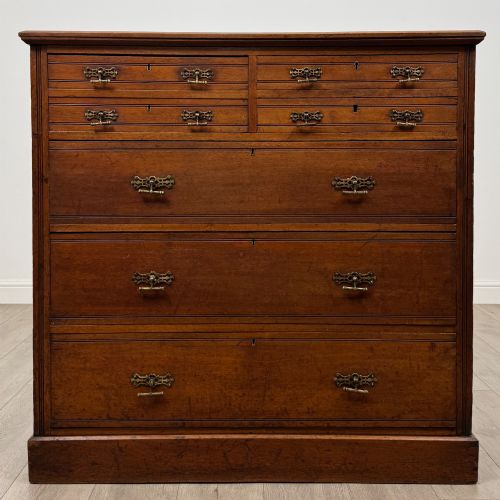
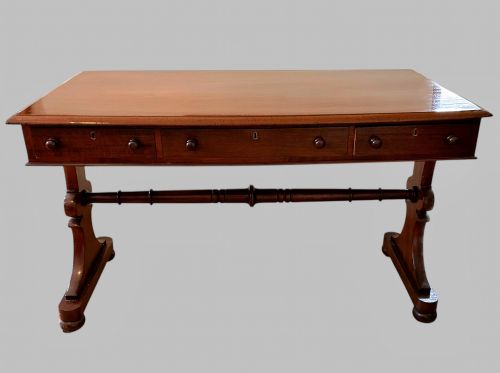
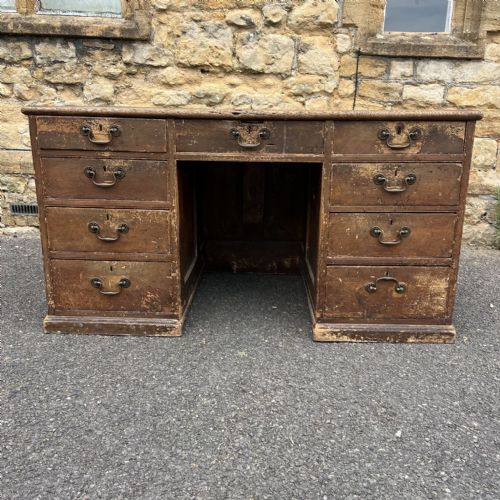
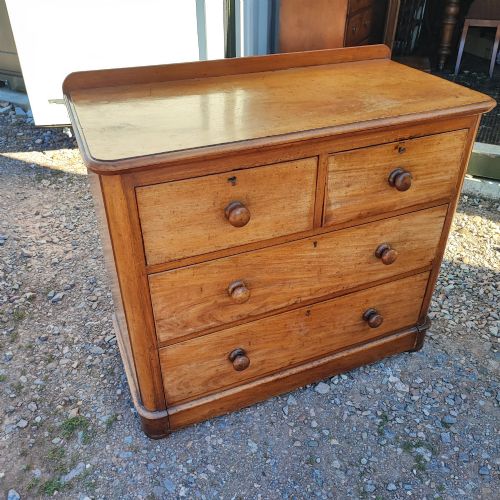
Brown timber drawers encompass a range of storage forms intended for domestic and functional use. The search phrase brown timber drawers frequently leads to chest of drawers items alongside writing tables and side tables.
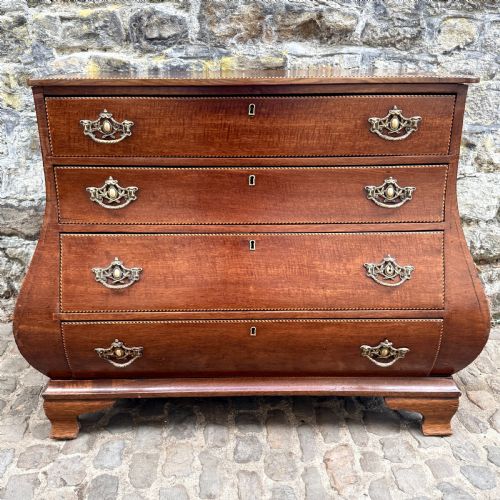
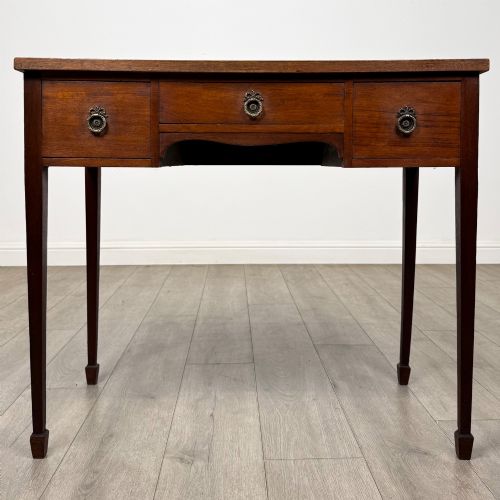
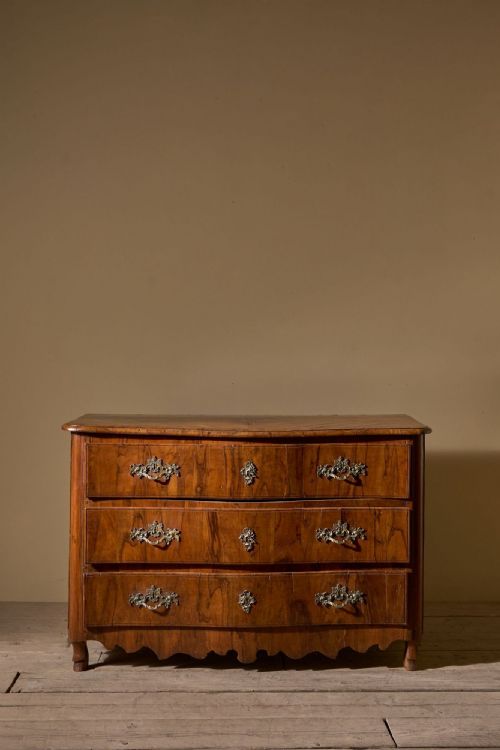
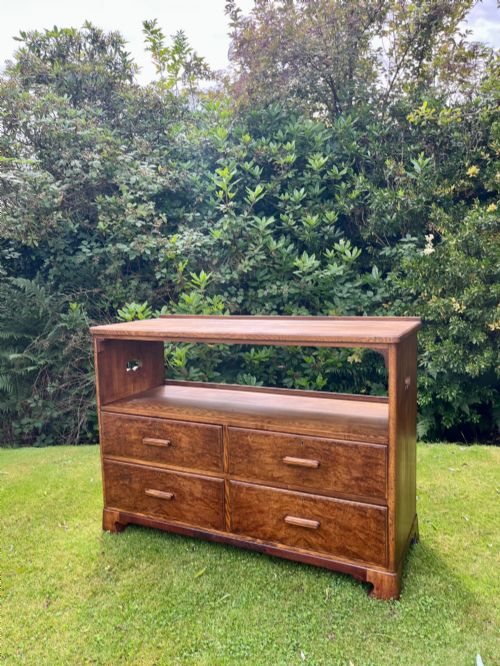
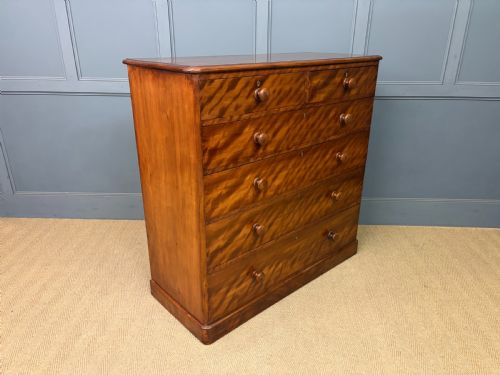
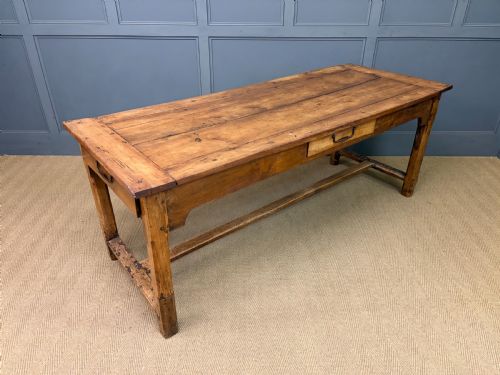
Victorian and Georgian examples appear alongside Edwardian and 1930 pieces, showing diverse forms from the 18th century to the 20th century. Chests of drawers dominate the selection, accompanied by occasional tables, desks, and side cabinets.
Origins stretch across English, French, Dutch, Maltese, and Japanese workshops, offering varied domestic storage furniture. Most pieces rely on traditional joinery applied to domestic timbers.
How they were made
Construction relies heavily on timbers such as mahogany, oak, walnut, pine, and fruitwood, paired with brass hardware. Makers utilised burr walnut, olive wood, elm, cherrywood, chestnut, and cedar for specific decorative and structural effects.
Cabinet makers built carcasses and drawers using traditional timber joints, fitting brass handles, pulls, and escutcheons to secure compartments. Surface finishes highlight the natural grain of the wood, from polished mahogany to waxed oak and fruitwood.
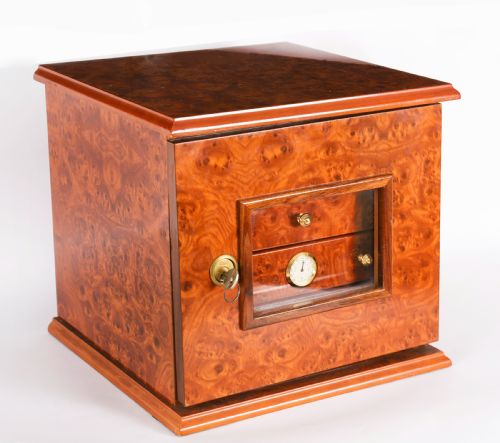
Furniture forms extend beyond standard chests to include apothecary banks, cigar humidors, Pembroke worktables, and serving tables.
What varies in quality
Quality differences stem from the selection of timber veneers and solid boards, such as figured walnut, burr elm, or plain mahogany. Superior pieces display careful grain matching and precise handling of secondary woods within drawer linings.
The sophistication of hardware, including cast brass handles and secret drawer mechanisms, separates standard utility furniture from finer workshop production. Construction depth shows in the execution of dovetailed drawer boxes and stable carcase frames.
Jas Shoolbred·Whytock and Reid·Heal and Son
The Brown Timber Drawers Glossary
- Bow-front
- A cabinet or chest front that curves outward in a convex shape. This configuration appears frequently on Georgian and 19th-century mahogany pieces.
- Wellington chest
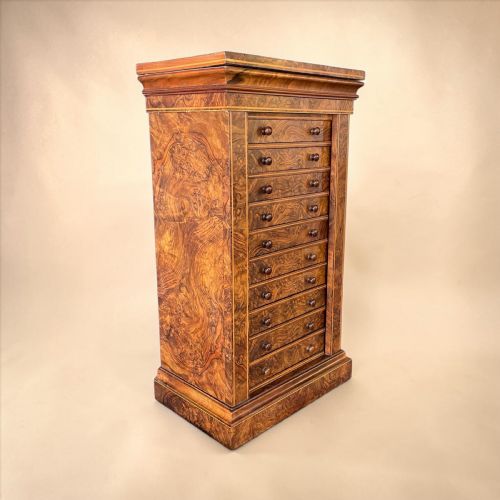
- A tall, narrow chest of drawers secured by a hinged locking side flap held with a key. Examples in this format often date to the Victorian era.
- Refectory table
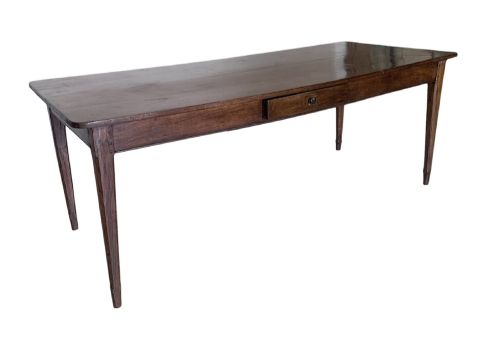
- A long dining table traditionally used in communal eating spaces. Early 19th-century versions in fruitwood and oak appear among the listings.
- Pembroke worktable
- A small table with hinged drop leaves on either side and usually one or more drawers. Victorian iterations often served as occasional or sewing tables.
- Apothecary bank
- A set of multiple small drawers designed for storing medicinal herbs, powders, or specimens. Japanese examples from the early 20th century utilise this configuration.
Brown Timber Drawers: Frequently Asked Questions
What periods do these brown timber drawers cover?
The pieces span from the 18th century through the Victorian and Edwardian eras into the 1930s. Georgian, Regency, and Queen Anne styles also appear among the offerings.
Materials range across mahogany, oak, walnut, fruitwood, pine, and exotic woods like Maltese olive wood and burr elm.
How were these drawers used originally?
Chests of drawers and Wellington chests provided essential clothing and linen storage in domestic bedchambers. Writing tables, library tables, and dressing table mirrors served administrative and personal grooming needs.
Side tables and collectors cabinets functioned in parlours and studies for display and smaller storage tasks.
How do I care for antique wood furniture?
Keep wooden pieces away from direct heat sources and rapid humidity fluctuations to prevent timber splitting or warping. Dust regularly with a soft, dry cloth and apply occasional appropriate wax feeds to maintain the polish.
Avoid chemical polishes that can build up residue on historic surfaces over time.
How can I tell a Georgian chest from a Victorian one?
Georgian pieces often feature fine mahogany or walnut construction with specific proportioning, subtle bracket feet, and distinct brass handle types. Victorian examples tend to be heavier in scale, sometimes utilising bolder mahogany veneers and plinth bases.
Drawer linings and internal secondary woods also offer clues regarding the period of manufacture.