
Inlaid Wooden Chest
An inlaid wooden chest brings rich grain, precise marquetry and enduring storage into a room.
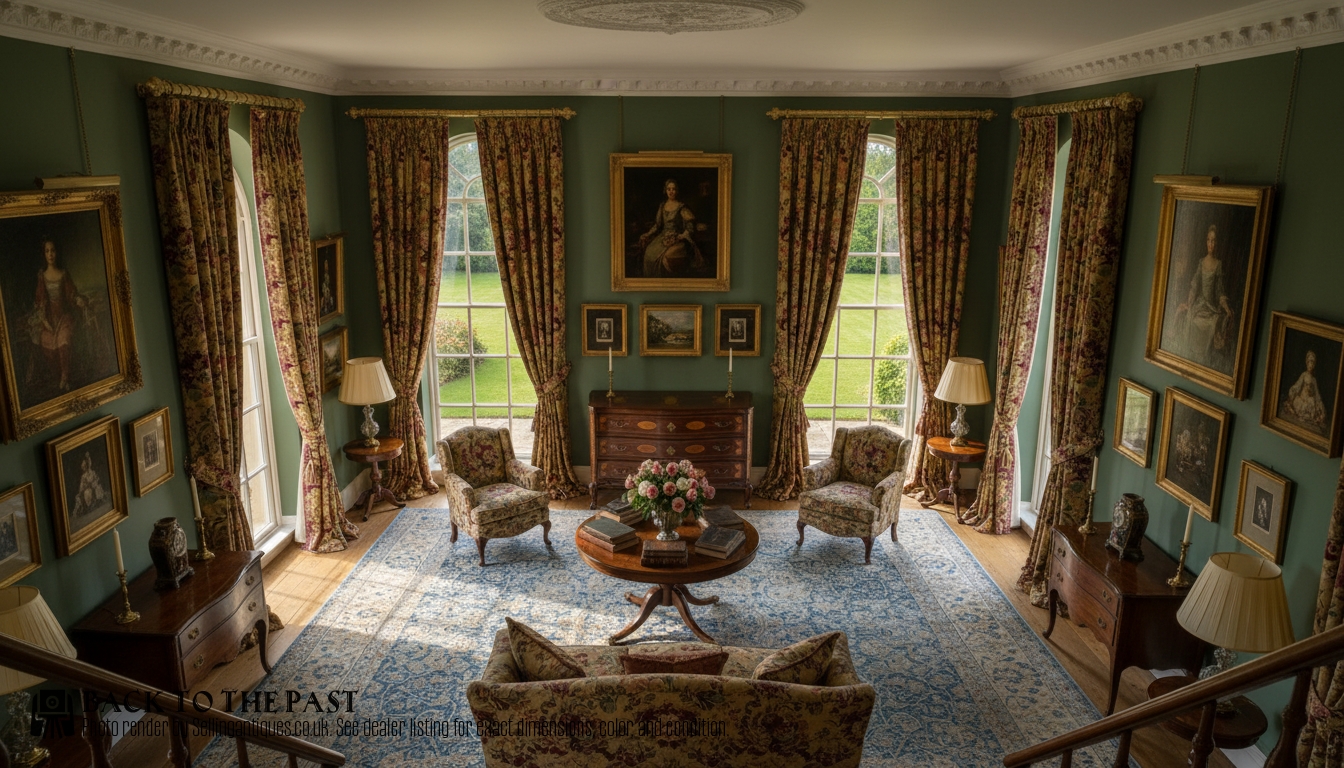
Identifying an inlaid wooden chest
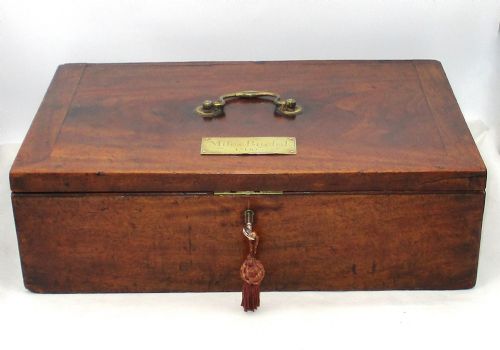
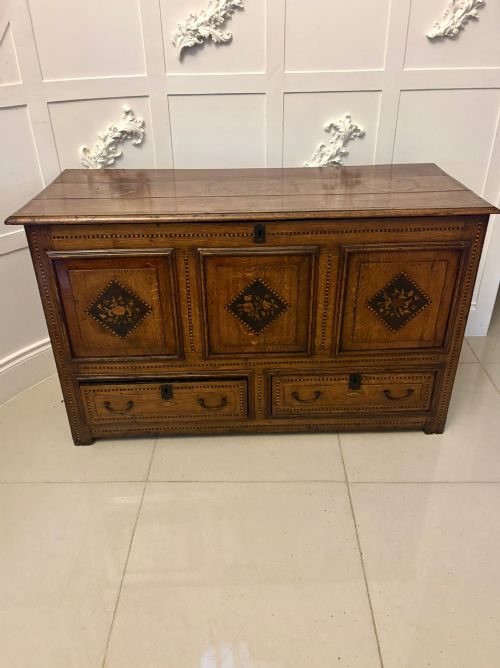
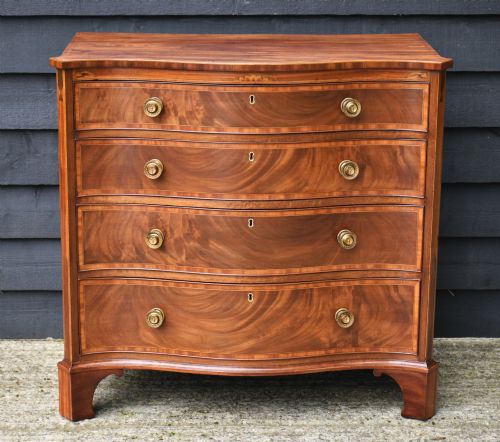
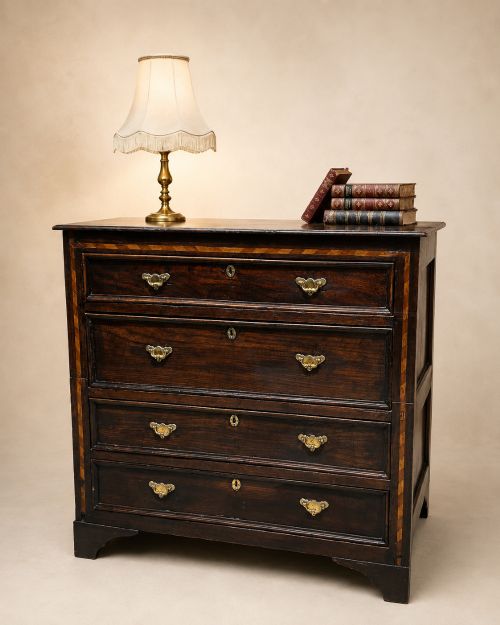
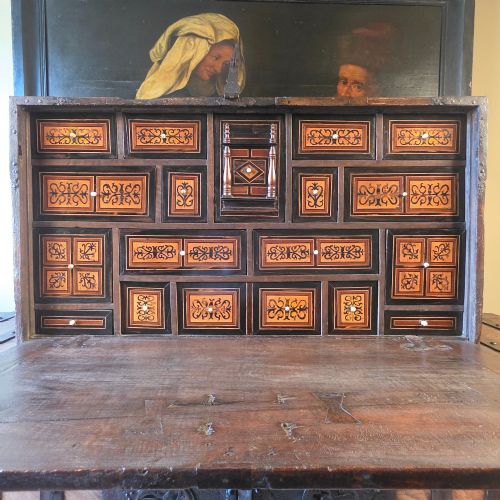
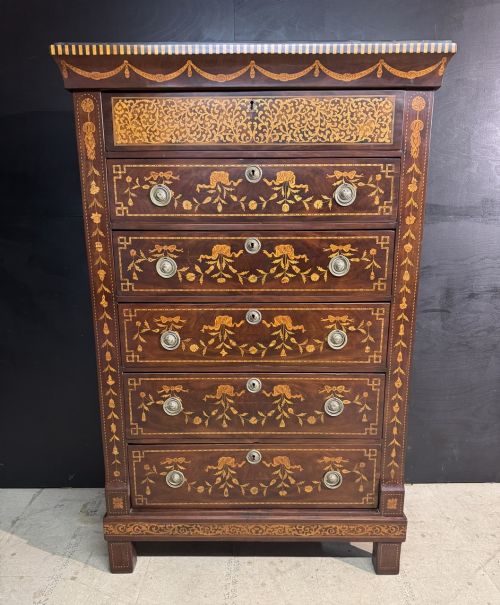
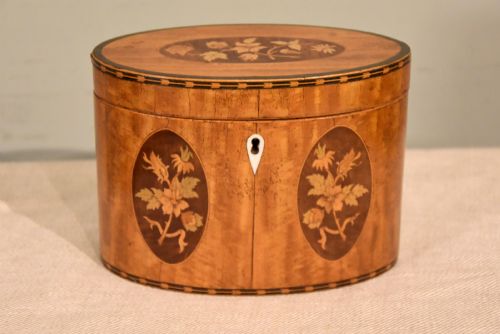
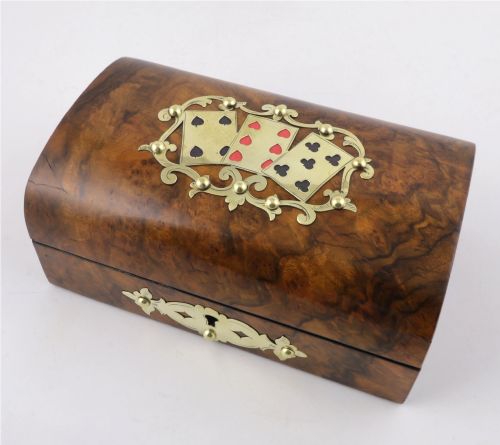
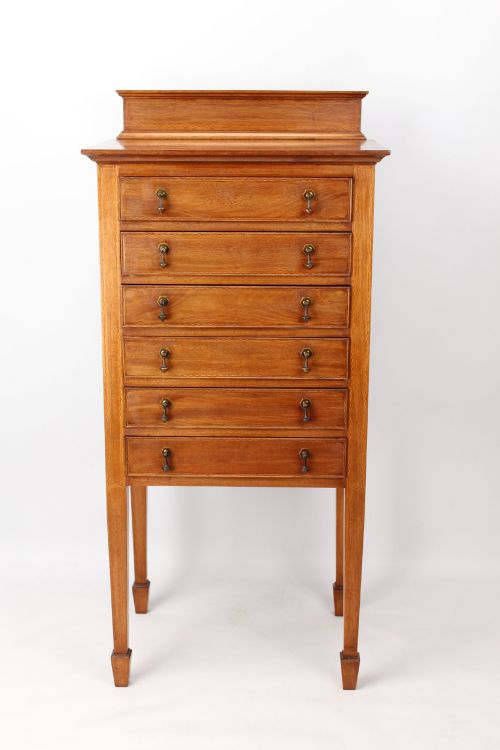
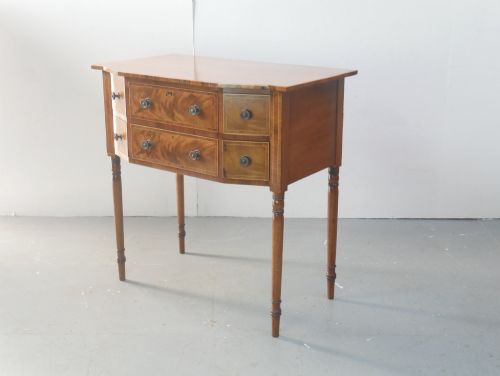
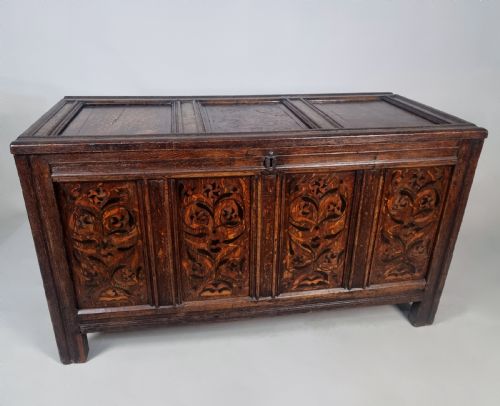
An inlaid wooden chest encompasses a varied group of storage forms including blanket boxes, collectors cabinets and multi-drawer commodes. Pieces span the eighteenth, nineteenth and Victorian periods, reflecting Georgian restraint alongside elaborate revival styles.
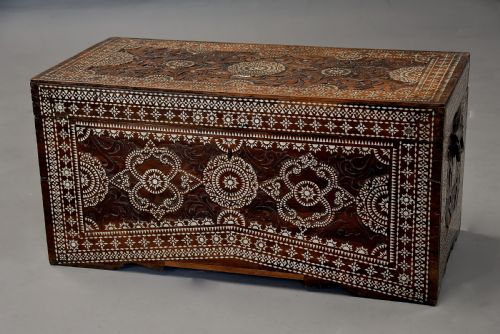
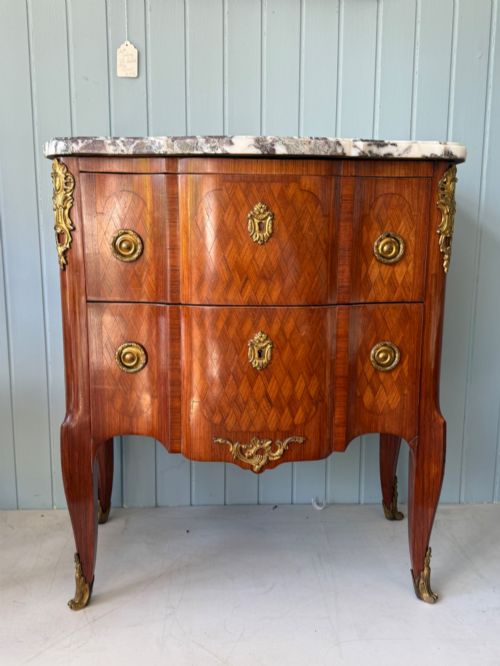
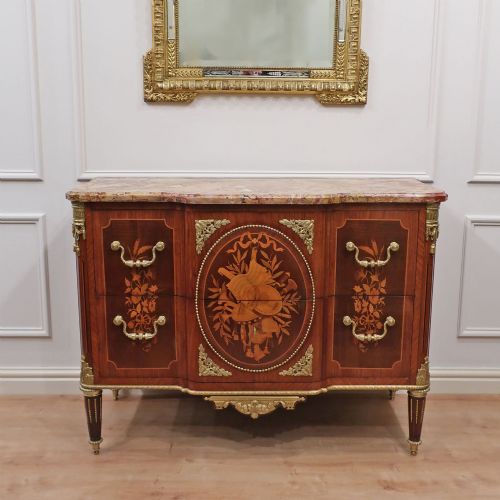
The version most commonly met on this page is the nineteenth century chest or box featuring decorative marquetry or parquetry. These examples range from compact French commodes with marble tops to larger Chinese camphor wood storage trunks.
Makers and artisans employed diverse native and exotic timbers to construct these storage items. Walnut, rosewood, fruitwood and satinwood provide the primary ground for contrasting geometric patterns and floral motifs.
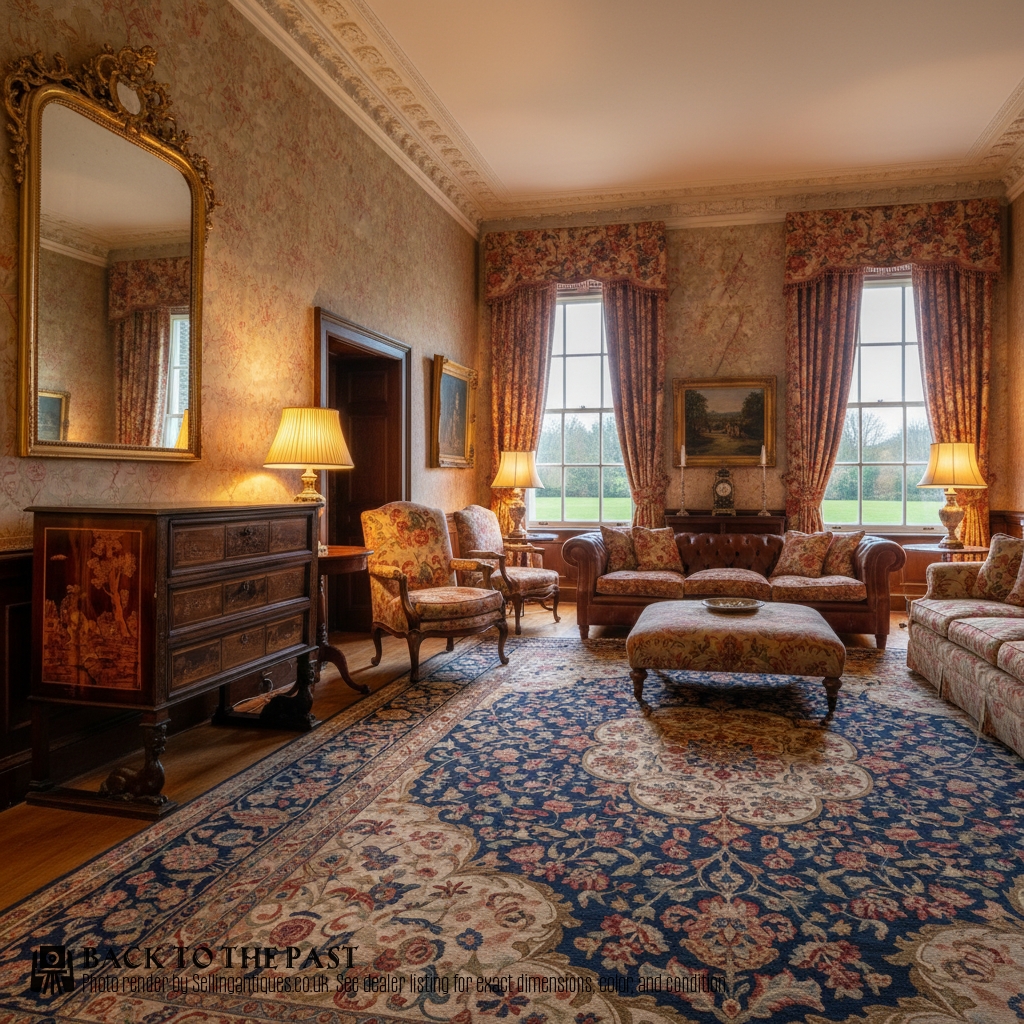
Materials and construction
Craftsmen built these pieces using solid woods and structural carcases faced with fine veneers. Surface decoration relied on intricate wood inlay, parquetry and marquetry pictures.
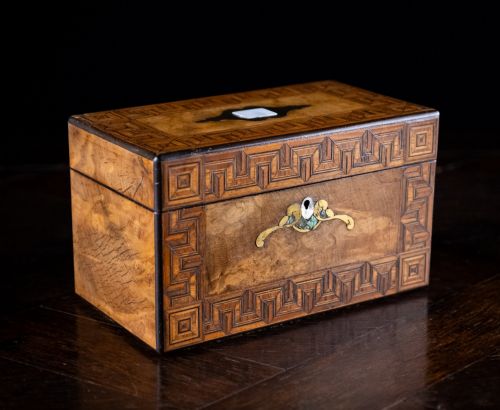
Artisans embellished selected surfaces with contrasting brass and mother of pearl elements. Marble tops appeared on specific continental commodes, adding weight and a smooth display surface.
Retail Price Guide 2026
Typical UK retail prices for inlaid wooden chest, calculated from the Sellingantiques database of over a million retail prices indexed since 2003. This retail price guide relies exclusively on Sellingantiques data; no external sources or auction records are used, so the figures do not describe the wider market.
Listings feature items from the eighteenth, nineteenth and Victorian periods, constructed in walnut, rosewood, fruitwood, satinwood and camphor wood.
Judging quality
Quality rests upon the precision of the timber selection and the complexity of the veneer work. Sharp geometric alignment in parquetry and delicate shading in floral marquetry separate finer examples from simpler storage boxes.
The integration of secondary materials like brass stringing and mother of pearl dictates the refinement of a piece. Superior execution is visible where inlay remains flush with the surrounding timber grain.
The Inlaid Wooden Chest Glossary
- Marquetry
- A decorative technique applying pieces of veneer to a structural surface to form picture designs. Artisans cut various tinted woods to build up floral or figurative scenes.
- Parquetry
- Geometric mosaic woodwork forming repeating patterns like cubes or herringbone. This technique creates durable and visually striking tabletops and box lids.
- Commode
- A low French chest of drawers standing on legs. These items frequently feature marble tops and shaped serpentine fronts.
- Camphor wood
- An aromatic timber utilised for storage trunks and blanket boxes. Its natural scent acts as a deterrent against insects.
Frequently Asked Questions
What is an inlaid wooden chest used for?
These items serve primarily for storage while acting as decorative furniture within domestic spaces. Tea caddies and collectors cabinets house smaller precious objects, whereas larger blanket boxes store textiles.
Commodes and multi-drawer chests provide functional bedroom or living area storage. Their decorative surfaces allow them to function as display tables for lamps and ornaments.
How do I date an inlaid wooden chest?
Dating relies on examining the construction methods, timber choices and prevailing design styles. Georgian pieces often display restrained satinwood veneers, while Victorian examples embrace heavier walnut and diverse revival influences.
Secondary woods inside drawers and the style of brass hardware offer further clues to the decade of manufacture. Comparing the decorative motifs to known period styles confirms the age.
How do I care for inlaid wood?
Maintain stable humidity and temperature levels to prevent the timber and delicate veneers from warping or cracking. Keep pieces away from direct sunlight and heat sources.
Apply a light application of appropriate wax polish periodically to nourish the wood and preserve the lustre of the inlay. Avoid using liquid cleaners or silicone sprays on antique surfaces.
What is the difference between marquetry and parquetry?
Marquetry involves arranging veneers to create pictorial scenes, such as flowers, landscapes or scrolls. The cut pieces flow into complex organic shapes across the surface.
Parquetry uses geometric shapes like squares, triangles and diamonds to form repeating mathematical patterns. This method produces regular tiled designs across panels and box lids.