




Vintage Coin Cabinet
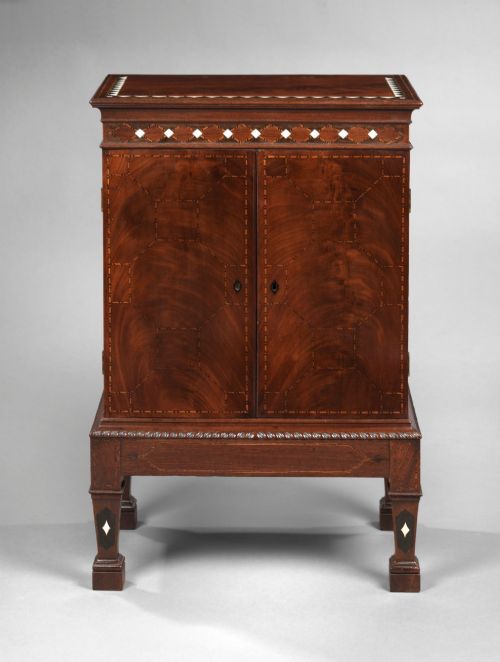
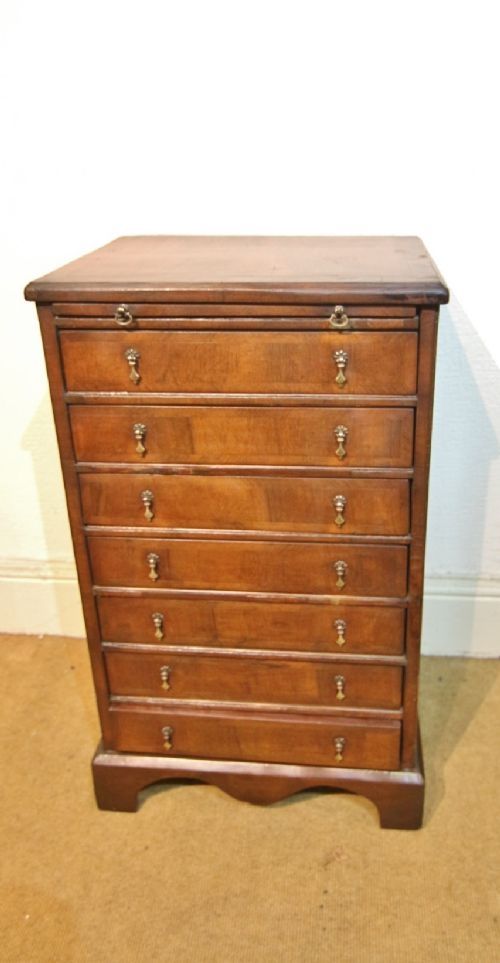
A vintage coin cabinet provides structured, secure storage for small treasures, pairing dense timber construction with neat banks of shallow drawers.
Vintage Coin Cabinet
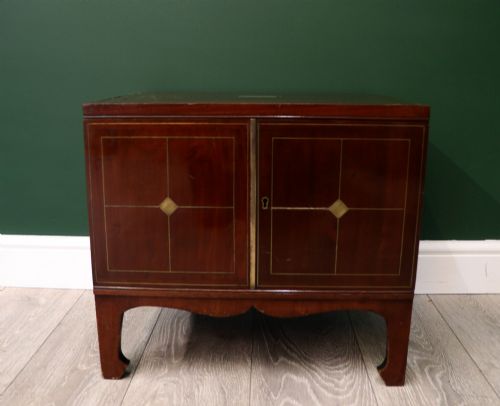
A vintage coin cabinet is primarily found as a robust collectors cabinet, specimen cabinet, or miniature chest of drawers spanning the Georgian, Victorian, and Edwardian eras. These pieces typically feature multiple shallow horizontal drawers designed specifically to hold small objects safely.
Mahogany and oak dominate the selection, often accompanied by walnut, satin walnut, and deal. Cabinets frequently incorporate brass drop handles, brass campaign inlays, or glass fronts to protect the contents while keeping them visible.
Buyers encounter variations ranging from rustic country oak pieces to large, multi-drawer institutional banks built around nineteen hundred. Smaller specimens and campaign-style examples appear alongside substantial thirty or forty drawer workshop pieces.
How they were made
Cabinet makers utilised dense hardwoods such as mahogany, oak, and walnut to build the primary carcases and drawer frames. These timbers resisted warping and provided the structural integrity required to support numerous close-fitting drawers.
Secondary materials like deal and pitch pine formed internal drawer sides and backs, while brass fixtures provided functional hardware for lifting and locking. Bone inlay and glass panelling appeared on select pieces for decorative contrast and visibility.
One unexpected survivor on the market is a cigarette vending cabinet, proving that small-scale compartmentalised storage took many forms.
What varies in quality
The precision of the drawer fit distinguishes workshop standards, where tight tolerances prevent dust from reaching the contents. Superior examples maintain smooth runner action across dozens of shallow compartments without binding.
Timber selection and finish determine visual hierarchy, separating utilitarian stained deal from figured mahogany or polished English oak. The presence of original hardware, working locks, and maker signatures elevates the standing of an individual piece.
Brady of Edmonton·Charles William Schofield·J.T. Crockett
The Vintage Coin Cabinet Glossary
- Collectors cabinet
- A piece of furniture fitted with multiple shallow drawers designed to organise and display small specimens. These units protect delicate items behind closed doors or glass panels.
- Campaign style
- Furniture constructed with recessed brass handles and reinforced corners for easy transport during travel. This robust aesthetic appears on selected timber cabinets.
- Deal
- A traditional term for fir or pine timber used widely in secondary framing and drawer construction. It provides a lighter alternative to dense hardwoods.
- Specimen case
- A compact cabinet housing small natural history or man-made objects for study. These cases emphasise visibility and secure internal storage.
Vintage Coin Cabinet: Frequently Asked Questions
What were vintage coin cabinets originally used for?
These cabinets served scholars, naturalists, and numismatists who needed to organise extensive reference collections of small items. The shallow drawers kept delicate objects separated, stationary, and protected from dust and light.
Over time, collectors adapted these versatile chests for various miniature treasures, medals, and specimens. The modular drawer layout made classification straightforward and systematic.
How do I identify the period of a cabinet?
Dating relies on timber choice, construction methods, and hardware styles found across the piece. Georgian and Victorian examples typically show hand-dovetailed drawer joints and heavier mahogany or oak carcases.
Later pieces from around nineteen hundred often incorporate pitch pine, satin walnut, or machine-cut components. Maker stamps or labels inside the drawer rims also help confirm the exact era of manufacture.
Are the drawers usually lined with fabric?
Original interiors often feature bare polished wood, while others retain remnants of historical baize or velvet linings. Collectors frequently replace deteriorated linings to protect sensitive metal objects from chemical reactions.
When inspecting a cabinet, check the interior timber floors for signs of wear or old adhesive. Unlined drawers remain common in scientific specimen chests and coin cabinets.
How should I care for a wooden cabinet?
Keep timber pieces away from direct heat sources and dramatic humidity fluctuations to prevent wood movement and splitting. Regular dusting with a dry, soft cloth maintains the polished finish without building up residues.
Apply a traditional beeswax polish sparingly only when the wood appears dry. Avoid modern silicone sprays that can permanently damage antique timber finishes.