





Walnut Apothecary Chest
A walnut apothecary chest brings practical compartmentalised storage into a modern room, offering distinct historical character.

Walnut Apothecary Chest
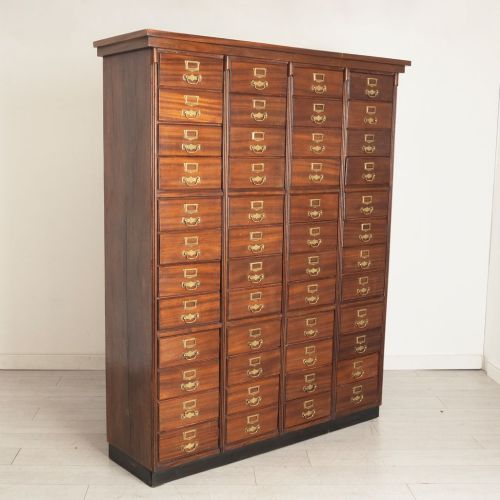
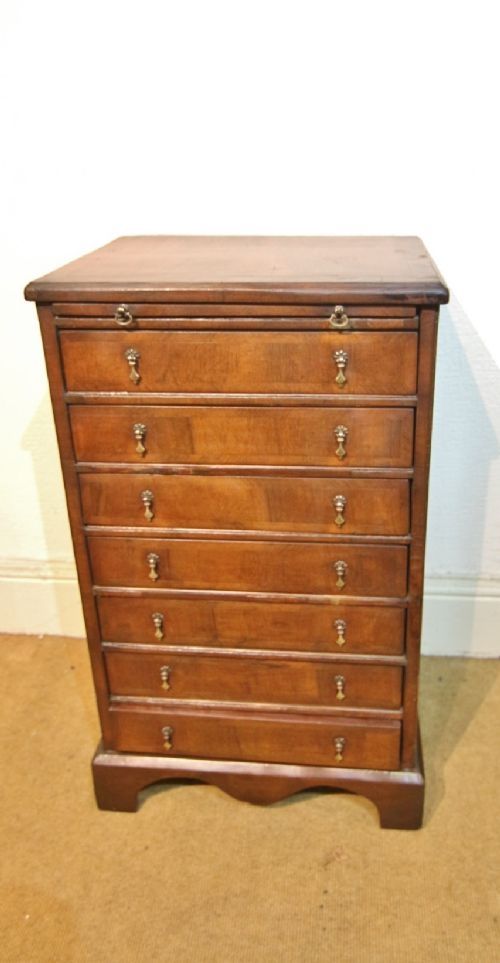
A walnut apothecary chest serves as a compact storage unit featuring multiple small drawers originally intended for medicines, herbs, or specimens. Buyers searching for a walnut apothecary chest encounter various configurations including collectors cabinets, banks of drawers, and dentist cabinets.
The pieces span several periods, reaching from eighteenth-century Spanish examples through Victorian creations up to Edwardian bank chests. Most items found here originate from the nineteenth century, displaying the characteristic dark timber tones and functional internal layouts expected of period storage furniture.
Materials and construction
Construction relies primarily on solid walnut and burr walnut, often paired with secondary timbers such as fruitwood, satin birch, and red walnut. Selected pieces incorporate contrasting materials like marble tops or metal handles and fittings.
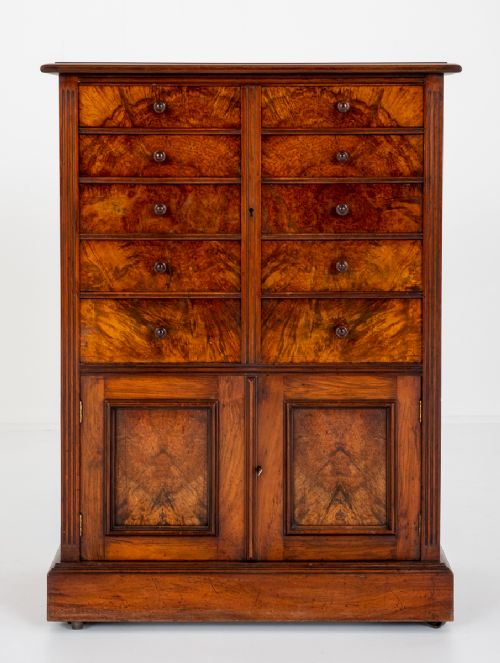
Cabinetmakers utilised traditional joinery to build multi-drawer carcases capable of supporting numerous small compartments. Drawer fronts frequently display the rich grain patterns inherent in burr walnut veneers.
One archived chest bore the label of Thompson and Capper, connecting domestic homeopathy directly to Victorian apothecary retail trade.
Assessing quality in period chests
Quality shows in the selection of timber veneers, where highly figured burr walnut commands greater visual presence than plain surfaces. The integration of secondary woods like satin birch or fruitwood also influences the overall aesthetic appeal of the piece.
Fine construction is evident in the precise fit of multiple drawers within a bank or collectors cabinet. The retention of original brass hardware and fitted internal compartments further distinguishes superior examples.
The Walnut Apothecary Chest Glossary
- Burr walnut
- A prized timber harvested from walnut tree growths, displaying complex swirling grain patterns. It is frequently sliced into veneers for furniture facades.
- Bank of drawers
- A multi-drawer storage unit containing numerous shallow compartments arranged in columns or rows. These pieces were originally designed for organising small items.
- Collectors cabinet
- A specialised storage chest built with multiple small drawers for displaying or sorting specimens. Examples often feature secure locking doors.
- Satin birch
- A pale decorative wood utilised for secondary elements or internal linings within nineteenth-century cabinets. It offers a bright contrast to darker exterior walnut.
Walnut Apothecary Chest: Frequently Asked Questions
What is an apothecary chest?
An apothecary chest is a small cabinet fitted with numerous drawers designed to store medical ingredients, dried herbs, or pills. These units allowed practitioners to keep remedies organised and accessible.
Over time, these practical pieces transitioned into domestic settings for storing small household items, sewing supplies, or collections.
How do I date a walnut chest?
Dating relies on examining construction methods, timber choices, and stylistic cues present in the hardware and mouldings. Victorian pieces often display heavier proportions and burr veneers, while eighteenth-century examples show different joinery techniques.
Comparing the secondary woods and drawer linings also helps establish the era of manufacture.
Where can I place this chest?
These compact chests fit well on top of sideboards, desks, or tables where their numerous small drawers remain easily accessible. They suit studies, hallways, or living rooms as feature storage.
Ensure the surface is level and stable enough to support the weight of solid timber and multiple drawers.
How do I clean walnut furniture?
Dust the timber regularly with a soft, dry cloth to prevent dirt accumulation on the carved or flat surfaces. Avoid using harsh chemical sprays or excess water on antique wood finishes.
Applying a traditional beeswax polish occasionally helps nourish the walnut grain and maintain its natural lustre.