


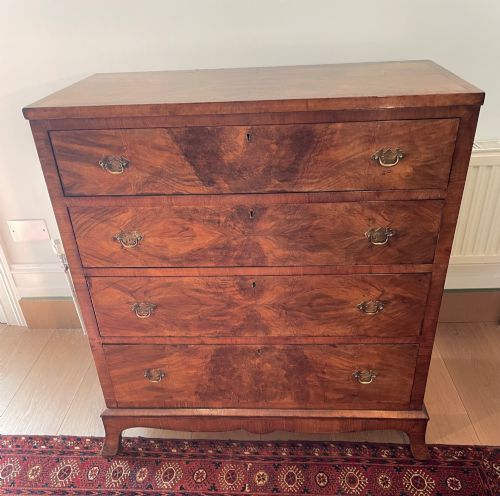
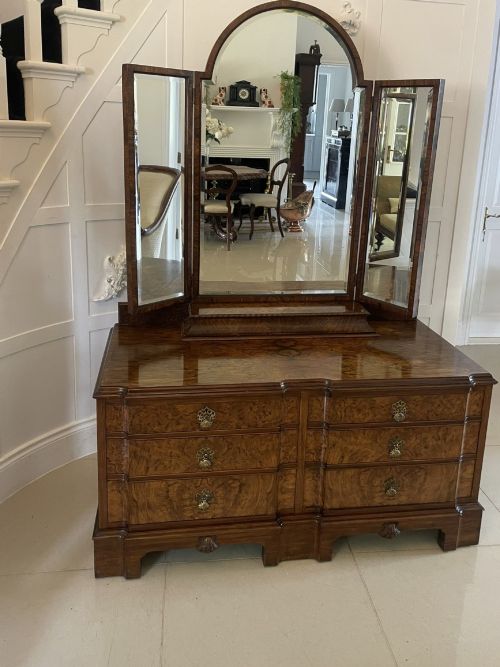
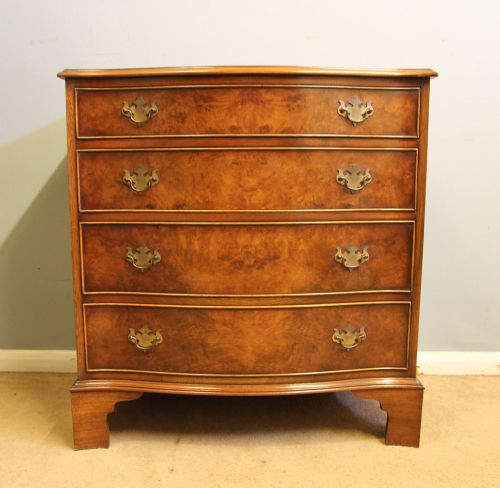
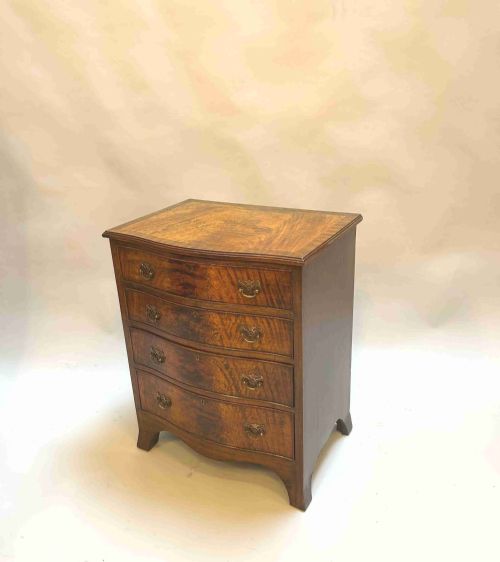
Georgian Style Walnut Chest
A georgian style walnut chest brings rich timber and classical proportion into a room, offering practical storage with distinct period character.

Forms and periods
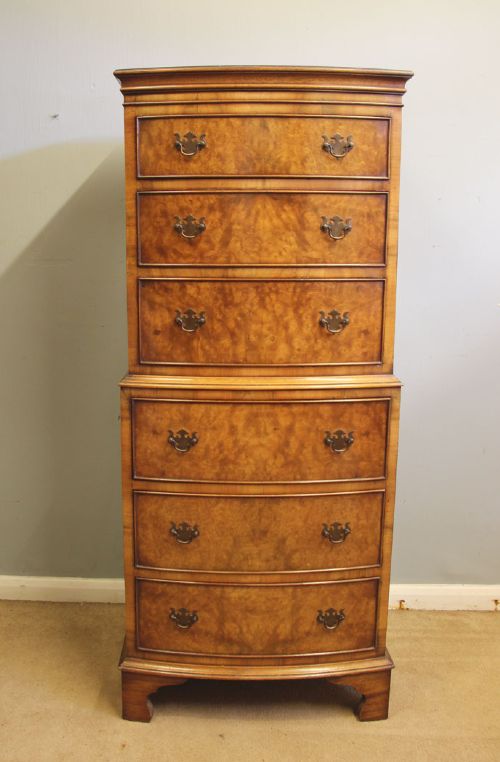
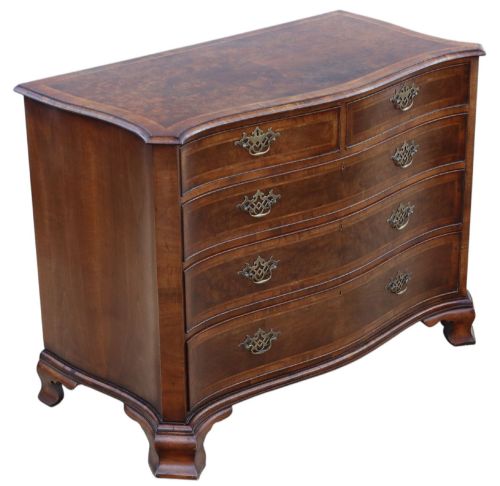
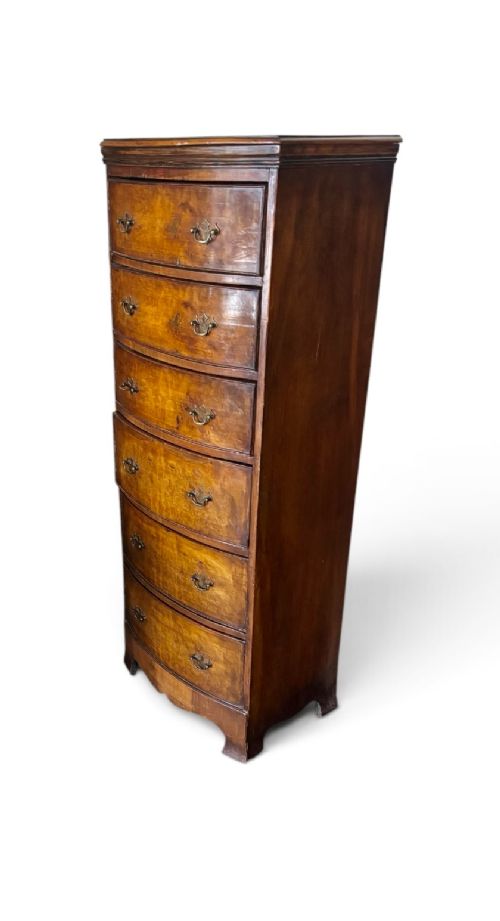
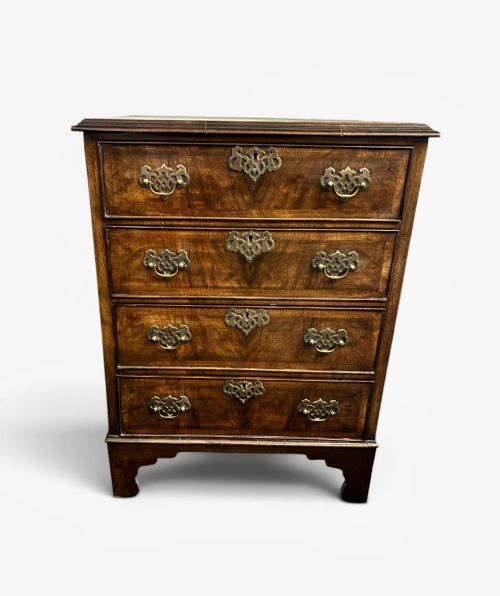
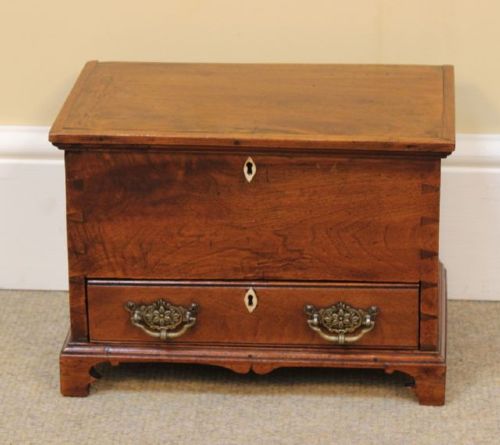
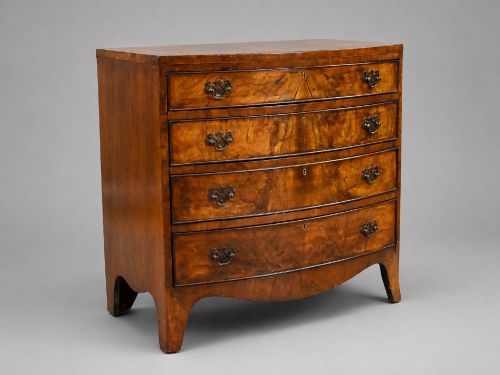
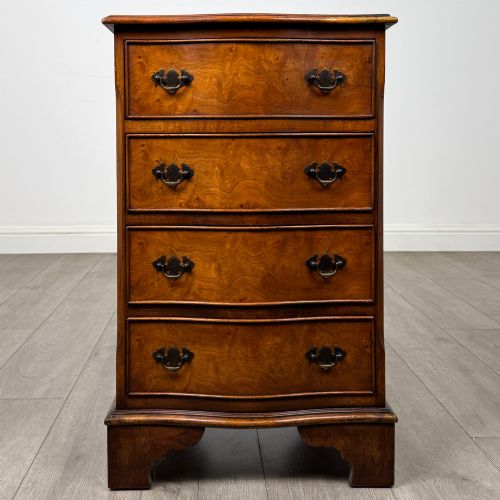
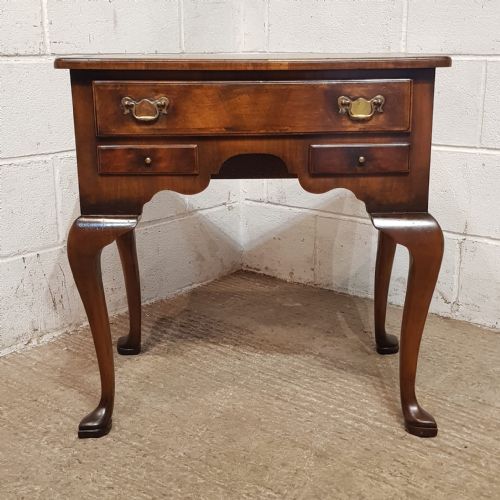
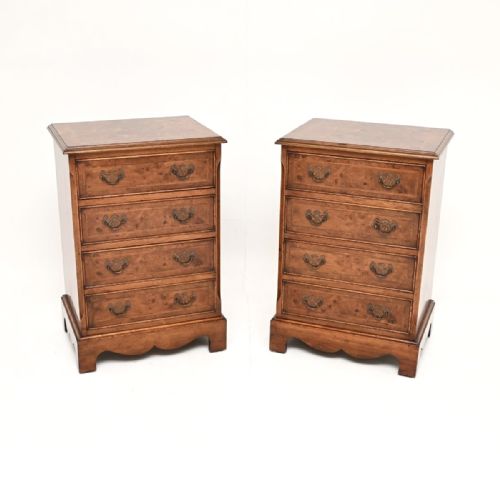
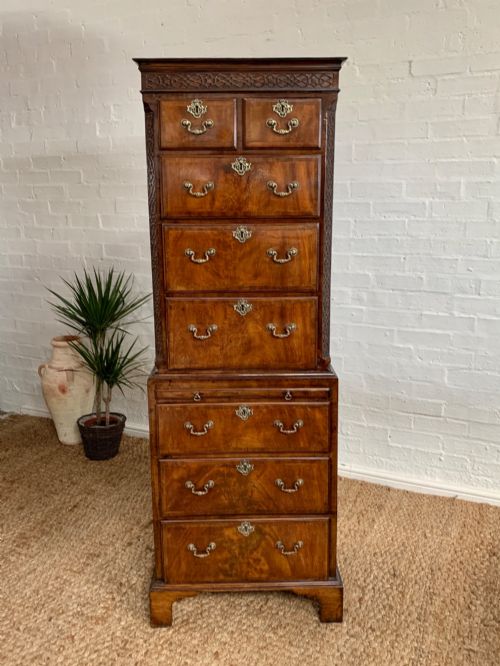
A georgian style walnut chest represents a lineage of domestic storage spanning from revival pieces of the early twentieth century back to continental examples of the eighteenth century. The selection encompasses standard chests of drawers, taller chest on chest configurations, commodes, and bedside variants.
Most pieces seen here reflect revival movements, particularly the early twentieth century and the George V era, alongside authentic eighteenth-century continental work and nineteenth-century examples. These items utilise walnut, burr walnut, and pine, often paired with brass hardware.

Materials and construction
Makers utilised figured and burr walnut veneers to create striking grain patterns across drawer fronts and top surfaces, laid over stable secondary woods such as pine. Crossbanding and inlay work frequently define the borders of panels and drawers.
Hardware such as drop handles and escutcheons are typically cast in brass, secured to drawers constructed with traditional joinery methods suited to the period of manufacture.
Retail Price Guide 2026
Typical UK retail prices for georgian style walnut chest, calculated from the Sellingantiques database of over a million retail prices indexed since 2003. This retail price guide relies exclusively on Sellingantiques data; no external sources or auction records are used, so the figures do not describe the wider market.
Listings feature walnut, burr walnut, brass, and pine across items dated from 1700 to 1920.
Distinctions in craftsmanship
Quality rests in the selection of the timber veneers, where symmetrical burr patterns and thoughtful crossbanding elevate the visual impact of the piece. The handling of serpentine or bow front contours requires precise woodworking skill.
Proportion and the retention of original brass fittings and patination separate standard production items from finer revival workshops and period originals.
Heals of London
The Georgian Style Walnut Chest Glossary
- Burr walnut
- A wood harvested from walnut tree growths, producing intricate, swirling grain patterns highly valued for veneering.
- Chest on chest
- A tall storage unit comprising one chest stacked directly upon a larger lower chest, sometimes called a tallboy.
- Serpentine
- A front contour characterised by a convex centre flanked by concave curves, demanding high skill in cabinetmaking.
- Crossbanding
- A narrow strip of veneer laid perpendicular to the surrounding grain to frame a drawer front or top.
- Commode
- A low chest of drawers or cabinet, frequently associated with continental European styles of the eighteenth century.
Frequently Asked Questions
What is a georgian style walnut chest?
These are storage units built to mimic or descend from eighteenth-century English furniture fashions, utilising walnut timbers and traditional drawer configurations.
They appear in various formats, from low bedside cabinets to large tallboys and serpentine commodes.
How do I spot a revival piece?
Revival items, often dating around the early twentieth century or the George V period, combine historical silhouettes with twentieth-century construction traits.
Examination of secondary woods, interior linings, and finishing techniques helps clarify the precise age of the chest.
Where were these chests placed?
Bedrooms served as the primary location for these chests, providing storage for garments and personal linens.
Smaller variants also functioned in dressing rooms, studies, and hallways as surface tables or compact drawer units.
How do I care for walnut veneer?
Walnut requires stable indoor humidity away from direct heat sources to prevent the delicate veneers from lifting or splitting.
Routine dusting with a dry cloth maintains the finish without moisture damage.