

Walnut Bedroom Drawers
Walnut bedroom drawers offer warm grain and rich colour, ranging from early eighteenth-century chests to art deco bedside tables.
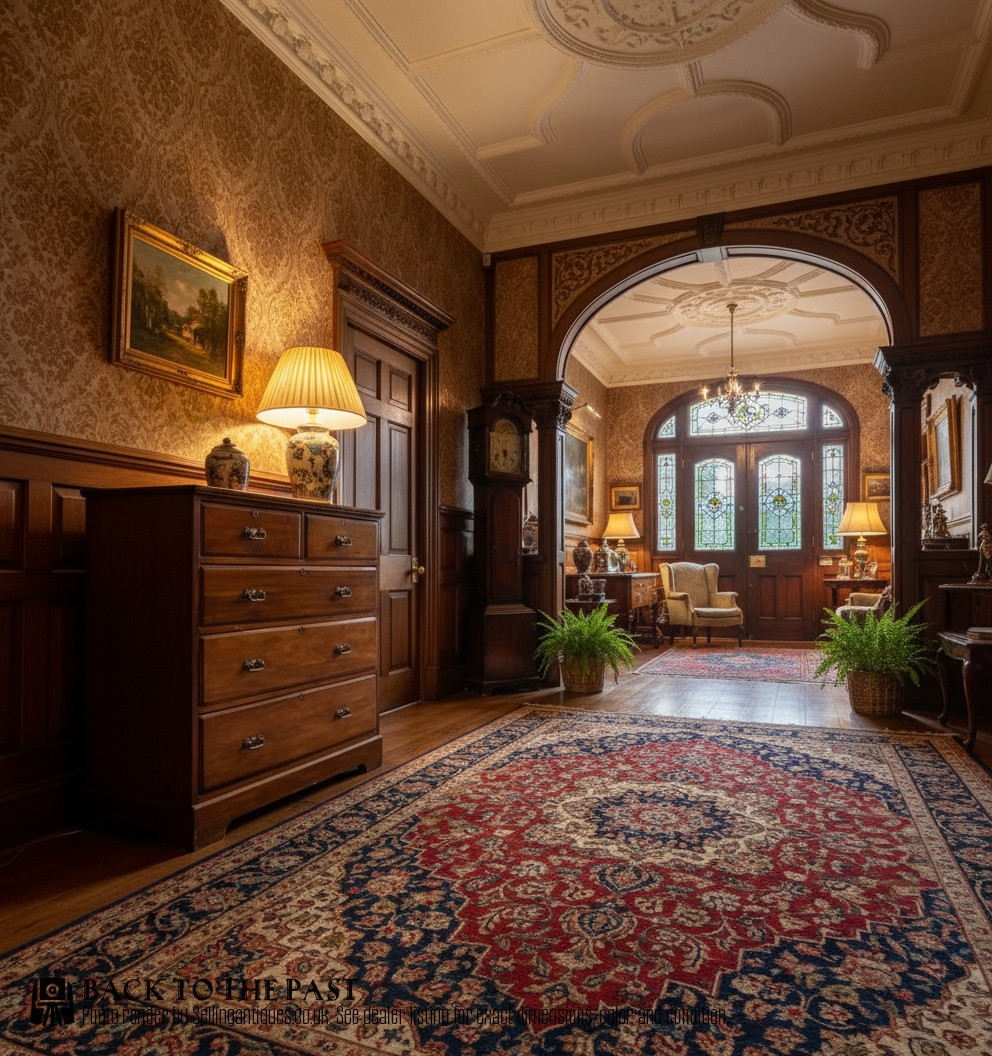
Walnut Bedroom Drawers
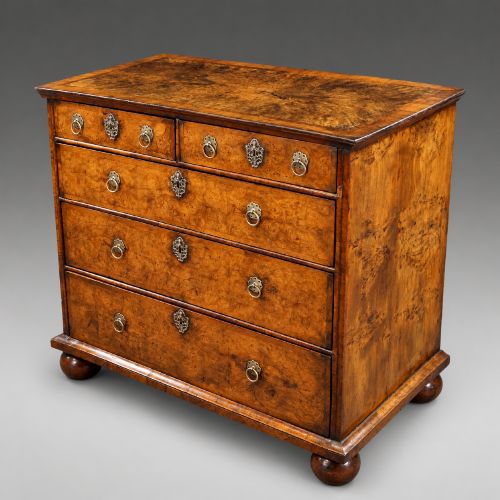
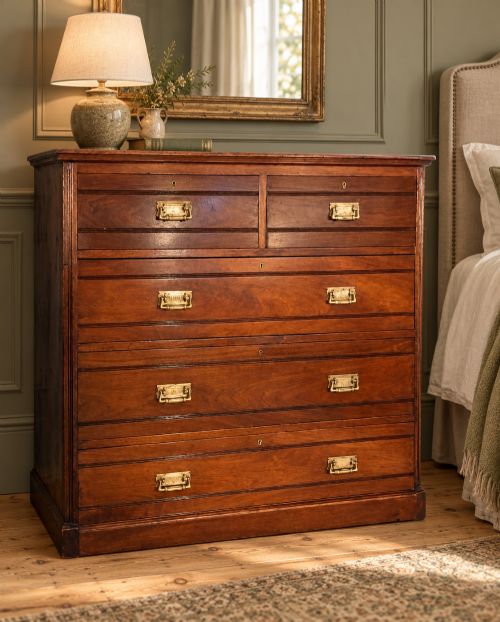
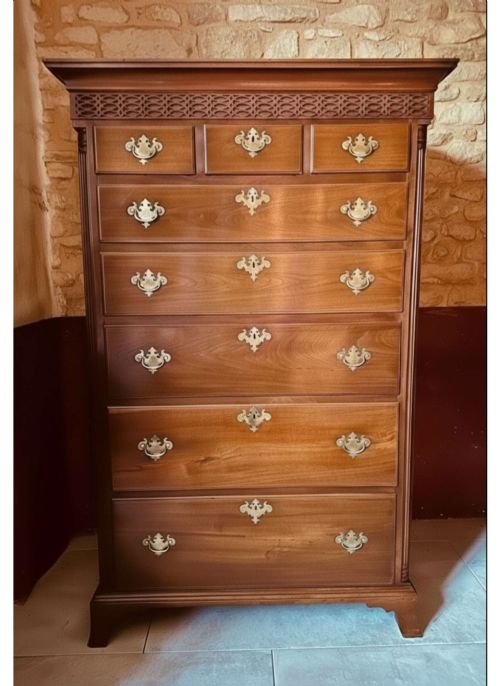
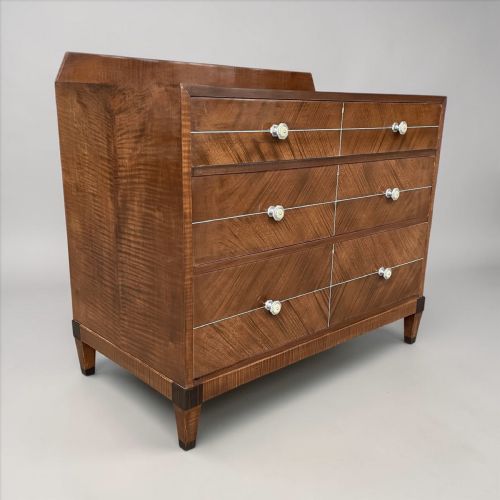
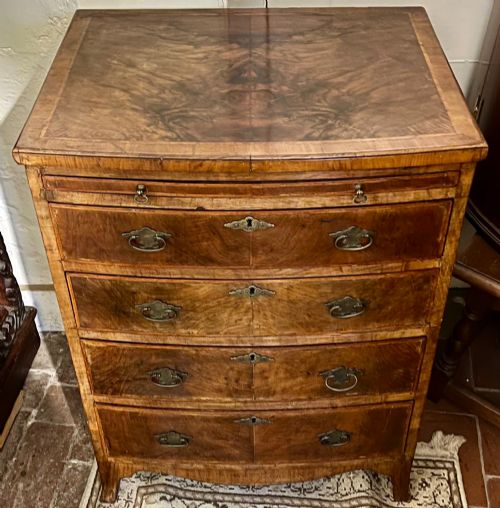
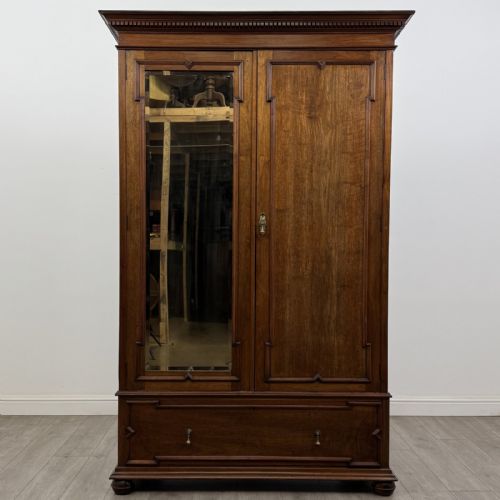
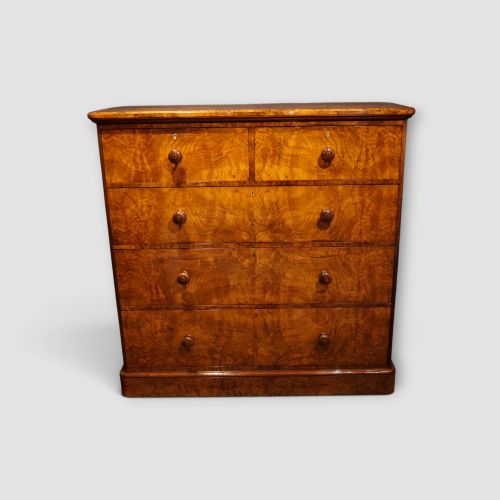
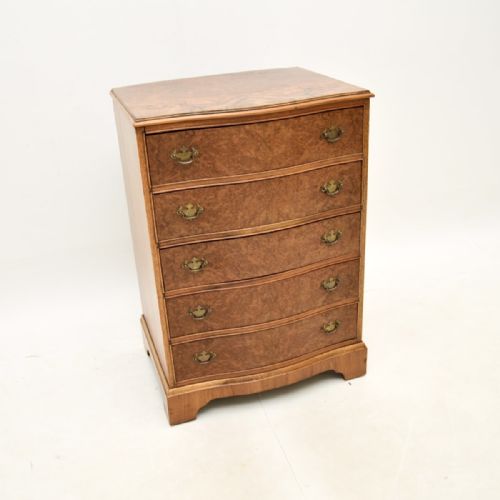
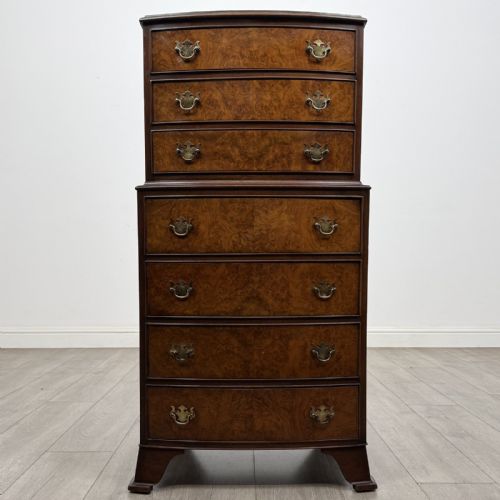
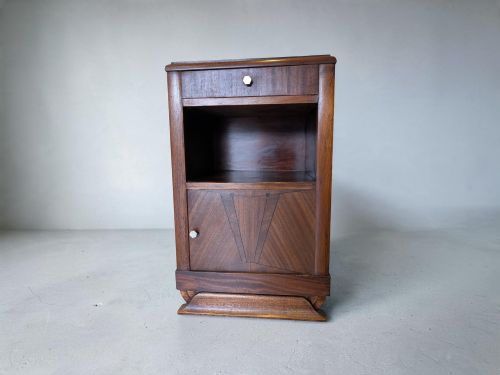
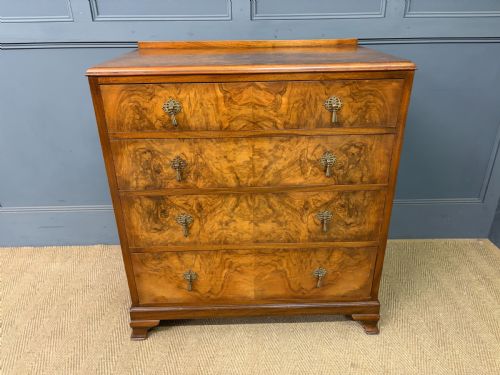
Walnut bedroom drawers comprise chests of drawers, tallboys, linen presses, and bedside tables created for domestic storage across several centuries. The selection includes formal Georgian pieces alongside twentieth-century art deco and revival designs.
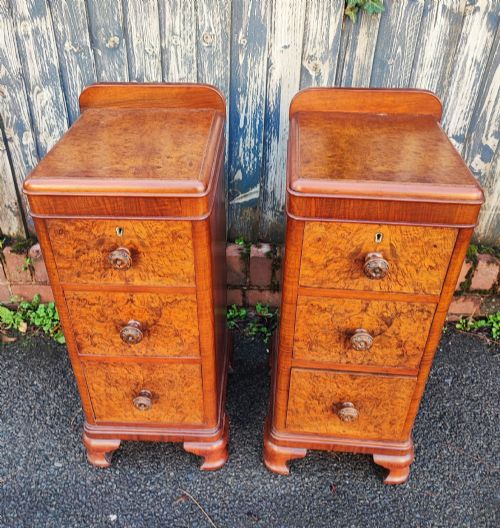
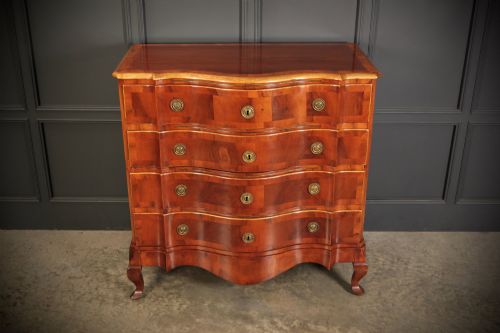
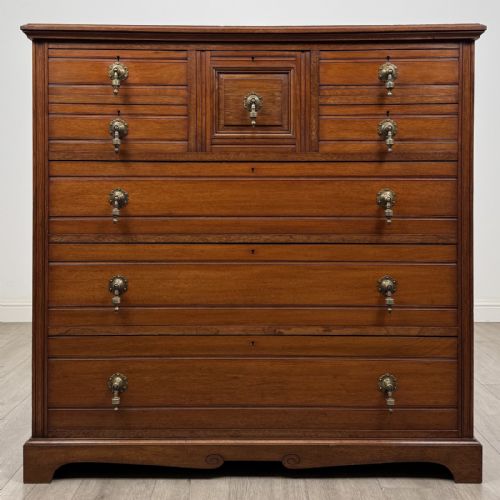
Early examples originate from the eighteenth century, showing simple drawer arrangements or tall chest-on-chest forms. Later Victorian and Edwardian iterations bring alternative proportions, while nineteen-twenties and thirties pieces lean towards bow fronts and burr veneers.
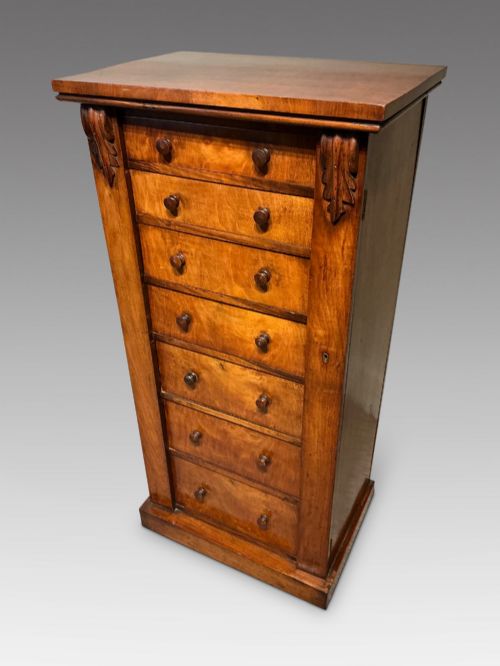
Buyers will encounter various forms, from small lamp tables to massive Wellington chests with side-locking mechanisms. The surviving material spans plain timber, figured surfaces, and elaborate crossbanding.
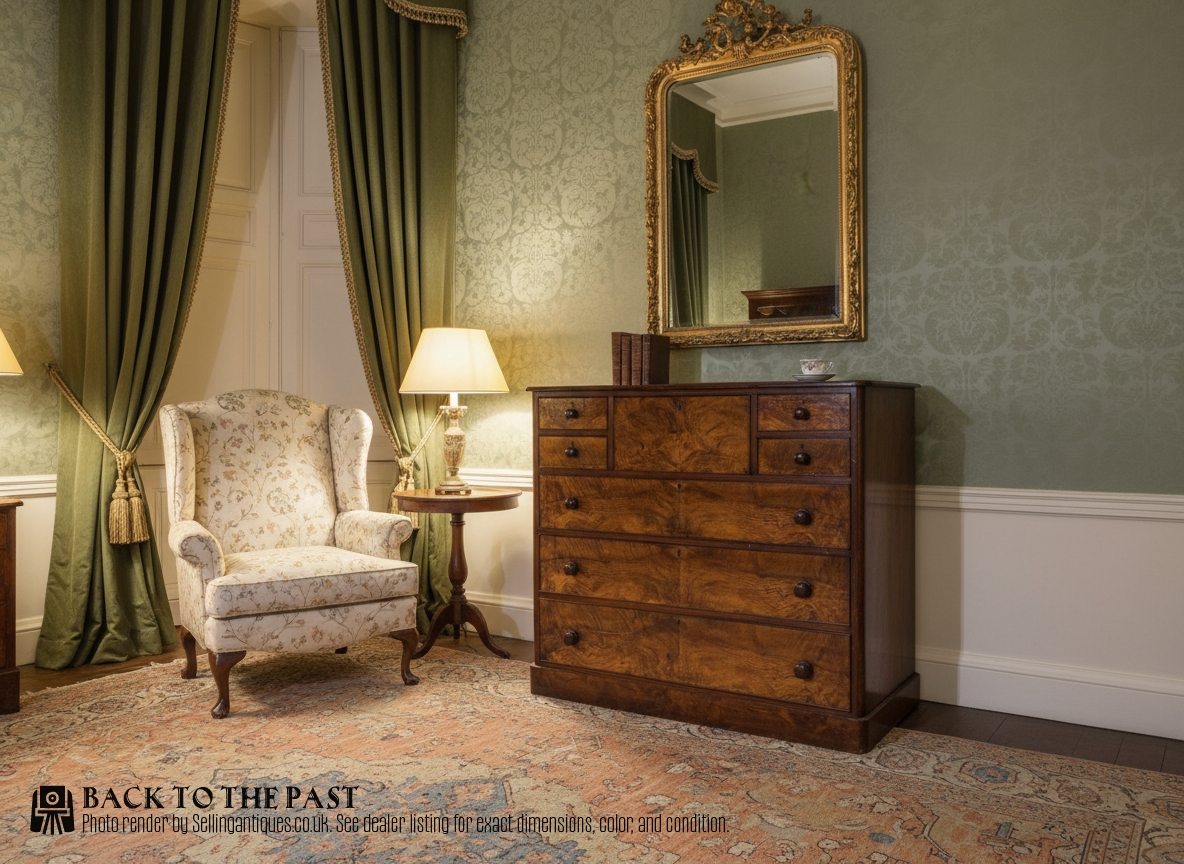
How they were made
Cabinet makers utilised solid walnut alongside walnut veneer, applying thin slices of timber over secondary woods like oak to display striking grain patterns. Burr walnut and figured walnut provided decorative surfaces on drawer fronts and top panels.
Brass handles, escutcheons, and keyplates accompany the woodwork, secured with traditional dovetail joints on the drawer construction. Secondary elements incorporate oak and metal hardware to support the primary walnut structure.
Walnut Bedroom Drawers Retail Price Guide 2026
Typical asking prices for walnut bedroom drawers among the pieces listed under this phrase on Sellingantiques today, from the lower quarter to the upper quarter. They describe what is for sale here now, not the wider market.
Wellington chests lock all their drawers with a single hinged side bar, keeping midnight diary entries safe from wandering houseguests.
What varies in quality
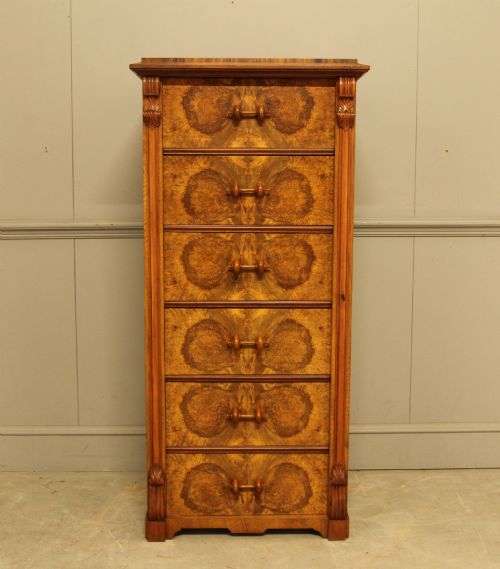
Quality rests upon the selection of the veneer and the skill of the matching across drawer fronts and tops. Pieces displaying continuous, mirrored grain patterns demonstrate greater workshop ambition than those with disjointed surfaces.
The integrity of the construction, the retention of original brass hardware, and the crispness of the mouldings define the standing of individual examples. Refinishing or heavy restoration alters the character of the surface timber.

Jas Shoolbred·Gillows
The Walnut Bedroom Drawers Glossary
- Burr Walnut
- A form of walnut timber taken from the growth on the tree, yielding intricate, swirling grain patterns. Cabinet makers prized this material for decorative drawer fronts.
- Crossbanding
- A narrow strip of veneer laid around the border of a drawer front or top, running perpendicular to the main grain. This technique frames the primary timber surface.
- Wellington Chest
- A tall, narrow chest of drawers secured by a hinged locking stile on one side that fastens all drawers simultaneously. The style originated in the nineteenth century.
- Tallboy
- A chest of drawers stacked vertically, often comprising a lower chest base supporting an upper section. These pieces maximise vertical storage space in bedrooms.
- Dovetail
- A joint formed by interlocking wedge-shaped fingers, used traditionally to secure drawer corners. This method provides long-term structural strength without modern fasteners.
Walnut Bedroom Drawers: Frequently Asked Questions
How do I date a walnut chest?
Dating relies on examining construction methods, timber thickness, and hardware styles. Eighteenth-century pieces show hand-cut dovetails and specific drawer proportions.
Later revival and art deco pieces display twentieth-century manufacturing techniques and distinct veneer treatments.
What is burr walnut?
Burr walnut comes from a tree growth that produces highly figured, swirling patterns in the grain. Craftsmen sliced this wood into veneers for prominent display surfaces.
It differs from straight-grained walnut by offering dense, circular motifs across drawer fronts and table tops.
Are these drawers suitable for daily use?
Solid construction and traditional joinery make these pieces practical for contemporary bedrooms. The drawers slide within framework built for regular domestic service.
Care should be taken with placement away from direct heat sources to protect the historic veneer.
How do I clean walnut furniture?
Maintenance involves dusting with a soft, dry cloth and avoiding modern silicone sprays or harsh chemical cleaners. Preserving the finish requires occasional application of appropriate wax.
Keeping the timber away from direct sunlight prevents the natural colour from fading over time.