
Vintage Document Chest
A vintage document chest organises papers securely, bringing period craft and solid timber into a modern study.
Vintage Document Chest
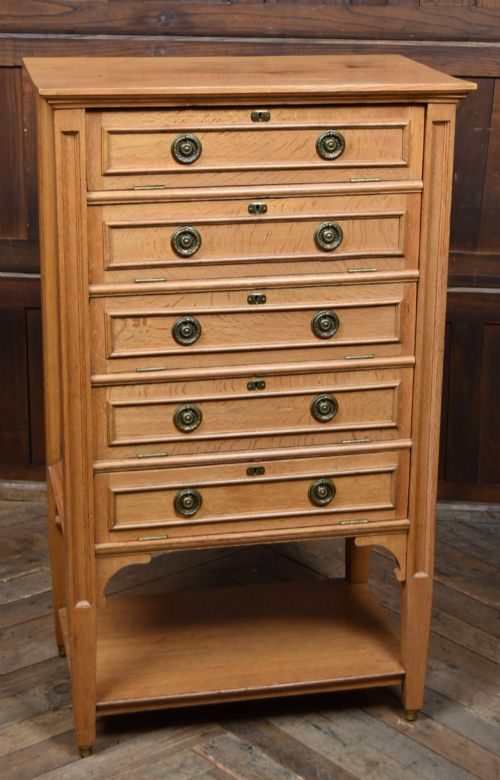
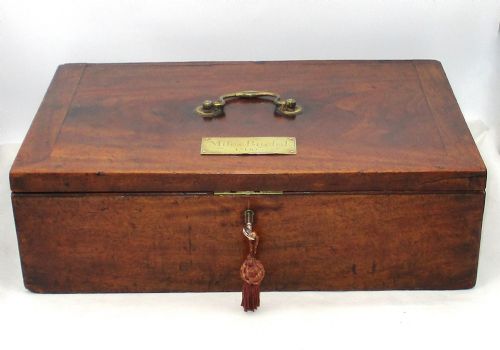
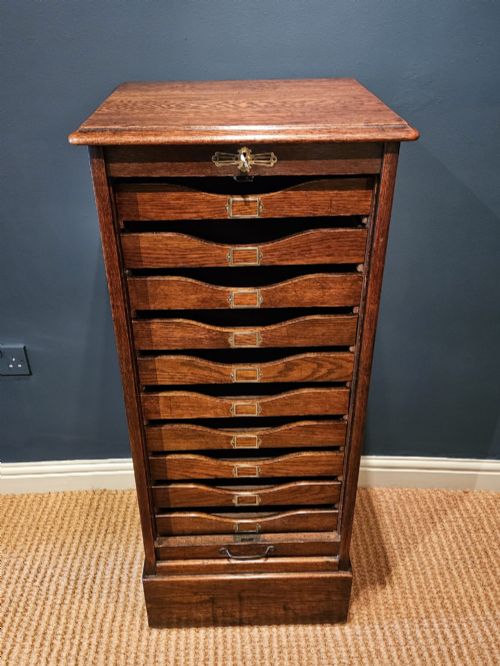
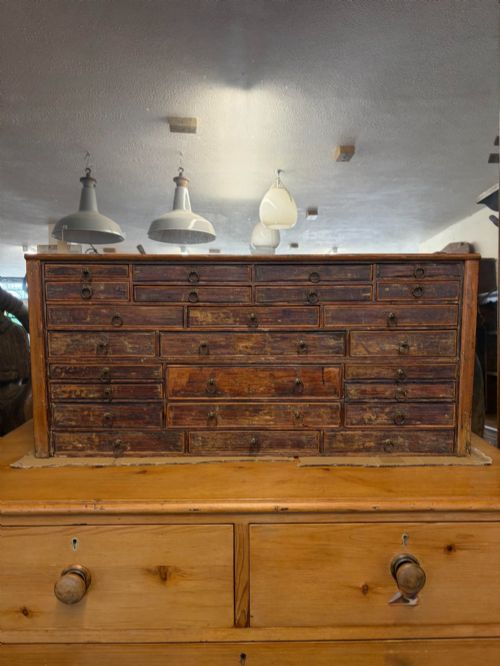
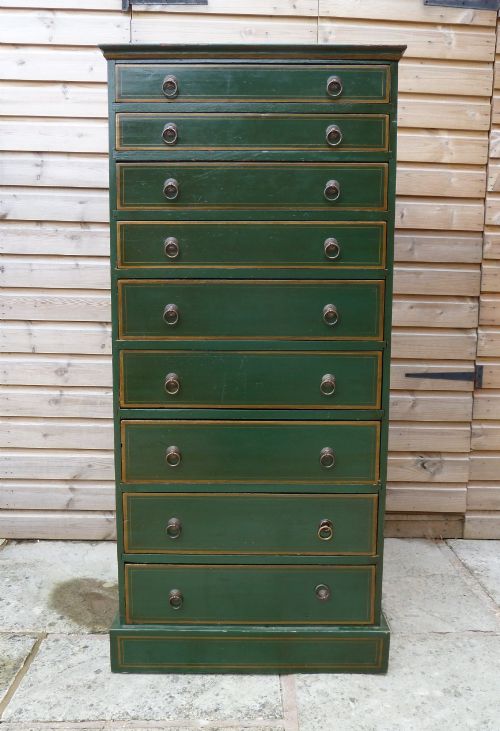
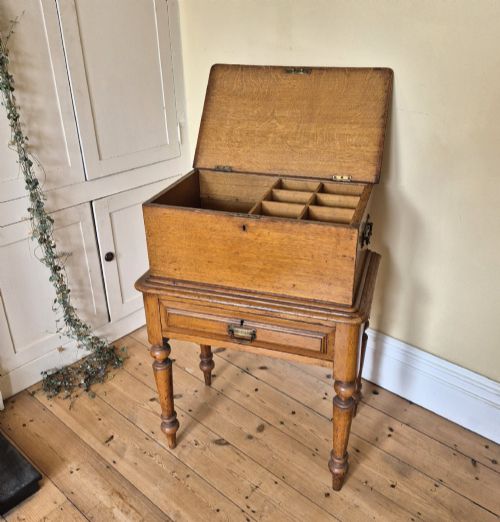
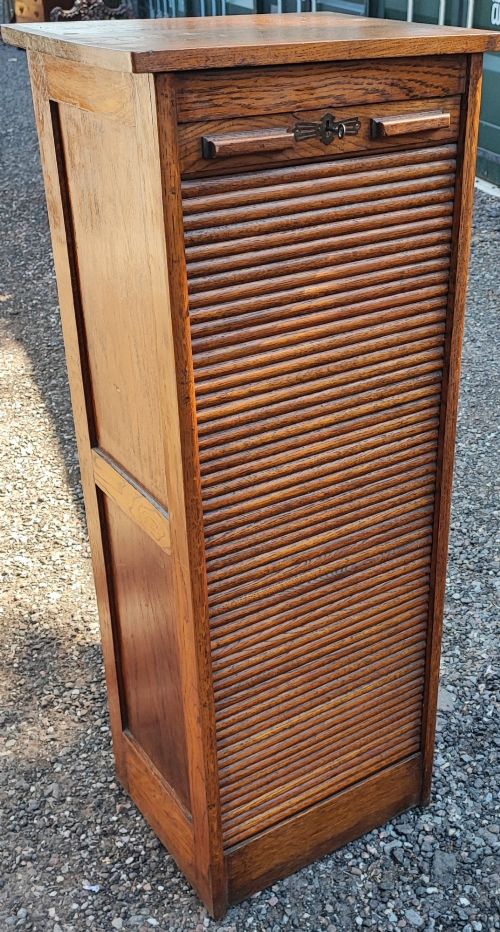
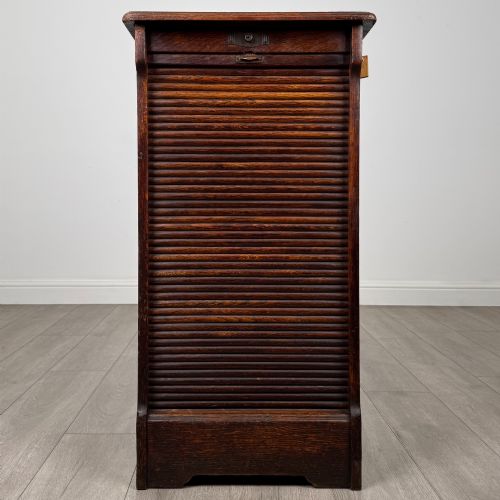
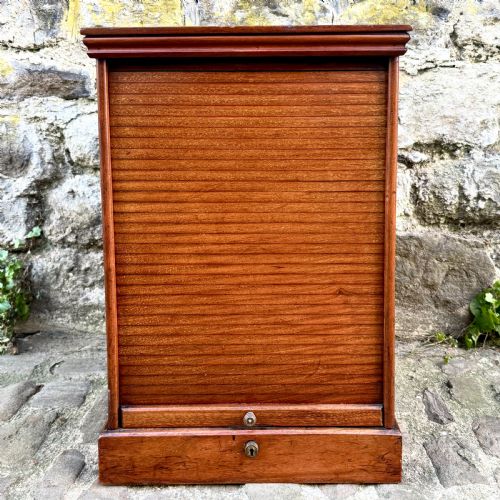
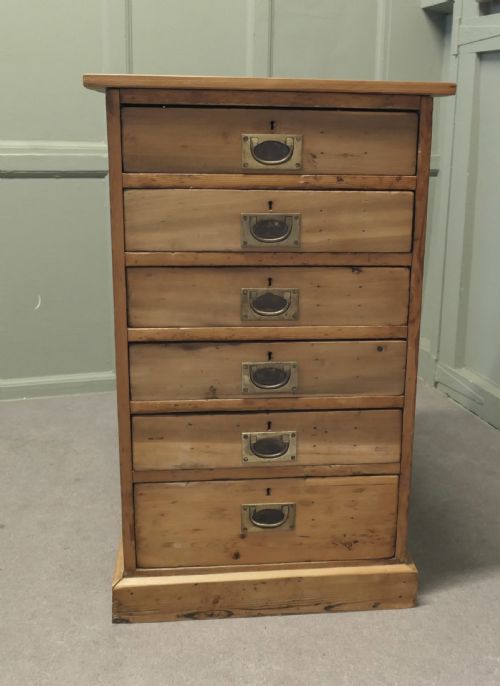
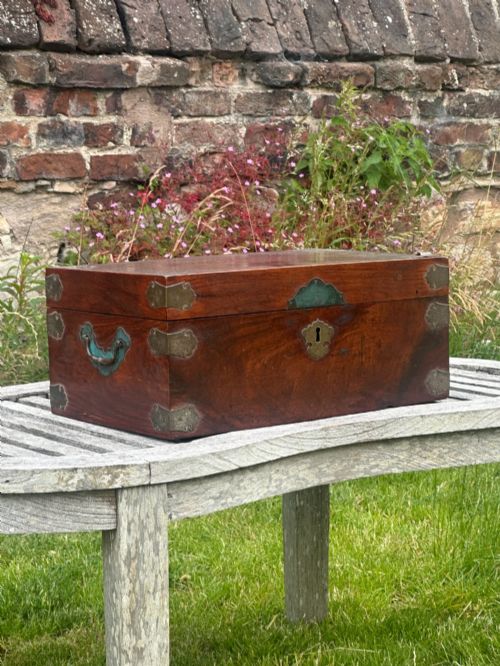
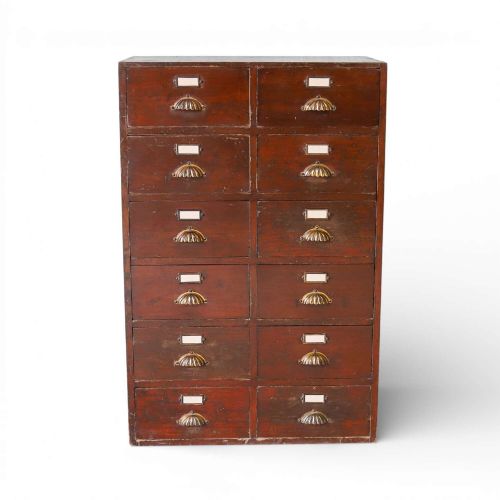
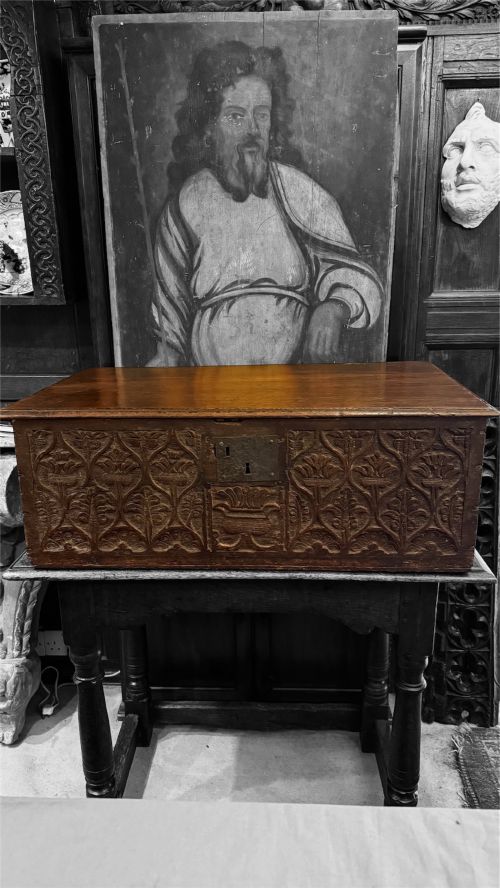
A vintage document chest encompasses various forms designed to store paperwork, deeds and valuables safely across centuries. Buyers searching for a vintage document chest encounter items ranging from compact 17th century oak bible boxes to substantial Edwardian tambour front filing cabinets and multi-drawer banks. These pieces serve practical filing needs while displaying traditional craftsmanship in domestic and office settings.
The selection on this page leans heavily towards sturdy oak, mahogany and pine configurations, reflecting how administrative storage evolved from simple deed boxes into multi-drawer cabinets. Pieces span several eras including the Victorian and Edwardian periods, alongside earlier 17th century specimens. Origin points stretch across British workshops and Scandinavian folk art traditions, offering diverse structural formats.
Materials and construction methods
Cabinet makers built these storage units predominantly using hardwoods like oak, mahogany and walnut, alongside utilitarian softwoods such as pine and elm. Construction often involved dovetail joints for drawer stability and panelled lids to prevent warping in timber boxes. Brass mounts, carrying handles and label holders reinforced corners and added functional durability.
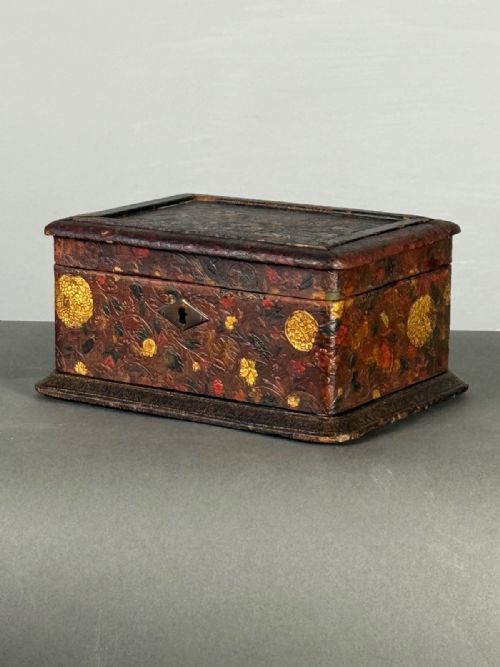
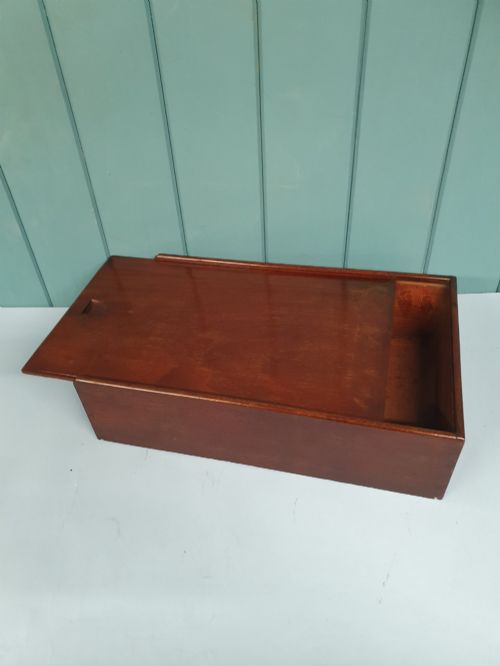
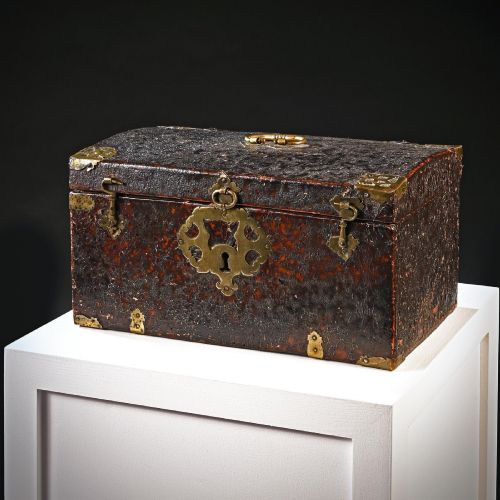
Surface treatments varied widely according to origin and period, encompassing tooled leather coverings, polychrome decoration, iron binding and hand-painted Scandinavian folk art finishes. Tambour fronts utilised narrow wooden slats glued to canvas backings to slide smoothly around curved tracks in office cabinets.
Vintage Document Chest Retail Price Guide 2026
Typical asking prices for vintage document chest among the pieces listed under this phrase on Sellingantiques today, from the lower quarter to the upper quarter. They describe what is for sale here now, not the wider market.
One railway ticket dispensing box on a stand preserves the exact administrative hustle of the late 19th century.
Distinguishing quality in storage pieces
Quality rests upon the selection of timber, the integrity of the joinery and the survival of original hardware such as brass shell pulls, lock plates and hinges. Superior pieces display tight dovetailing, smooth drawer operation and matching grain patterns across exposed surfaces.
The presence of maker details, original interior partitions and specialist mechanisms like sliding lids or tambour doors elevates an item above standard utility storage. Condition is measured by how well the piece retains its structural honesty and surface finish without heavy modern intervention.
SUSSE FRERES PARIS·Luxmore's of Ilfracombe·North Eastern Railway·Austin
The Vintage Document Chest Glossary
- Tambour
- A flexible shutter door constructed from narrow strips of wood attached to a fabric backing. This mechanism allows the door to slide around a curved track to conceal interior filing slots.
- Deed box
- A secure container, frequently bound in brass or iron, utilised historically for holding legal documents and land titles. These boxes often feature reinforced corners and robust locking mechanisms.
- Campaign style
- Furniture designed for portability by military officers, typically featuring recessed brass handles, reinforced brass corners and sometimes dismantling sections. This aesthetic prioritised durability during travel.
- Bible box
- A small, hinged-lid wooden box produced in the 17th century to store sacred texts and important family papers. They frequently exhibit carved decoration on the front panel and sloping lids.
- Writing slope
- A portable desk box featuring an angled writing surface that opens to reveal storage compartments for paper, ink and pens. These items combine writing utility with document storage.
Vintage Document Chest: Frequently Asked Questions
What is a tambour front filing cabinet?
A tambour front cabinet uses slatted wooden doors that glide along recessed tracks to cover interior document shelves. This design saves workspace by eliminating swinging doors.
Such cabinets gained popularity during the Edwardian era for office filing systems, combining mechanical ingenuity with neat timber housing.
How were early deed boxes secured?
Early deed boxes relied on heavy iron or brass locks operated by lever keys, often reinforced with straps of metal across the lid and body. The construction aimed to deter tampering during transport or storage.
Many examples also incorporate heavy side carrying handles for movement between desks and strongrooms.
Can I use these for modern paper sizes?
Many multi-drawer banks and plan chests accommodate standard modern paperwork, though older deed boxes and bible boxes offer more compact dimensions suited for letters, photographs or keepsakes.
Checking internal drawer depths and widths ensures the storage matches specific filing requirements.
How do I care for leather-bound boxes?
Leather surfaces benefit from being kept away from direct sunlight and excessive heat to prevent cracking or drying of the hide and tooling. Gentle dusting with a dry cloth maintains the finish.
Periodic application of specialist conservation wax preserves tooled details on Victorian and 19th century specimens.