

Victorian Document Box
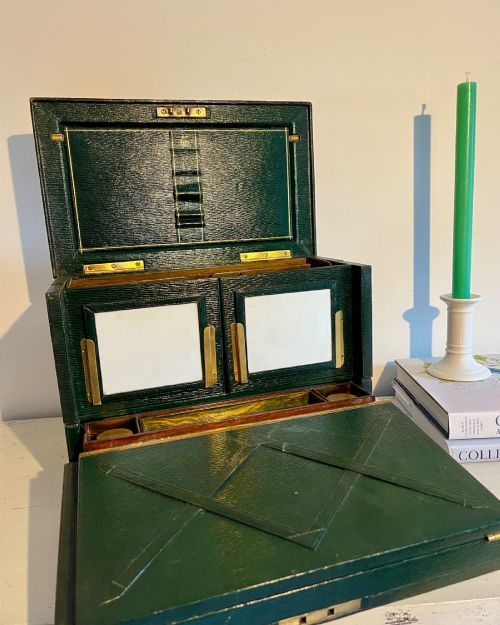
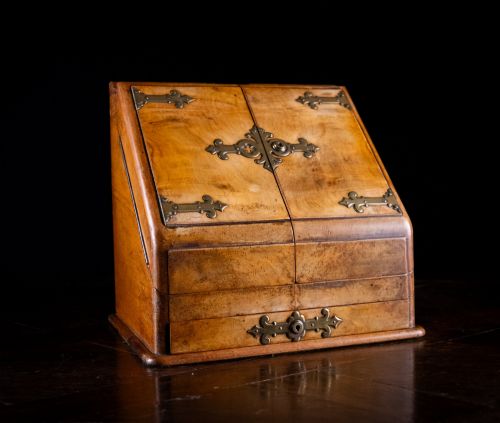
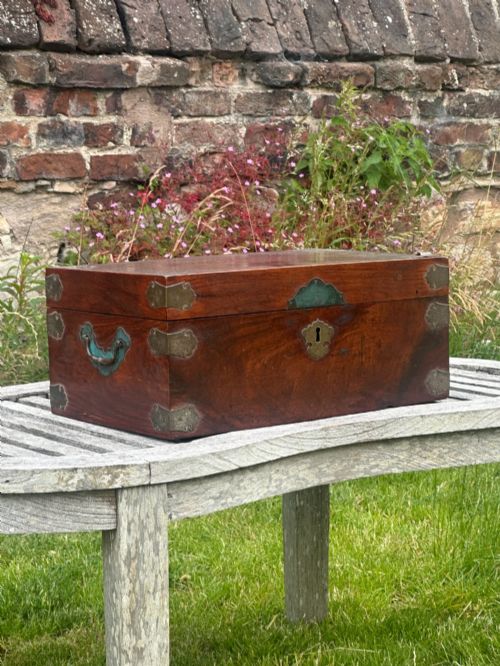
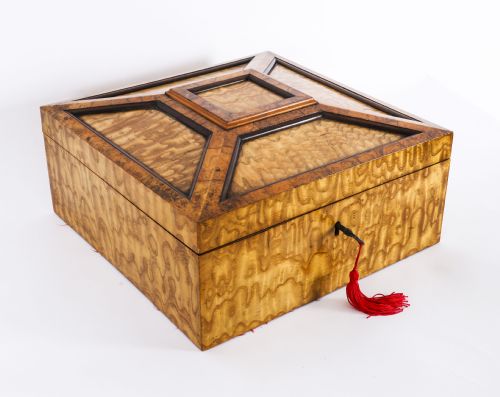
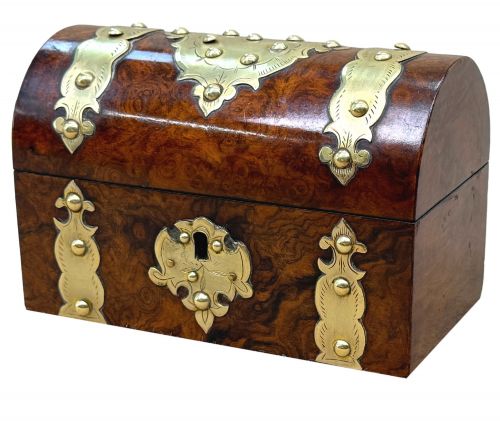
A Victorian document box is a practical desktop chest designed to secure correspondence, combining period timber work with robust brass fittings.
Victorian Document Box
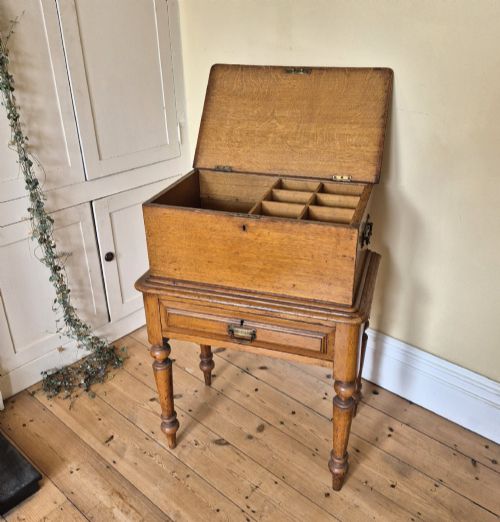
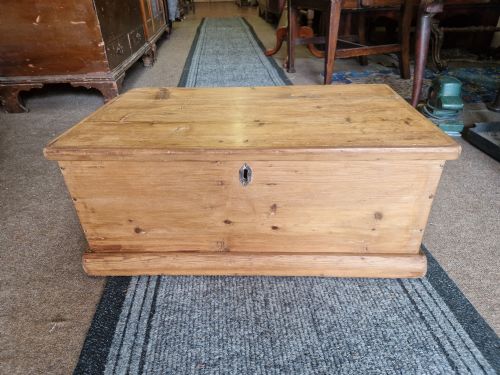
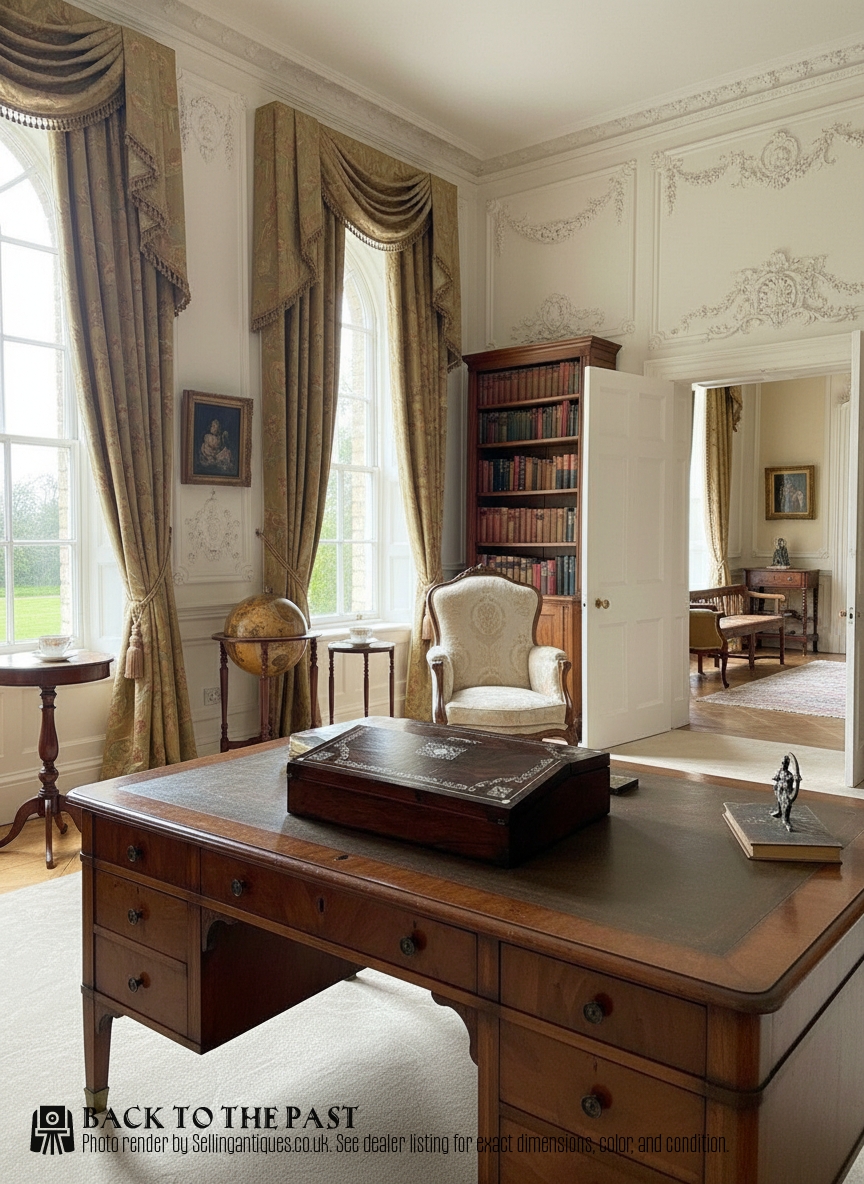
When looking for a Victorian document box, the items that appear span various desktop formats, including writing slopes, stationery cabinets, and dedicated deed boxes. The surviving examples date primarily from the nineteenth century, ranging from mid-century items to pieces produced around nineteen hundred.
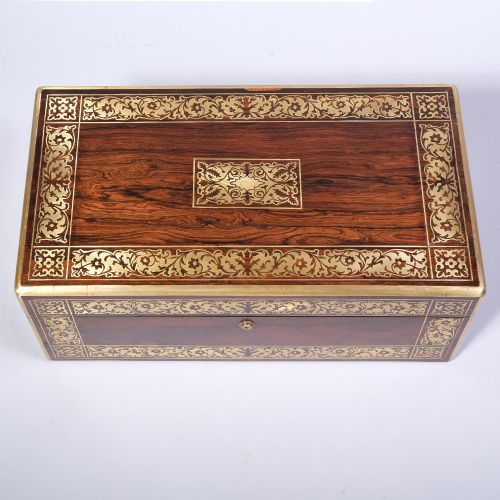
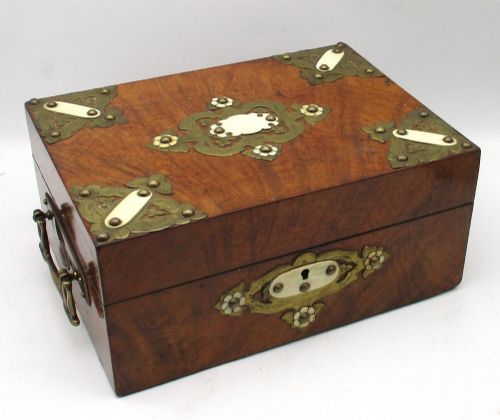
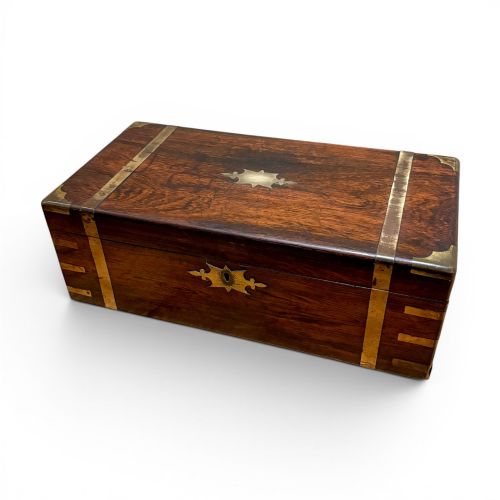
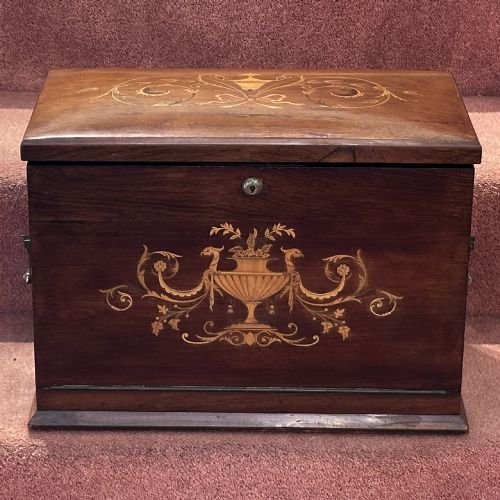
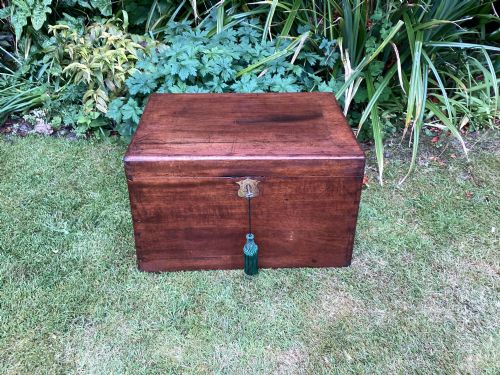
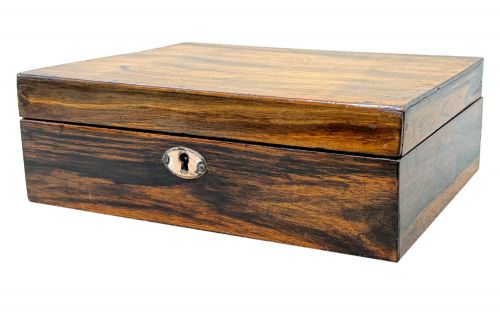
Makers of the period adapted forms for specific tasks, producing pieces in mahogany, rosewood, walnut, and oak. Many incorporate brass banding, flush handles, and compartmentalised interiors designed for papers, letters, and personal effects.
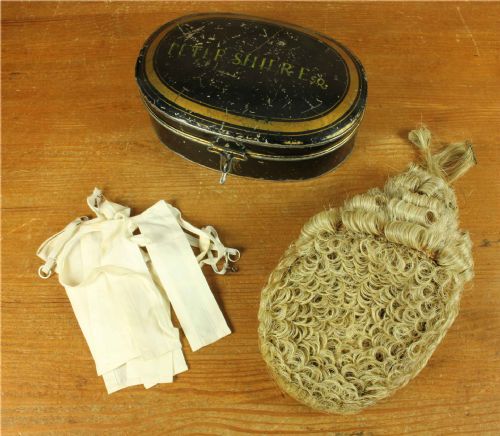
The material palette extends beyond native timbers to include exotic woods like coromandel and padouk, alongside leather-bound chests and specialised containers such as ticket dispensing boxes and wig tins.
Factors separating quality tiers
Quality rests in the selection of timber figures, such as the richness of burr walnut or the grain alignment in rosewood and mahogany. Superior examples display precise brass inlay, well-fitted joinery, and functional locks complete with working keys.
Interior execution distinguishes standard utility boxes from high-end pieces, seen in secret compartments, satinwood secondary woods, and intricate Tunbridge Ware or bone inlay. The weight and gauge of the brass mounts also signal the standard of initial manufacture.
Victorian Document Box Retail Price Guide 2026
Typical asking prices for victorian document box among the pieces listed under this phrase on Sellingantiques today, from the lower quarter to the upper quarter. They describe what is for sale here now, not the wider market.
Among the archival pieces are heavy iron locking safes and wig tins intended for a barrister's courtroom attire.
Ravenscroft Law·Peter Shier·Edmund Nye
The Victorian Document Box Glossary
- Writing slope
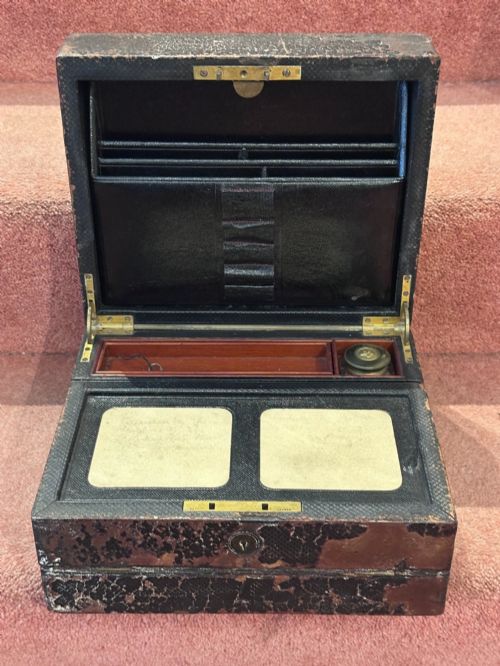
- A desktop box with a hinged, slanted lid that opens to reveal a writing surface and internal storage. It typically houses inkwells, pen trays, and secret drawers beneath the writing plane.
- Campaign style
- Furniture or boxes designed for portability, characterised by brass corners, flush inset carrying handles, and sturdy construction. These pieces were built for military officers and travellers on the move.
- Escutcheon
- A protective plate surrounding a keyhole, usually fashioned from brass. It prevents the surrounding wood from splintering during repeated use of the key.
- Tunbridge Ware
- Small wooden items decorated with intricate mosaic patterns made from tiny pieces of naturally coloured local woods. Edmund Nye is a notable maker associated with this technique.
- Secretaire
- A cabinet or box containing hidden drawers or compartments accessible only through a specific release mechanism. These secret compartments were popular in nineteenth-century writing furniture for securing valuables.
Victorian Document Box: Frequently Asked Questions
What is a Victorian document box?
A Victorian document box is a period desk accessory or chest built to store letters, deeds, and papers securely. They range from simple wooden caskets to brass-bound writing slopes with fitted interiors.
Craftsmen produced them in various woods including walnut, mahogany, and rosewood, often pairing them with leather, brass mounts, and velvet-lined compartments.
How do I use a document box today?
These boxes function well on modern desks or sideboards for storing stationery, correspondence, or small personal valuables. The compartmentalised interiors keep loose items organised.
Larger slope variants offer a flat or angled surface suitable for display, while locking mechanisms secure contents just as they did in the nineteenth century.
How can I tell the age of a box?
Dating relies on timber choices, construction techniques, and hardware styles. Mid-nineteenth-century pieces often feature heavy brass bound corners and rosewood or mahogany carcases.
Later Victorian examples from the eighteen-eighties and nineties frequently showcase arts and crafts influences, oak construction, or stationery cabinet formats with tambour or drop fronts.
What are secret drawers in writing boxes?
Secret drawers are concealed compartments built behind stationery dividers or false panels within writing slopes. Users accessed them by lifting specific partitions or sliding locking pins.
Cabinet makers included these hidden spaces to provide secure storage for confidential papers, jewellery, or money before the widespread use of commercial safes.