
Folk Art Wooden Box
These folk art wooden boxes combine everyday utility with individual maker expression, spanning centuries of regional vernacular craft.
Folk Art Wooden Box
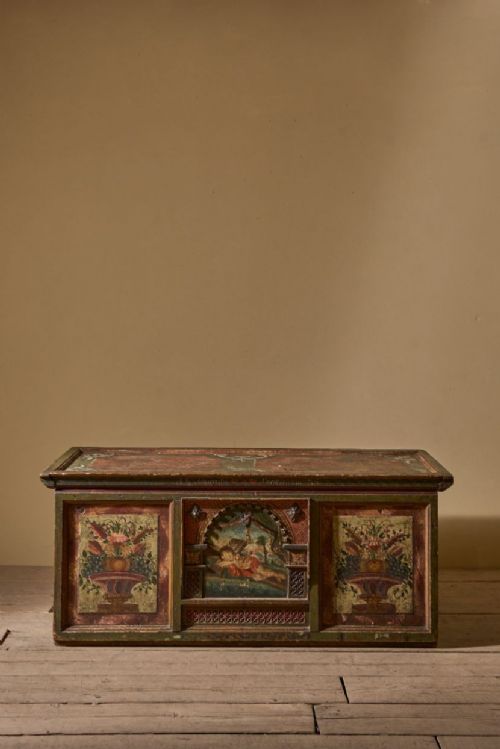
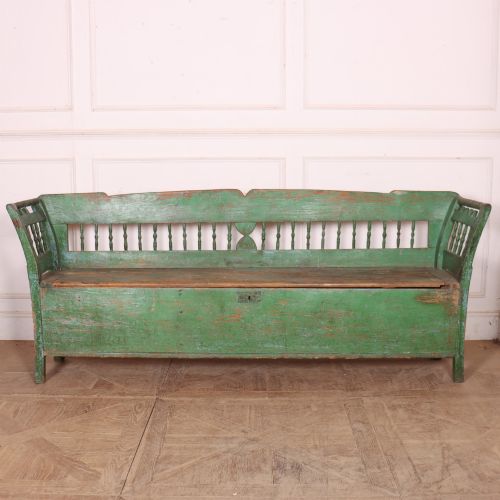
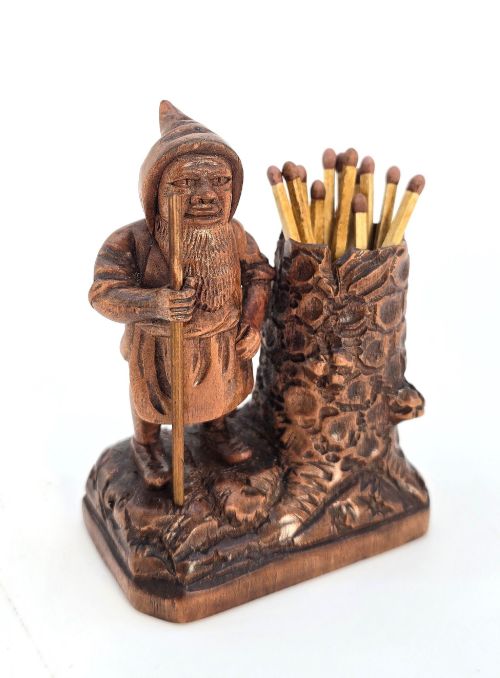
A folk art wooden box encompasses small personal items like snuff boxes and match holders alongside larger storage pieces such as marriage trunks, dowry chests, and blanket boxes. These objects originate from domestic workshops and rural communities across Europe and beyond.
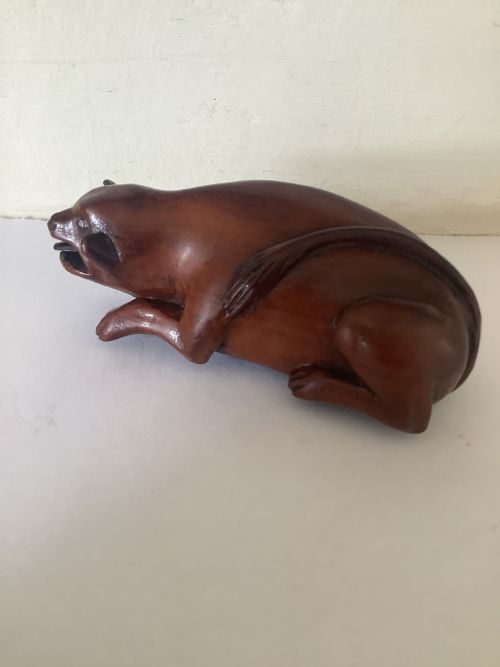
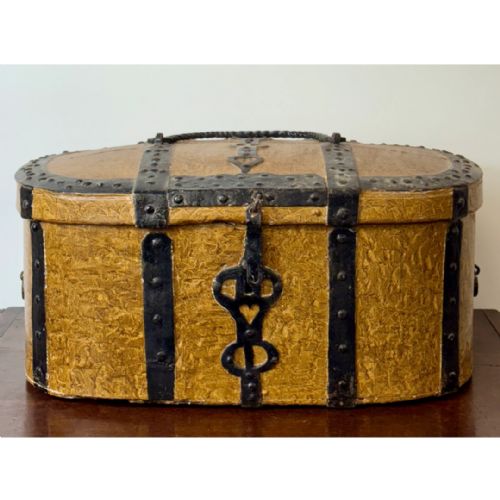
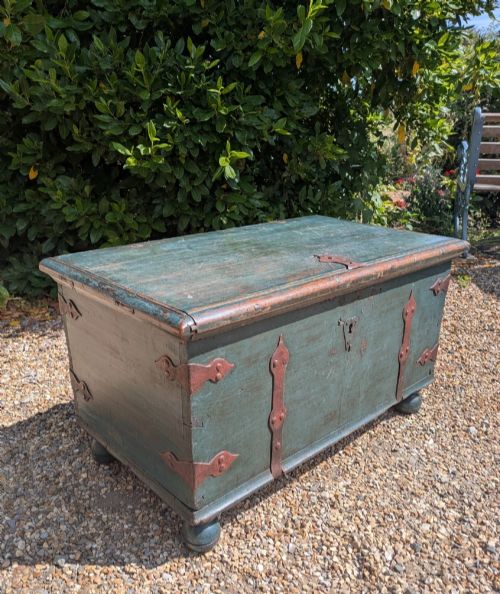
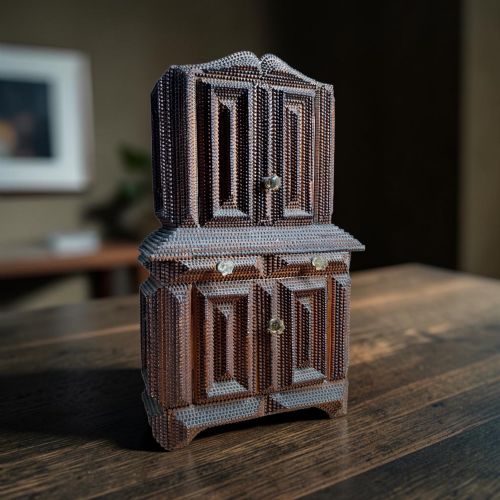
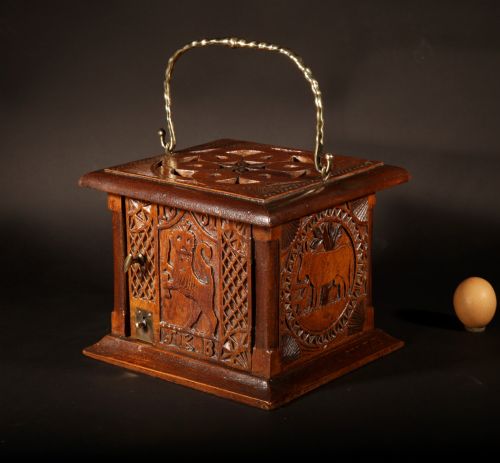
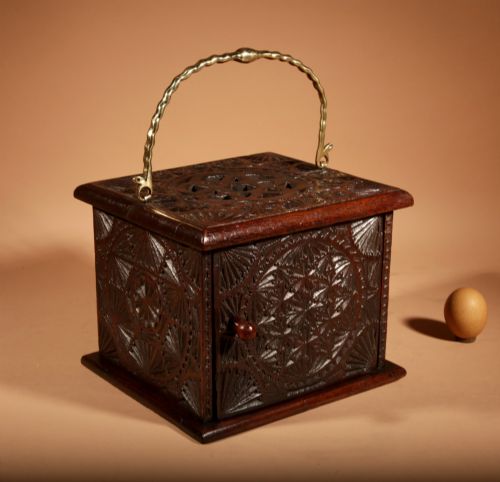
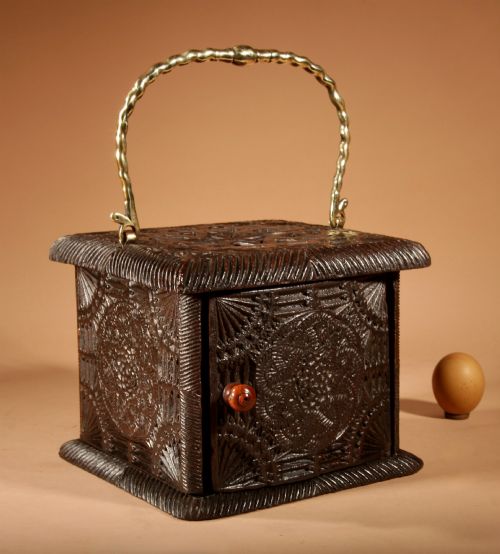
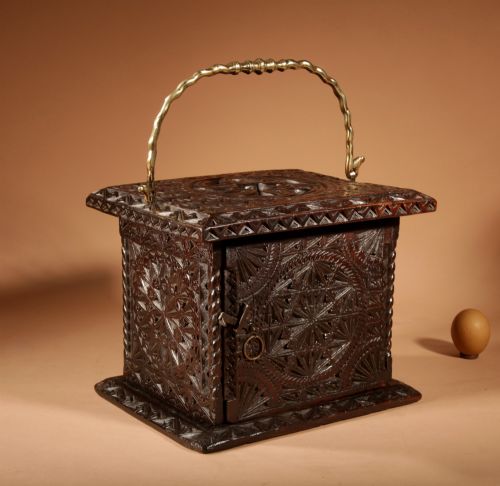
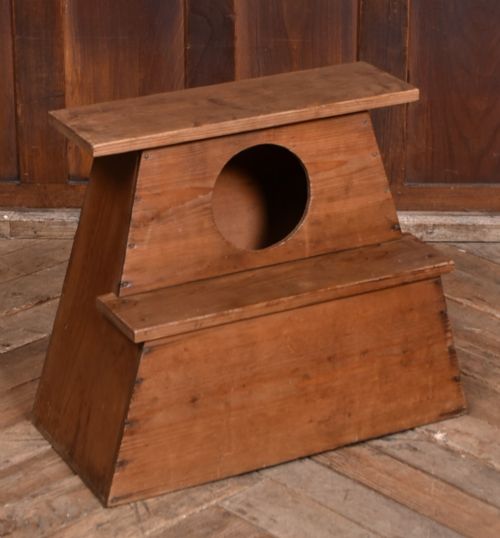
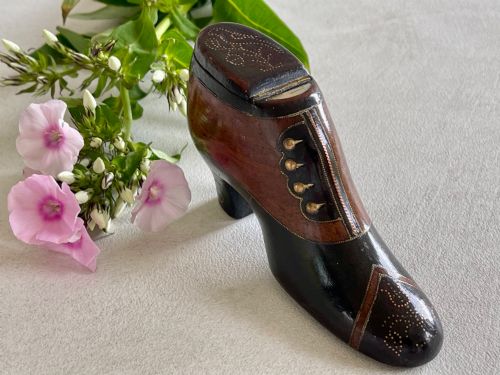
Buyers meeting pieces on this page encounter varied regional traditions, including Scandinavian painted pine pieces, Frisian oak foot warmers, and intricate chip-carved tramp art boxes. Smaller items often take figurative forms, including birds, shoes, and coffins.
Dating ranges from the eighteenth century through the Edwardian period, capturing both utilitarian household containers and decorative presentation pieces made for specific life events.
Construction and ornamentation
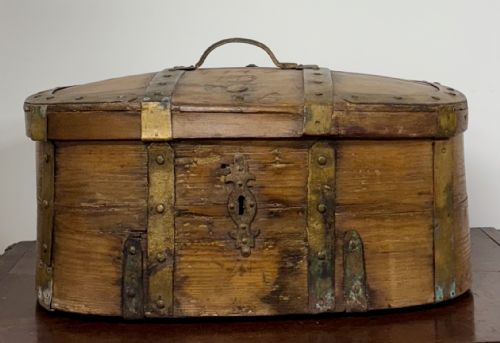
Construction relies primarily on native timbers such as pine, oak, fruitwood, and limewood, frequently joined with hand-forged iron strapwork or traditional wooden joinery. Makers worked with accessible local materials rather than imported luxury woods.
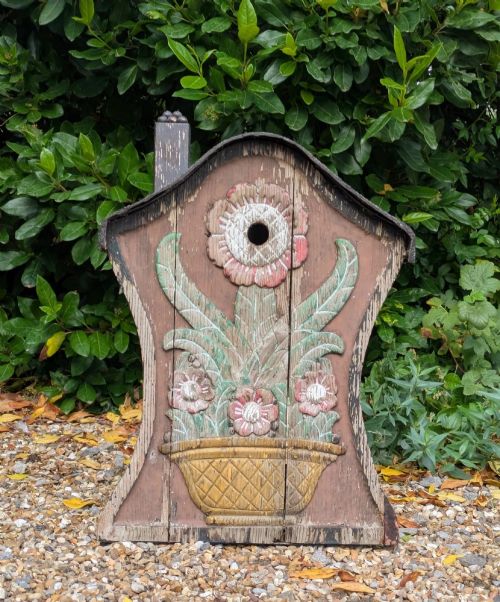
Decoration involves a combination of hand-applied paint, surface carving, and inlay. Chip carving, bone inlay, and polychrome painted finishes define the distinct appearance of these vernacular items.
Folk Art Wooden Box Retail Price Guide 2026
Typical asking prices for folk art wooden box among the pieces listed under this phrase on Sellingantiques today, from the lower quarter to the upper quarter. They describe what is for sale here now, not the wider market.
Listings feature items built from pine, oak, fruitwood, and limewood, spanning periods from the eighteenth century to the Edwardian era.
Judging quality in vernacular boxes
Quality rests upon the strength of the carving and the survival of original painted surfaces. Crispness in chip carving and untouched patination elevate a piece beyond standard utilitarian work.
Proportion and the maker's confidence in handling naive forms dictate desirability. Pieces showing direct, purposeful execution stand apart from later or clumsily altered examples.
The Folk Art Wooden Box Glossary
- Tramp art
- A form of woodworking where items are constructed from notched and layered scrap wood, chip-carving small geometric patterns into the surface.
- Treen
- Small handmade wooden household objects, encompassing boxes, snuff containers, and small domestic items shaped for daily use.
- Chip carving
- A technique of removing small chips from a wooden surface with a knife or chisel to create geometric or floral patterns.
- Snuff box
- A small lidded container designed to hold powdered tobacco, frequently fashioned with sliding lids or hidden puzzle mechanisms.
- Marriage chest
- A large storage trunk commissioned or decorated for a wedding, often painted with names, dates, or symbolic motifs.
Folk Art Wooden Box: Frequently Asked Questions
What were folk art wooden boxes used for?
These boxes served practical domestic functions, from storing household valuables and personal tobacco to keeping feet warm during cold weather. Larger trunks held textiles and dowries, while smaller vessels secured snuff or matches.
Over time, many of these utilitarian containers transitioned into decorative display items, valued for their regional character and tangible connection to past domestic life.
How do I date an antique wooden box?
Dating relies on examining the construction methods, tool marks, and historical context provided by the materials. Hand-forged ironwork, specific types of hinges, and native timber usage offer primary clues to age.
Surface treatments, such as original paint layers or documented signatures and dates, help narrow the period of manufacture. Comparing regional construction styles further clarifies the timeline.
How should I care for painted wooden boxes?
Maintain stable environmental conditions away from direct sunlight and excessive humidity to protect fragile painted surfaces and aged timber. Avoid harsh cleaning products, dusting gently with a dry, soft cloth instead.
Preserving the original patina means resisting the urge to strip or refinish the wood. Let the natural wear and tear remain as evidence of the object's history.
What is tramp art?
Tramp art is a style of woodworking popular from the late nineteenth into the mid-twentieth century, characterised by chip-carved geometric layers. Makers typically utilised inexpensive source material like discarded cigar boxes or packing crates.
This technique produced textured frames, wall boxes, and small chests defined by their meticulous, repetitive notch-work patterns and patient construction.