



Mother of Pearl Inlaid Box
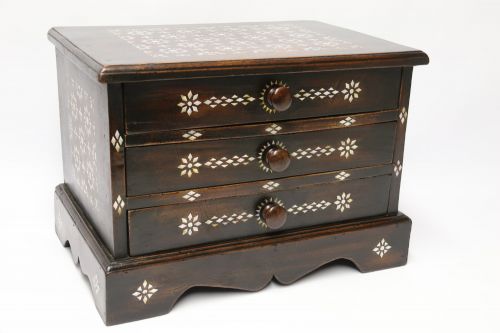
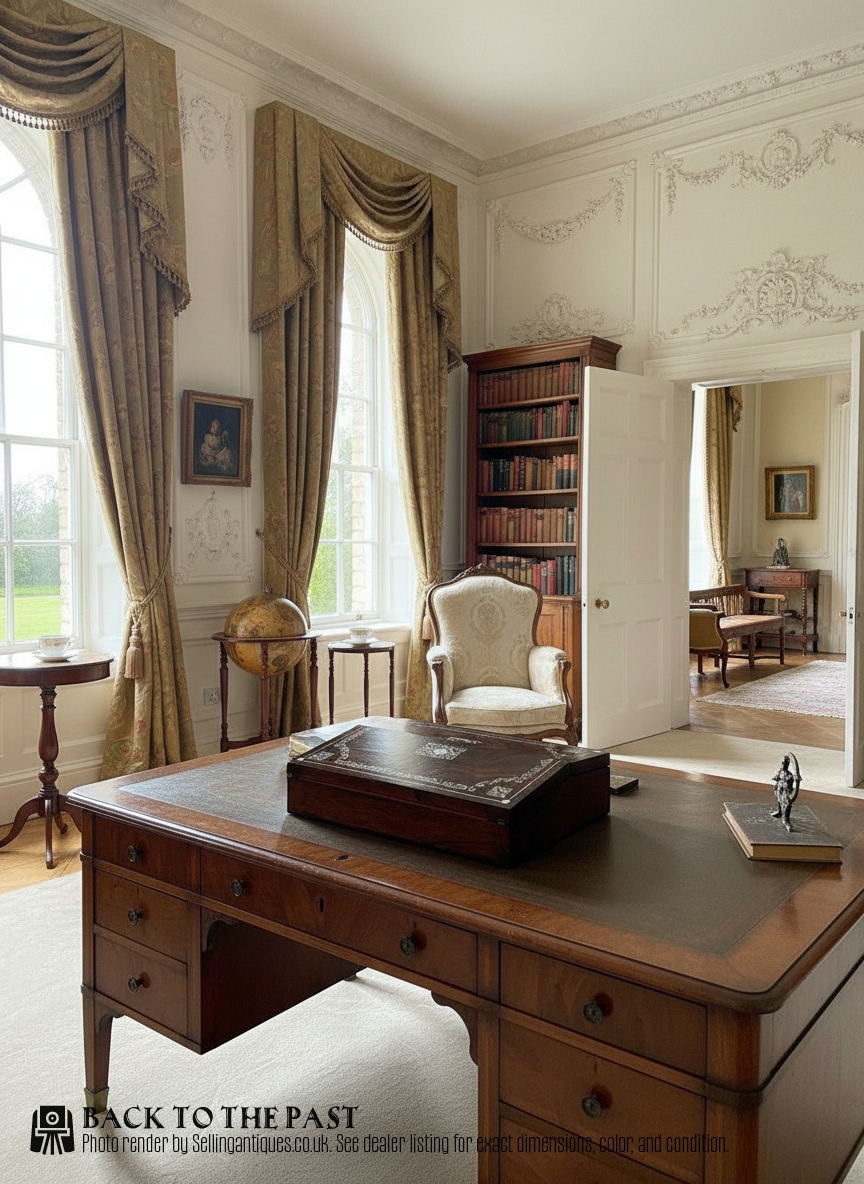
A mother of pearl inlaid box brings tactile warmth and intricate shimmer to a desk, holding everything from personal letters to precious trinkets.
Mother of Pearl Inlaid Box
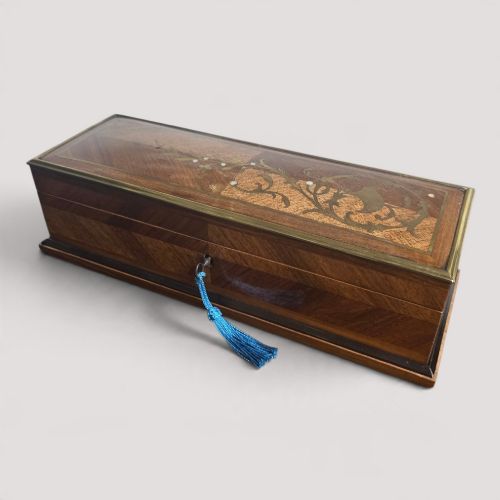
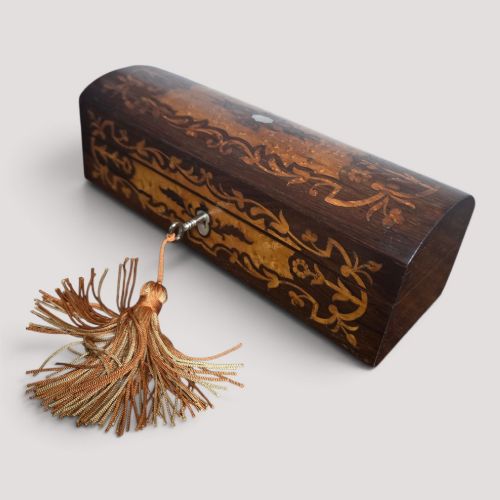
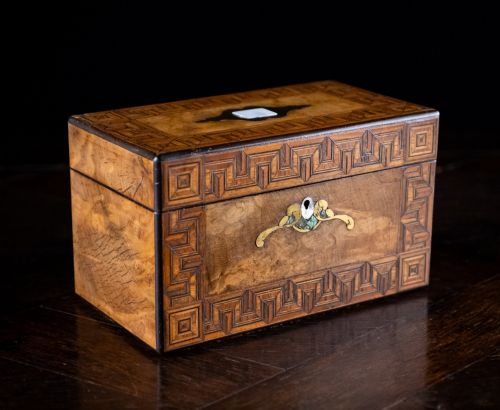
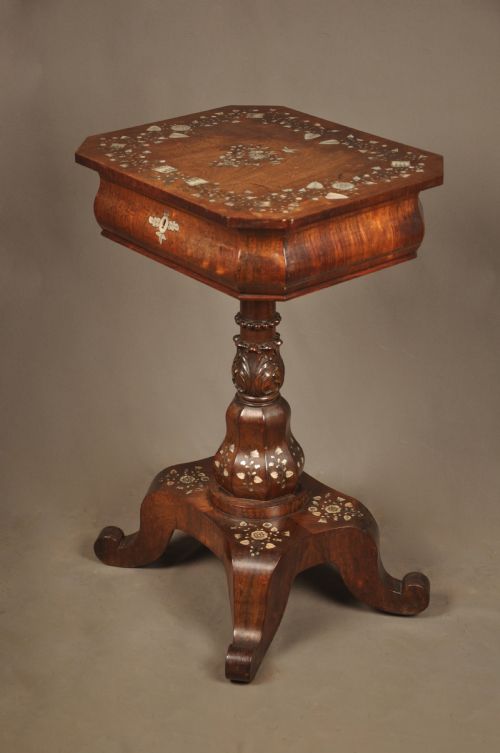
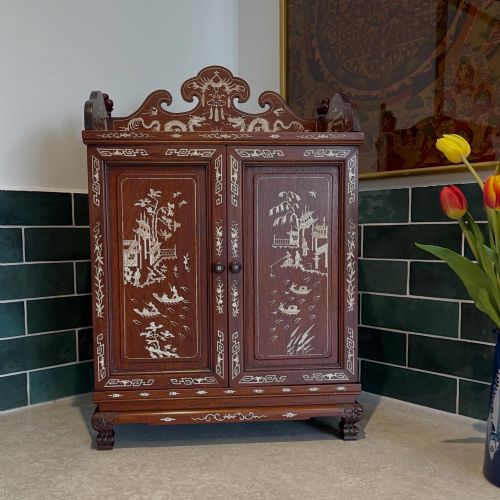
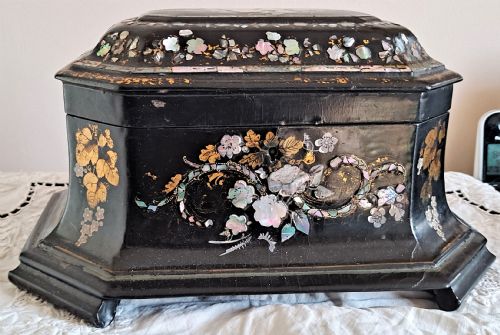
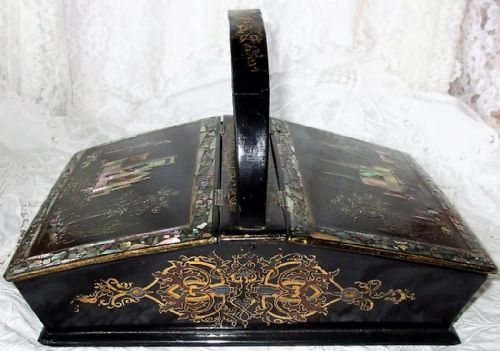
A mother of pearl inlaid box encompasses a diverse array of nineteenth-century containers designed for correspondence, vanity, and keepsakes. These items range from compact card cases and glove boxes to substantial writing slopes, tea caddies, and jewellery chests.
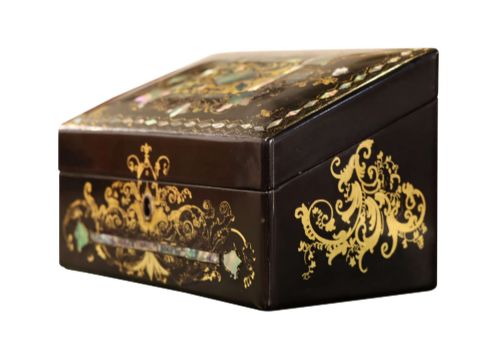
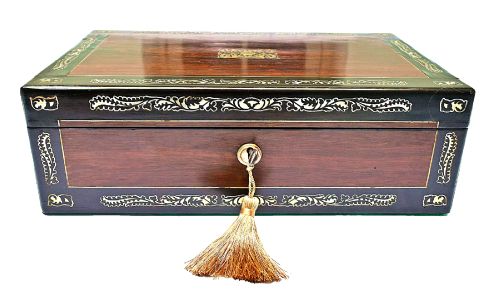
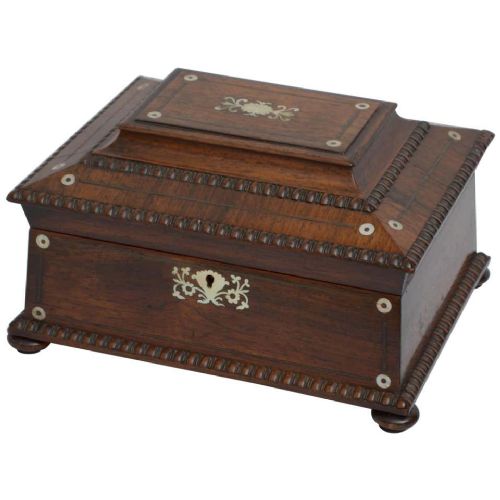
English Victorian examples appear frequently in rosewood, walnut, and coromandel, often featuring geometric shell escutcheons and borders. Alongside these, papier-mâché stationery cabinets and lacquer caskets emerge from the same nineteenth-century workshops.
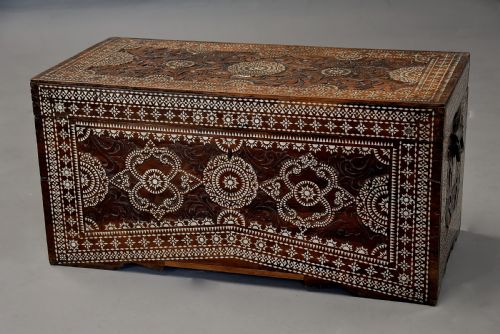
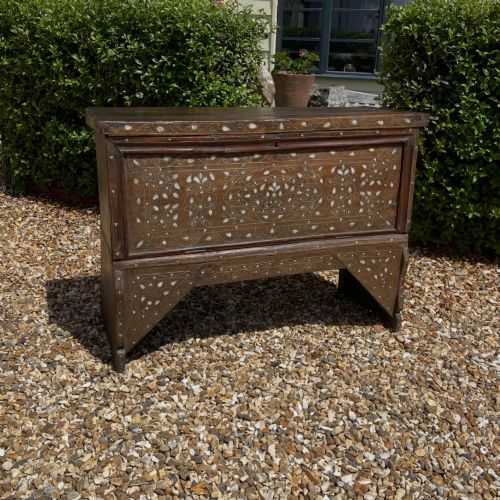
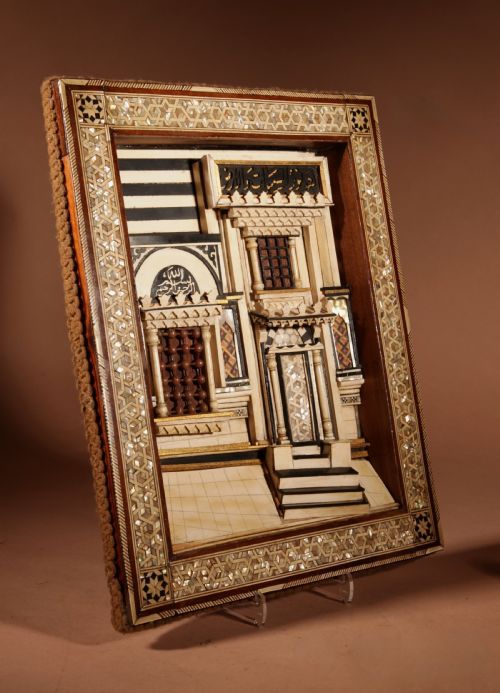
International pieces widen the scope significantly, introducing Syrian and Ottoman trunks, Qing Dynasty oriental cases, and Anglo-Indian collector chests. These global variations utilise distinct timber foundations and architectural motifs quite apart from standard British domestic boxes.
How They Were Made
Craftsmen channelled dense tropical hardwoods like rosewood, coromandel, and walnut to form robust carcass structures, whilst others moulded layers of paper and pulp into durable papier-mâché. These foundation bodies received meticulous hand-carving and smoothing before any ornamentation began.
Thin sheets of nacreous shell were painstakingly cut into geometric tiles, floral sprays, or scrolling tendrils, then pressed into precise recesses carved into the timber surface. Engraved lines often added delicate detail directly onto the shell fragments, occasionally complemented by brass wire, bone, or contrasting wood veneers.
Mother of Pearl Inlaid Box Retail Price Guide 2026
Typical asking prices for mother of pearl inlaid box among the pieces listed under this phrase on Sellingantiques today, from the lower quarter to the upper quarter. They describe what is for sale here now, not the wider market.
Victorian travellers packed folding chessboards and backgammon sets inlaid with mother-of-pearl to pass the hours on long sea voyages.
What Varies in Quality
The integrity of the construction and the precision of the inlay reveal the maker's original standard. Superior examples maintain tightly secured shell segments flush with the timber surface, whereas lesser pieces show visible gaps, lifting edges, or crude filler around the nacre.
Internal fittings and secondary materials dictate the upper tier of the range. Fitted velvet compartments, working brass locks, secret drawers, and secondary timbers such as cedar or mahogany elevate a piece far beyond basic utilitarian containers.
George Austin·Julius Sebert·Tahan Paris·J Newman
The Mother of Pearl Inlaid Box Glossary
- Mother-of-Pearl
- The iridescent inner layer of mollusc shells, valued for its shimmering play of light when cut and polished. This material forms the primary decorative element across the lids and panels of these boxes.
- Writing Slope
- A desk accessory featuring a hinged, angled writing surface that often opens to reveal inkwell compartments, pen trays, and hidden storage wells. Many examples incorporate fitted velvet writing surfaces.
- Papier-mâché
- A composite material made from paper pulp, glue, and resin, pressed into moulds and baked until rigid. It served as a smooth dark base for lacquer finishes and pearl ornamentation.
- Tea Caddy
- A container specifically partitioned to store and preserve loose tea leaves. Victorian iterations frequently include internal crystal mixing bowls and lidded canisters.
- Escutcheon
- A decorative plate surrounding a keyhole, usually cast in brass or formed from mother-of-pearl. It protects the surrounding wood from wear caused by the key.
Mother of Pearl Inlaid Box: Frequently Asked Questions
What were tea caddies used for?
Tea caddies served to store precious tea leaves securely under lock and key in nineteenth-century households. Because tea was an expensive commodity, these containers protected the leaves from moisture and pilfering.
Inside, partitioned compartments kept different blends separate, sometimes accompanied by a central crystal bowl used for blending flavours before brewing.
How do I care for rosewood and pearl?
Maintain these surfaces by keeping them away from direct sunlight and sudden temperature shifts, which can cause the timber to warp and adhesives to fail. Dust gently with a dry, soft cloth.
Avoid commercial liquid polishes or harsh chemical cleaners, as moisture can seep beneath the shell inlays and loosen the historical glues holding them in place.
Are writing slopes still functional?
Writing slopes adapt easily to modern stationery storage, desktop organisation, or display purposes. The sloping lid provides a firm writing plane, whilst the internal compartments suit modern pens and small notebooks.
Collectors frequently utilise the secret drawers and removable panels to store documents, letters, or small contemporary valuables.
How do I distinguish Victorian from Regency?
Regency boxes typically date from the early nineteenth century, exhibiting cleaner architectural lines, classical brass paw feet, and restrained, elegant brass stringing. The timbers selected in this era lean heavily towards rich figured rosewood and amboyna.
Victorian pieces, emerging after eighteen-thirty-seven, often display more exuberant ornamentation, dense mother-of-pearl floral clusters, curved sarcophagus forms, and elaborate papier-mâché or coromandel bodies.