


19th Century Storage Box
These 19th century storage box examples bring period utility into domestic spaces, offering durable compartments and distinctive regional finishes.
Identifying a 19th century storage box
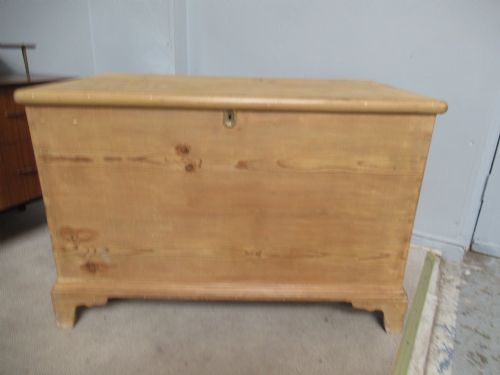
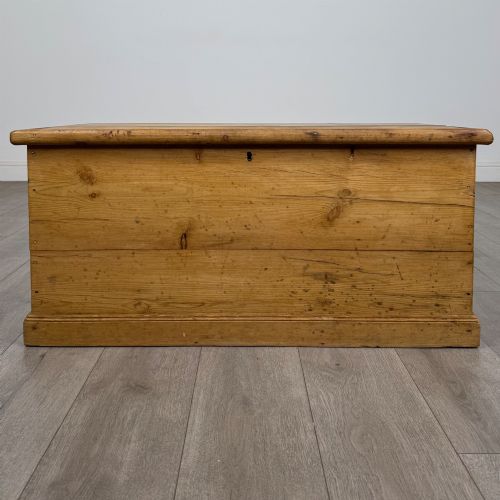
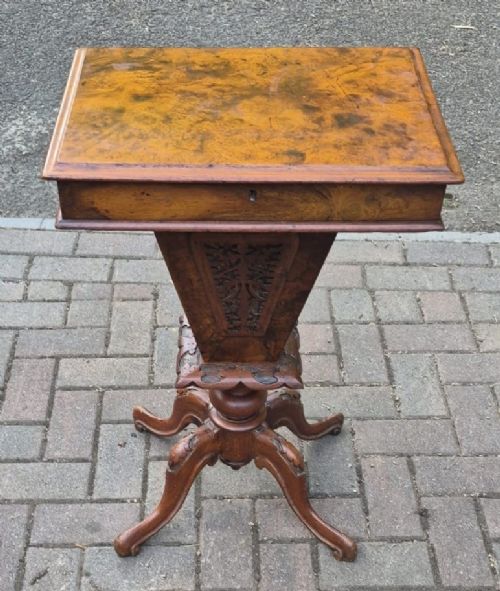
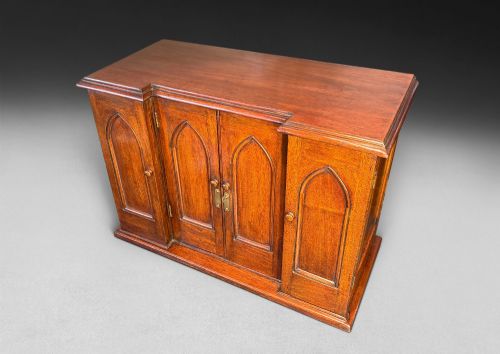
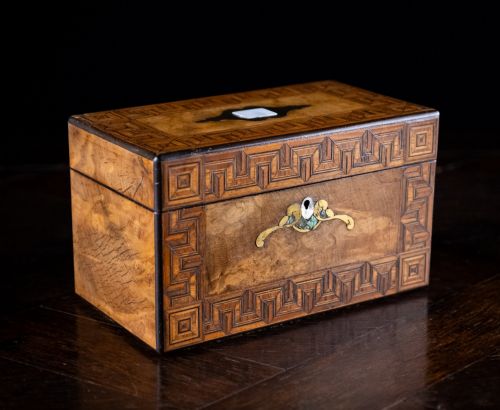
When you search for a 19th century storage box, you encounter items designed for containment and travel, ranging from small jewellery chests to large blanket trunks. The pieces available span Victorian refinement and simpler country workshop traditions.
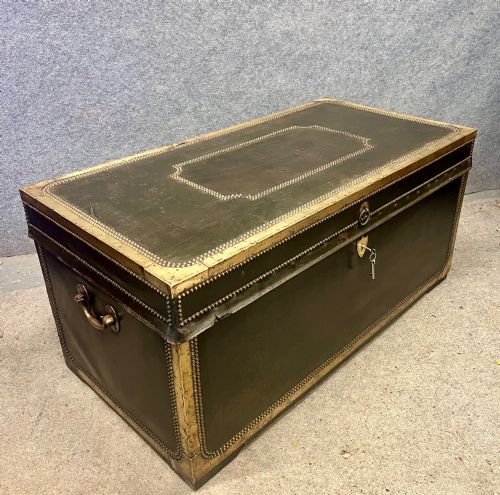
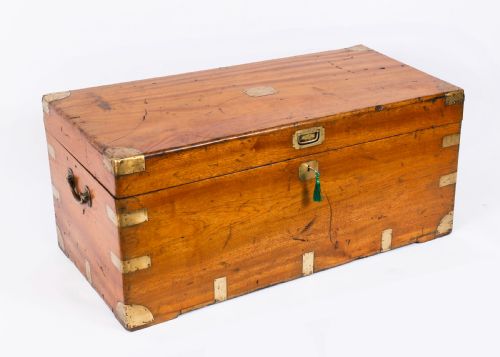
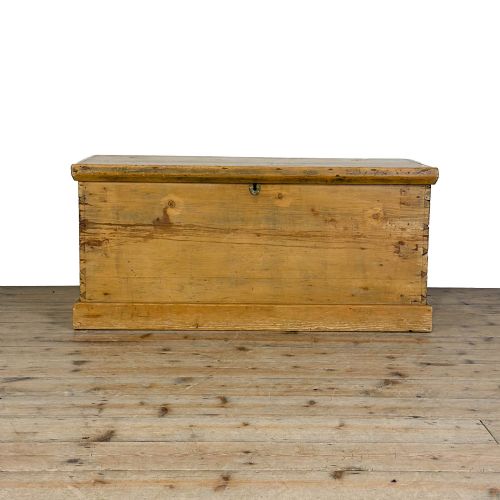
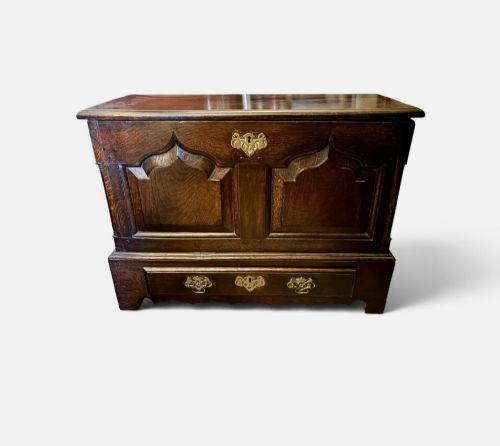
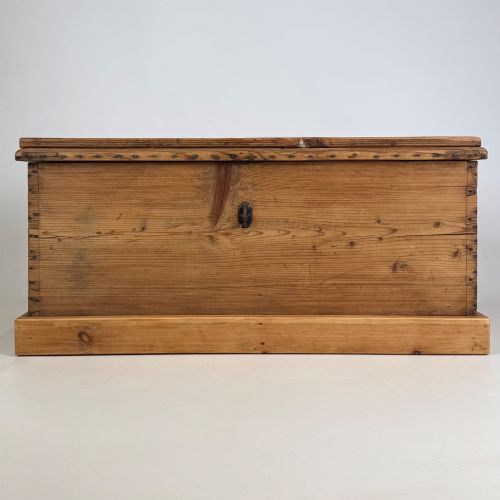
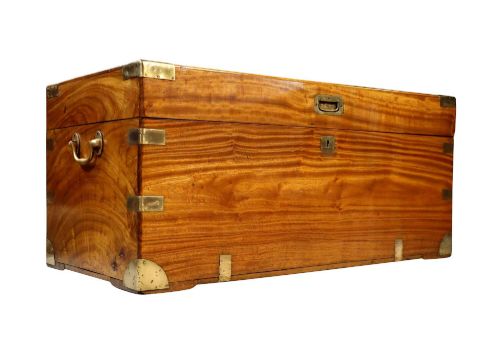
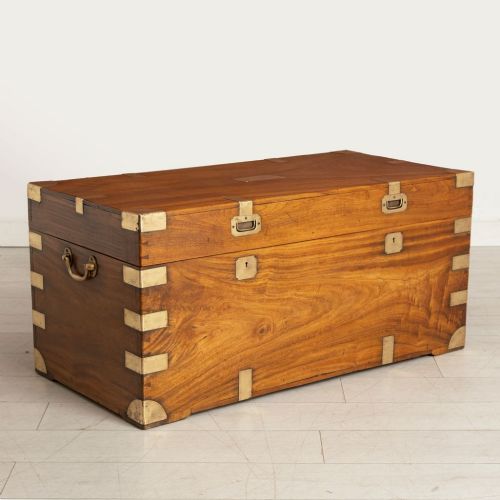
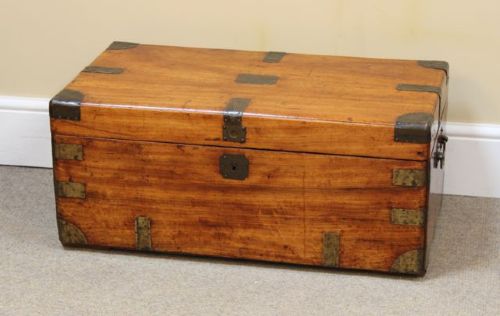
The most common forms on this page include pine blanket boxes, oak chests, and camphor wood trunks. These objects served domestic households by holding linens, valuables, and personal possessions.
Origins vary across British, French, Swedish, and Anglo-Chinese workshops, reflecting distinct regional needs for secure storage. Each piece demonstrates the specific utility required by its original owner, whether for sea voyages or farmhouse life.
Materials and construction methods
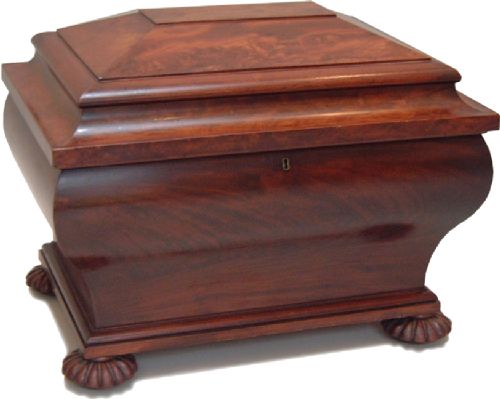
Carpenters built these boxes using solid timbers such as mahogany, pine, oak, teak, and camphor wood. Exterior surfaces often received hand-applied paint, leather trim, or detailed carvings.
Hardware elements like brass hinges, corner brackets, and wrought iron locks provided structural reinforcement. Makers joined box sides using dovetailed joints or pegged construction to ensure long-term stability under heavy loads.
Retail Price Guide 2026
Typical UK retail prices for 19th century storage box, calculated from the Sellingantiques database of over a million retail prices indexed since 2003. This retail price guide relies exclusively on Sellingantiques data; no external sources or auction records are used, so the figures do not describe the wider market.
One recorded pine box bears an explicit 1865 date inscription scratched into the timber by its maker.
Distinguishing quality across examples
Superior execution appears in the precision of the joinery and the selection of figured timbers, such as well-grained mahogany or richly patinated oak. Secondary woods chosen for internal compartments also reveal the maker's attention to detail.
The 19th Century Storage Box Glossary
- Camphor wood
- A fragrant timber resistant to insects, commonly utilised for maritime chests and trunks. It protects stored textiles from moths and damp conditions.
- Blanket box
- A large rectangular chest designed to hold bed linens and wool blankets. These pieces often feature hinged lids and sturdy carrying handles.
- Dovetailed joint
- An interlocking wood joint formed by wedge-shaped fingers that fit together tightly. It provides exceptional tensile strength at the corners of a box without relying solely on metal fasteners.
- Patina
- The surface sheen and colour developed by wood, metal, and paint through age, handling, and use. It indicates genuine period character.
- Trunk
- A large reinforced box built for transporting personal belongings during travel. Early examples feature robust iron or brass hardware for security.
Frequently Asked Questions
What were camphor wood boxes used for?
Camphor wood chests served travellers and merchants for shipping clothing and textiles across long distances. The natural aroma of the wood kept pests away from delicate fabrics during sea voyages.
In homes, they functioned as durable storage places for blankets and seasonal garments. Their robust construction protected contents from both humidity and handling.
How do I identify a painted pine box?
Painted pine storage boxes display layers of historic colour, often showing wear and craquelure that reveal the softwood beneath. Makers applied these finishes to protect the wood and brighten domestic interiors.
Examining the interior reveals unpainted surfaces and construction marks left by hand tools. These signs help confirm the period and production methods of the chest.
Where were oak storage chests made?
Oak storage pieces originated in various European workshops, including British and French regional centres. Local carpenters utilised native hardwoods to build heavy trunks for domestic and agricultural use.
These chests often feature panelled construction and wrought iron hardware suited to farmhouse environments. Their sturdy build allowed them to double as seating furniture.
How do I care for an antique wooden box?
Keep wooden storage boxes away from direct sunlight and steady heat sources to prevent timber splitting. Maintain stable indoor humidity levels to protect both the wood and any metal mounts.
Apply occasional appropriate wax polish to nourish dry surfaces without building up heavy residues. Handle hinges and lids gently to preserve original brasswork and joints.