



Antique Spanish Cabinet
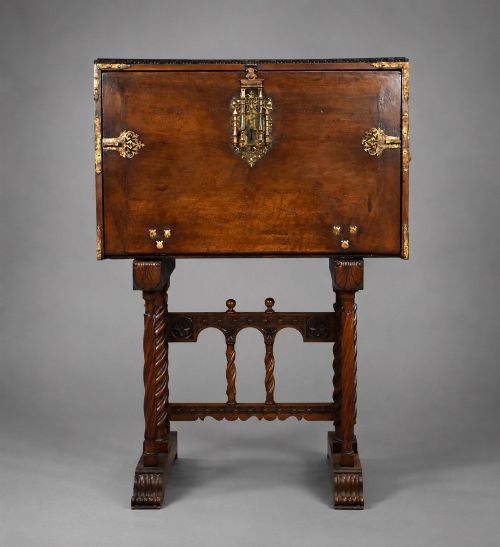
An antique spanish cabinet brings heavy walnut, iron mounts and drop-front writing surfaces into a room.
Antique Spanish Cabinet
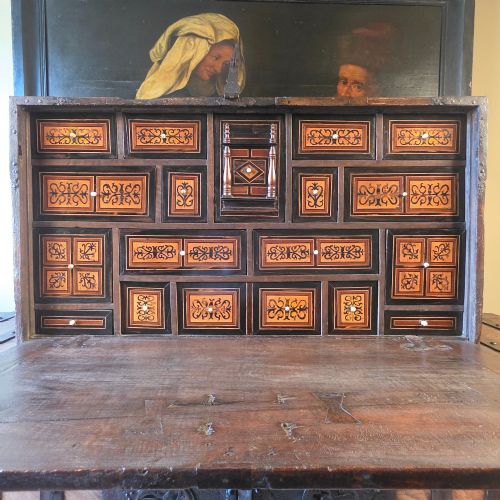
The traditional bargueño or vargueno represents the most recognisable form within this category. These writing cabinets typically conceal a complex arrangement of small drawers and compartments behind a fall-front lid.
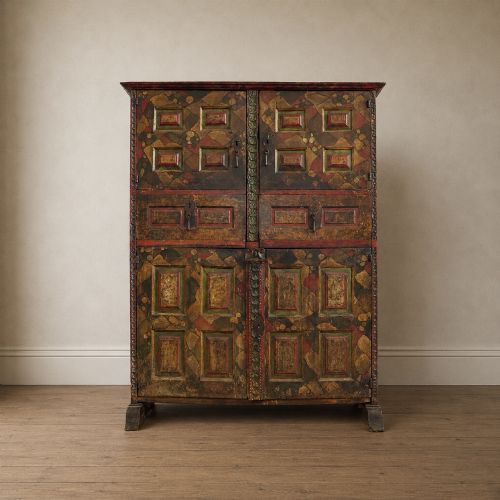
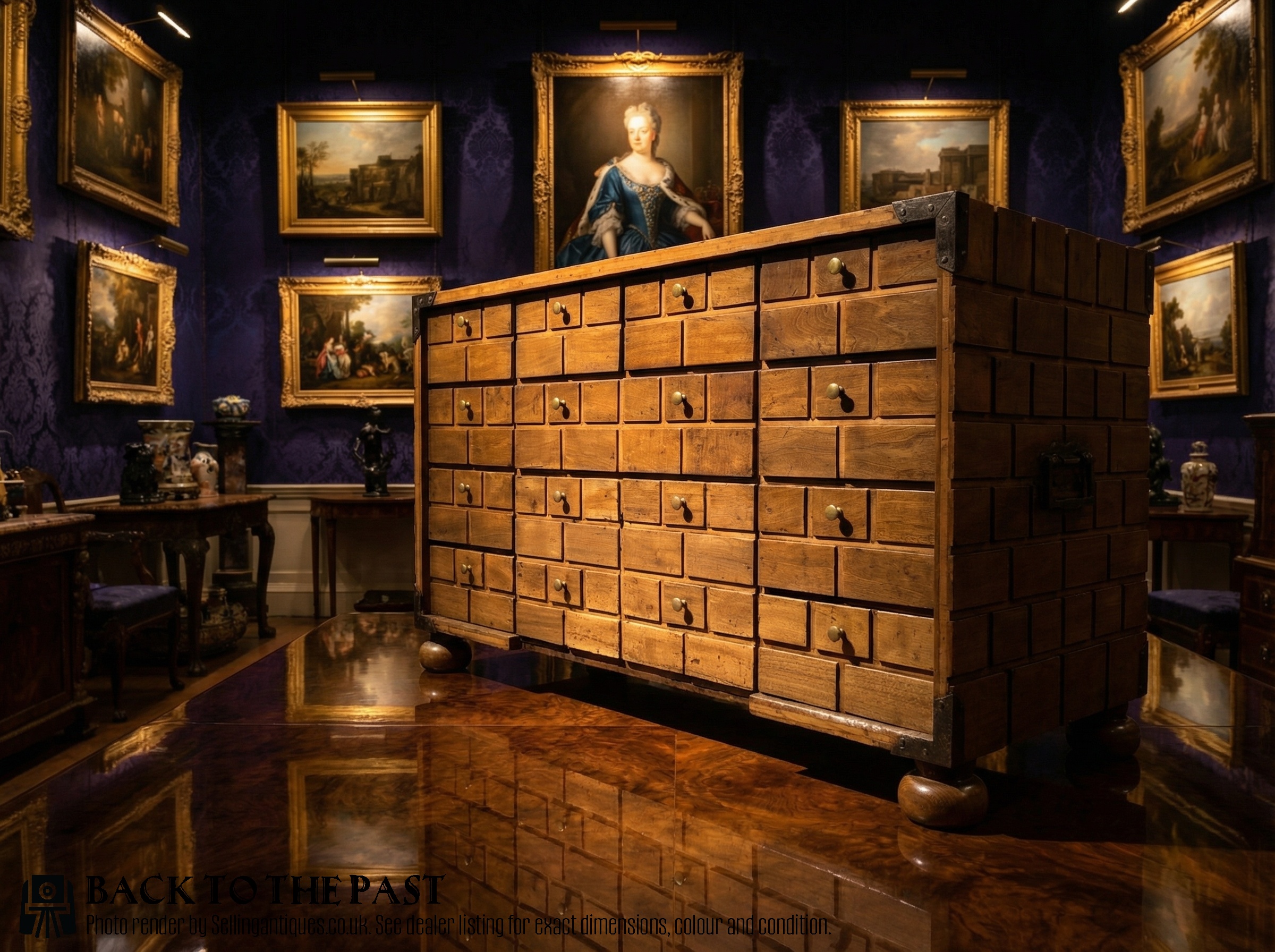
Other variations include low cabinets, buffet units, and home altars employing polychrome paint or folk art details. Pieces from the seventeenth century provide the foundational aesthetic, while later revivals replicate these earlier forms.
Materials and construction methods
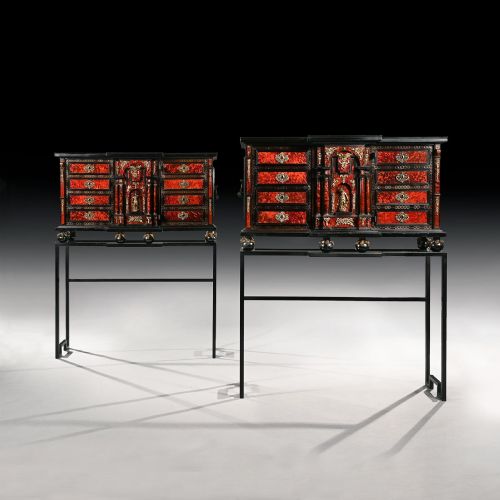
Makers constructed these pieces predominantly from solid walnut, often applying ebonised finishes, fruitwood veneers, or bone inlay to create strong visual contrasts. Tortoiseshell surfaces and gilt bronze mounts appear on select seventeenth-century examples.
Joinery methods reflect the period of manufacture, ranging from traditional hand-cut joints in seventeenth-century pieces to simpler assembly in later twentieth-century items.
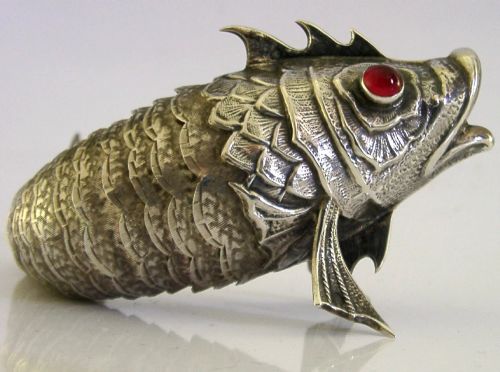
A tiny articulated silver fish joins the heavy walnut furniture.
Assessing quality in construction and decoration
Quality rests upon the execution of the internal drawers, the precision of bone or ivory inlay work, and the integrity of the primary walnut timber. Superior pieces display finely detailed carving and securely fitted internal compartments.
The elaboration and original condition of the iron mounts and lock mechanisms distinguish finer examples from standard production. Complete, unaltered stands matching the upper cabinet elevate a piece's structural coherence.
Gordovil Spain·Alfred Dunhill
The Antique Spanish Cabinet Glossary
- Bargueño
- A portable writing cabinet featuring a drop front that opens to reveal numerous small drawers. This form originated in Spain during the sixteenth and seventeenth centuries.
- Papillero
- A small tabletop cabinet designed for storing papers, letters, or valuables, usually containing multiple internal drawers. It shares stylistic traits with the larger vargueno.
- Ebonised
- Wood treated with a dark finish to imitate expensive ebony. This technique appears frequently on seventeenth-century Spanish furniture.
- Polychrome
- Painted in several colours, often applied to wood or gesso surfaces on folk art objects and home altars. This decoration adds vibrant visual detail.
- Home Altar
- A small devotional cabinet or shrine constructed for private prayer within a domestic interior. These often feature painted panels and architectural framing.
Antique Spanish Cabinet: Frequently Asked Questions
What is a vargueno cabinet?
A vargueno is a traditional Spanish writing cabinet featuring a drop-front lid that conceals an arrangement of small, decorative drawers and compartments.
These pieces typically rest on an open-frame wooden stand and were used for correspondence and storing valuables.
How do I date an antique spanish cabinet?
Dating relies on examining the timber types, joinery techniques, and decorative elements such as ironwork and inlay. Seventeenth-century examples often utilise solid walnut with complex bone inlay and heavy wrought iron mounts.
Later nineteenth and twentieth-century pieces incorporate revival styles or machine-cut elements that distinguish them from earlier hand-built furniture.
Where should I place a cabinet in my home?
These cabinets suit living rooms, studies, or hallways where their substantial walnut timber and decorative ironwork serve as a focal point. Placing them away from direct sunlight and heat sources protects the old wood and delicate inlay.
Due to their deep proportions and separate stands, ensure they sit on level flooring.
How were these cabinets originally used?
Owners used them primarily for writing letters, storing important documents, and keeping precious items secure behind the locked drop-front lid. The internal drawers held ink, quills, and personal papers.
Some variants, such as home altars, served a devotional purpose in domestic spaces.