




Desktop Storage Cabinet
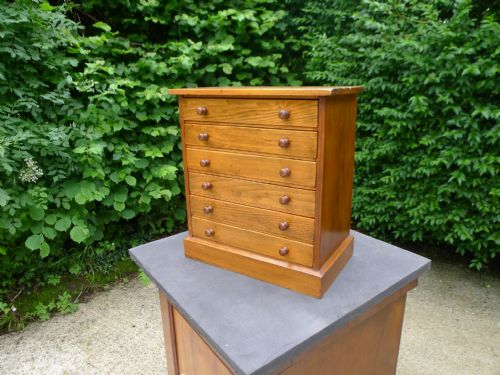
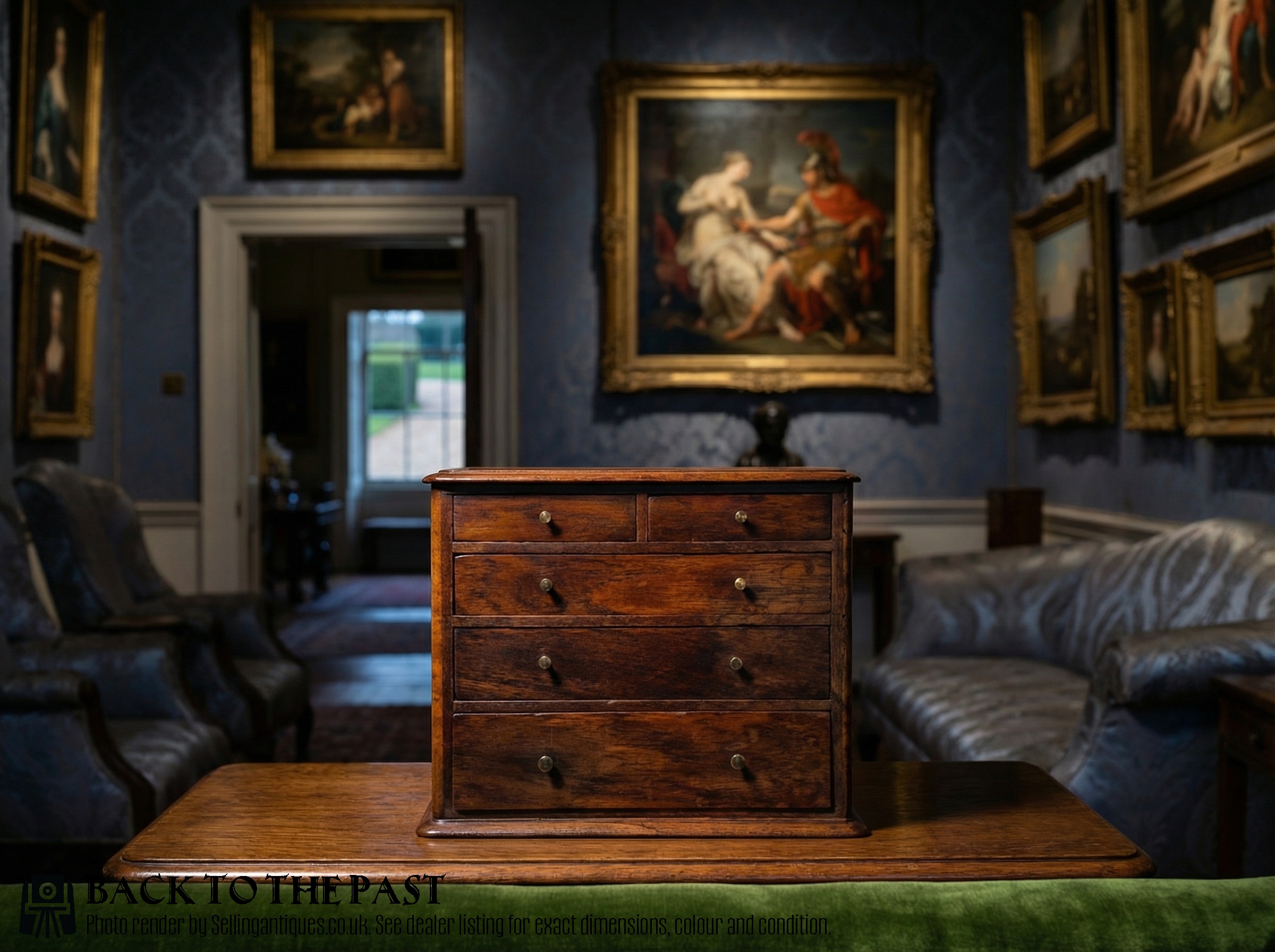
Desktop storage cabinet forms gather small treasures, letters and specimens neatly within reach upon a table.
Desktop Storage Cabinet
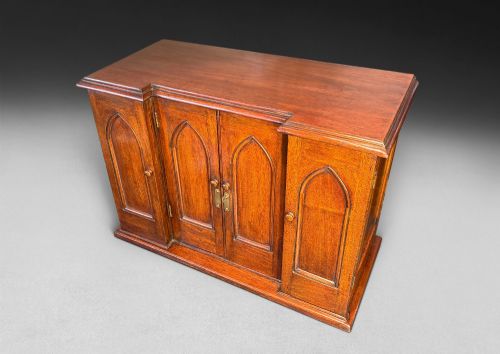
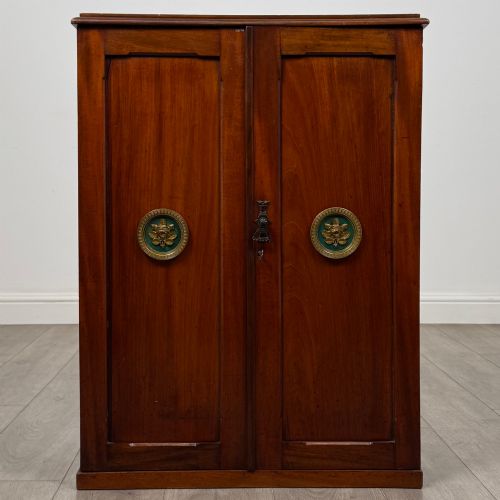
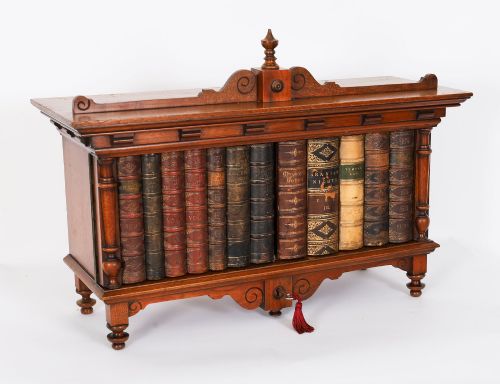
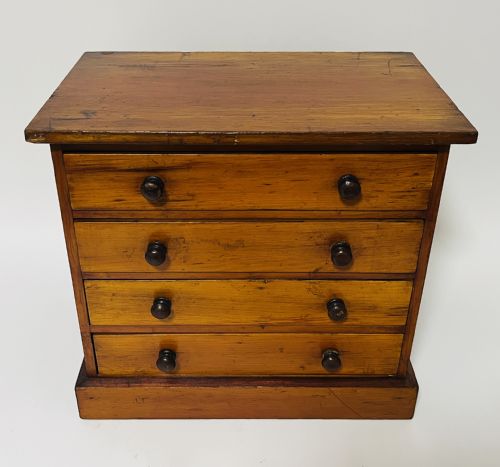
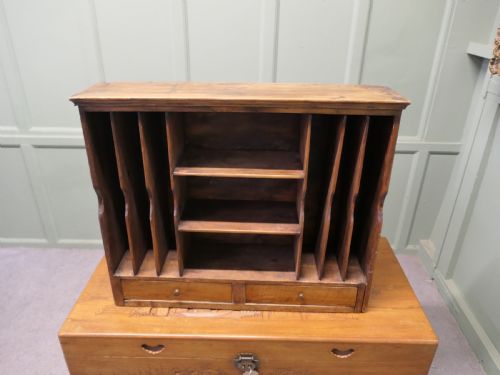
A desktop storage cabinet serves to organise letters, small collections, and daily necessities within arm's reach. The pieces on this page span the eighteenth, nineteenth, and early twentieth centuries, encompassing periods from the Georgian era through to the 1930s.
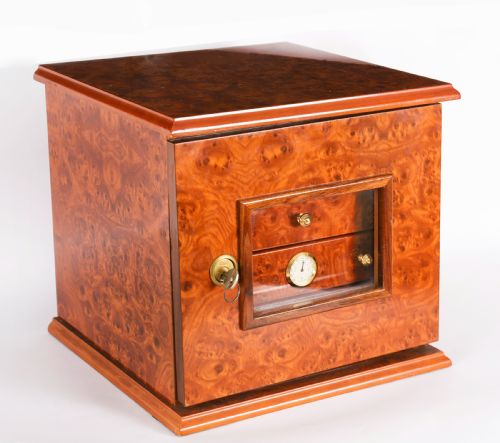
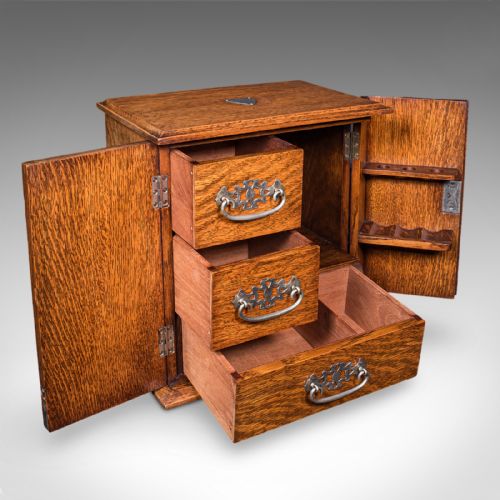
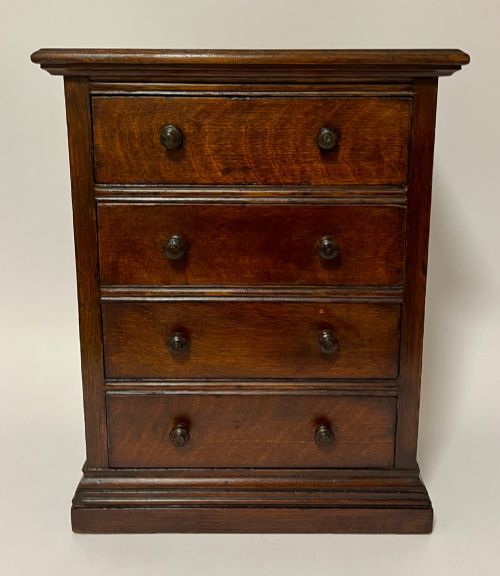
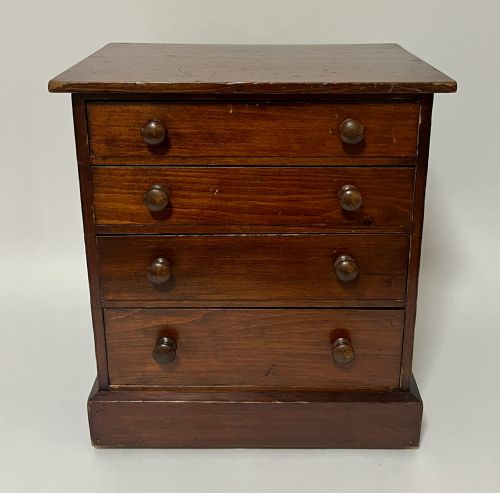
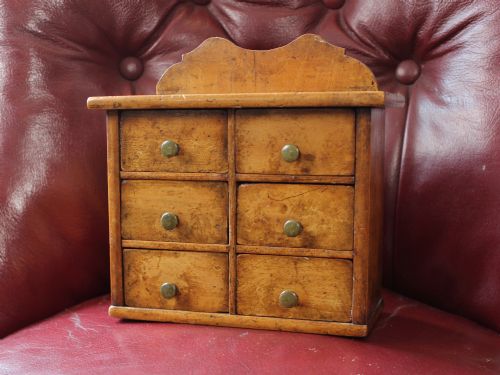
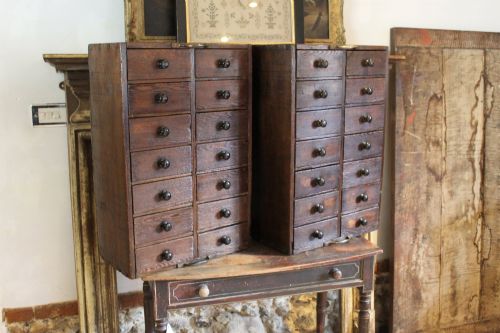
The most common formats you will encounter include collectors' cabinets with multiple shallow drawers, miniature chests of drawers, cigar humidors, and specialised spice or specimen cases. These items were originally made for doctors, watchmakers, naturalists, and offices, designed to sit comfortably on a desk or countertop.
Origins range across English, French, and Flemish workshops, employing styles such as Victorian, Edwardian, Regency, and Gothic Revival. Their compact proportions make them practical for modern studies and living rooms where floor space is limited.
Materials and Construction
Cabinet makers relied primarily on hardwoods such as oak, mahogany, walnut, and satinwood, often enhanced by decorative veneers like burr elm, kingwood, and ebony. Pine and fruitwood appear in vernacular pieces and utility storage units, whilst brass provides durable drop handles, escutcheons, and hinges.
Joinery techniques focus on stability and precision, given the small scale of miniature chests and drawer banks. Interiors frequently utilise secondary woods and simple cloth or paper linings to protect delicate contents such as watch parts, insects, or cigars.
Materials across these listings include oak, mahogany, walnut, pine, fruitwood, ebony, kingwood, brass, and iron.
Standard and Execution
Quality rests in the selection of timber figure, the tightness of drawer joints, and the integrity of the original brass hardware. Pieces constructed with matched burr veneers or finely turned pulls demonstrate superior workshop output compared to plain utility storage.
Proportion and interior organisation also dictate standing. A cabinet with smooth-running drawers, well-fitted dust lips, and intact locks reflects careful cabinet making, whereas modified or heavily restored examples sit lower in the range.
D Napier & Sons·Manoah Rhodes & Sons Ltd·Alfred Dunhill·Amberg
The Desktop Storage Cabinet Glossary
- Specimen cabinet
- A small piece of furniture fitted with shallow drawers designed to hold natural history collections such as insects, minerals, or botanical samples. These drawers often feature glass lids or tight-fitting sides.
- Humidor
- A specialised box or cabinet lined with wood to maintain humidity for storing cigars. Many examples incorporate interior dividers and humidifying elements.
- Escutcheon
- A protective plate surrounding a keyhole, usually cast in brass. It prevents the wood around the lock from splitting with repeated use.
- Apprentice chest
- A miniature chest of drawers traditionally made by a craftsman to demonstrate skill to a guild. They replicate full-size furniture in every detail.
- Draper's cabinet
- A countertop unit fitted with numerous small drawers originally used in shops to organise haberdashery items like ribbons and needles.
Desktop Storage Cabinet: Frequently Asked Questions
What were desktop cabinets used for originally?
These cabinets served specific domestic and professional purposes, from storing medical supplies and smoking accessories to holding natural history specimens and correspondence.
Craftsmen and merchants relied on them to keep small, valuable items organised and secure on top of desks or counters.
How do I care for an antique wooden cabinet?
Keep the wood away from direct heat sources and strong sunlight to prevent the timber and veneers from drying out or splitting.
Apply a traditional beeswax polish occasionally to nourish the surface, avoiding modern silicone sprays.
Are the locks and keys usually original?
Many older cabinets retain their original brass lever locks, though keys are frequently replaced over decades of use.
Working keys add utility, but collectors often judge the piece primarily by the quality of the timber and construction.
Can I use these cabinets for modern office storage?
Shallow drawer banks and miniature chests suit the storage of modern stationery, fountain pens, and small electronics.
Checking the internal drawer dimensions ensures your specific items will fit comfortably inside.