



Tabletop Specimen Cabinet
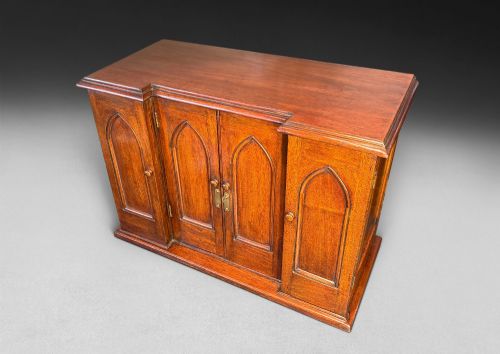
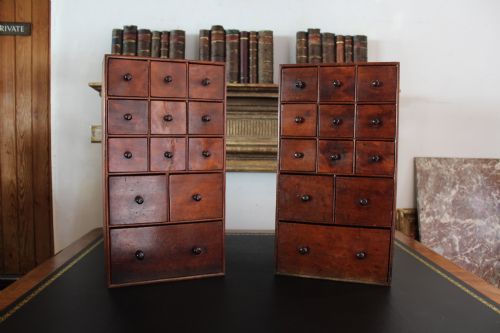
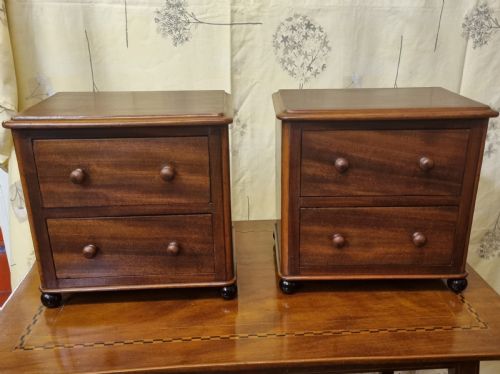
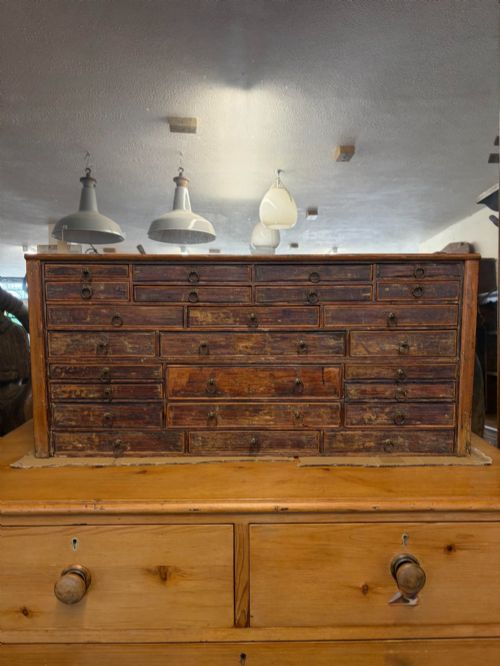
These tabletop specimen cabinets provide compact storage for small collections, bringing period craftsmanship into daily use.
Tabletop Specimen Cabinet
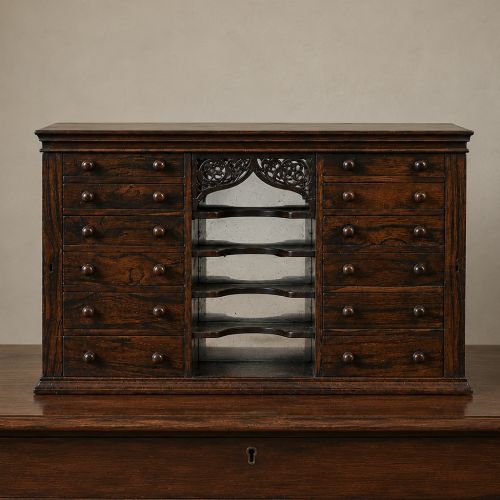
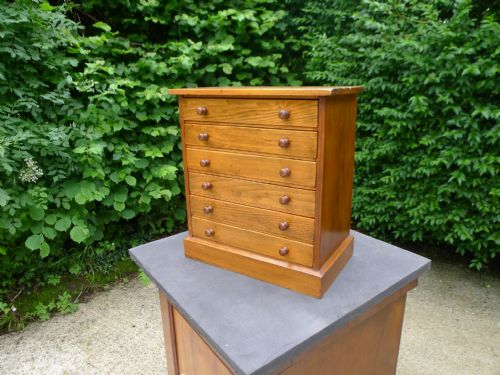
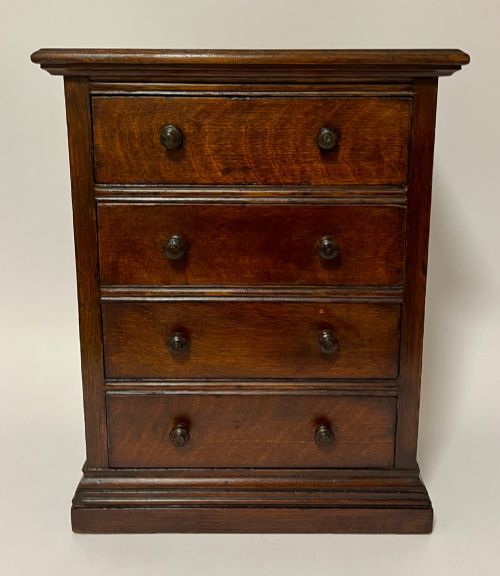
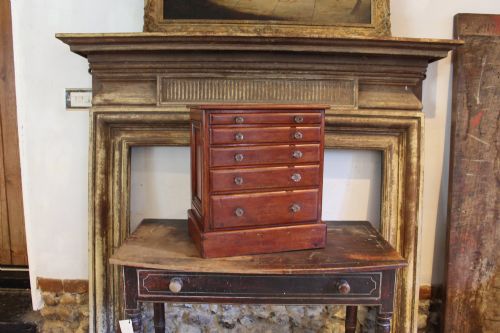
A tabletop specimen cabinet organises small items within multiple internal drawers or behind glass doors. When exploring a tabletop specimen cabinet, expect to find formations originating across the eighteenth, nineteenth, and early twentieth centuries.
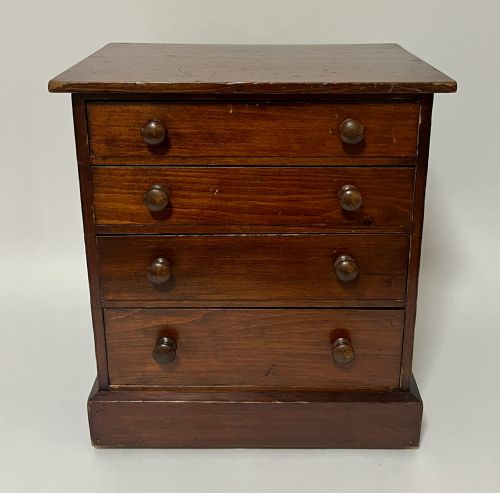
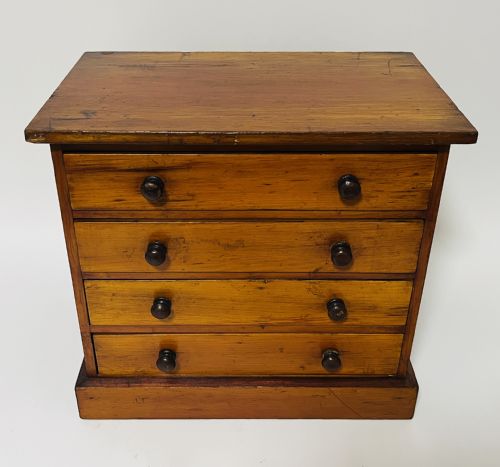
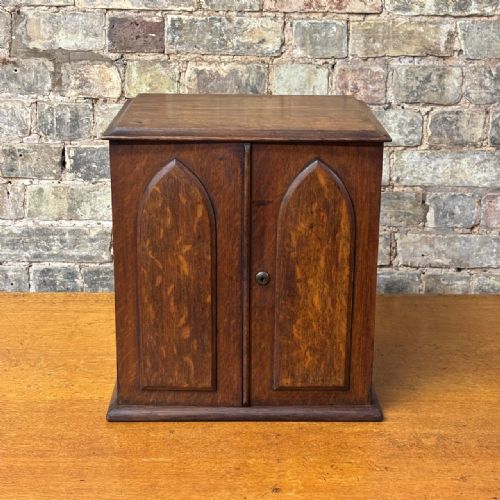
The selections on this page appear as miniature chests, banks of drawers, and glazed display cases designed to sit upon surfaces. Woods such as mahogany, oak, pine, and walnut dominate the construction of these items.
Materials and Construction
Cabinet makers constructed these pieces using dense hardwoods like mahogany, walnut, and oak, alongside softer timbers including pine and deal. Brass handles, drop pulls, and locks frequently accent the exterior framework of these drawers and cases.
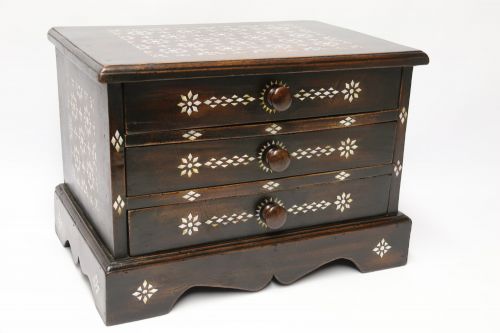
Joinery methods involve panelled doors, fitted internal dividers for microscopic slides or specimens, and glazed fronts. Surfaces show polish, inlay, or stained finishes applied to hardwoods and exotic timbers.
Tabletop Specimen Cabinet Retail Price Guide 2026
Typical asking prices for tabletop specimen cabinet among the pieces listed under this phrase on Sellingantiques today, from the lower quarter to the upper quarter. They describe what is for sale here now, not the wider market.
Listings feature eighteenth, nineteenth, and early twentieth-century examples built from mahogany, oak, pine, walnut, and brass.
Evaluating Quality
The standard of timber selection divides the groups, with figured veneers, burr walnut, and rosewood sitting above plain stained pine. Fine examples incorporate integrated brass hardware and precision-fitted drawer banks.
Construction integrity shows in the dovetailing of internal drawers and the preservation of original glass or panelled doors. Cabinet proportion and decorative restraint distinguish standard workshop production from finer pieces.
Luxmore's of Ilfracombe
The Tabletop Specimen Cabinet Glossary
- Tabletop specimen cabinet
- A portable case fitted with multiple small drawers for housing geological, botanical, or entomological items. These units rest directly on tables or desks.
- Wellington chest
- A tall narrow chest of drawers secured by a hinged locking stile on one edge. This locking mechanism fastens all drawers simultaneously with a key.
- Apprentice piece
- A miniature item produced by a tradesperson to demonstrate skill. These examples mirror full-scale furniture designs in reduced dimensions.
- Apothecary chest
- A set of small drawers designed to hold medical ingredients or preparations. They often feature numerous identical compartments.
- Specimen case
- A glazed enclosure built to protect fragile items from dust and handling. They allow visual inspection while maintaining a sealed interior.
Tabletop Specimen Cabinet: Frequently Asked Questions
What did people store inside these cabinets?
These cabinets housed natural history collections, including insect specimens, geological samples, and botanical items. Microscope slides and small apothecary preparations also filled the internal drawers.
Collectors valued the compartmentalised storage for keeping delicate research materials sorted and protected from environmental damage.
How do I identify the period of a cabinet?
Dating relies upon timber choice, hardware style, and construction traits visible across the frame. Eighteenth-century pieces often display simple oak or mahogany structures, while Victorian examples introduce burr walnut and glazed viewing doors.
Later pieces from around nineteen hundred often utilise stained pine or deal with simpler brass handles. Examining the drawer dovetails helps confirm the era of manufacture.
Are the drawers usually lockable?
Many tabletop cabinets feature functional locks fitted to the main door or incorporate a side locking bar. Keys allowed owners to secure valuable or delicate contents from casual handling.
Original locks and matching keys remain present on several period examples found today.
Can I use them for modern collections?
The shallow drawers and compartmentalised layouts suit the storage of modern small objects like jewellery, coins, or fossils. The compact footprint allows placement on standard tabletops or desks.
Owners often repurpose apothecary chests and specimen cases for organising desktop stationery and curiosities.