

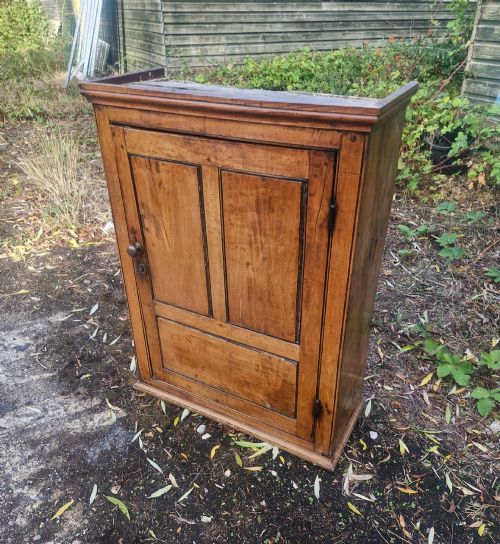
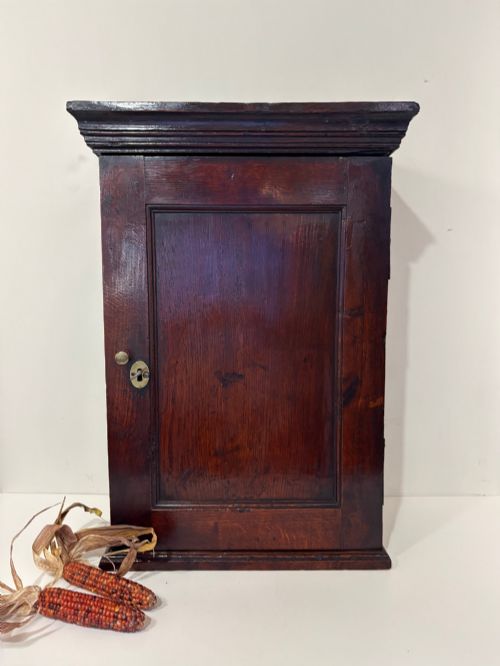
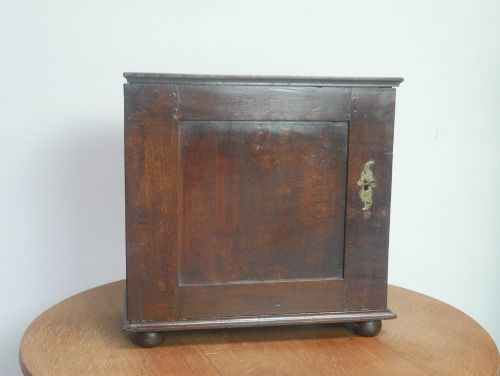
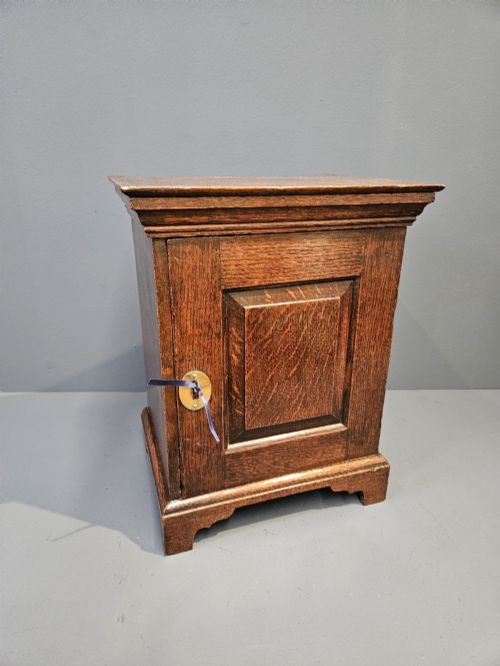




Georgian Spice Cupboard
A georgian spice cupboard keeps provisions safe in compact style, bringing practical eighteenth-century storage into modern rooms.
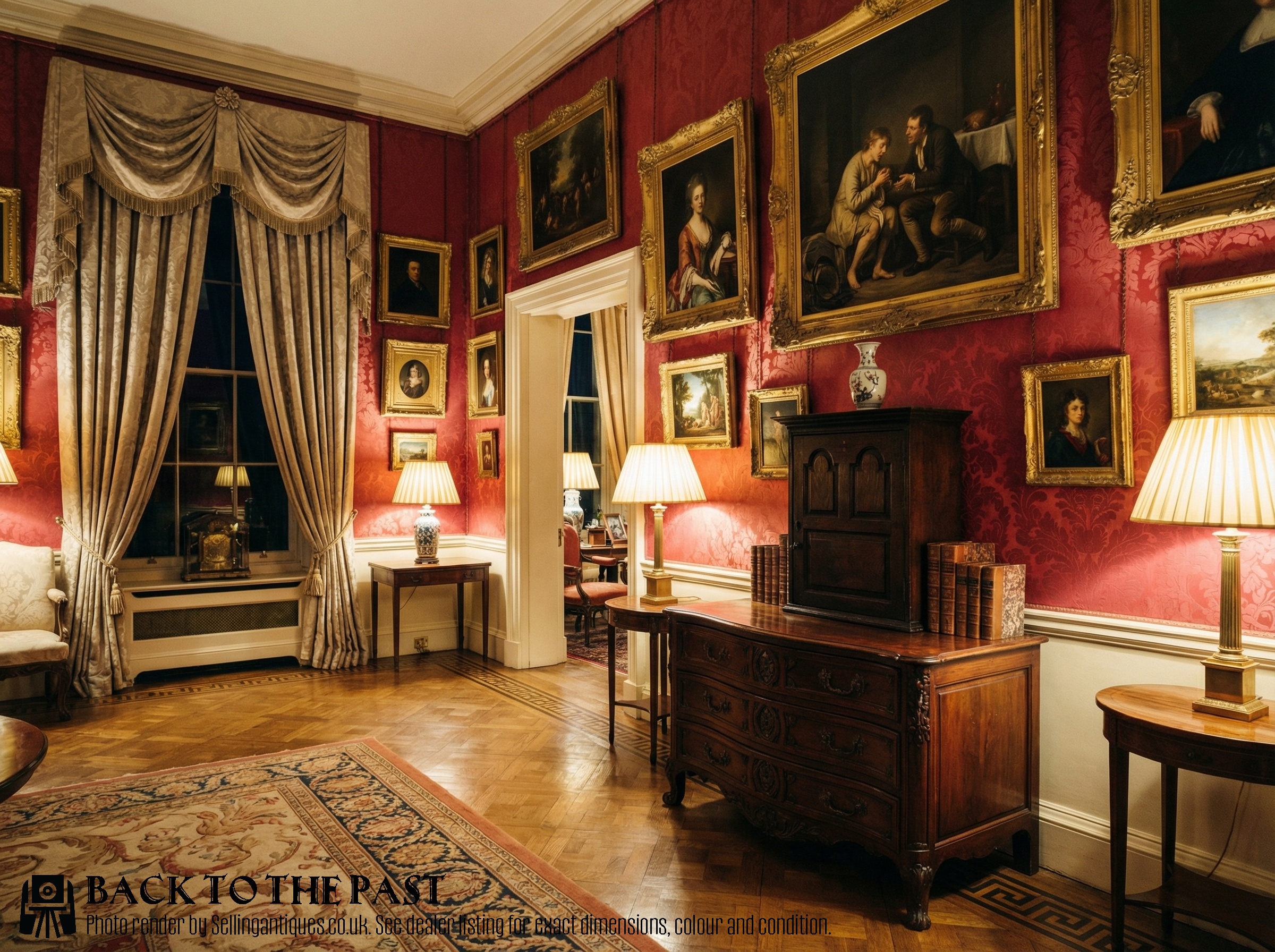
Georgian Spice Cupboard
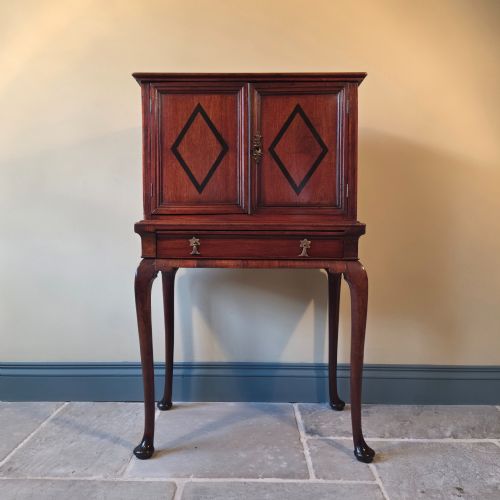
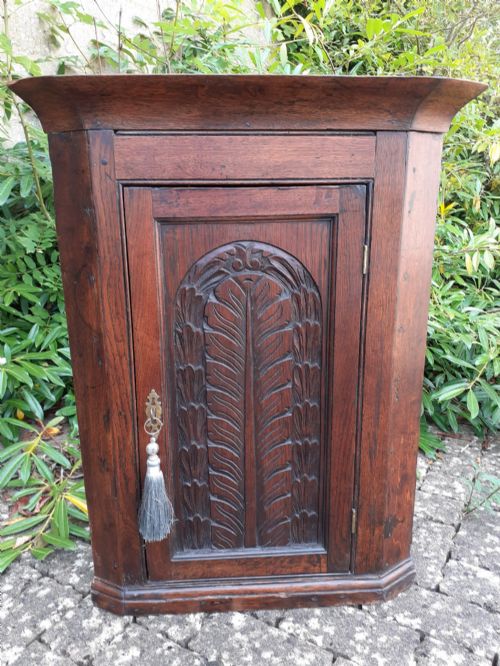
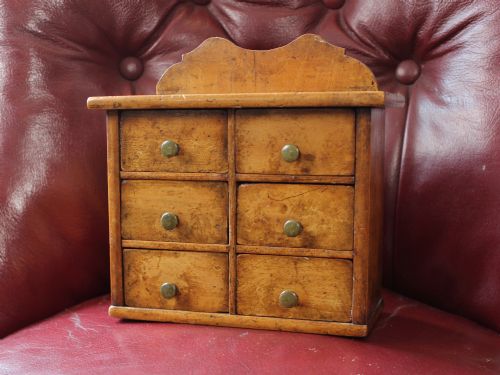
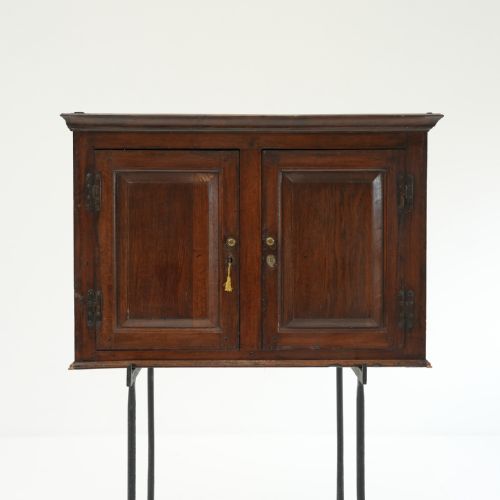
A georgian spice cupboard typically presents as a small wall-hanging or table-top cabinet designed to secure valuable culinary stores. The versions most commonly met here date from the eighteenth century, constructed primarily in oak and sometimes incorporating internal drawers behind a single panelled door.
Makers shaped these utilitarian objects for domestic domestic settings, ranging from provincial workshops to regional centres like Wales and Yorkshire. Alongside dedicated spice cabinets, related wall cupboards and miniature chests appear across the selection.
What varies in quality
The standard of a georgian spice cupboard rests upon the choice of timber and the crispness of its construction. Fine examples show careful grain matching, original brass hardware, and precise joinery that survives centuries of use.
Simpler provincial pieces rely on robust oak with straightforward pegged joints, whereas metropolitan cabinets often incorporate polished mahogany and refined decorative carving or inlay.
Georgian Spice Cupboard Retail Price Guide 2026
Typical asking prices for georgian spice cupboard among the pieces listed under this phrase on Sellingantiques today, from the lower quarter to the upper quarter. They describe what is for sale here now, not the wider market.
Materials across the selection span oak, mahogany, pine, fruitwood, walnut, ebony, brass, and iron.
The Georgian Spice Cupboard Glossary
- Hanging cupboard
- A cabinet fitted with brackets or fixing points to be mounted directly onto a wall. These space-saving units kept precious items away from damp floors.
- Tambour front
- A door constructed from narrow vertical strips of wood glued to a flexible backing, allowing it to slide smoothly around a curved track. This technique appeared on select mahogany pieces.
- Provincial
- Describing items made outside major urban centres by local artisans. These pieces frequently display regional character and native timbers like oak or fruitwood.
- Miniature furniture
- Small-scale cabinets and chests created either as masterworks by apprentices or as portable containers for precious goods. They replicate the full-scale proportions of larger furniture.
Georgian Spice Cupboard: Frequently Asked Questions
Where were they originally hung?
These cabinets were typically secured to kitchen or pantry walls to keep valuable spices and provisions within easy reach yet safely enclosed.
Their compact dimensions allowed them to fit into smaller domestic spaces where floor standing furniture would prove impractical.
How do I mount a wall cabinet safely?
Modern installation requires locating proper wall studs or utilising heavy-duty fixings suited to the weight of solid oak and mahogany.
Because original hanging brackets vary, professional assessment ensures the cabinet remains secure against the wall.
What woods were commonly used?
Oak appears most frequently in these pieces, particularly in regional and early eighteenth-century examples.
Mahogany and fruitwood also occur, especially in later or more refined urban cabinets.
Are the drawers inside original?
Many surviving cabinets retain their small internal spice drawers, which slide behind the main locking door.
Checking the timber and construction of these internal compartments helps confirm their period origin.