



Small Wooden Jewellery Chest
A small wooden jewellery chest holds your keepsakes safely while bringing traditional cabinet-making into a modern room.
Small Wooden Jewellery Chest
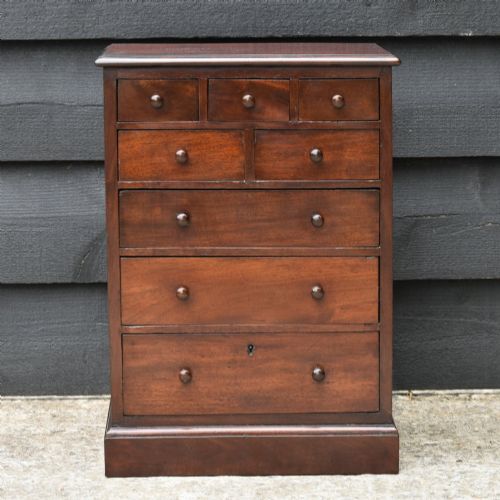
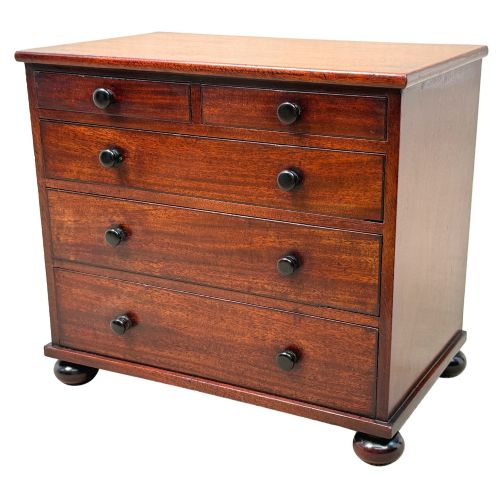
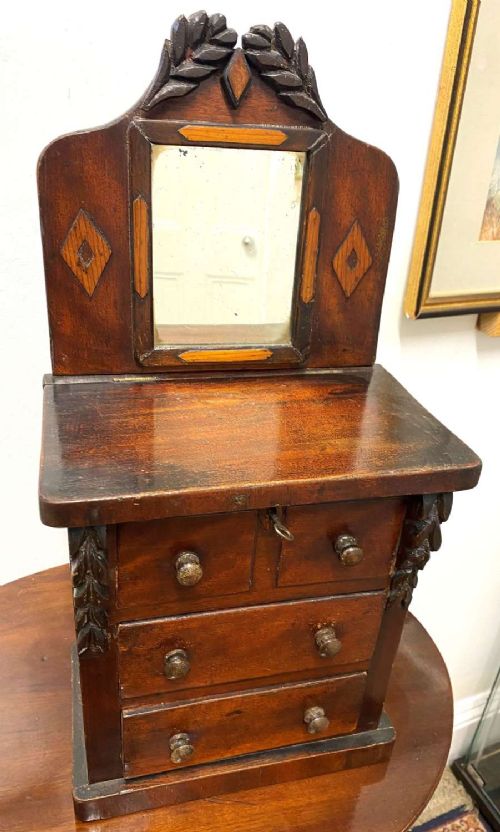
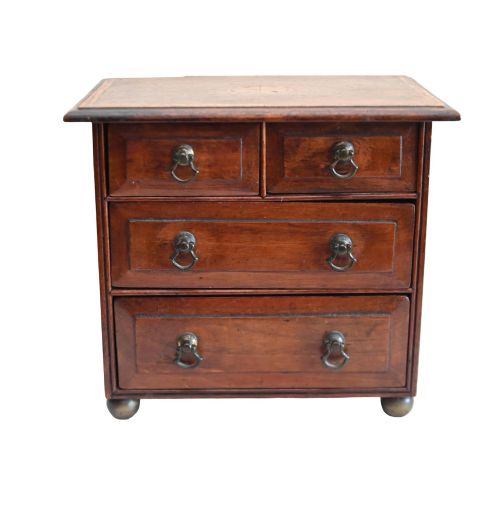
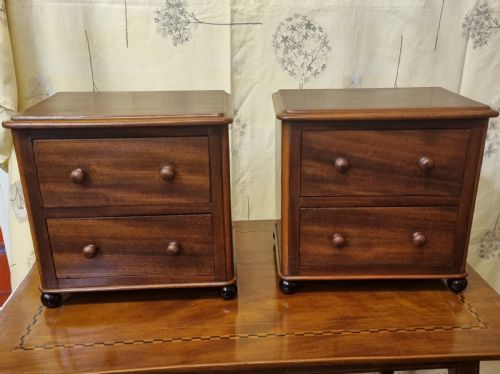
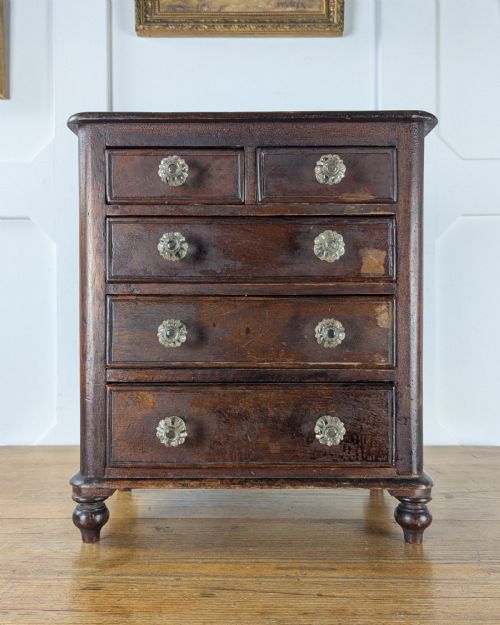
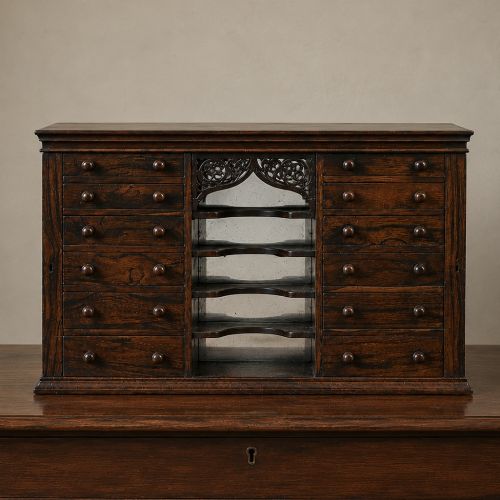
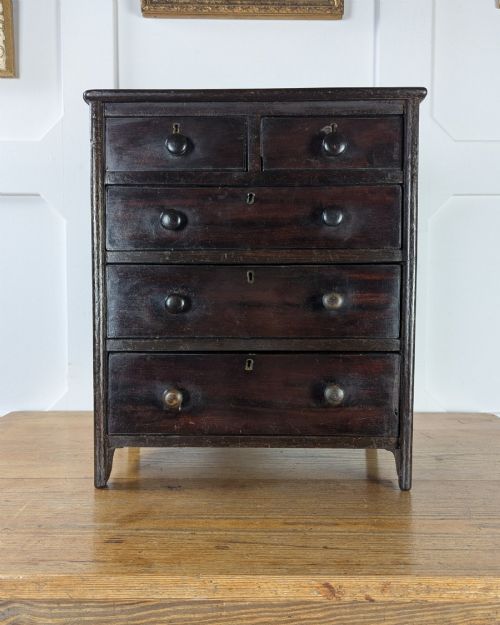
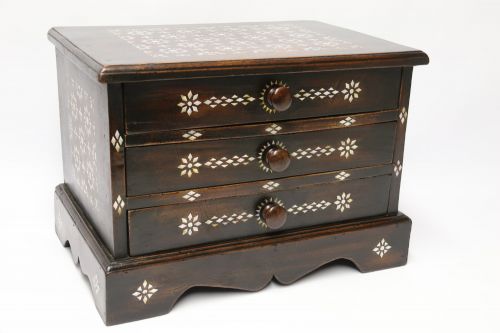
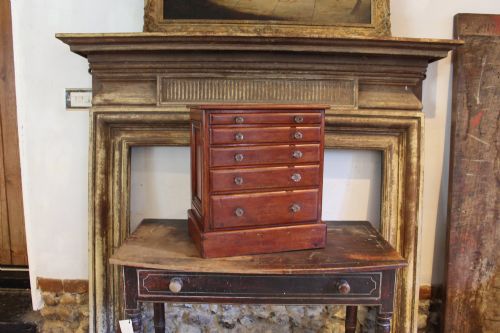
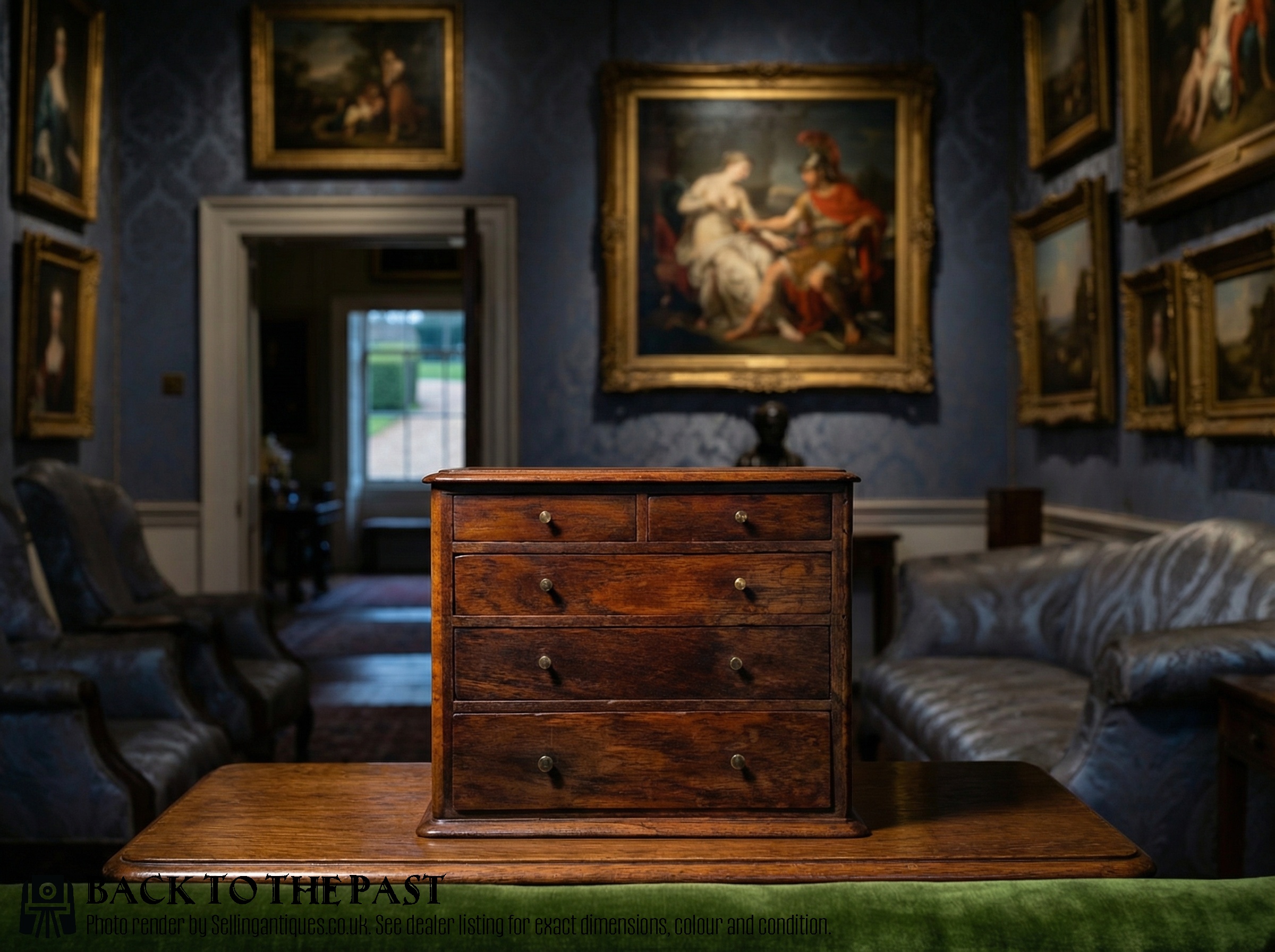
A small wooden jewellery chest brings the proportions and details of larger case furniture down to a tabletop scale. When buyers search for this phrase, they encounter miniature chests of drawers, apprentice pieces, and tabletop collector cabinets dating from the eighteenth century through to the early twentieth century.
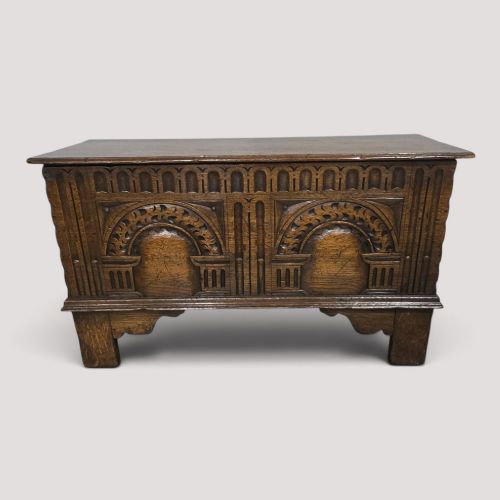
The versions most commonly met on this page are Victorian mahogany and walnut miniature chests of drawers, alongside Edwardian and Regency tabletop pieces. These items include specialised forms such as Wellington chests, mule chests, and watch repairer's chests adapted for domestic storage.
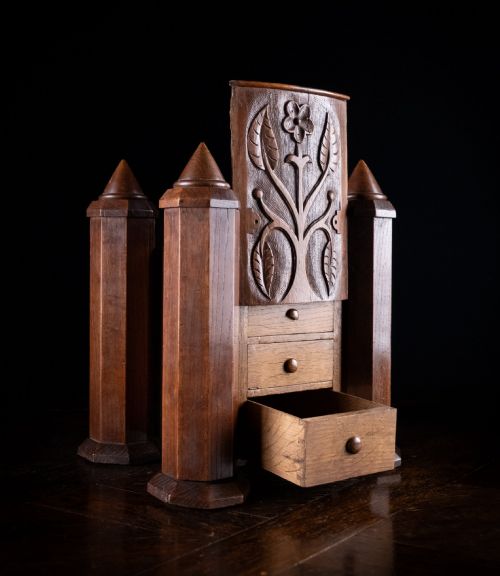
Origins stretch across British, French, Spanish, Anglo-Indian, and East African workshops, showing diverse regional timber choices and decorative traditions. These small chests function just as effectively for modern trinkets and keepsakes as they did for original collectors.
Materials and construction
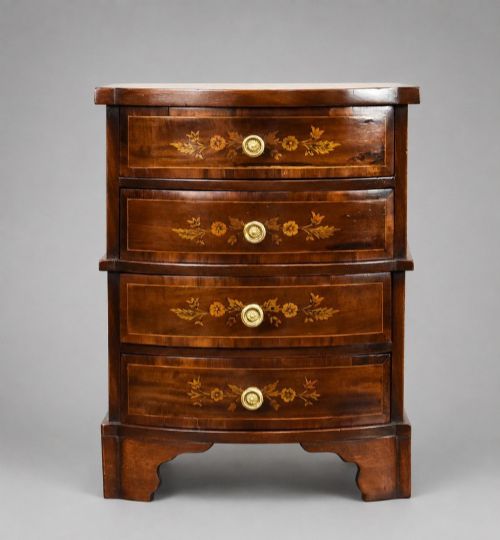
Cabinet makers built these small chests using solid hardwoods like mahogany, oak, walnut, and rosewood, often enhanced by decorative wood inlay, marquetry, or satinwood banding. Secondary timbers such as pine appear on internal drawer linings and back panels.
Metal components played a structural and decorative role, featuring brass handles, escutcheons, hinges, and occasional locking mechanisms with keys. Glass panels appear on display doors, while specialised pieces incorporate intricate wood grain arrangements like burr oak and figured walnut.
Small Wooden Jewellery Chest Retail Price Guide 2026
Typical asking prices for small wooden jewellery chest among the pieces listed under this phrase on Sellingantiques today, from the lower quarter to the upper quarter. They describe what is for sale here now, not the wider market.
Listings feature 18th-century, Regency, Victorian, and Edwardian periods, utilising mahogany, walnut, oak, brass, and wood inlay.
Distinctions in quality
Quality rests upon the precision of the joinery and the selection of timber figures, such as matched mahogany flames or burr walnut grains. Superior examples display tight dovetail joints on the drawers and smooth operation of secret drawers or locking bars.
The handling of secondary details separates standard utility pieces from exceptional cabinet work. Fine turned feet, crisp brass hardware, and well-preserved surface patinas indicate skilled workmanship from the period.
The Small Wooden Jewellery Chest Glossary
- Apprentice piece
- A small scale item demonstrating a craftsman's skill to gain master status in a guild. These objects frequently take the form of miniature chests of drawers.
- Wellington chest
- A tall narrow chest of drawers secured by a hinged vertical locking side bar held in place by a key. This form provides compact security for valuables.
- Marquetry
- Decorative veneer work forming pictorial or geometric patterns using various coloured woods. Craftsmen applied this technique to drawer fronts and cabinet tops.
- Escutcheon
- A protective metal plate surrounding a keyhole. These fittings prevent the surrounding wood from wearing down through regular use.
- Patina
- The surface sheen and softening of tone developed by wood through age and handling. A rich patina indicates decades of care.
Small Wooden Jewellery Chest: Frequently Asked Questions
What were small wooden jewellery chests originally used for?
These miniature chests served various practical purposes in historical homes, functioning as desktop storage for letters, trinkets, and small valuables. Many were built by aspiring craftsmen to test complex joinery techniques.
Over time, owners repurposed these small drawers and cabinets to hold jewellery, keepsakes, and watch repair tools. Their sturdy construction made them reliable for both stationary desktop use and travel.
How do I identify a Victorian miniature chest?
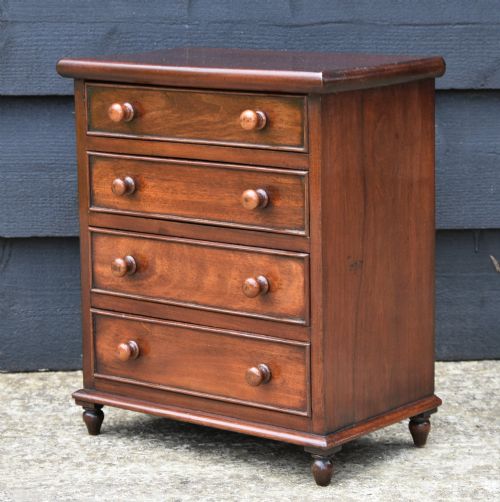
Victorian miniature chests typically feature dense timbers like mahogany or walnut, frequently incorporating turned wooden feet and brass drawer pulls. Look for period construction methods such as hand-cut dovetails on the drawer sides.
Many nineteenth-century examples reflect the full-sized furniture styles of the reign, including bow fronts and Wellington locking mechanisms. Interior linings often consist of marbled paper or simple cotton velvet.
Can I use an antique collector cabinet for modern jewellery?
Antique collector cabinets and tabletop chests suit modern jewellery storage exceptionally well due to their shallow drawers and compartmentalized layouts. Their compact footprint fits easily onto dressing tables or sideboards.
Buyers often line the drawers with acid-free tissue or soft fabric to protect delicate modern pieces from friction. The secure drawers keep necklaces and rings neatly organised and out of sight.