
Antique Trinket Chest
An antique trinket chest holds small valuables securely, offering compact storage with period charm that collectors prize.
What an antique trinket chest is
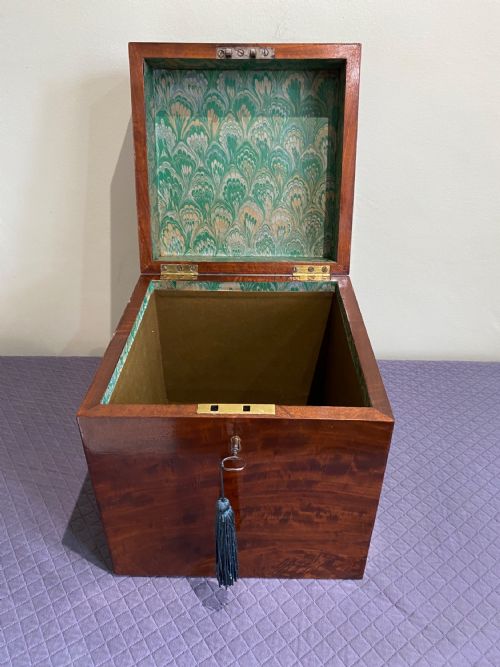
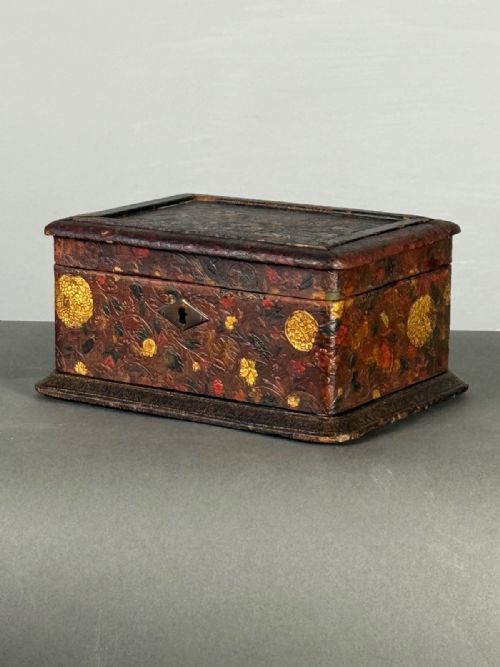
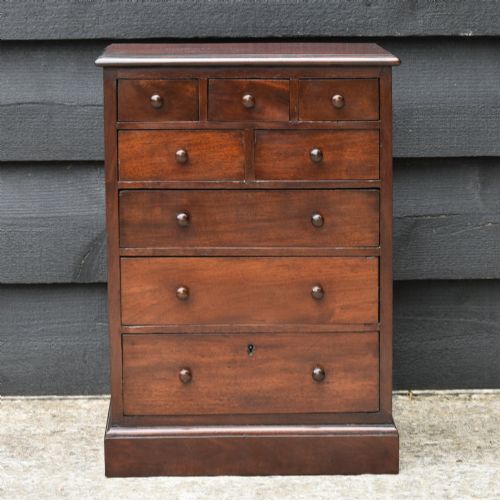
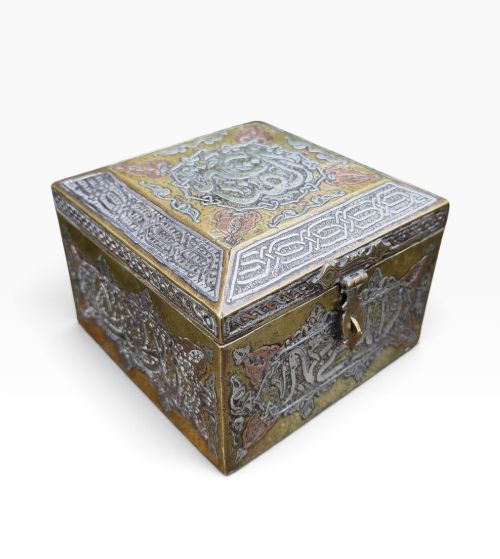
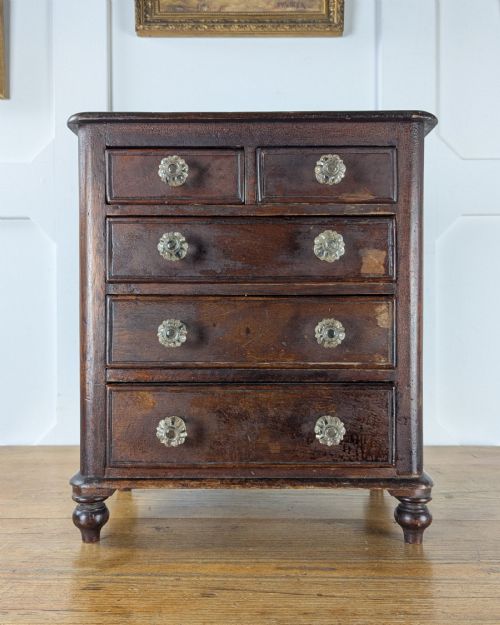
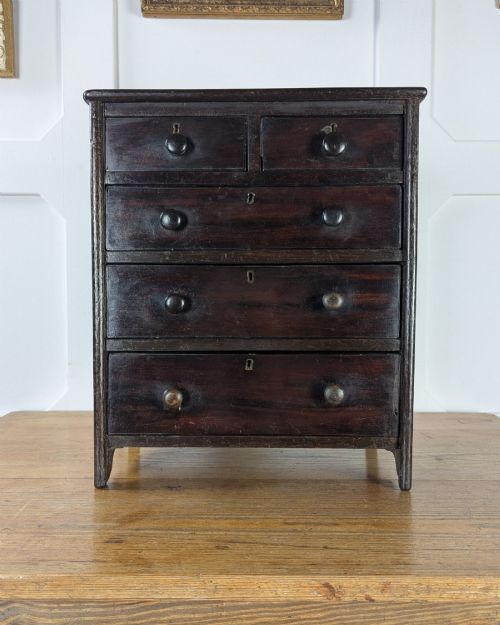
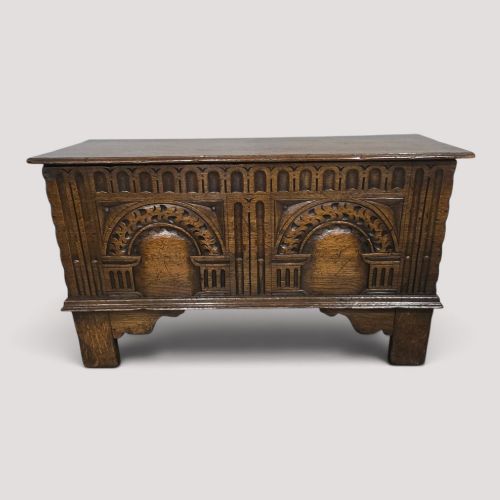
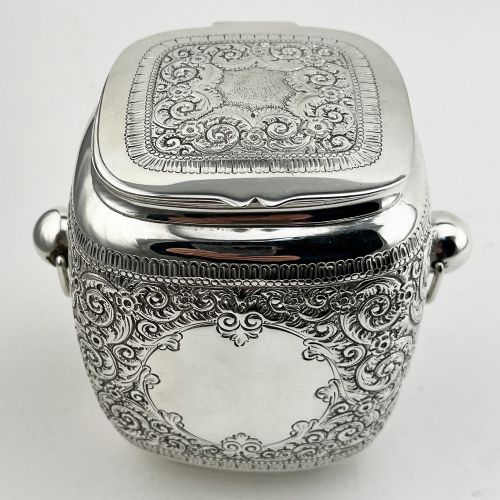
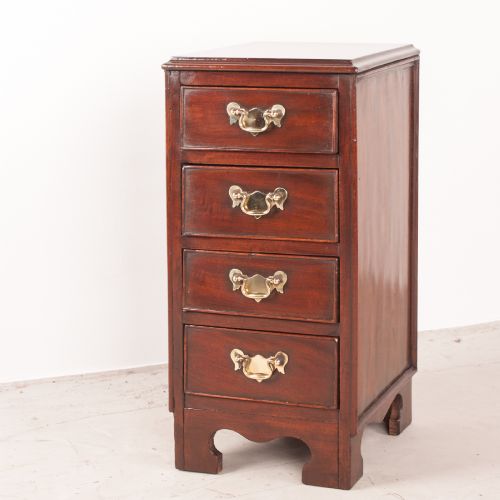
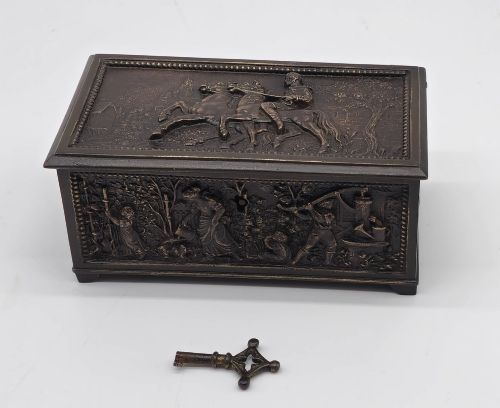
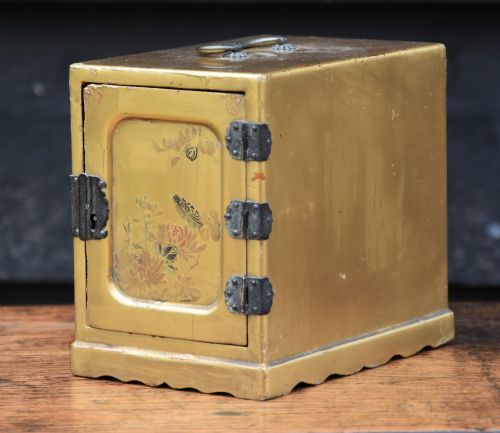
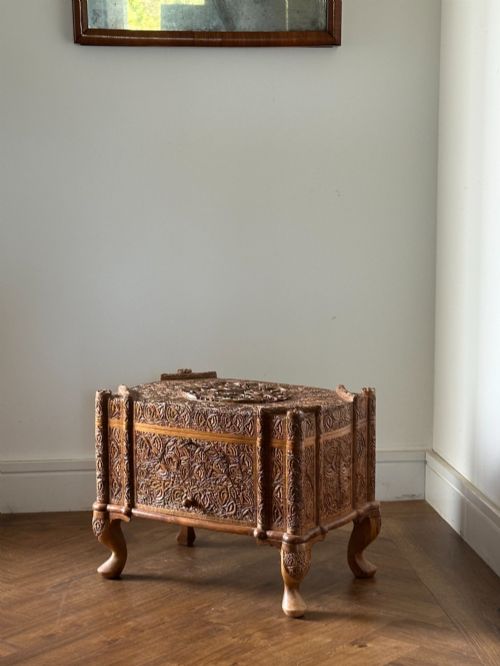
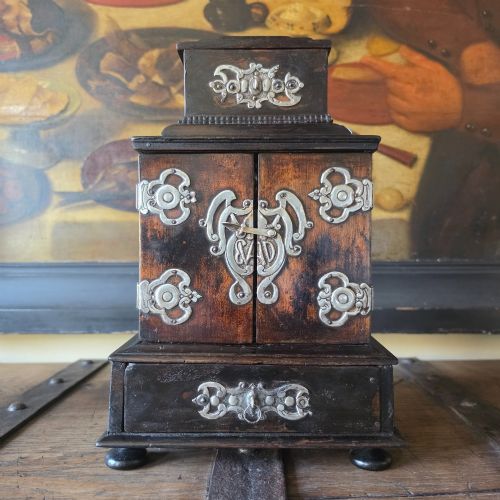
An antique trinket chest encompasses small storage containers designed for jewellery, keepsakes, and valuables, appearing across multiple eras from the eighteenth century through to the late Victorian period. These pieces function as miniature furniture or portable boxes, taking the form of cabinets, bowfront chests of drawers, and lidded caskets.
The pieces on this page are most frequently Victorian works or nineteenth-century productions, alongside eighteenth-century walnut cabinets and Regency mahogany miniature chests of drawers. Earlier examples demonstrate sophisticated miniature cabinet-making, while the nineteenth-century variants often feature specialised interior compartments for jewellery.
Buyers encounter diverse object types under this search phrase, including jewellery boxes, collectors cabinets, and miniature chests of drawers. Each variation provides specialised storage on a domestic scale, combining functional utility with decorative cabinetwork.
How they were made
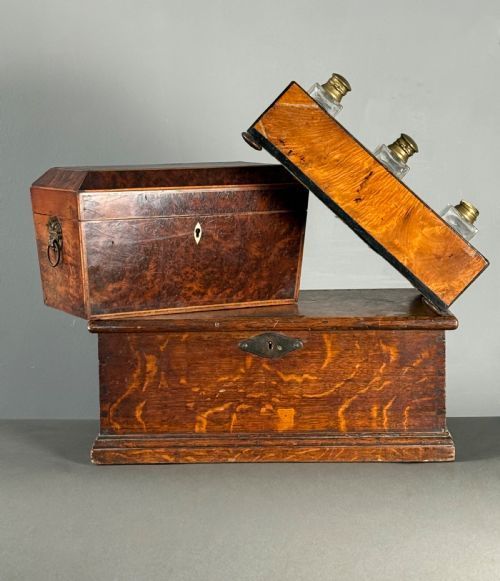
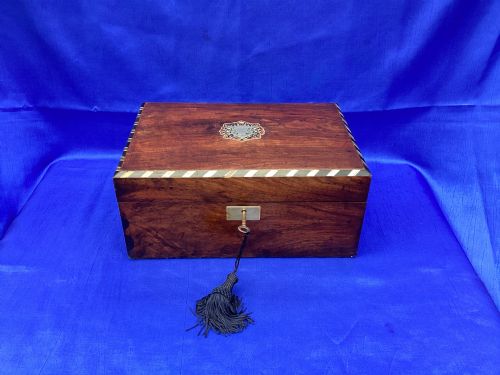
Cabinet-makers constructed these chests using dense hardwoods such as mahogany, walnut, and rosewood, frequently shaping them into forms like bowfronts or miniature chests of drawers. Decoration relied heavily on natural inlays, notably mother-of-pearl accents set directly into the wood surfaces.
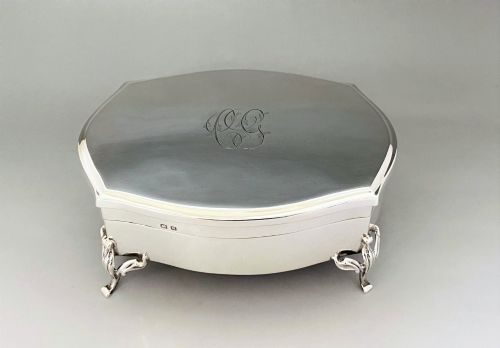
Metal components played a structural and decorative role, utilising brass fittings alongside silvered metal and cast bronze. Certain pieces integrated glass elements to display contents, while specialised silver boxes incorporated hallmarks denoting specific assay offices like Chester.
Retail Price Guide 2026
Typical UK retail prices for trinket chest, calculated from the Sellingantiques database of over a million retail prices indexed since 2003. This retail price guide relies exclusively on Sellingantiques data; no external sources or auction records are used, so the figures do not describe the wider market.
Materials utilised across these listings include mahogany, walnut, rosewood, brass, glass, and mother-of-pearl.
What varies in quality
Quality diverges between utilitarian containers and masterworks of miniature cabinet-making, distinguished by the precision of joinery and the selection of timber. Superior chests display figured mahogany or walnut veneers matched symmetrically across the facade.
The refinement of decorative application dictates the upper tier of pieces, seen in the meticulous placement of mother-of-pearl inlay and the casting quality of bronze or brass mounts. Finer examples maintain internal integrity with original velvet or silk linings and intact compartmentalization.
The Antique Trinket Chest Glossary
- Bowfront
- A convex curving cabinet front that projects outward in a smooth arc. This shape gained popularity during the Regency and Victorian periods for miniature chests.
- Mother of pearl
- The iridescent inner layer of certain mollusc shells used extensively for decorative inlay. Artisans cut thin sections to form geometric patterns or floral motifs on wood surfaces.
- Hallmark
- An official stamp applied to precious metals indicating the standard of purity and the place of assay. Chester assay marks frequently appear on silver boxes from the Victorian and Edwardian eras.
Frequently Asked Questions
How were antique trinket chests used?
These chests served primarily on dressing tables or writing desks to hold rings, brooches, and loose valuables. Their compartments kept delicate items organised and protected.
Wealthy owners utilised them to display small keepsakes and curate personal collections of curiosities.
How do I date an antique trinket chest?
Dating relies on identifying timber choices, construction techniques, and decorative styles associated with specific periods. Walnut and heavy brass indicate earlier eighteenth-century origins.
Mother-of-pearl inlay and specific wood veneers point toward nineteenth-century Victorian production, while silver boxes often carry legible assay hallmarks.
Where should I place a trinket chest at home?
Trinket chests suit placement on chest tops, dressing tables, or deep windowsills where their detail is visible. Their compact footprint requires minimal space.
Collectors often position them within studies or drawing rooms to continue their historic function as desktop or tabletop accessories.