

Antique Tabletop Drawers
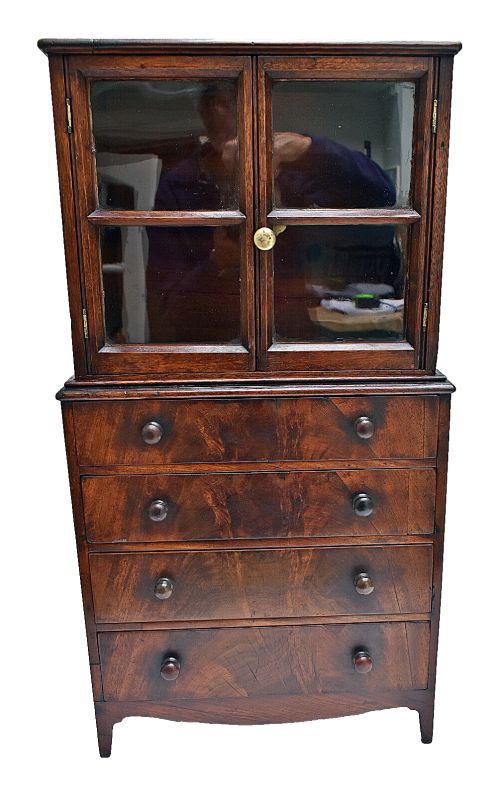
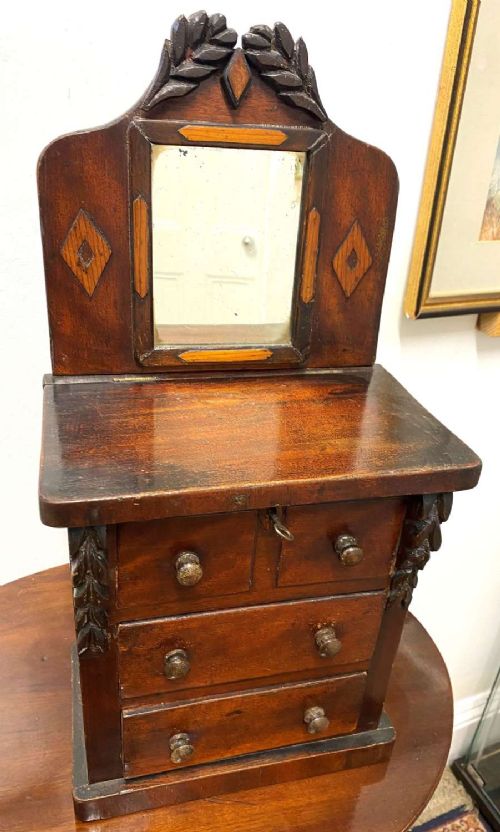
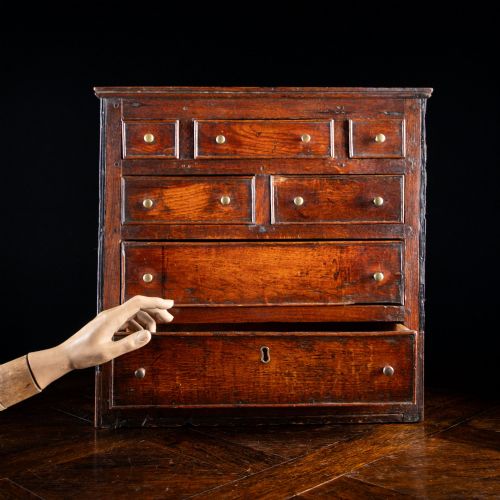
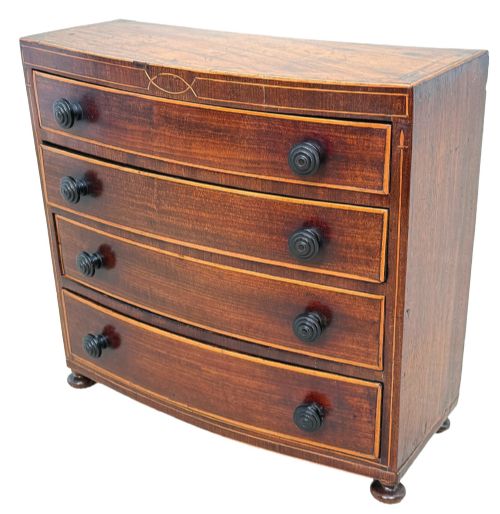
Antique tabletop drawers encompass small chests, specimen cabinets, and tilting mirrors that bring compact utility to a room.
Antique Tabletop Drawers
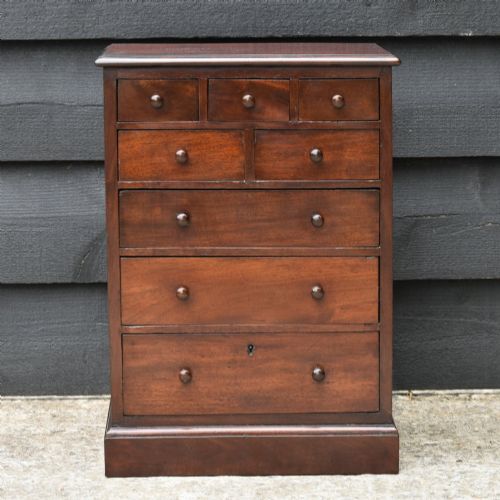
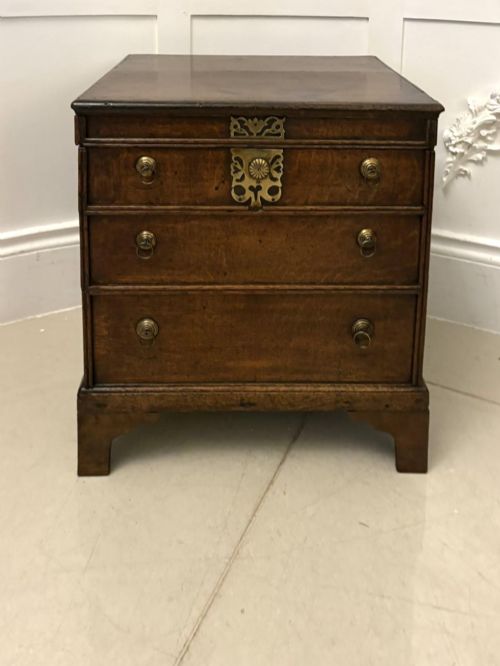
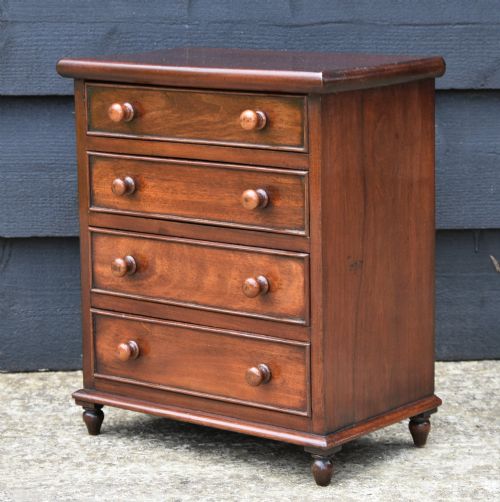
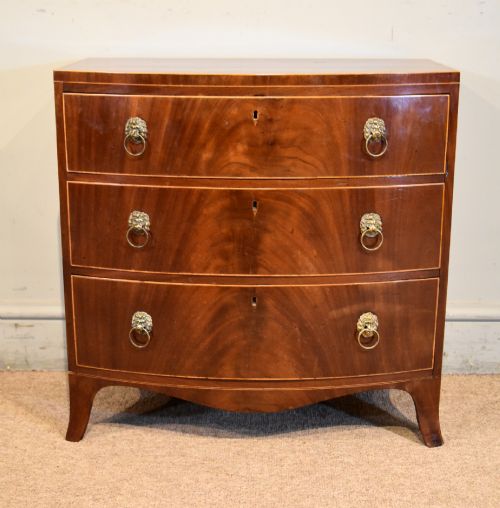
When you search for antique tabletop drawers, you find a diverse group of small-scale furnishings designed to sit on larger surfaces. The selection spans Georgian, Victorian, and Regency periods, alongside pieces from the early twentieth century. These items include miniature chests, apothecary units, and dressing mirrors fitted with small compartments.
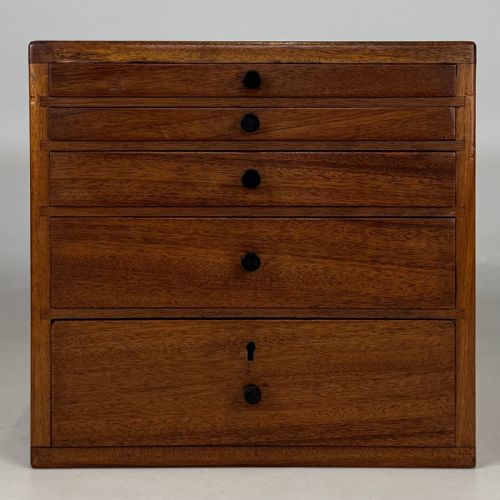
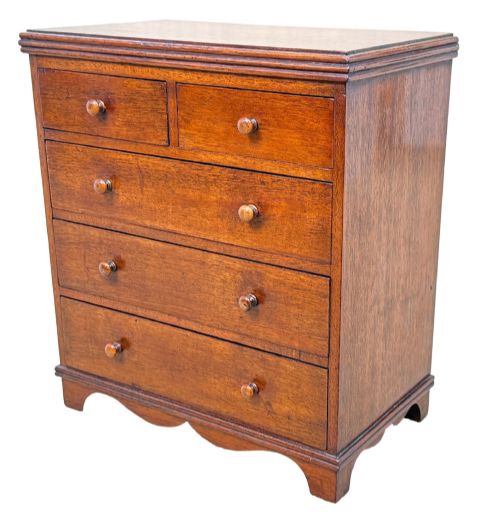
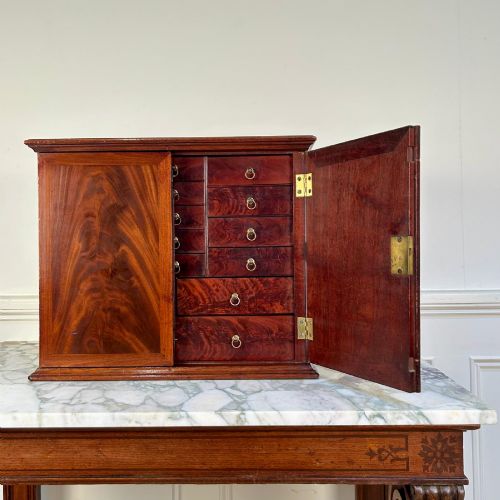
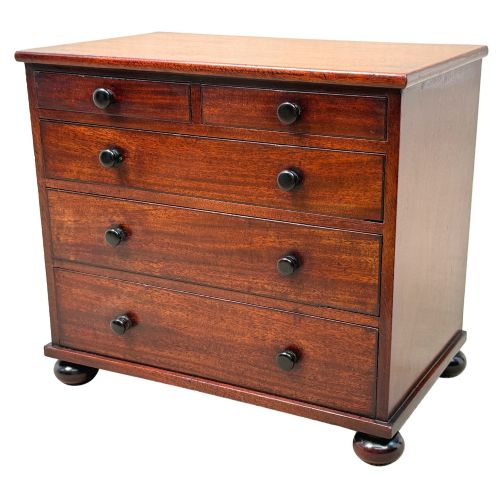
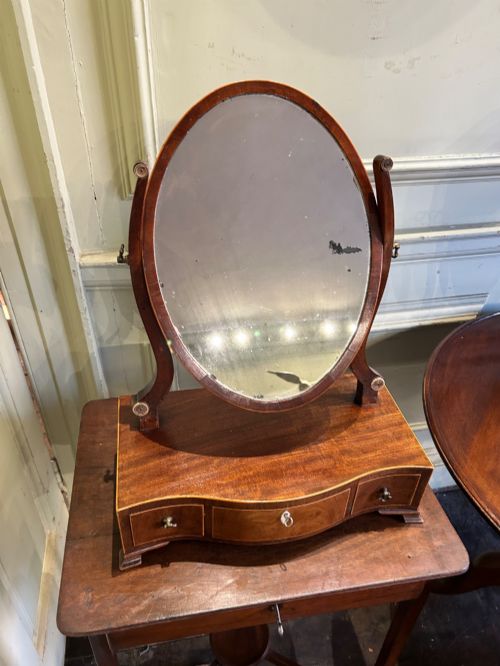
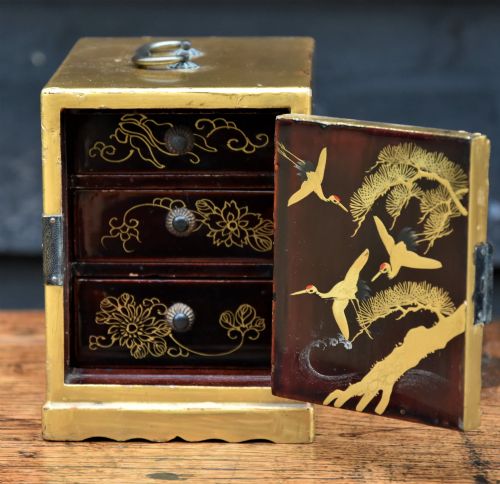
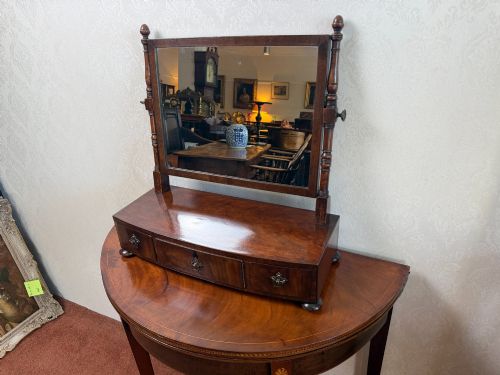
Miniature chests and apprentice pieces mimic full-sized furniture formats down to the drawer construction. Toilet mirrors and dressing table mirrors combine a pivoting glass frame with a box base containing one or more small drawers. Collectors cabinets, filing drawers, and specimen chests provide segmented storage for small objects.
Mahogany remains the dominant wood across the pieces, accompanied by walnut, pine, oak, satinwood, and rosewood. Examples appear in various regional styles, including Dutch and Anglo Indian forms. The scale allows these furnishings to function on desks, sideboards, and tabletops without dominating a room.
How They Were Made
Cabinetmakers constructed these pieces primarily from solid and veneered hardwoods such as mahogany and walnut, supported by secondary timbers like pine. Fine examples incorporate crossbanding, inlay, and carved details that match the cabinet standards of their respective periods.
Drawer boxes feature traditional joinery, housing small brass pulls, bone escutcheons, or turned wooden knobs. Mirror frames employ pivoting brass armatures attached to shaped uprights, while glass plates utilise silvered mirror glass.
Antique Tabletop Drawers Retail Price Guide 2026
Typical asking prices for tabletop drawers among the pieces listed under this phrase on Sellingantiques today, from the lower quarter to the upper quarter. They describe what is for sale here now, not the wider market.
Among the small-scale storage options sits a homeopathic and apothecary chest, designed for administering remedies from miniature drawers.
What Varies in Quality
Quality rests in the precision of the timber selection and the fidelity of the proportions. Finer examples display carefully chosen grain patterns, such as figured walnut, burr elm, or flame mahogany, matched symmetrically across drawer fronts.
The refinement of the joinery and the execution of smaller details determine distinction. Crisp mouldings, neatly fitted drawer interiors, and appropriate period hardware separate standard utility items from pieces produced by skilled makers.
Heal And Sons
The Antique Tabletop Drawers Glossary
- Apprentice piece
- A small-scale item of furniture made by a trainee to demonstrate mastery of cabinetmaking skills before admission to a guild.
- Toilet mirror
- A small mirror mounted on a tabletop drawer base, designed for personal grooming during the Georgian and Victorian eras.
- Specimen cabinet
- A small chest with multiple shallow drawers intended for housing natural history collections, coins, or minerals.
- Crossbanding
- A decorative border of veneer laid with the grain running perpendicular to the surrounding wood.
- Escutcheon
- A small protective plate surrounding a keyhole, frequently fashioned from brass or bone.
Antique Tabletop Drawers: Frequently Asked Questions
What is an apprentice chest?
An apprentice chest is a small-scale piece of furniture created by a craftsman in training. These items demonstrate proficiency in dovetailing, drawer fitting, and carving.
Craftsmen kept these miniature versions to show prospective patrons their skill level. They duplicate the construction methods of full-sized chests in a compact format.
How were tabletop mirrors used?
Tabletop mirrors served as personal grooming aids placed on dressing tables or chests of drawers. The pivoting glass allowed users to adjust the angle of reflection.
The base boxes provided secure storage for small valuables, cosmetics, and trinkets. They formed a standard part of bedroom furnishings through the Georgian and Victorian periods.
What are specimen cabinets used for?
Specimen cabinets provided structured storage for natural history items, coins, shells, and geological samples. The shallow drawers kept delicate items organised and protected from light.
Collectors utilised these chests to house and display classified items. The interior layout prioritised numerous small compartments over deep storage.
How do I date a mahogany mirror?
Dating a mahogany mirror involves examining the wood species, edge mouldings, and mirror plate construction. Earlier examples from the eighteenth century frequently use shaped shield frames and finely grained timber.
Hardware details such as brass armatures and backing boards offer further chronological clues. Structural traits align with the prevailing furniture styles of the Georgian and Regency eras.