
Antique Small Cupboards
These antique small cupboards offer compact storage solutions spanning multiple centuries of cabinet-making craftsmanship.
Antique Small Cupboards
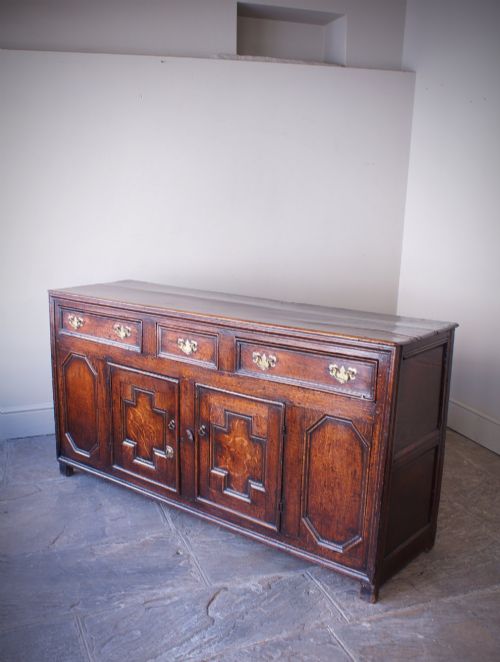
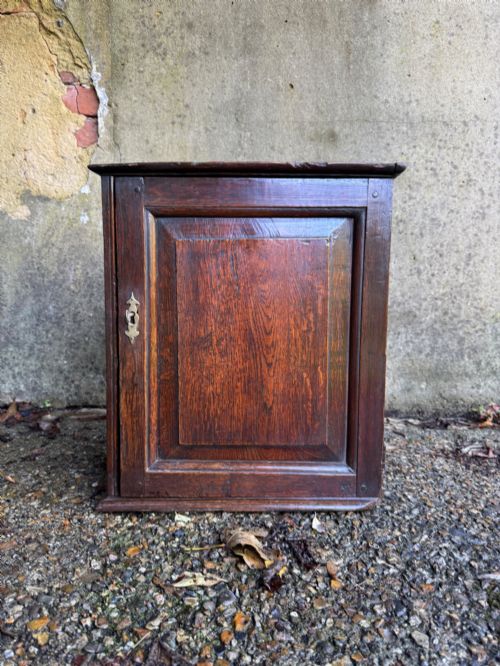
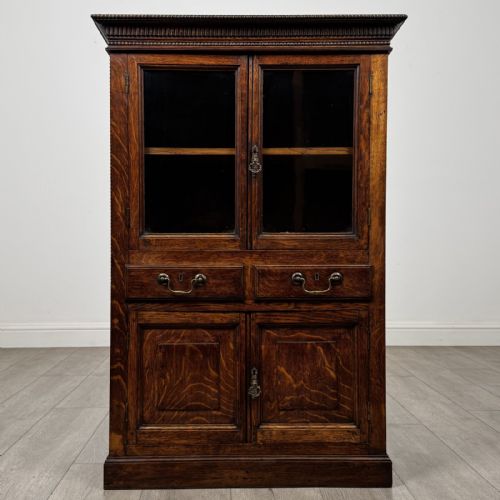
Antique small cupboards encompass a diverse array of compact furniture designed for domestic storage across several distinct eras. Buyers seeking antique small cupboards encounter pieces ranging from eighteenth-century oak spice cupboards and Georgian linen presses to twentieth-century bedside cabinets and side cabinets.
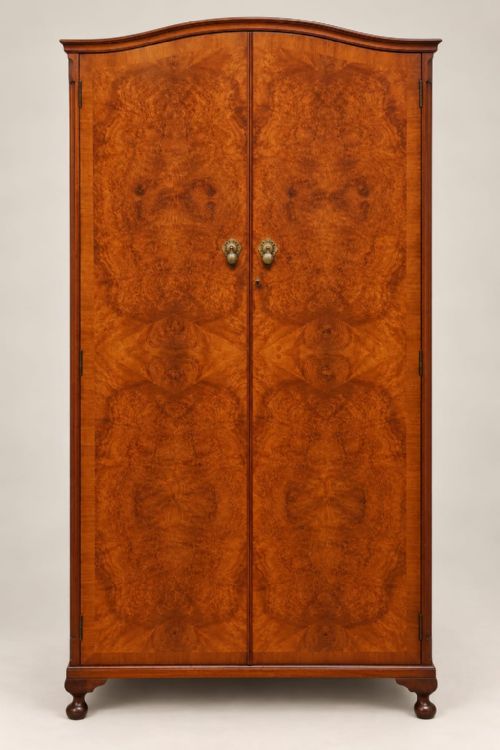
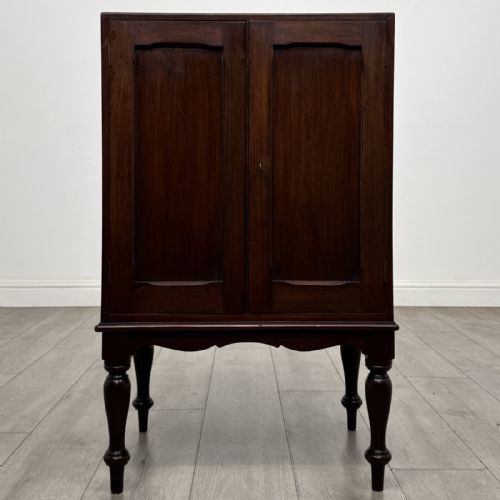
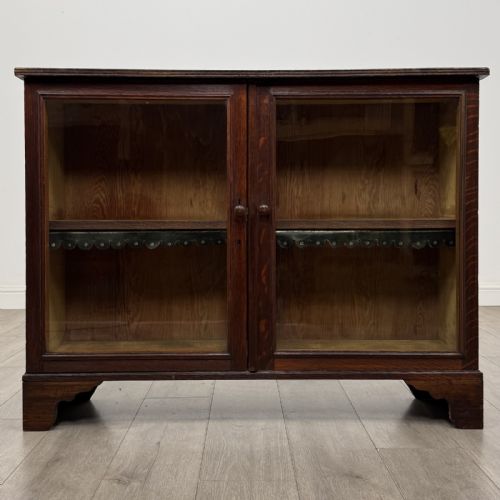
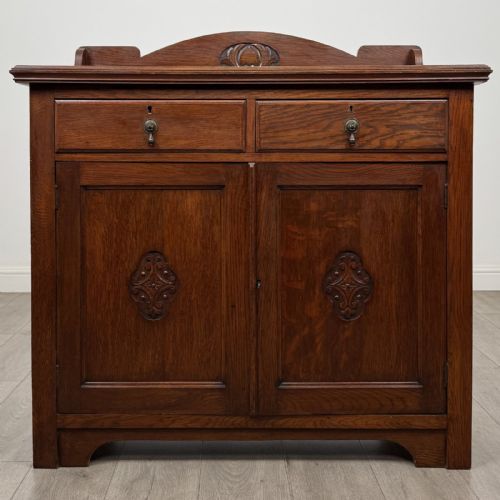
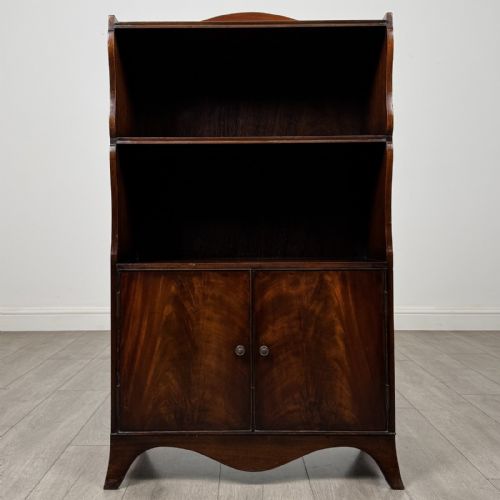
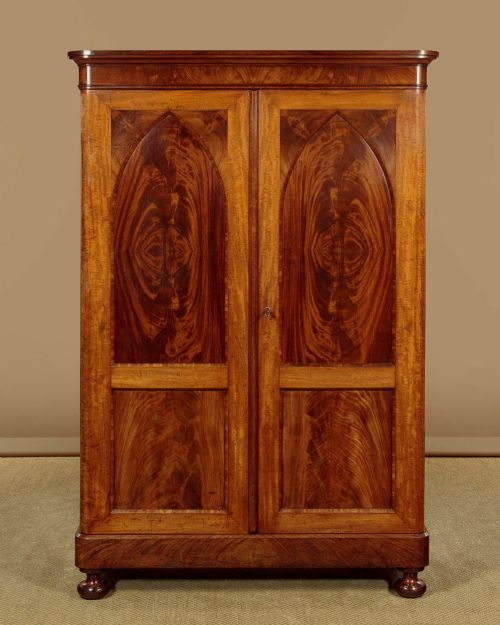
The selection on this page leans heavily toward twentieth-century production alongside significant Victorian, Edwardian, and Georgian examples. Forms include display cabinets, side cabinets, wardrobes, and miniature chests, reflecting the varied domestic requirements of past households.
Materials and Construction
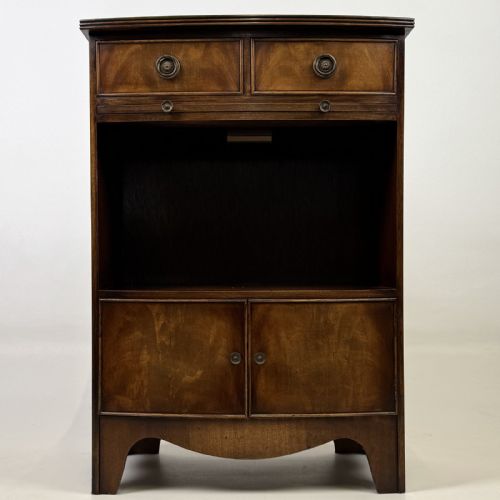
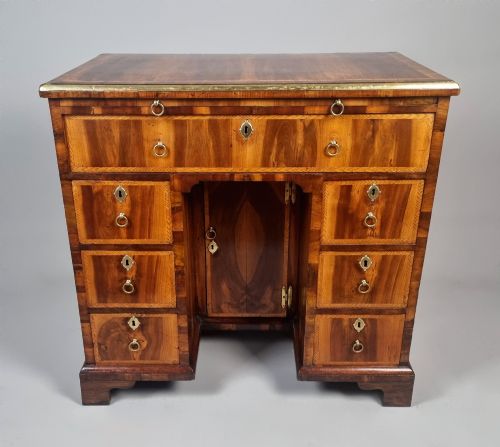
Cabinet makers utilised robust hardwoods such as oak and mahogany as primary structural timbers, often enhancing surfaces with walnut, burr walnut, and satin birch veneers. Traditional joinery methods secured panelled doors, drawers, and carved elements together without reliance on modern adhesives.
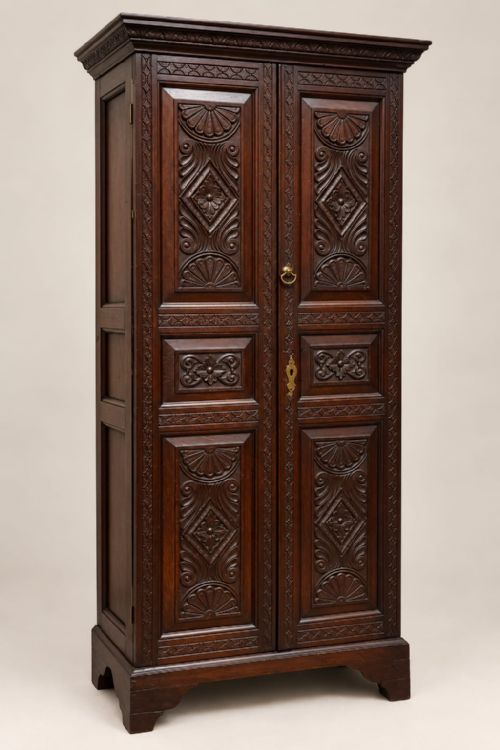
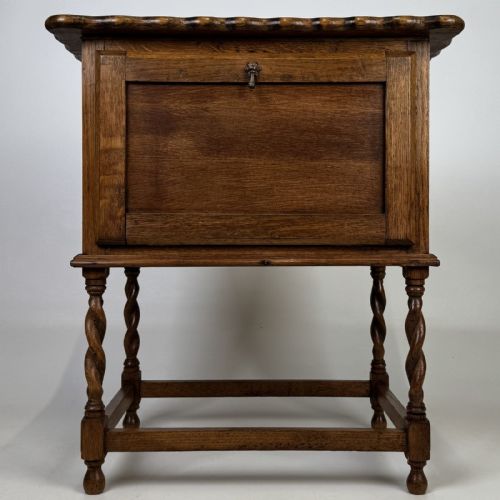
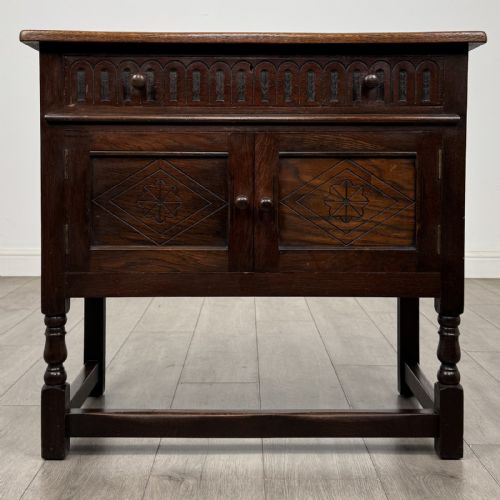
Fitted interiors, glazed panels, and brass hardware complete the construction of these pieces. Turnings like barley twist legs and decorative details such as linenfold carving or marquetry appear across different styles including Jacobean Revival and Art Deco.
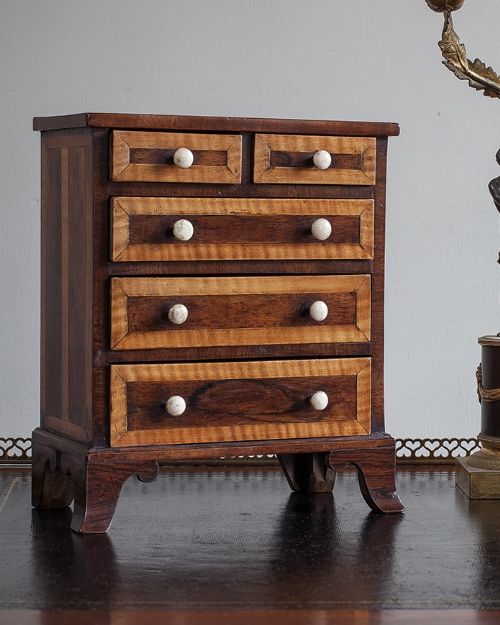
Apprentice chests offer miniature grandeur, built by hopeful trainees who proved their trade skills on pint-sized drawer pulls.
Evaluating the Pieces
Quality in these small cupboards rests upon the crispness of carved details, the matching of timber veneers, and the integrity of the structural joinery. Finer pieces demonstrate careful timber selection, such as figured walnut or burr walnut, paired with precise execution of mouldings and feet.
Proportion and execution distinguish the finer examples from simpler utilitarian pieces. The handling of secondary woods, the retention of original brass fittings, and the smoothness of operating drawers or doors indicate the level of craftsmanship invested during manufacture.
The Antique Small Cupboards Glossary
- Compactum
- A large wardrobe or cabinet designed to combine multiple storage functions, such as hanging space and drawers, within one footprint. Art Deco examples often utilise birds-eye maple and walnut.
- Marquetry
- The art of applying pieces of veneer to a structure to form decorative patterns and pictures. Walnut and exotic woods provide contrasting tones in eighteenth-century applications.
- Side cabinet
- A low storage unit placed against a wall, typically featuring doors enclosing shelves or drawers. These items serve varied functions from bedside placement to living room display.
Antique Small Cupboards: Frequently Asked Questions
Where should I place a small cupboard?
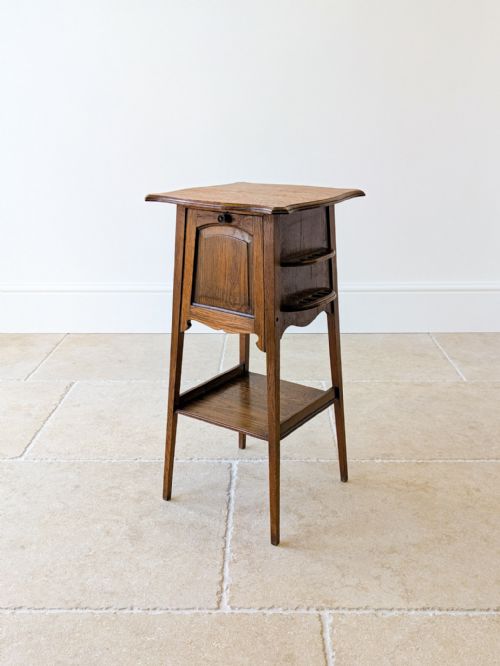
These compact units fit comfortably in hallways, bedrooms, and smaller reception rooms where space remains limited. Their modest dimensions allow them to function as bedside tables or accent pieces.
Positioning depends on the specific form, whether a low display cabinet for books or a side cabinet for enclosed storage.
How do I identify the period of a cupboard?
Dating relies on observing construction techniques, timber choices, and stylistic markers recorded in the titles. Eighteenth-century pieces often display solid oak or mahogany construction with hand-cut joinery.
Later Edwardian and twentieth-century items incorporate machine precision, specific revival styles like Jacobean, or modernist veneers such as satin birch.
What is an apprentice chest?
An apprentice chest is a miniature version of a full-sized chest of drawers, produced by learners to prove their skills. These items date primarily to the nineteenth century and mirror standard furniture proportions.
Collectors prize them for their meticulous scale and detailed cabinet work.
How are these cabinets finished?
Finishes typically consist of traditional wax or polish applied over timber substrates like mahogany, oak, or walnut. These treatments protect the wood while highlighting natural grains and figures.
Preserving the surface requires minimal maintenance using appropriate beeswax formulas rather than modern silicone sprays.