


Burr Walnut Jewellery Box
These burr walnut jewellery box examples combine striking timber figuring with period brass mounts, offering a sophisticated home for precious items.
What They Are
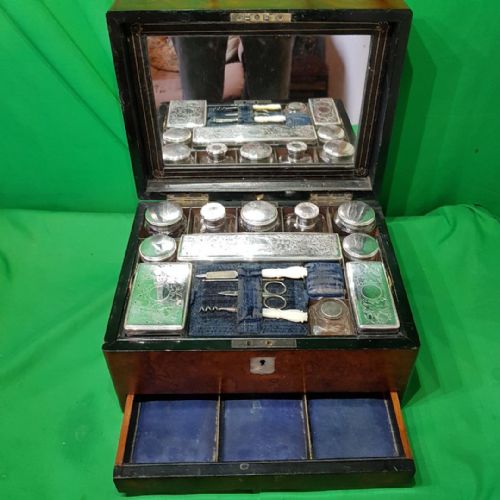
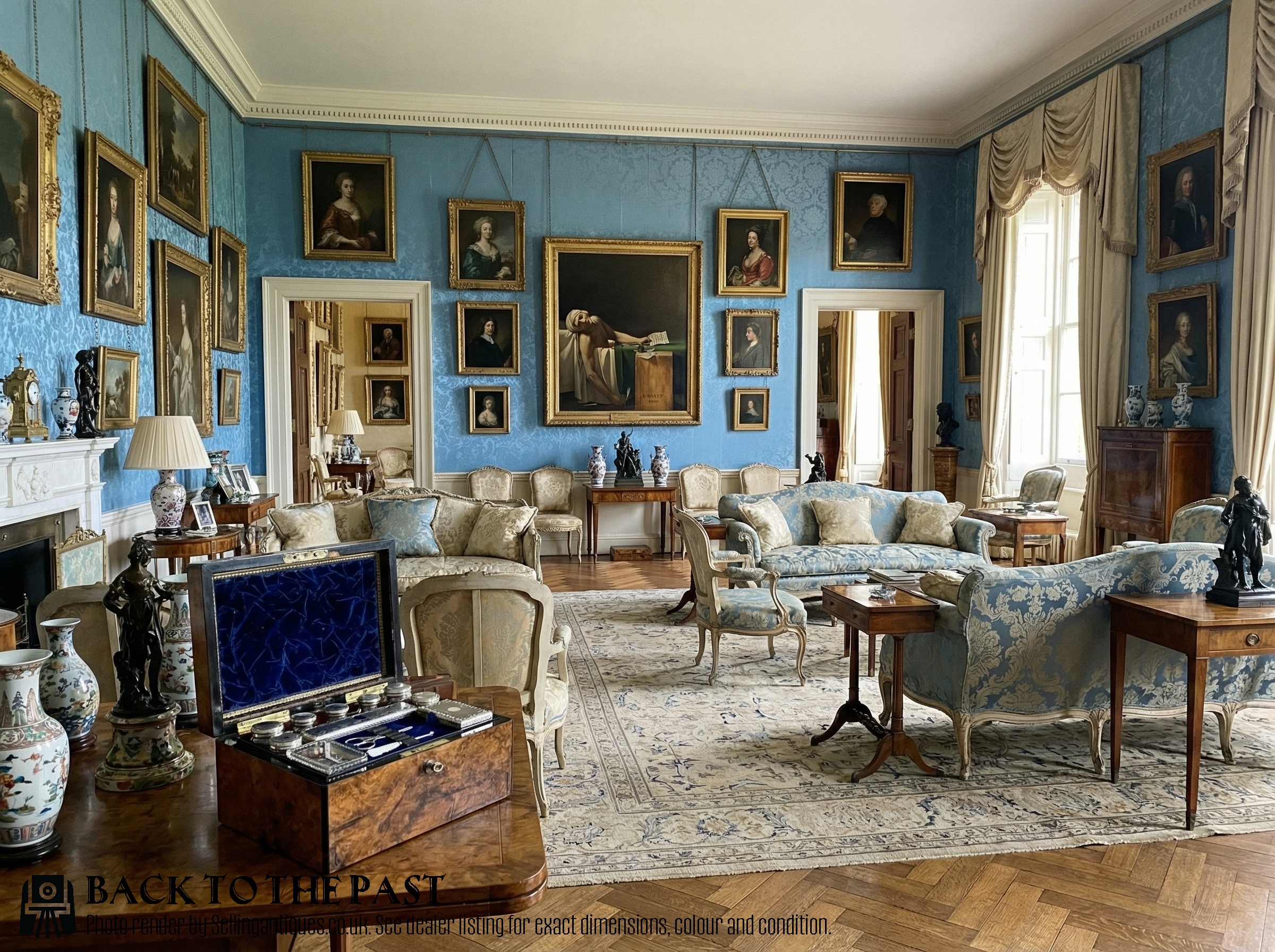
A burr walnut jewellery box is a refined receptacle designed for storing valuables, typically taking the form of a rectangular casket or vanity case. The pieces appearing here span from the early nineteenth century through the Victorian era and into the early twentieth century, encompassing items from around 1800 to 1905. While many serve purely for jewellery, related functional variants include dressing boxes, games boxes, stationery boxes, and sewing boxes.
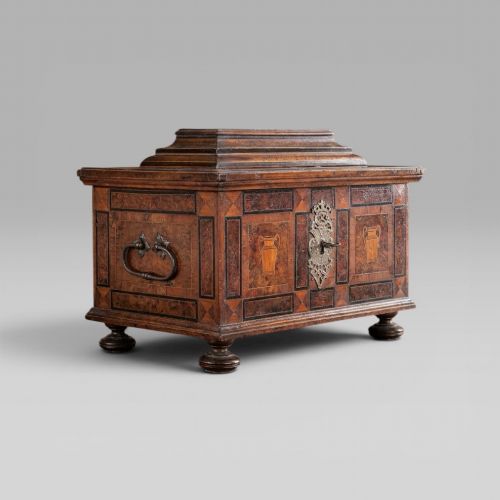
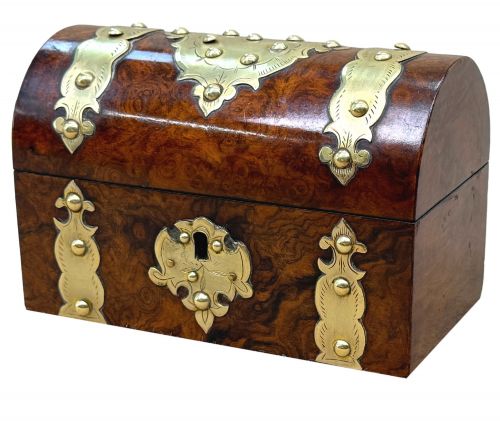
Victorian examples dominate the selection, showcasing the period's preference for richly figured wood veneers. Forms range from standard hinged caskets to domed top variations and multi-compartment vanity boxes fitted with glass and velvet interiors. Buyers will also encounter pieces featuring auxiliary materials such as malachite, brass banding, and marquetry inlays alongside the primary walnut grain.
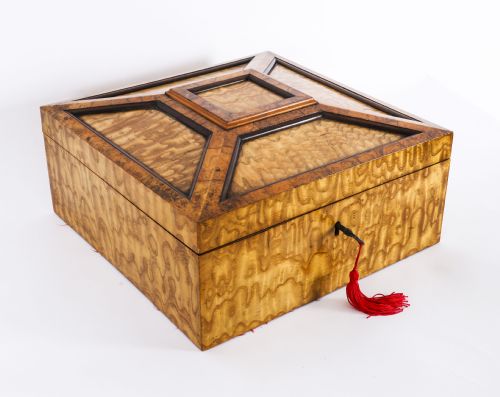
Origins stretch beyond English workshops to include continental examples, notably French and German pieces utilising satinwood and ebony accents. Certain items reflect specific historical contexts, such as nineteenth-century pieces bearing maker inscriptions or royal appointments. Across all variants, the fundamental purpose remains the secure and elegant containment of personal treasures.
How They Were Made
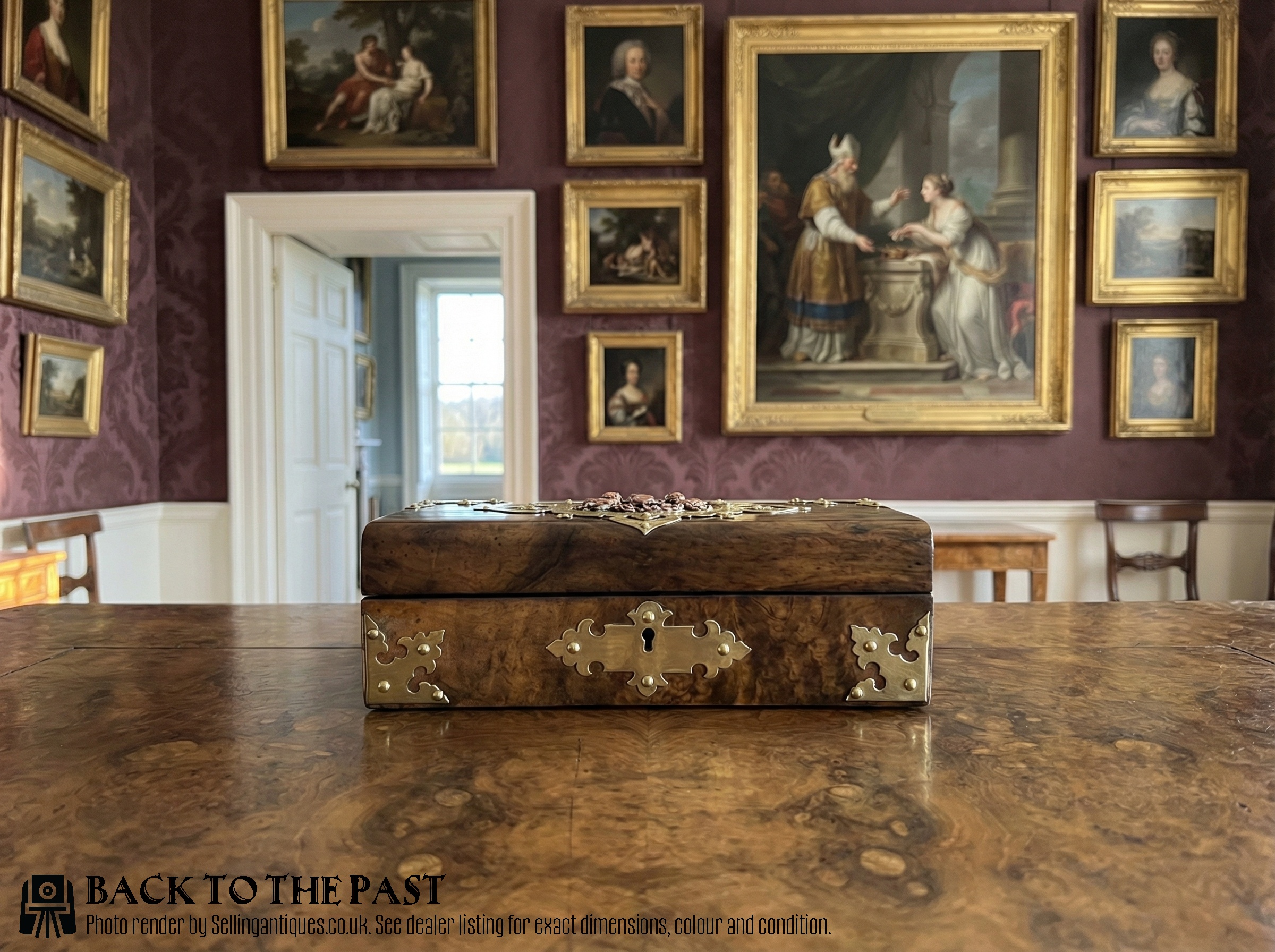
Craftsmen constructed these boxes using a solid wood carcass, frequently pine or oak, as a stable foundation for decorative veneers. Highly figured burr walnut slices were meticulously applied to the exterior surfaces to create rich, swirling grain patterns. This technique allowed makers to maximise the visual impact of scarce and expensive timber growths.
Metalwork played a structural and decorative role, with brass used for inset handles, escutcheons, corner mounts, and heavy binding straps. Interiors were typically lined with materials such as velvet and silk to protect delicate contents, while specialised compartments incorporated glass and fitted trays. Advanced examples integrated locking mechanisms operable with original keys.
Retail Price Guide 2026
Typical UK retail prices for burr walnut jewellery box, calculated from the Sellingantiques database of over a million retail prices indexed since 2003. This retail price guide relies exclusively on Sellingantiques data; no external sources or auction records are used, so the figures do not describe the wider market.
Some Victorian boxes doubled as games compendiums, hiding chess pieces beneath the jewellery trays for clandestine parlor entertainment.
What Varies in Quality
The sophistication of the timber figuring dictates much of the visual hierarchy, with densely swirled and symmetrical burr patterns commanding attention over plain walnut. Superior examples display seamless veneer matching across the lid and sides, demonstrating advanced cabinet-making skill. Lesser pieces rely on uniform or sparsely patterned grain.
Hardware and interior appointments further distinguish the standard of manufacture. Top-tier items incorporate substantial brass mounts, robust locking mechanisms, and meticulously fitted velvet or silk linings rather than rudimentary partitions. The integration of specialty materials like malachite or fine marquetry inlay separates exceptional caskets from standard production boxes.
Aspreys
The Burr Walnut Jewellery Box Glossary
- Burr Walnut
- A specialised wood veneer harvested from the abnormal growths or burls of walnut trees, prized for its complex, swirling patterns. This distinct figuring makes each box entirely unique.
- Escutcheon
- A protective plate surrounding the keyhole of a box, usually cast from brass. It serves both a functional purpose and a decorative role on the front panel.
- Marquetry
- The art of applying pieces of veneer to a structure to form decorative patterns and pictures. Makers often combined satinwood and ebony with walnut using this method.
- Tunbridge Ware
- A distinct type of woodwork characterised by minute mosaic tiles made from different coloured woods to form geometric designs. Some nineteenth-century examples feature this specific decorative technique.
Frequently Asked Questions
What is a burr walnut jewellery box?
A burr walnut jewellery box is a lidded container surfaced with highly figured burl wood veneers, produced primarily during the nineteenth and early twentieth centuries. These boxes were built to safeguard precious ornaments and personal trinkets.
Inside, many feature fitted velvet or silk linings, removable trays, and compartments for rings and necklaces. Their decorative exteriors often incorporate brass mounts and intricate marquetry.
How do I date a Victorian jewellery box?
Dating relies on examining the construction methods, hardware styles, and any accompanying hallmarks or inscriptions. Victorian pieces span from 1837 to 1901, with stylistic shifts occurring between early and late decades.
Early examples often feature simpler brass inlay, while mid to late Victorian boxes frequently display heavier brass banding, dome tops, or malachite accents. Reference to specific census years or maker marks can further narrow the timeline.
How were these boxes used originally?
Original owners utilised these caskets on dressing tables or writing desks to organise daily jewellery, pins, and small keepsakes. Some multi-functional variants also accommodated stationery, sewing implements, or gaming pieces.
The inclusion of working locks and keys allowed owners to secure valuable possessions safely within their bedchambers or boudoirs.
How do I care for antique walnut?
Antique walnut requires stable environmental conditions away from direct sunlight and excessive moisture to prevent veneer warping or cracking. Gentle dusting with a dry cloth maintains the polished surface.
Avoid using modern chemical polishes, which can damage the historic finish and accumulated patination of the timber over time.