




Oriental Wooden Chest
An oriental wooden chest brings substance and texture to a room, offering practical storage anchored in distinct cultural traditions.
What oriental wooden chests are
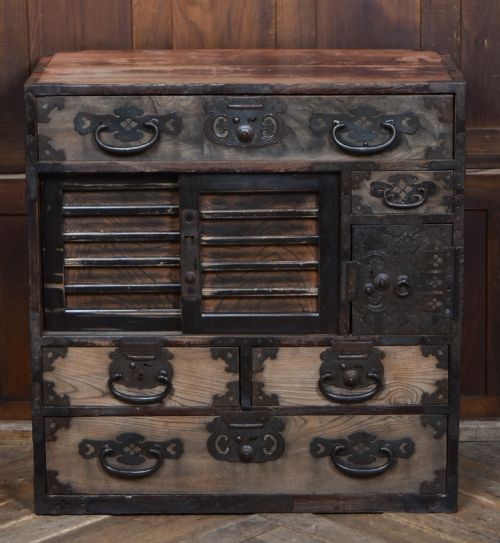
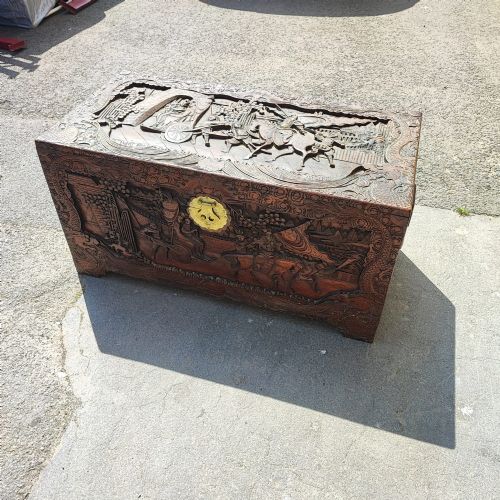
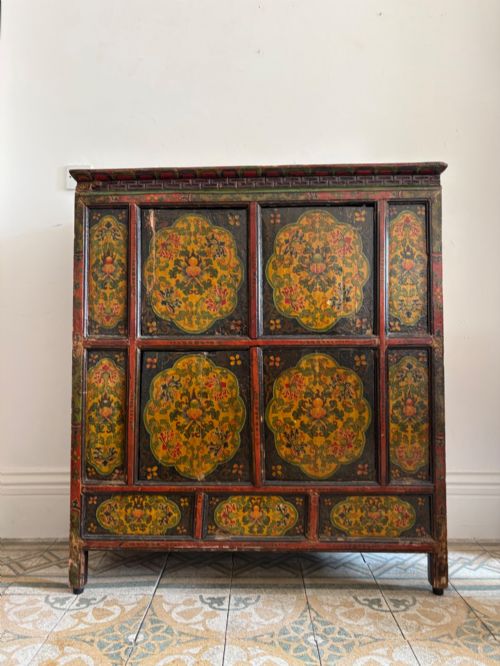
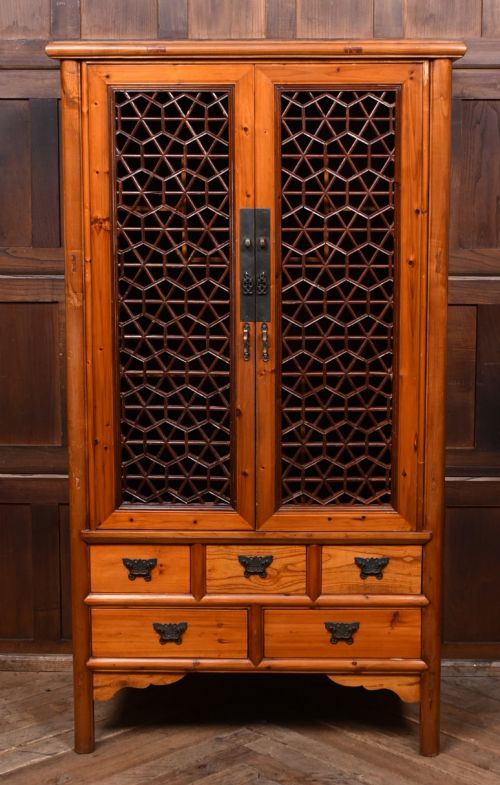
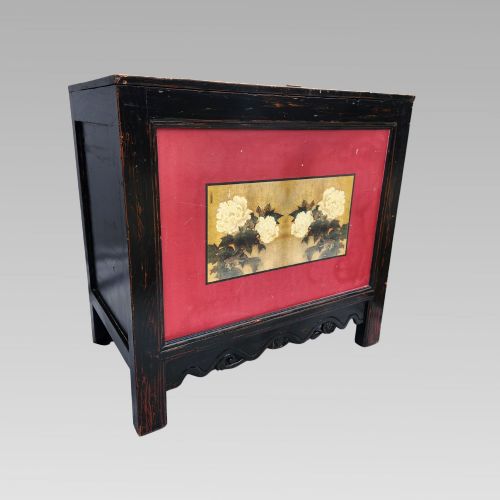
An oriental wooden chest encompasses several distinct traditions spanning Japanese, Chinese, Korean, Anglo-Indian, and East African aesthetics. Buyers searching for an oriental wooden chest encounter forms ranging from Japanese tansu chests and Korean burr elm cabinets to Chinese black lacquer storage chests, Zanzibar travel trunks, and camphor wood blanket boxes.
The periods represented stretch across the Victorian era, the nineteenth century, and nineteen thirty. These pieces function as versatile storage furniture, operating as blanket boxes, coffers, trunks, and cabinets of drawers within domestic interiors.
How they were made
Construction relies on an array of timbers including cedar, chestnut, burr elm, teak, camphor wood, and general wood substrates. Artisans combined these woods with exterior finishes such as black lacquer and pigment.
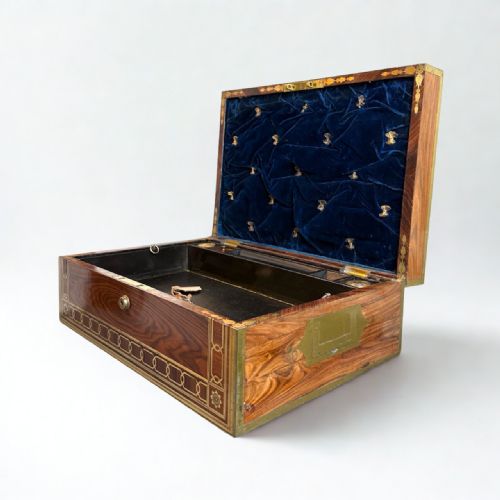
Hardware and structural reinforcement utilised forged iron and brass fittings. These metal elements were integrated directly into the construction of trunks, chests, and cabinets.
Retail Price Guide 2026
Typical UK retail prices for oriental wooden chest, calculated from the Sellingantiques database of over a million retail prices indexed since 2003. This retail price guide relies exclusively on Sellingantiques data; no external sources or auction records are used, so the figures do not describe the wider market.
The inventory spans the nineteenth century, Victorian era, and nineteen thirty, utilising brass, iron, lacquer, and woods like cedar, chestnut, and burr elm.
What varies in quality
Quality rests in the selection of materials, from standard woods up to figured burr elm and fragrant camphor wood. The sophistication of the surface treatment, whether floral chinoiserie on black lacquer or natural wood grain, dictates the visual weight of the piece.
The execution of hardware, particularly brass and forged iron mounts, separates standard utility items from finer examples. Cabinetry joinery and the retention of original decorative schemes further define the upper tier of these storage chests.
The Oriental Wooden Chest Glossary
- Tansu
- A traditional Japanese mobile storage chest or cabinet typically constructed for domestic utility and organisation.
- Chinoiserie
- European artistic interpretation of Chinese and East Asian artistic motifs, often applied in lacquer or painted decoration.
- Burr elm
- A distinctive timber showing swirling grain patterns caused by tree growth mutations, utilised for decorative furniture fronts.
- Zanzibar chest
- A heavy timber travel trunk originating from East Africa, characteristically embellished with brass studding and strapwork.
Frequently Asked Questions
What is an oriental wooden chest?
An oriental wooden chest is a storage piece originating from Asian or connected trade traditions, constructed from woods like camphor, cedar, or elm.
These items take the form of trunks, tansu cabinets, blanket boxes, and coffers designed for domestic organisation.
How were these chests used?
These chests served primarily for storing garments, valuables, and household goods in domestic settings or during travel.
Travel trunks like Zanzibar chests were built for maritime journeys, while tansu and blanket boxes remained stationary in homes.
How do I live with one?
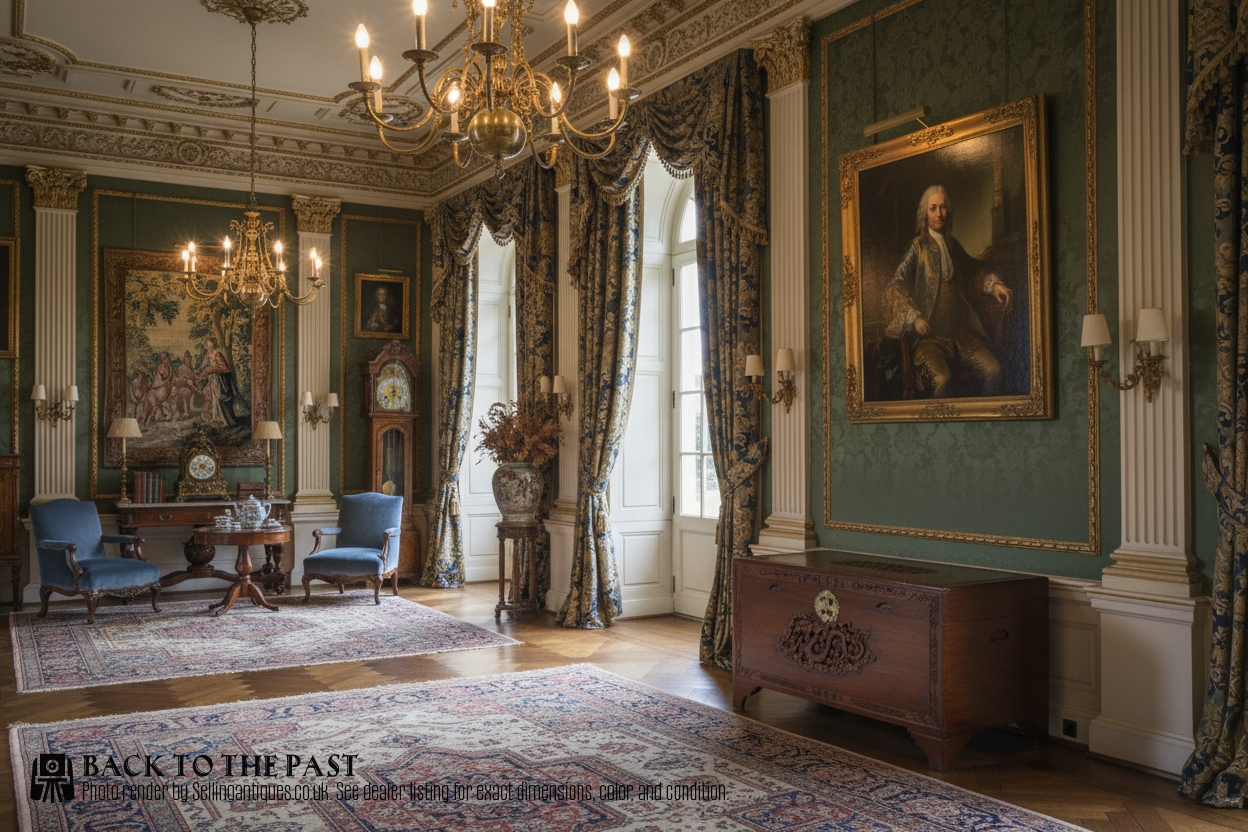
An oriental wooden chest functions effectively as a coffee table, end of bed blanket box, or standalone statement storage cabinet.
The varied woods and hardware allow these pieces to integrate into both traditional and contemporary interiors.
How are different periods told apart?
Periods are identified through structural styles, hardware types, and documented manufacturing eras such as the nineteenth century or Victorian period.
Material choices like black lacquer or specific regional cabinetry techniques also point toward particular historical origins.