




Asian Blanket Chest
An asian blanket chest brings enduring storage and rich regional craftsmanship into a room.
Asian Blanket Chest
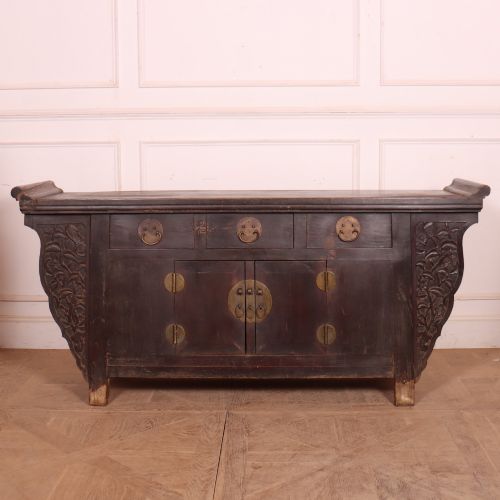
An asian blanket chest serves as a practical storage trunk or coffer designed to house textiles and garments safely. These pieces appear in forms ranging from traditional Chinese blanket boxes and carved camphor trunks to dowry chests and sideboards.
The pieces on this page span the eighteenth century through to the early twentieth century, including examples from Chinese, Indian, and Korean traditions. Makers utilised regional timbers and applied protective finishes suited to domestic storage.
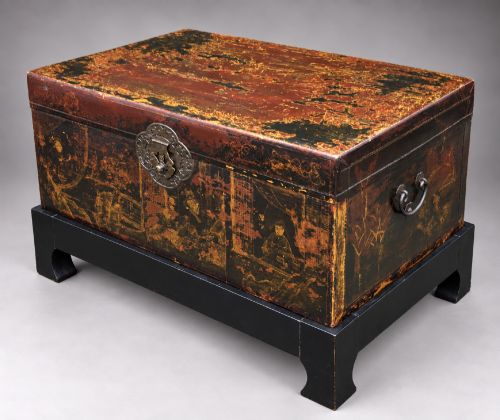
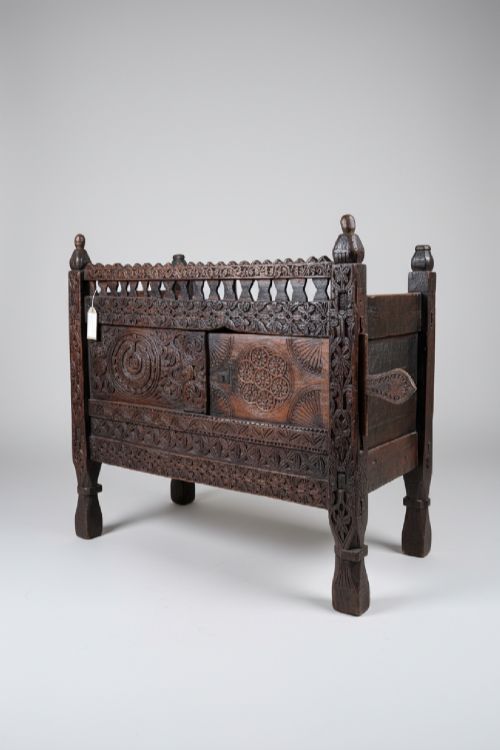
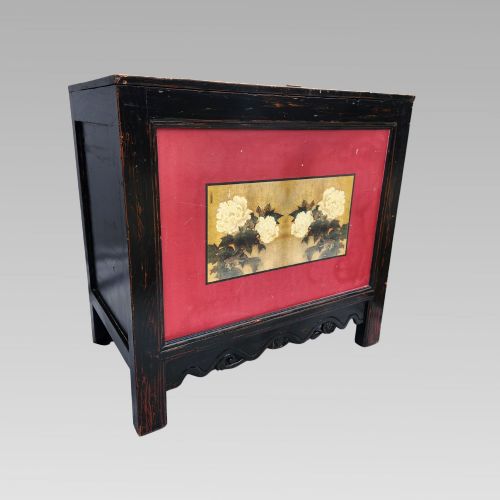
Buyers encounter diverse styles such as Chinoiserie, Qing Dynasty, and Swat Valley folk art alongside Chinese export and colonial designs. Many examples function as standalone chests on stands or low storage units within modern interiors.
Materials and Construction
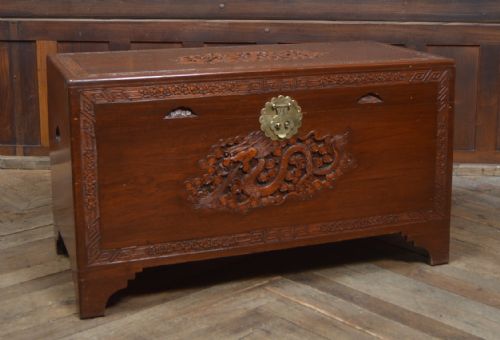
Craftsmen utilised aromatic timbers such as camphor wood and structural hardwoods including elm to build these chests. Camphor wood naturally deterred insects, making it the preferred choice for preserving stored blankets and clothing.
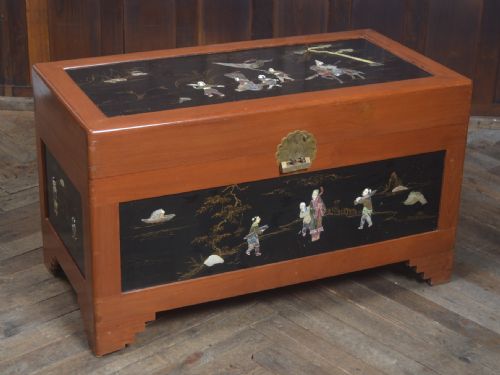
Surfaces frequently display applied lacquer, pigment, and gilt work, while other examples rely on deep hand carving directly into the timber. Metalwork in brass often reinforces the corners, hinges, and locking plates of the boxes.
Listings feature eighteenth-century through early twentieth-century pieces, utilising camphor wood, elm, brass, lacquer, and pigment.
Quality Variations
The depth and precision of the hand carving separate simpler utility boxes from highly ornate dowry and export pieces. Crisp relief work on camphor wood trunks indicates a higher standard of regional craftsmanship.
The preservation of original surface finishes, whether black lacquer, pigment, or gilt, defines the visual integrity of the piece. Integrated stands, robust brass hardware, and intact interior compartments further distinguish superior examples.
The Asian Blanket Chest Glossary
- Camphor wood
- An aromatic timber traditionally used for storage chests because its natural scent protects textiles from moths and insects. It accepts deep hand carving exceptionally well.
- Bandaji chest
- A traditional Korean storage chest featuring iron or brass strapwork across the front doors or lid. These pieces were often used for stacking bedding.
- Chinoiserie
- A European artistic style reflecting Chinese motifs and decorative techniques, applied here to various lacquered trunks and boxes. It combines Asian subject matter with western aesthetic interpretations.
- Coffer
- A heavy, robust chest traditionally used for holding valuables or heavy textiles. They typically feature sturdy wooden construction reinforced with metal hardware.
Asian Blanket Chest: Frequently Asked Questions
What were Asian blanket chests originally used for?
These chests primarily served to store heavy blankets, winter clothing, and precious textiles within domestic households. Many pieces, such as dowry chests, formed part of a bride's household goods.
Trunks reinforced with brass or pig skin also functioned as luggage for travel and shipping. Their robust construction protected contents from moisture and pests during transit.
How do I care for a camphor wood chest?
Keep the chest out of direct sunlight and away from sudden temperature fluctuations to prevent the timber from splitting. Dust the carved surfaces gently with a dry, soft cloth rather than using liquid polishes.
Allow the natural scent of the camphor wood to work without placing synthetic chemical deodorisers inside. Periodically check that brass hinges and locks remain clean and free from moisture accumulation.
How can I tell the period of a chest?
Examine the construction methods, tool marks, and hardware style to understand the era of manufacture. Eighteenth-century pieces often display heavier joinery and distinct regional carving patterns compared to later twentieth-century examples.
The presence of specific regional styles like Qing Dynasty aesthetics or Swat Valley folk art provides further chronological context. Finish materials such as traditional lacquer and hand-applied pigments also reflect the working methods of their respective periods.
Where can I place a blanket chest at home?
A blanket chest fits naturally at the foot of a bed to store spare duvets, pillows, and linens. Its flat top also allows it to function as a low coffee table or bench in a living room.
Larger chests and sideboards serve well in hallways or reception rooms to conceal everyday clutter. Their decorative lacquer or carved wood finishes make them striking focal points in modern or traditional interiors.