





Black Lacquered Trunk
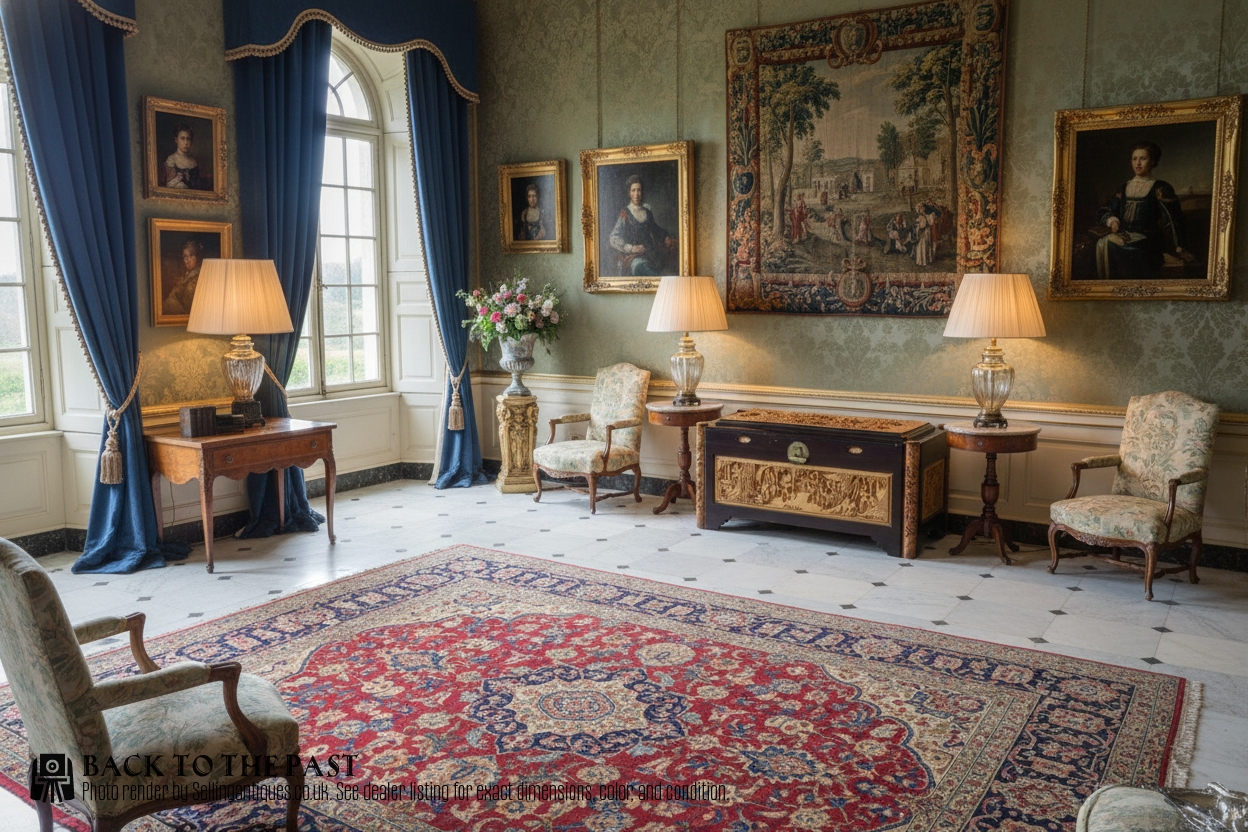
A black lacquered trunk brings deep, reflective surface and historic craftsmanship into a room, offering both practical storage and striking visual weight.
Black Lacquered Trunk
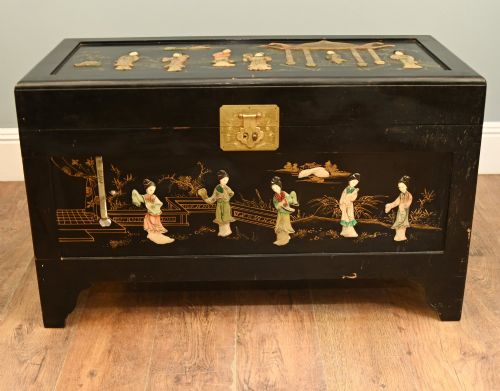
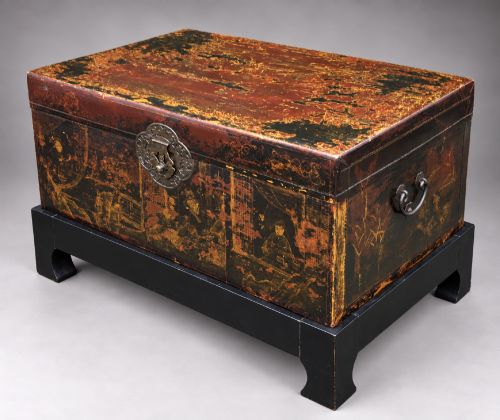
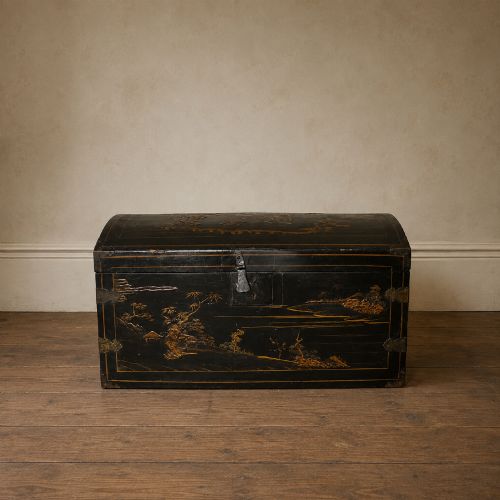
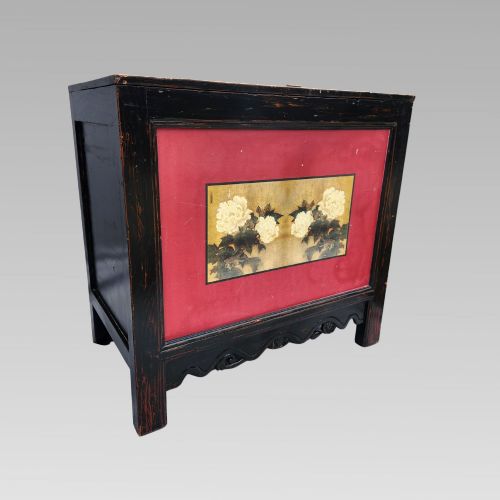
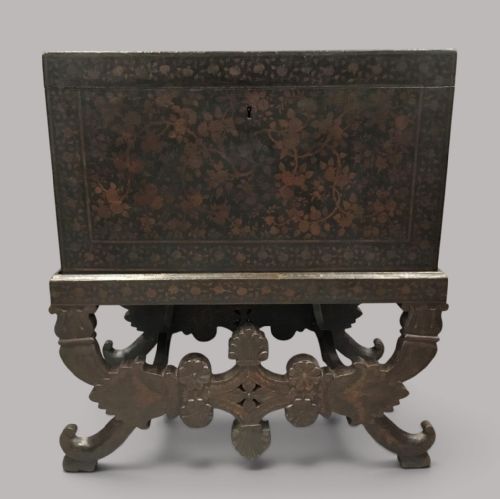
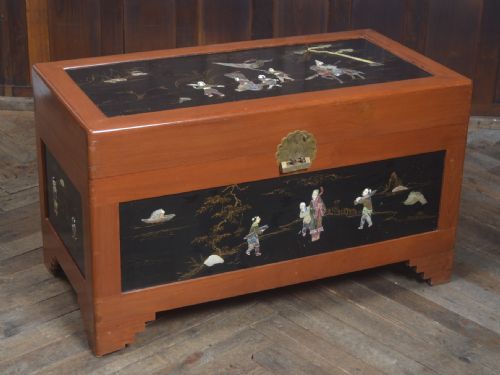
When you search for a black lacquered trunk, you encounter a robust storage piece finished with dark surface coatings, frequently appearing as Chinese export items, blanket boxes, or coffers from the eighteenth, nineteenth, and early twentieth centuries. These items serve as functional chests and blanket boxes designed to hold household goods while introducing rich decorative presence into an interior space.
The versions you are most likely to meet on this page include nineteenth-century Chinese export chests featuring domed lids and eighteenth-century coffers, alongside later twentieth-century blanket boxes on stands and regional pieces incorporating brass hardware.
Makers utilised camphor wood and other timber as foundations for these vessels, applying lacquer and pigment to create durable outer surfaces that withstand daily use. Alongside standard trunks and chests, the selection occasionally encompasses related forms such as centre chests with drawers and specialised shipping trunks covered in pig skin.
How they were made
Makers constructed the primary carcase from timber, frequently selecting camphor wood for its aromatic properties and stability, before applying layers of lacquer to seal and protect the wood. Artisans then built up the decorative scheme using pigment, gold leaf, and gilt decoration to delineate floral motifs and traditional scenes.
Metalwork played a structural and decorative role, with brass fittings and hinges secured to corners and lids to reinforce the joints of the trunk. Certain examples incorporated leather elements, such as pig skin applied over the wooden core for added resilience during transport.
Black Lacquered Trunk Retail Price Guide 2026
Typical asking prices for black lacquered trunk among the pieces listed under this phrase on Sellingantiques today, from the lower quarter to the upper quarter. They describe what is for sale here now, not the wider market.
Camphor wood trunks retain a faint, lingering spice scent inside after centuries of guarding winter blankets.
What varies in quality
The standard of a black lacquered trunk rests upon the depth of the finish and the precision of the gilt or painted ornamentation applied across the surface. Pieces featuring intricate hand-painted Chinoiserie scenes and well-preserved gold leaf demonstrate a higher level of artisanal investment than simpler utilitarian variants.
The integrity of the underlying wooden carcase and the original brass hardware dictate the durability and authenticity of the piece. Trunks retaining their original stands, structural supports, and functional drawers exhibit greater completeness and historical coherence.
Thomas Utting of Yarmouth
The Black Lacquered Trunk Glossary
- Lacquer
- A durable resin finish applied in multiple layers to wood, creating a smooth, glossy protective surface that resists moisture and wear. This technique forms the defining characteristic of the exterior appearance.
- Coffer
- A heavy wooden chest traditionally used for storing valuables or textiles, often fitted with a hinged lid and robust iron or brass mounts. These deep storage vessels precede many later trunk designs.
- Chinoiserie
- A European decorative style reflecting Chinese artistic influences, characterised by painted or gilt motifs depicting landscapes, figures, and architectural elements. Artisans applied this aesthetic widely to export furniture.
- Camphor wood
- An aromatic timber native to Asia, prized for its insect-repellent qualities and stability, making it a preferred material for storage chests and blanket boxes. The wood emits a distinct natural scent.
- Export
- Goods manufactured in one region specifically for trade and transport to international markets, often adapting local craftsmanship to suit foreign tastes. Chinese export trunks reflect this cross-cultural exchange.
Black Lacquered Trunk: Frequently Asked Questions
What were black lacquered trunks used for?
These trunks served primarily for storing garments, household linens, and valuable possessions during domestic use and international transit. Their robust construction and secure lids protected contents from dust and humidity.
Over time, owners also utilised them as decorative furniture pieces within reception rooms and bedrooms, combining practical storage with display.
How do I care for a lacquered surface?
Maintain the finish by dusting gently with a soft, dry cloth and avoiding harsh chemical cleaners or abrasive materials. Keep the piece away from direct sunlight and excessive heat sources to prevent the lacquer from drying or cracking.
Applying a suitable microcrystalline wax can help protect the surface sheen when necessary, following the specific grain of the wood or lacquer.
How can I tell the age of a trunk?
Examine the construction methods, such as the type of dovetailing, hinges, and interior secondary timbers used in the carcase. Eighteenth and nineteenth-century examples typically display hand-cut joinery and traditional lacquer application techniques distinct from later manufacturing.
wear patterns on the brass hardware and the ageing of the pigment or gold leaf provide further indicators of the period of production.
Where were these trunks made?
Many examples originated in workshops across China, often produced specifically for the export market as trade expanded during the eighteenth and nineteenth centuries. Other pieces reflect regional variations from India and Anglo-Indian traditions.
Local artisans combined native timbers like camphor wood with traditional lacquering and finishing methods tailored to international buyers.