


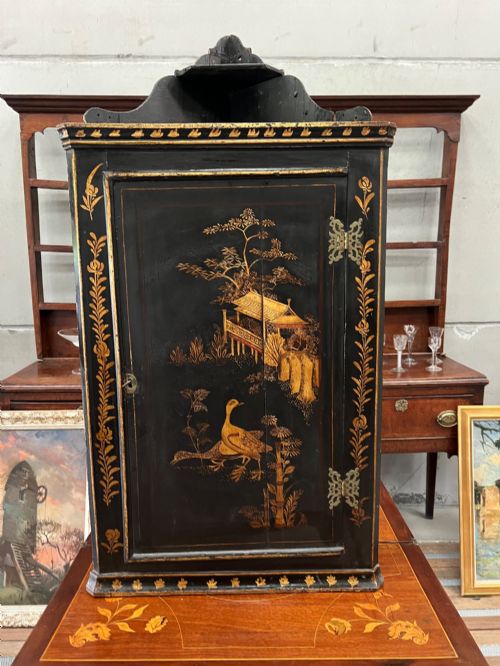
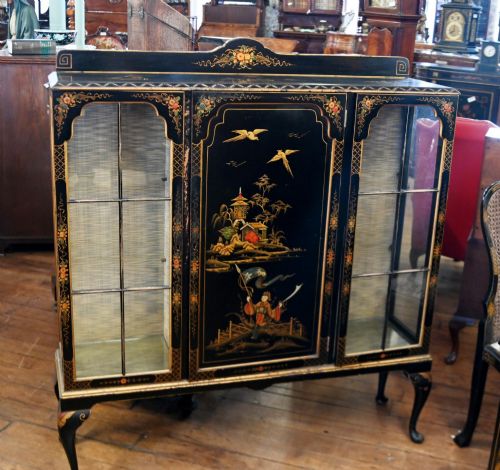

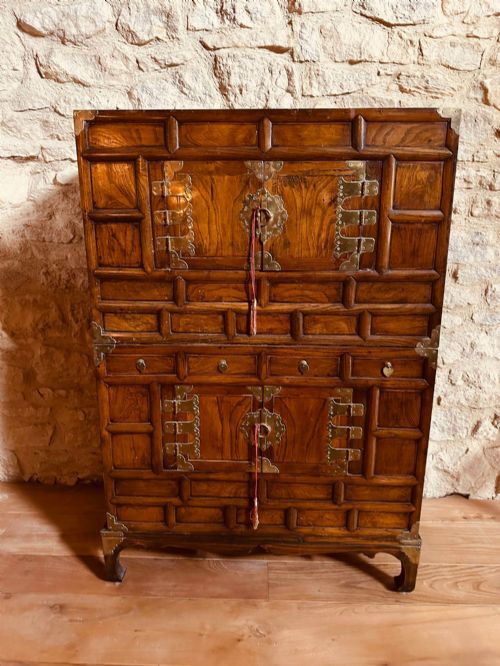

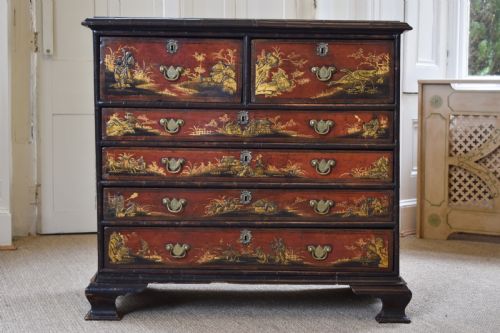


Antique Oriental Cabinet
An antique oriental cabinet brings rich lacquer, intricate carving and deep cultural history into a room, offering practical storage disguised as art.
Antique Oriental Cabinet
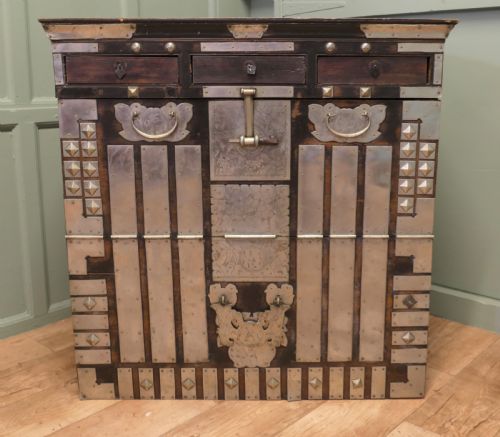
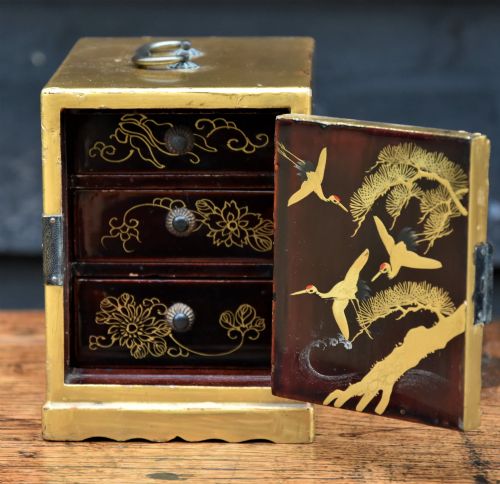
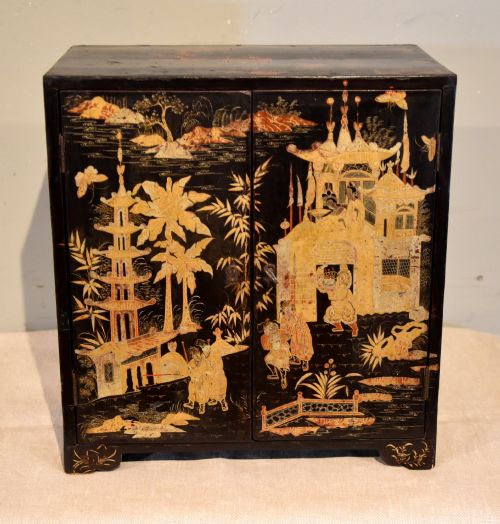
An antique oriental cabinet encompasses a diverse group of storage furniture originating from East Asian traditions, alongside European interpretations influenced by Eastern design. When searching for an antique oriental cabinet, buyers encounter forms ranging from large marriage cupboards and apothecary chests to table-top kodansu boxes and corner cupboards.
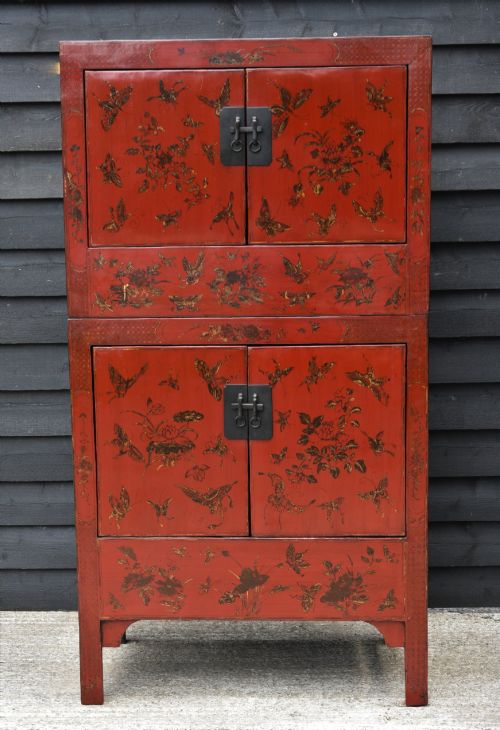
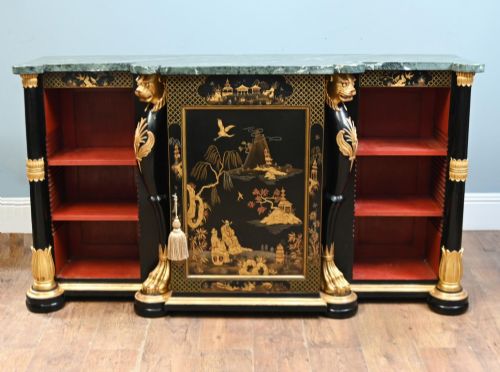
The pieces span multiple periods, from seventeenth-century examples mounted on European stands to nineteenth-century elm sideboards and early twentieth-century black or red lacquered cupboards. Chinese and Japanese influences dominate the selection, manifesting in distinct regional styles such as Qing Dynasty lacquerwork, Japanese Tansu chests, and British Chinoiserie interpretations.
How they were made
Maker workshops utilised native timbers such as sturdy elm, dense hardwoods, and bamboo, frequently constructing carcases designed to withstand regional humidity changes. Surfaces received multiple layers of natural lacquer, sometimes carved while still soft or finished with painted outdoor scenes and gilt detailing.
Metalwork played a structural and decorative role, incorporating brass strapwork, iron corner plates, and complex locking mechanisms that secured the doors and drawers of apothecary chests and wedding cabinets.
Antique Oriental Cabinet Retail Price Guide 2026
Typical asking prices for oriental cabinet among the pieces listed under this phrase on Sellingantiques today, from the lower quarter to the upper quarter. They describe what is for sale here now, not the wider market.
An apothecary chest among the selection contains eighty separate drawers designed for storing traditional medicinal herbs.
What varies in quality
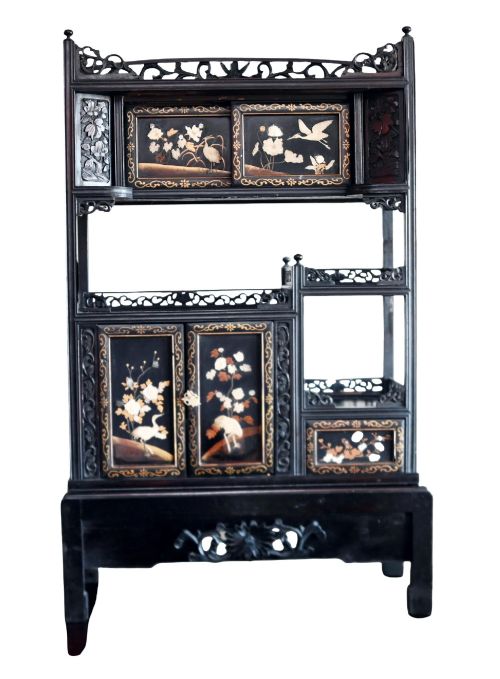
The depth and execution of surface decoration determine the distinction between standard production and exceptional craftsmanship. Finely applied gilt lacquer, intricate hand-painted outdoor scenes, and well-preserved mother-of-pearl inlay elevate a piece's visual coherence.
Structural integrity relies on the preservation of original timber, iron or brass hardware, and the stability of the lacquered finish against the wood substrate.
Gabriel Viardot·Maples & Co.
The Antique Oriental Cabinet Glossary
- Lacquer
- A durable finish made from the sap of trees native to East Asia, applied in numerous thin coats to create a glossy, protective surface. It hardens into a tough skin that resists moisture.
- Chinoiserie
- A European artistic style reflecting Chinese motifs and techniques, popular in furniture decoration during the seventeenth and eighteenth centuries and revived later in the nineteenth and twentieth centuries.
- Tansu
- A traditional mobile or stationary Japanese wooden storage chest fitted with drawers, sliding doors, and iron hardware. These chests were designed for specific domestic uses including clothing storage.
- Japanned
- A European imitation of Japanese and Chinese lacquerwork, typically achieved using varnishes and paints on a dark ground. It was widely applied to corner cupboards and side cabinets.
- Kodansu
- A small Japanese tabletop cabinet or multi-drawer chest intended for storing valuables, documents, or jewellery. They frequently feature intricate gilt lacquer decoration and fine metal fittings.
Antique Oriental Cabinet: Frequently Asked Questions
What is an antique oriental cabinet used for?
These pieces served practical domestic storage functions in their original settings, holding garments, medical supplies, documents, or household goods. Today, collectors utilise them as statement storage furniture in living spaces, hallways, or dining rooms.
Their varied internal layouts, from open shelving to banks of small drawers, allow them to accommodate modern items while retaining their historical character.
How do I tell Chinese from Japanese pieces?
Chinese pieces often feature red lacquer finishes, substantial elm construction, and motifs related to weddings, status, or nature, such as marriage cabinets and apothecary chests. Japanese examples frequently include Tansu chests with iron hardware, table-top kodansu boxes, or distinctive lacquer work created during the Meiji and Edo periods.
European Chinoiserie and Japanned pieces generally adapt these Eastern motifs onto British furniture carcases like corner cupboards and wardrobes.
How do I care for a lacquered cabinet?
Maintain stable indoor humidity and temperature levels to prevent the timber substrate from expanding and cracking the delicate lacquer finish. Keep the cabinet out of direct sunlight to avoid fading painted scenes and gilt decoration.
Dust the surfaces gently with a dry, soft cloth, avoiding commercial polishes or chemical cleaning agents that can damage historic finishes.
Are all these cabinets genuinely antique?
The selection spans multiple centuries, incorporating pieces from the seventeenth, eighteenth, nineteenth, and early twentieth centuries. Each listing records the specific period or estimated era assigned to the item based on its construction and materials.
Buyers should examine the described period, hardware, and timber patination to understand the historical context of each piece.