




Meiji Period Furniture
Meiji period furniture brings intricate Japanese craftsmanship into Western interiors through display cabinets, tansu chests, and writing desks.
Meiji Period Furniture
Meiji period furniture encompasses items produced in Japan during the late nineteenth and early twentieth centuries, alongside pieces influenced by the Aesthetic Movement and Victorian tastes. Buyers searching for meiji period furniture encounter storage and display forms designed for both domestic utility and decorative presentation.
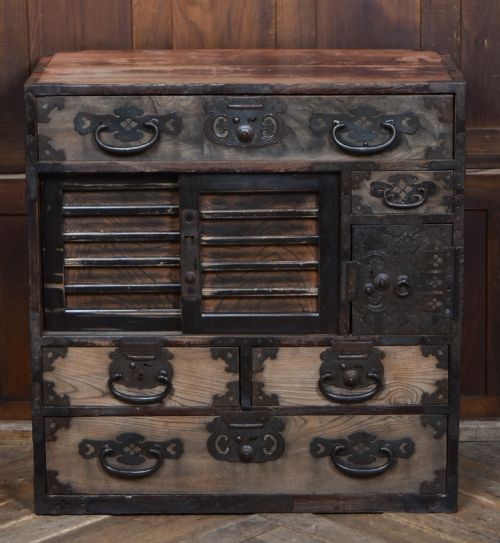
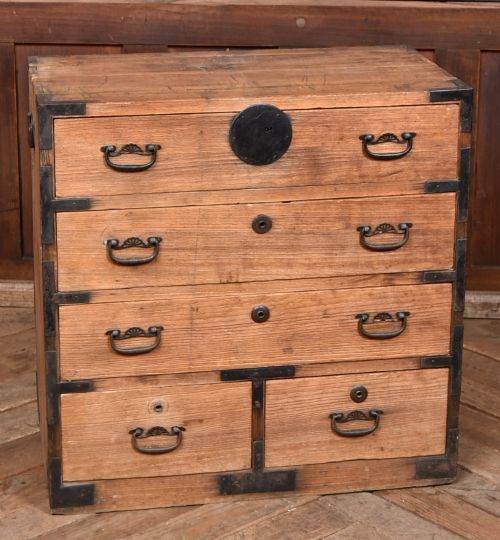
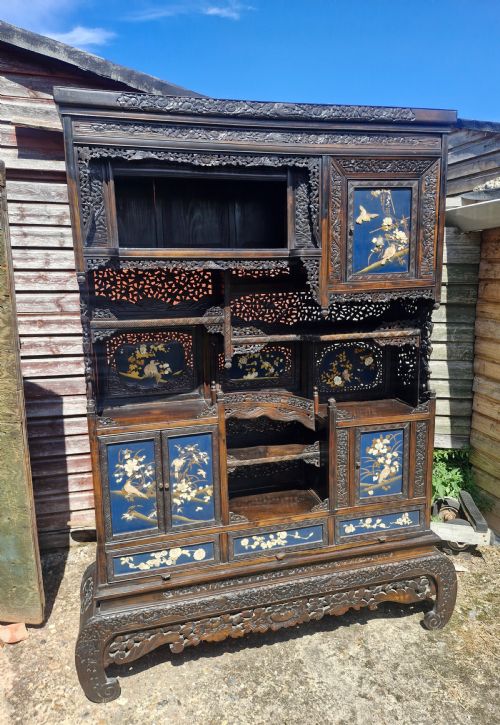
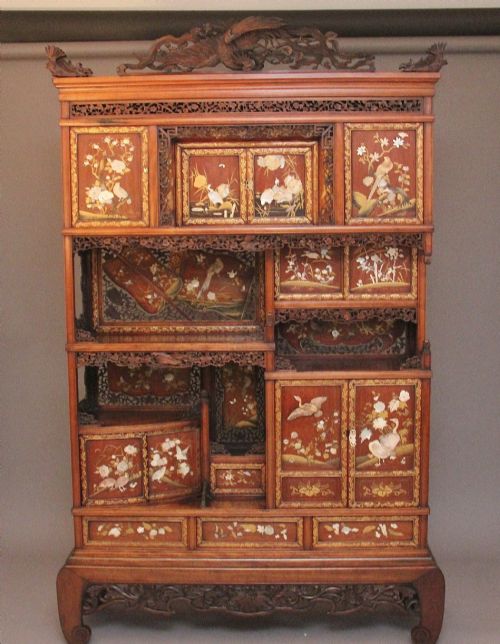
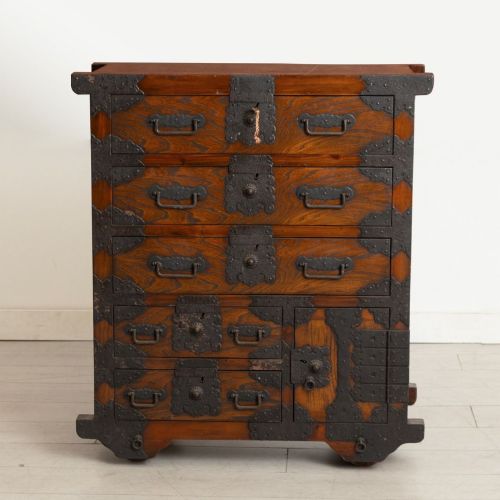
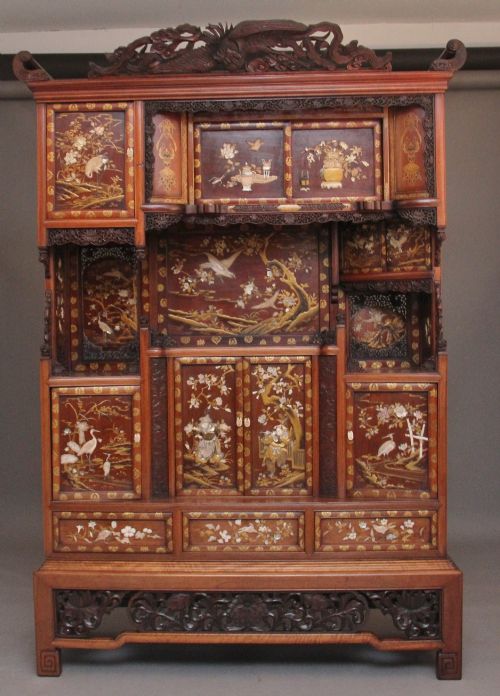
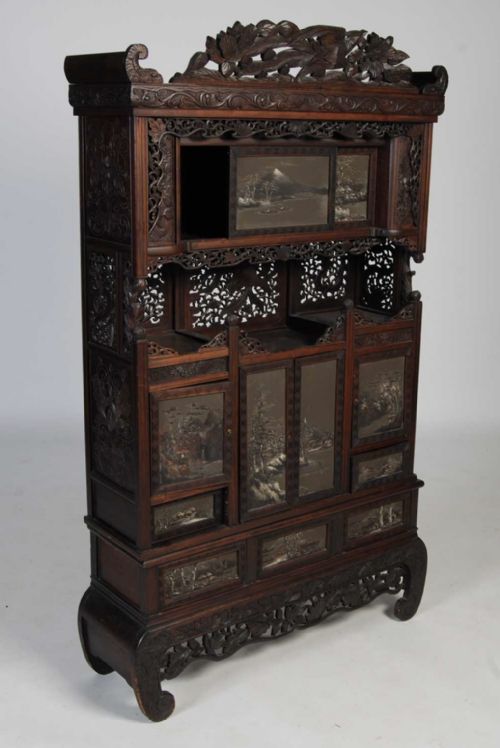
The selections on this page centre on substantial pieces of storage and display, most notably tansu chests, shodona display cabinets, and writing desks. These functional forms reflect traditional Japanese woodworking adapted for international export and changing domestic requirements.
How they were made
Woodworking traditions rely on native timbers such as keyaki, zelkova, and general hardwoods, shaped into modular storage compartments and display frames. Metal iron mounts provide structural reinforcement and visual contrast against the timber surfaces.
Decorative surface treatments incorporate lacquer, gold leaf, bone, and mother-of-pearl inlay. Carved wood details and specialised marquetry techniques such as yosegi further enrich the structural surfaces.
Meiji Period Furniture Retail Price Guide 2026
Typical asking prices for meiji period furniture among the pieces listed under this phrase on Sellingantiques today, from the lower quarter to the upper quarter. They describe what is for sale here now, not the wider market.
Materials recorded on this page include hardwood, lacquer, iron, mother-of-pearl, bone, and gold leaf.
What varies in quality
Quality differences emerge in the complexity of the surface decoration and the precision of the joinery across tansu chests and shodona cabinets. Pieces featuring intricate mother-of-pearl inlay, shibayama work, or complex yosegi cylinder construction demonstrate superior craftsmanship.
The choice of primary timber and the execution of iron mounts dictate the overall integrity and visual presence of the piece. Simpler utility chests contrast with exhibition-quality desks designed for elaborate domestic settings.
The Meiji Period Furniture Glossary
- Tansu
- A traditional Japanese mobile chest of drawers or storage cabinet built for domestic organisation. These units often feature sliding panels and iron hardware.
- Shodona
- A Japanese display cabinet designed with asymmetrical shelving and compartments for decorative objects. These cabinets showcase intricate woodwork and lacquer panels.
- Yosegi
- A Japanese wood marquetry technique utilising natural grain variations to create geometric mosaic patterns. This method appears on specialist cylinder desks.
- Shibayama
- A decorative craft inlay technique employing shell, ivory, bone, and horn to create detailed pictorial panels on cabinets. This work requires meticulous hand assembly.
Meiji Period Furniture: Frequently Asked Questions
What is a tansu chest?
A tansu chest is a traditional Japanese storage unit designed with multiple drawers and sliding doors for domestic use.
These pieces were built using native hardwoods and reinforced with heavy iron hardware for portability.
How do I identify a shodona cabinet?
A shodona is recognised by its distinctive asymmetrical arrangement of shelves, cupboards, and display compartments.
These cabinets were intended for presenting fine ornaments and writing accessories in traditional settings.
What woods are common in Japanese furniture?
Common timbers include zelkova and keyaki, selected for their durability and pronounced grain patterns.
These hardwoods provide a stable structural foundation for applied lacquer and intricate carvings.
How do I care for antique lacquer?
Antique lacquer surfaces require stable indoor humidity and protection from direct sunlight to prevent drying and cracking.
Dusting should be performed gently with a soft, dry cloth without chemical polishes.