



Anglo Japanese Table
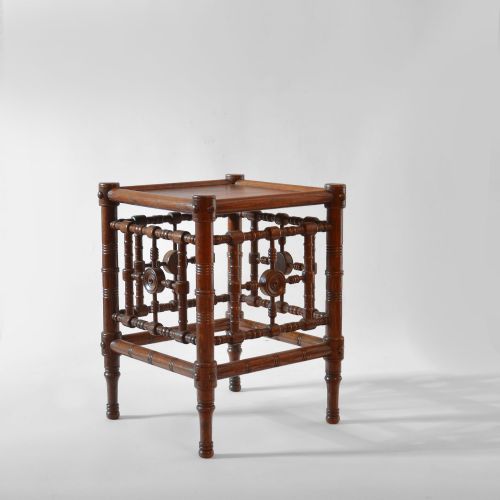
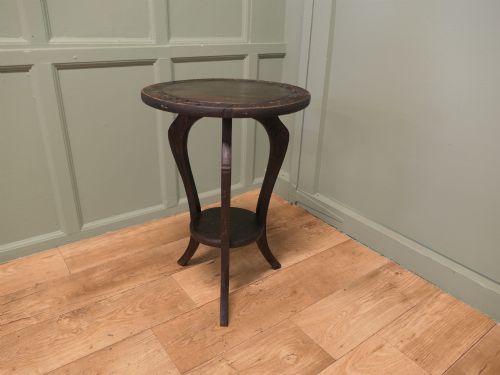
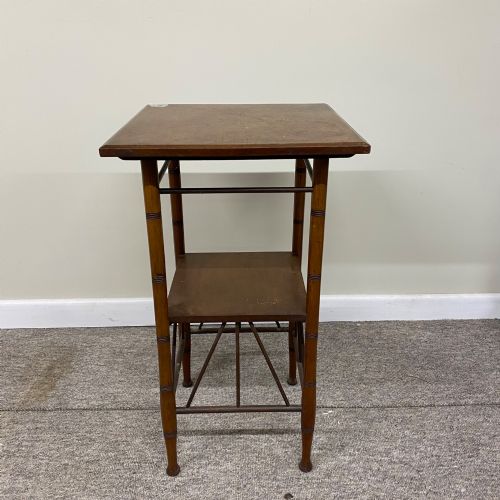
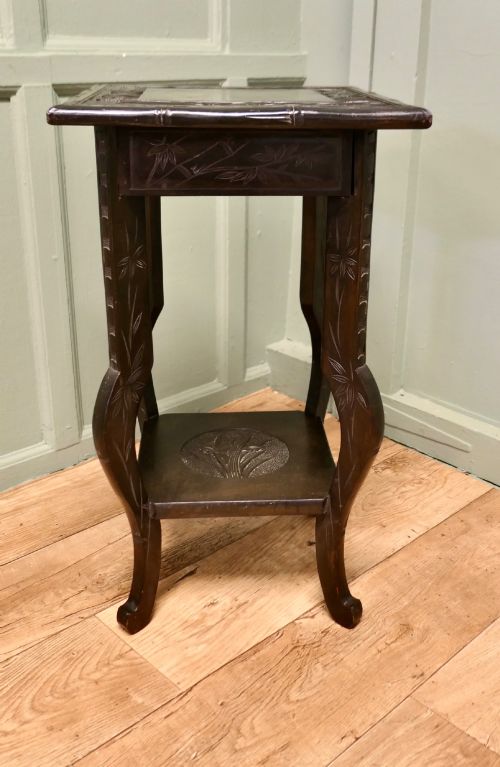
These pieces are an anglo japanese table, bringing together British craftsmanship and Japanese design motifs to anchor a room.
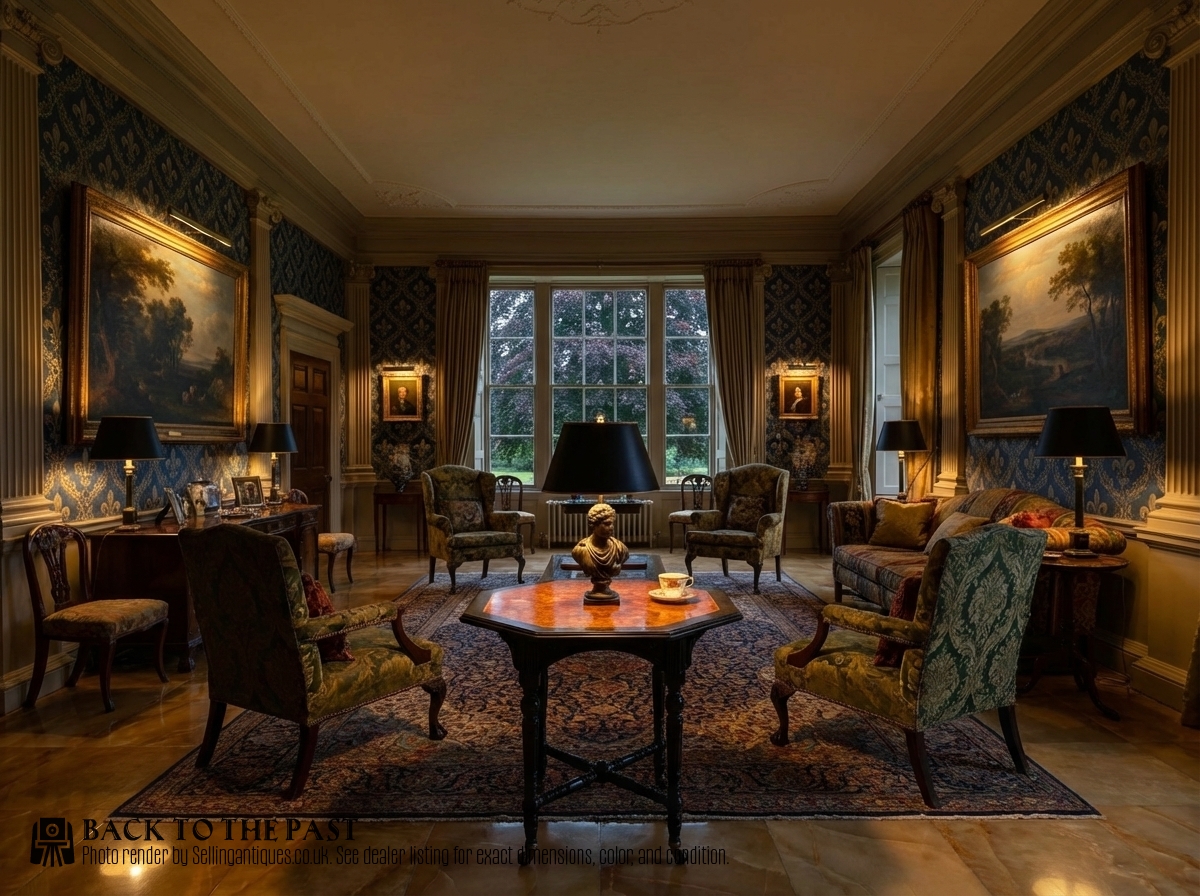
Anglo Japanese Table
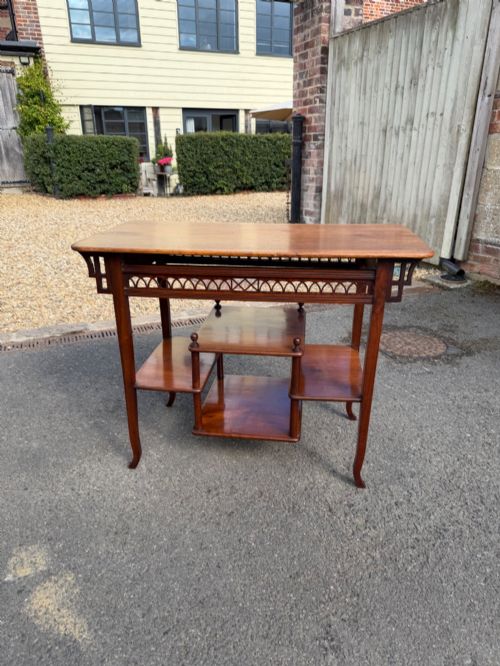
An anglo japanese table brings together British cabinetmaking and Japanese design motifs, emerging strongly during the Victorian period and the Aesthetic Movement. These pieces range from occasional tables and side tables to centre tables, plant stands, desks, and card tables.
The versions most commonly met on this page date from the late nineteenth century, spanning the eighteen-seventies through the nineteen-twenties, incorporating Edwardian interpretations and pieces produced by Liberty and Co.
Forms vary from round and octagonal side tables to bamboo or ebonised wood structures, reflecting the cross-cultural fascination with Eastern aesthetics that defined late nineteenth-century interiors.
How they were made
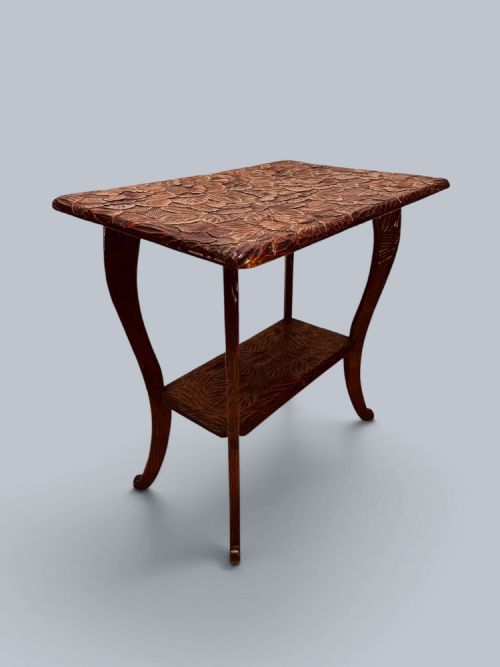
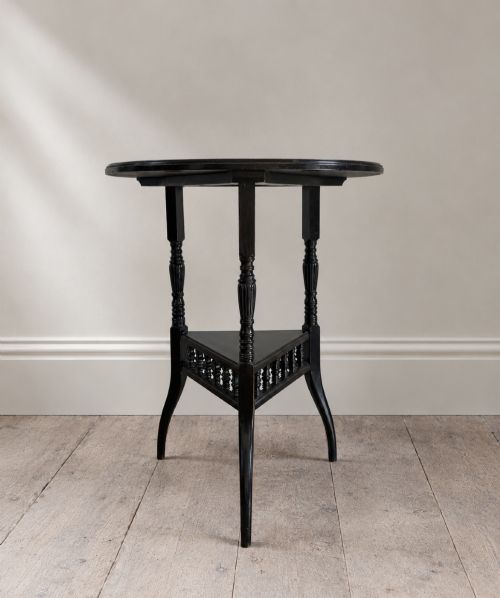
Cabinetmakers utilised ebonised wood and ebonised hardwood to mimic the appearance of Japanese lacquer, frequently pairing these dark surfaces with mahogany, walnut, oak, and other carved hardwoods. Brass accents provided structural support and subtle contrast against the polished timber.
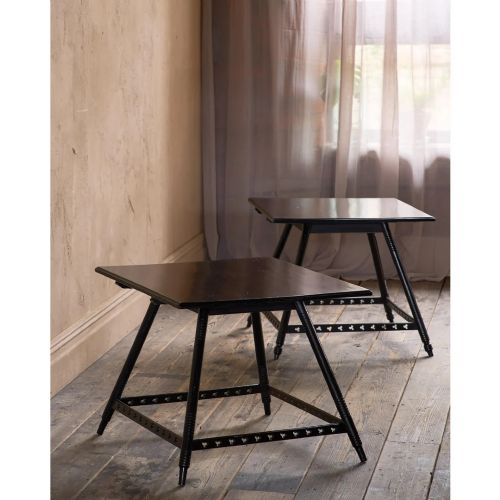
Joinery techniques ranged from traditional British mortise and tenon frames to intricate hand-carved elements that echoed Japanese export furniture and Chinoiserie traditions, occasionally incorporating faux bamboo turned frames.
Anglo Japanese Table Retail Price Guide 2026
Typical asking prices for anglo japanese table among the pieces listed under this phrase on Sellingantiques today, from the lower quarter to the upper quarter. They describe what is for sale here now, not the wider market.
Some tables were specifically built to hold dinner gongs, proving that Victorians liked their meals announced with absolute theatrical percussion.
What varies in quality
The distinction between standard commercial output and exceptional work lies in the sharpness of the hand-carving and the depth of the ebonised finish. Maker attribution also plays a role, with documented pieces associated with Liberty and Co or executed in the manner of E.W. Godwin showing superior precision in proportion and detail.
Materials and structural integrity separate simpler occasional pieces from substantial centre tables and desks. The quality of the timber, the crispness of turned bamboo-style legs, and the retention of original brass hardware dictate the standing of an individual piece.
Liberty of London·Blyth and Son London·Liberty and Co
The Anglo Japanese Table Glossary
- Aesthetic Movement
- A late nineteenth-century design current that championed art for art's sake and embraced Japanese visual culture. It rejected heavy Victorian ornamentation in favour of clean lines and flattened pictorial space.
- Ebonised Wood
- Timber treated with a dark stain or finish to resemble ebony. This technique was widely utilised in anglo-japanese furniture to create high-contrast surfaces.
- Japonisme
- The influence of Japanese art and design on Western practitioners. It shaped the decorative arts across Europe during the latter half of the nineteenth century.
- Occasional Table
- A small, movable table designed for specific, intermittent uses within a room. Common forms include side tables, lamp tables, and small plant stands.
- Pagoda
- A tiered architectural tower motif borrowed from Eastern design. It occasionally appears in the silhouette or ornamentation of Edwardian and Victorian tables.
Anglo Japanese Table: Frequently Asked Questions
What defines an anglo japanese table?
An anglo japanese table combines British structural forms with Japanese aesthetic influences, often featuring ebonised wood, clean geometric lines, or hand-carved motifs inspired by the Far East. These pieces reflect the cross-cultural exchange of the late nineteenth century.
They appear in various forms, from small occasional and lamp tables to larger centre tables and writing desks, capturing the spirit of the Aesthetic Movement.
How do I place one in a modern room?
Their dark ebonised surfaces and restrained silhouettes allow these tables to mix easily with contemporary and mid-century interiors. Use an occasional or side table next to a simple sofa or armchair.
Plant stands and small display tables work well in corners or hallways where their carved details can be appreciated without cluttering the floor space.
Who designed these tables?
Many pieces were produced in the manner of designer E.W. Godwin, who pioneered the integration of Japanese structural principles into British furniture. Retailers like Liberty and Co also commissioned and sold significant quantities.
Other workshops and makers, such as Blyth and Son of London, contributed to the genre by producing desks and tables with distinct aesthetic influence.
How do I distinguish periods within the style?
Pieces from the eighteen-seventies and eighteen-eighties often align closely with the strict geometric discipline of the Aesthetic Movement and E.W. Godwin's designs. Ebonised finishes and bamboo-turned elements predominate here.
Later pieces extending into the Edwardian era and nineteen-twenties, such as those retailed by Liberty, frequently incorporate heavier hand-carving, mahogany, or distinct pagoda-style silhouettes.