
Lacquered Storage Cabinet
A lacquered storage cabinet brings deep red or black finish and painted decoration into a room while hiding away everyday clutter.
Lacquered Storage Cabinet
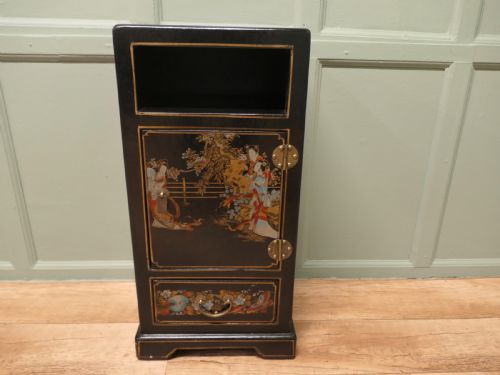
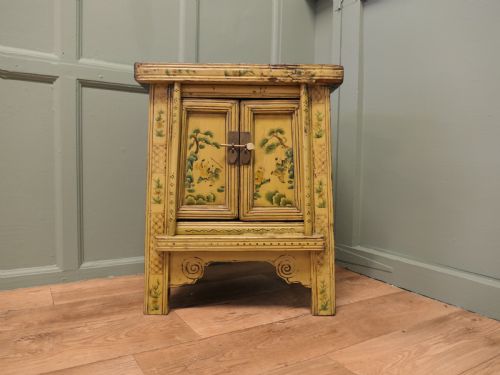
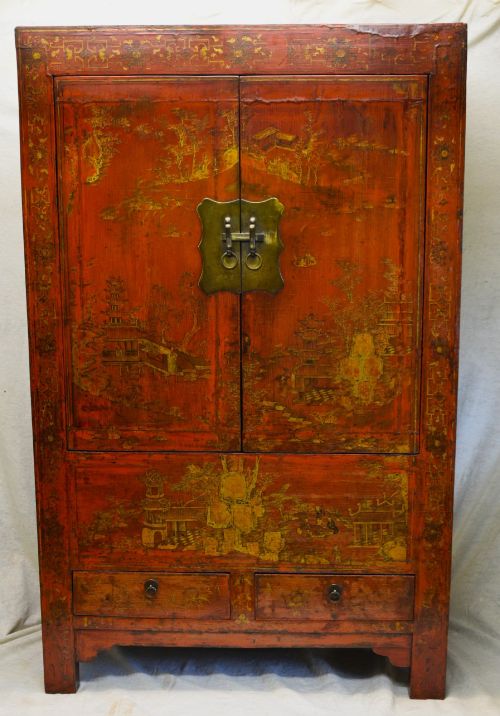
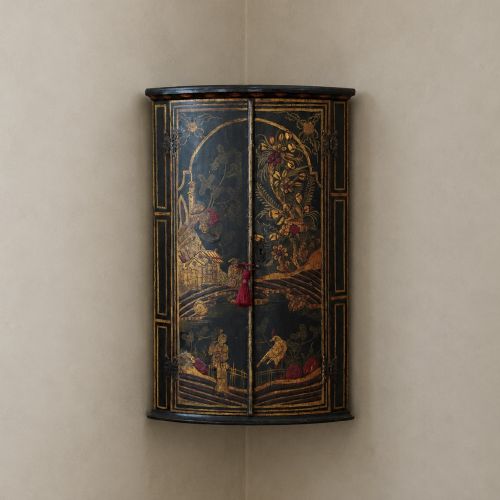
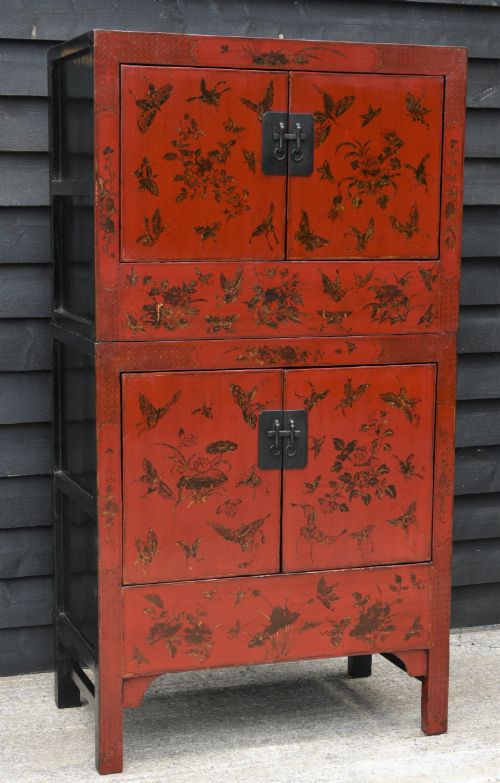
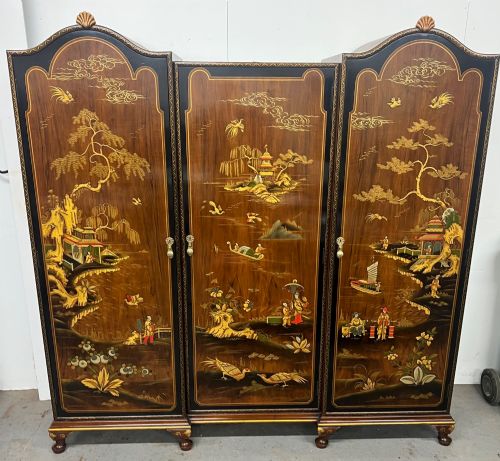
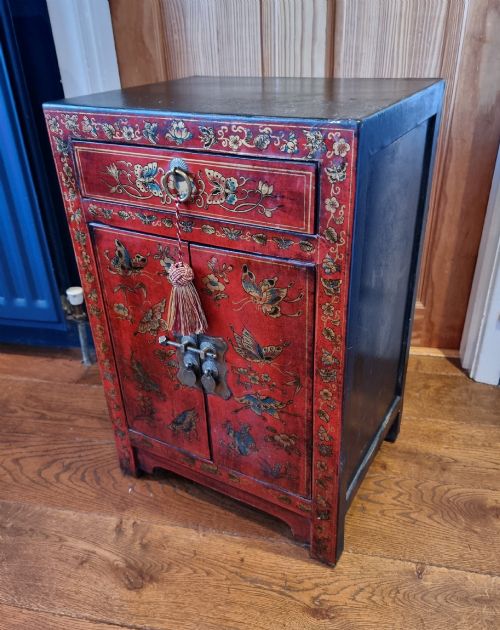
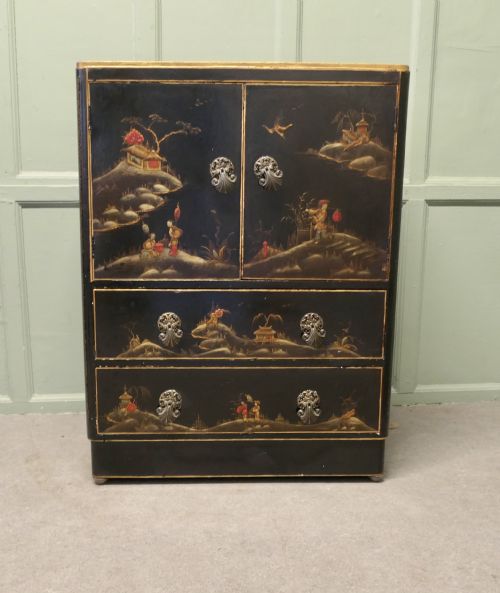
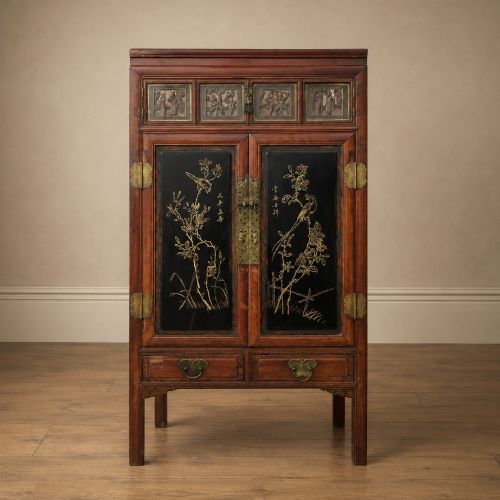
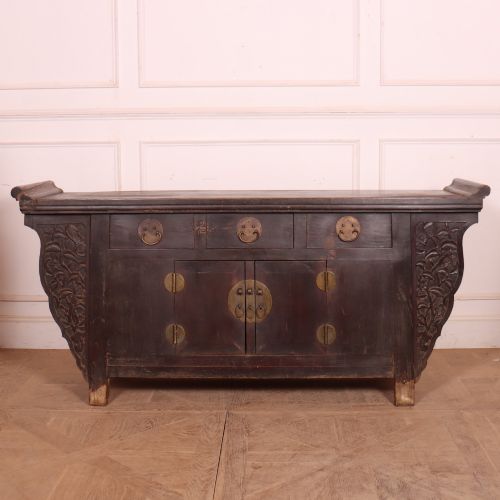
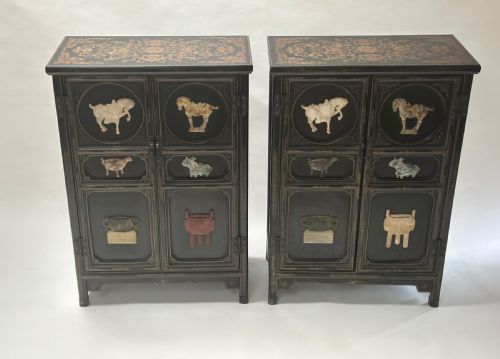
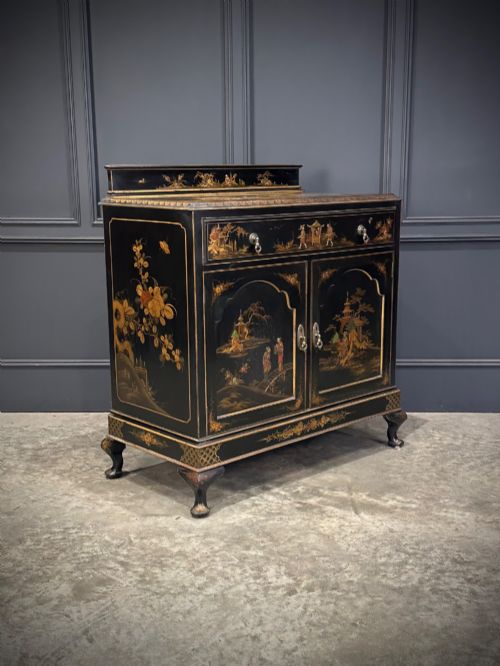
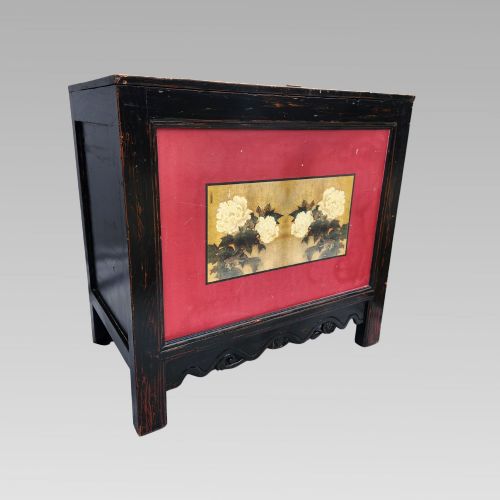
A lacquered storage cabinet provides enclosed shelving or drawers within a decorated exterior, serving as a functional focal point in a room. When searching for a lacquered storage cabinet, buyers encounter forms ranging from tall marriage cupboards and side cabinets to corner cupboards and apothecary chests.
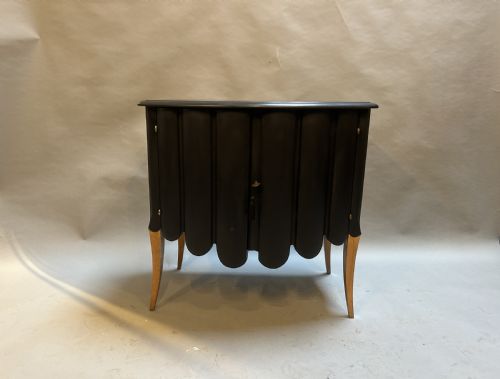
The pieces span periods from the eighteenth century through the Edwardian era and the early twentieth century. Chinese Qing Dynasty pieces and nineteenth-century examples dominate the selection alongside Japanese Meiji items, British Chinoiserie works, and Art Deco designs.
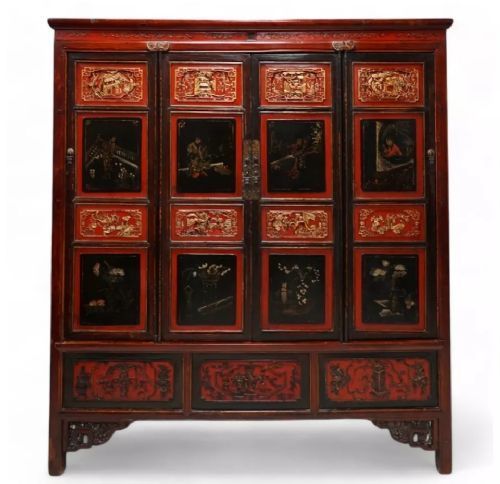
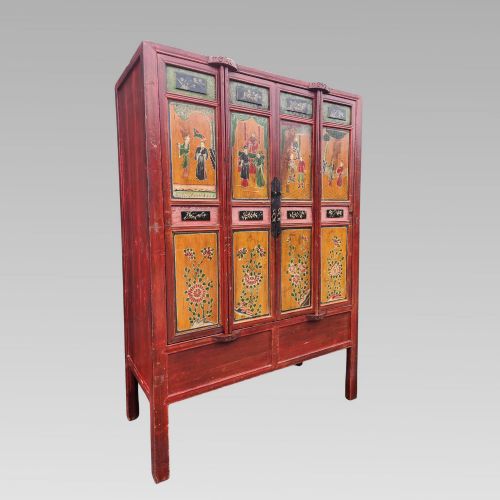
Construction varies from monumental compound cupboards to compact bedside cabinets and chests on stands. Traditional Chinese wedding and marriage cabinets provide substantial interior storage behind hinged doors.
Materials and Construction
Makers applied layers of lacquer to wooden carcases built from elm, kiri, and general timber. This smooth finish received painted, carved, or gilded ornamentation depicting figures, birds, flowers, and landscapes.
Metal fittings in brass and iron secure the doors and drawers on many examples. Stands, bases, and cornices often incorporate carved details or gilt highlights to frame the lacquered surfaces.
Materials span traditional lacquer and wood alongside brass, iron, gilt, and elm.
Standard and Craftsmanship
The depth and preservation of the lacquer finish distinguish finer pieces from simpler items. Intricate hand-painted or carved decoration requires skilled execution that elevates the visual presence of the cabinet.
Original stands, intact brass or iron hardware, and well-preserved internal shelving indicate superior original manufacture. Cabinets retaining their early surface patination hold greater decorative consistency.
Maples & Co.
The Lacquered Storage Cabinet Glossary
- Chinoiserie
- European decorative style imitating Chinese artistic traditions. It appears on British and continental furniture through painted lacquer and gilt motifs.
- Japanned
- European lacquerwork imitating Japanese export goods. The technique involves building up layers of varnish decorated in gilt on a dark ground.
- Tansu
- Traditional Japanese mobile storage chest built from wood. These units incorporate multiple drawers and sliding compartments for domestic organisation.
- Marriage Cabinet
- Large Chinese storage cupboard traditionally given as a wedding gift. These pieces feature prominent brass hardware and red or black lacquer.
- Apothecary Cabinet
- Multi-drawer chest designed for storing medicines and dried herbs. They offer numerous small compartments arranged across the front.
Lacquered Storage Cabinet: Frequently Asked Questions
Where should I place a lacquered cabinet?
These cabinets suit living rooms, hallways, or bedrooms where their decorative surfaces can stand against a neutral wall. They provide concealed storage for tableware, linens, or books while adding colour and pattern to the interior.
Keep them away from direct sunlight and strong heat sources to protect the lacquer finish from drying or cracking over time.
How do I care for lacquer furniture?
Dust the surfaces gently with a soft, dry cloth to remove everyday particles. Avoid using modern chemical polishes, abrasive cloths, or liquid cleaners that might soften the historic finish.
Maintain a stable room temperature and humidity level to prevent the underlying wood from expanding and stressing the lacquer layer.
What is the difference between Chinese and European Chinoiserie pieces?
Chinese cabinets originate from workshops in regions such as Fujian and often utilise native timbers like elm with traditional red or black lacquer finishes. Their decoration reflects local iconography, wedding symbolism, and vernacular joinery methods.
European Chinoiserie furniture was manufactured in Britain or on the continent using local woods finished with japanning techniques to imitate imported Asian goods.
How do I date an antique lacquered cabinet?
Examine the construction methods, timber types, and hardware style to establish an approximate period of origin. Eighteenth and nineteenth-century pieces often display hand-cut joinery, forged iron hinges, and heavy brass plates.
Early twentieth-century and Art Deco examples feature streamlined forms, lighter internal fittings, and standardised fixings alongside traditional decorative painting.