
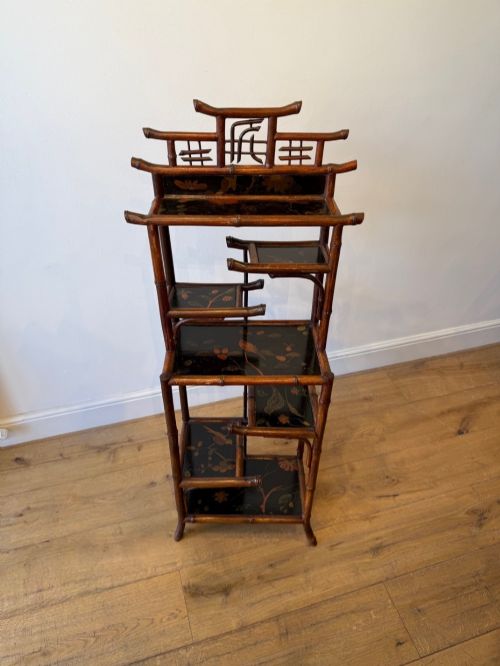
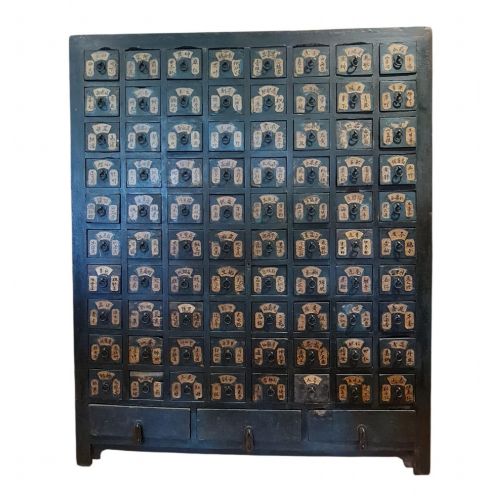
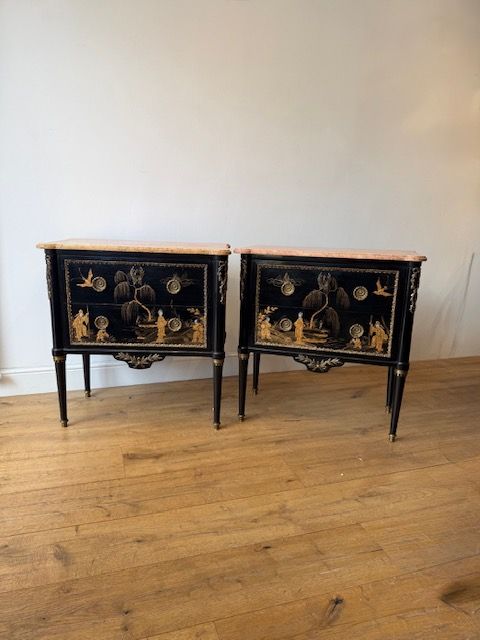
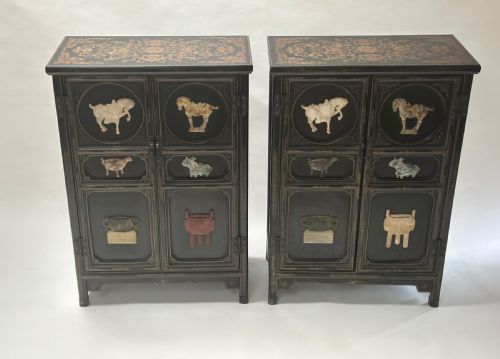
Oriental Black Cabinet
An oriental black cabinet brings deep lacquer and gilded detail into a room, offering both surface art and practical storage.
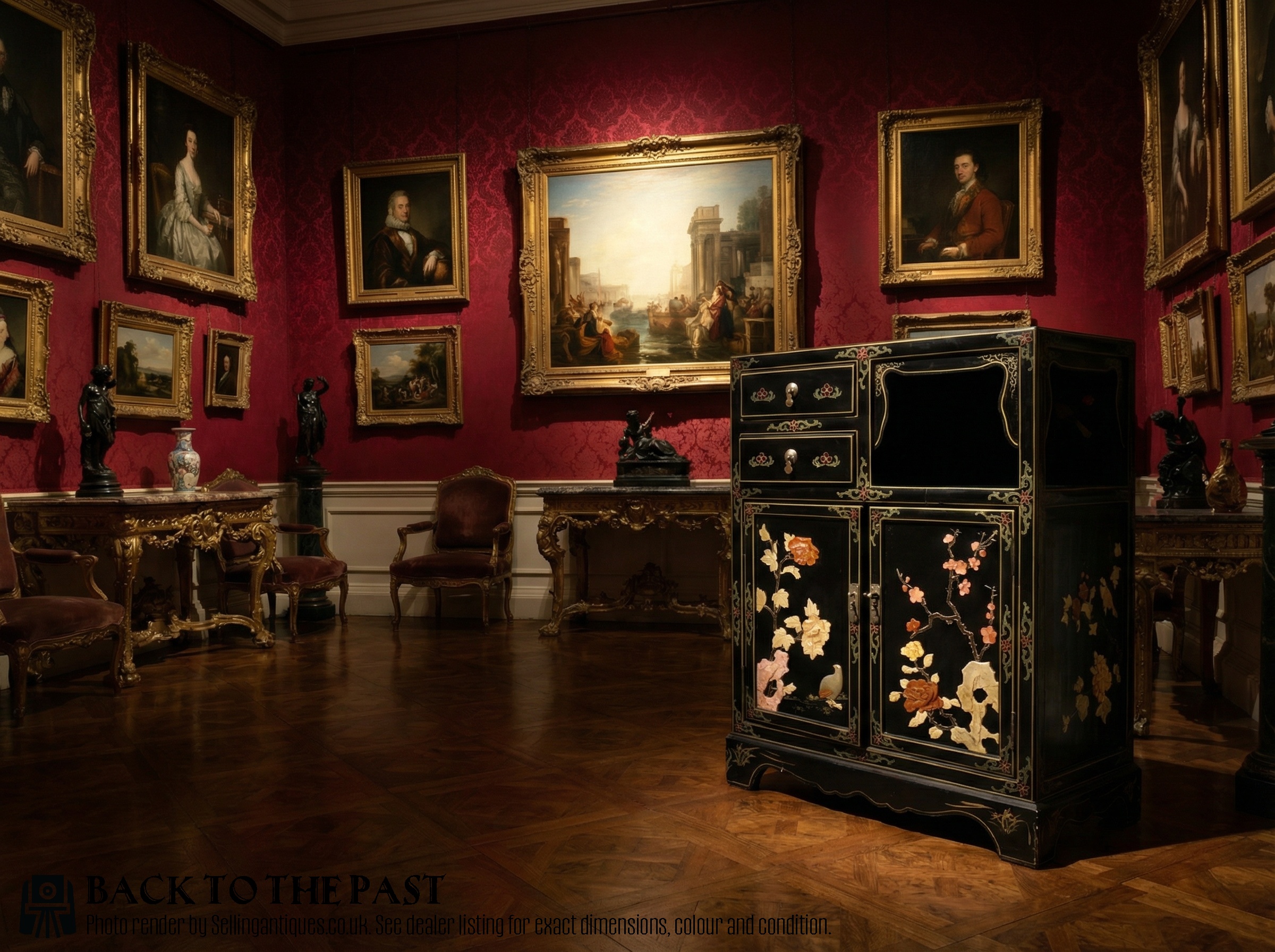
Oriental Black Cabinet
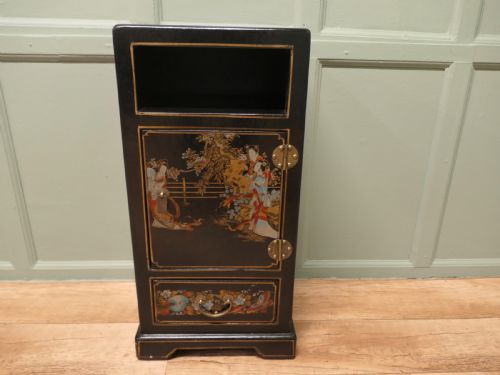
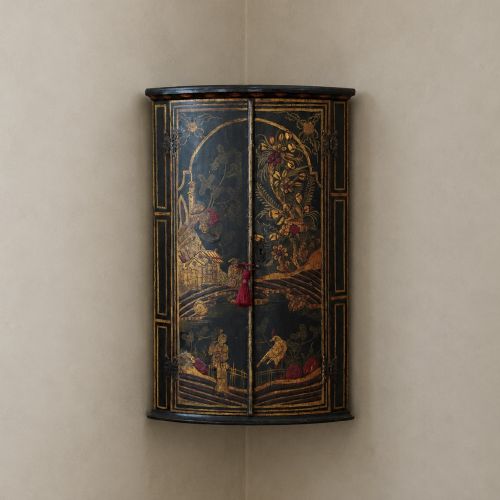
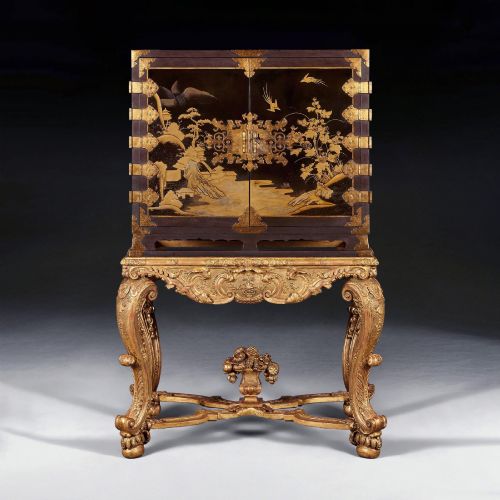
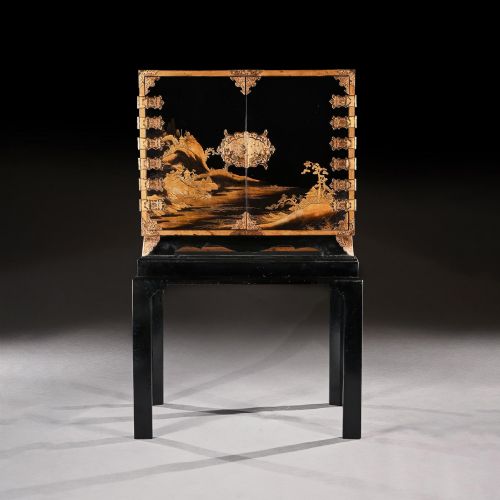
When you search for an oriental black cabinet, you enter a field spanning table cabinets, corner cupboards, side cabinets, and grand pieces raised on stands. The pieces seen here stretch from the seventeenth century through the Victorian era and into the Art Deco period, uniting diverse forms under dark lacquered surfaces.
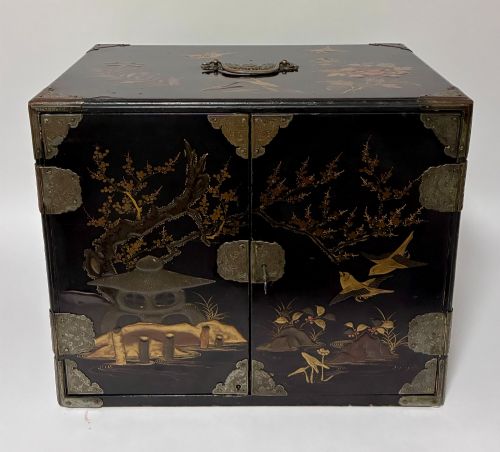
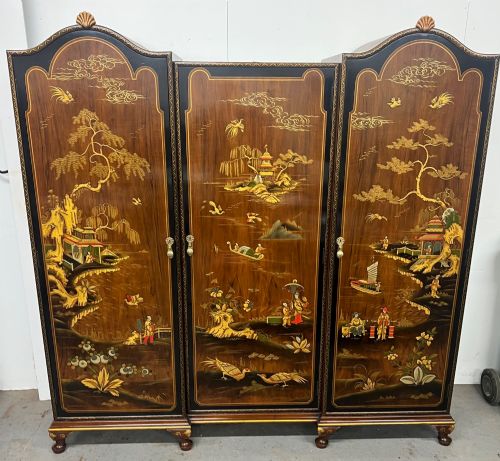
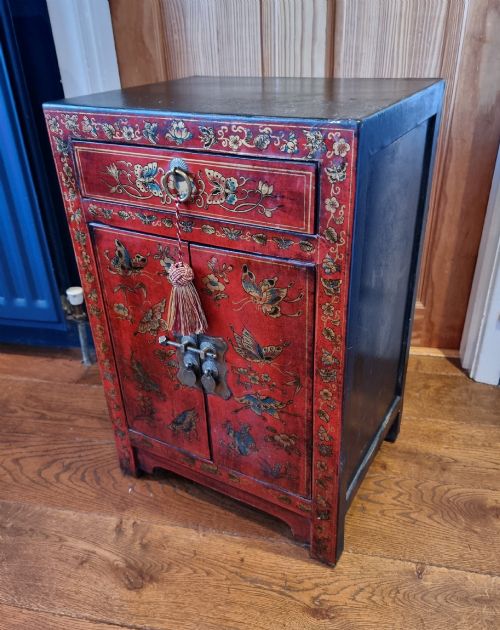
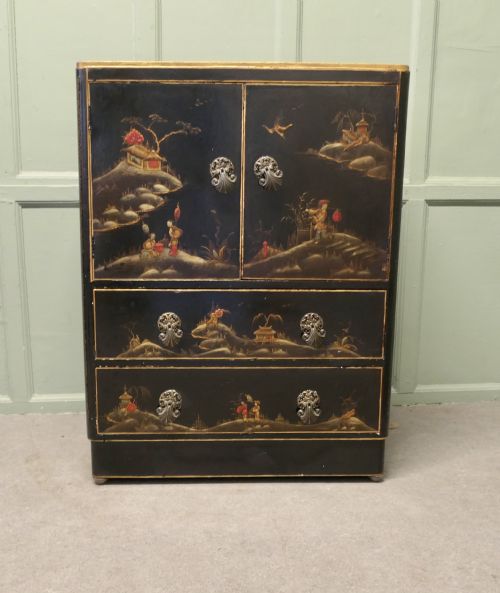
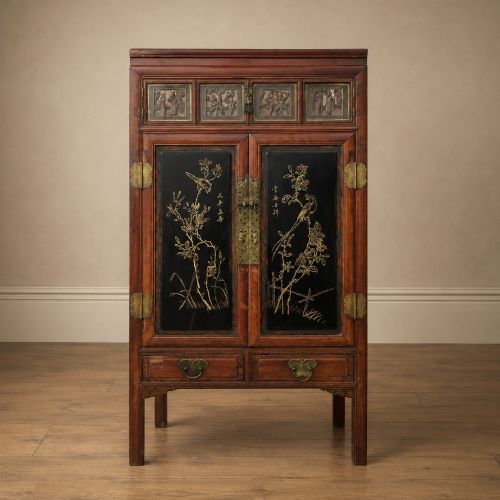
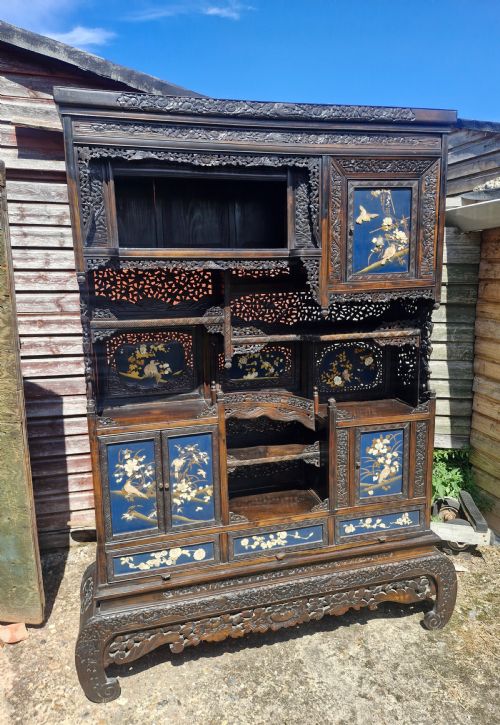
You are most likely to meet nineteenth-century and early twentieth-century examples on this page, often finished in black lacquer with Chinoiserie decoration or Japanese design. These range from small table cabinets and Kodansu boxes to larger cupboards and cabinets on stands.
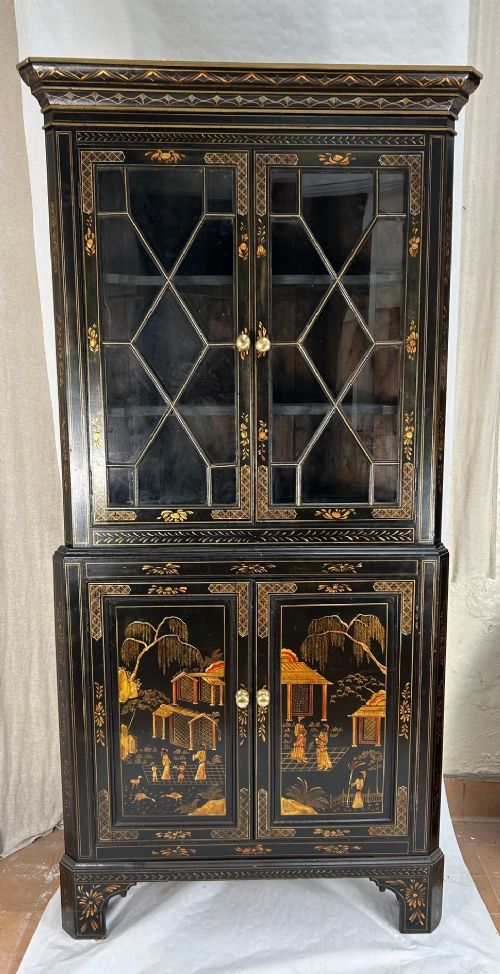
The origins represented in this selection reach across China, Japan, and Korea, alongside European interpretations in the Georgian and Victorian Chinoiserie styles. Each region contributes distinct decorative vocabularies, from Qing Dynasty motifs to British Japanned corner cupboards.
Distinguishing quality across the range
Quality rests in the depth and preservation of the lacquer surface, alongside the crispness of the gilt decoration. Pieces with hand-painted detail and integrated stands show superior craftsmanship compared to simpler utilitarian storage boxes.
The integrity of the timber carcase and the retention of original decorative hardware separate ordinary domestic containers from finer examples made for export or high-status interiors.
Listings feature pieces spanning from the seventeenth century through to the Art Deco period, including pine, elm, and lacquered wood.
Maples & Co.
The Oriental Black Cabinet Glossary
- Japanning
- European imitation of East Asian lacquerwork, developed during the seventeenth and eighteenth centuries. It involves building up layers of varnish and applying gold decoration over a dark painted base.
- Kodansu
- A small Japanese tabletop cabinet with multiple internal drawers or compartments. These portable chests were traditionally used for storing documents, seals, or valuables.
- Cabinet on Stand
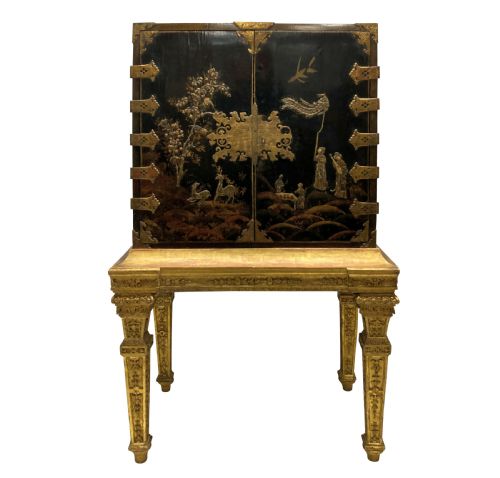
- A freestanding storage cabinet elevated on a separate supporting base or frame. These stands range from French giltwood Regence designs to carved wooden frames matching the main body.
- Qing Dynasty
- The final imperial dynasty of China, lasting from the seventeenth to the early twentieth century. Furniture from this period frequently incorporates intricate lacquerwork and inlaid details.
Oriental Black Cabinet: Frequently Asked Questions
How do I place an oriental black cabinet in a modern room?
These cabinets work well as focal points in neutral spaces, where their dark lacquer and gold details can stand out against plain walls. Use a table cabinet on a sideboard or desk, or let a larger cupboard anchor a corner.
Ensure the piece is placed away from direct sunlight to protect the lacquer finish from fading over time. Pairing them with simple modern furniture lets the historical craftsmanship take centre stage without overwhelming the room.
What is the difference between a table cabinet and a cabinet on stand?
A table cabinet is a compact, portable chest designed to sit on a desk, table, or chest of drawers. These often feature internal drawers or small doors suitable for documents and small items.
A cabinet on stand is a much taller piece of furniture where the main storage body sits permanently elevated upon a matching or decorative base frame. This raised design gives the furniture greater presence and floor-standing visual weight.
How do I care for antique lacquer surfaces?
Dust the surface gently with a soft, dry microfibre cloth to remove everyday particles. Avoid using modern chemical polishes, wet cloths, or abrasive cleaners, which can damage the historic lacquer.
Keep the cabinet in a room with stable humidity and temperature levels to prevent the underlying wood from expanding and causing the lacquer to craze or crack.
How can I tell the period of a Chinoiserie cabinet?
Examine the construction methods, drawer linings, and hardware, as these change noticeably between the seventeenth, eighteenth, and early twentieth centuries. Seventeenth and eighteenth-century pieces often display European Japanning techniques, while later pieces from the Victorian and Edwardian eras show distinct industrial or revivalist framing.
Look closely at the style of the Chinoiserie motifs and the type of wood used in the carcase, such as pine or elm, which often points towards specific manufacturing eras and regional traditions.