
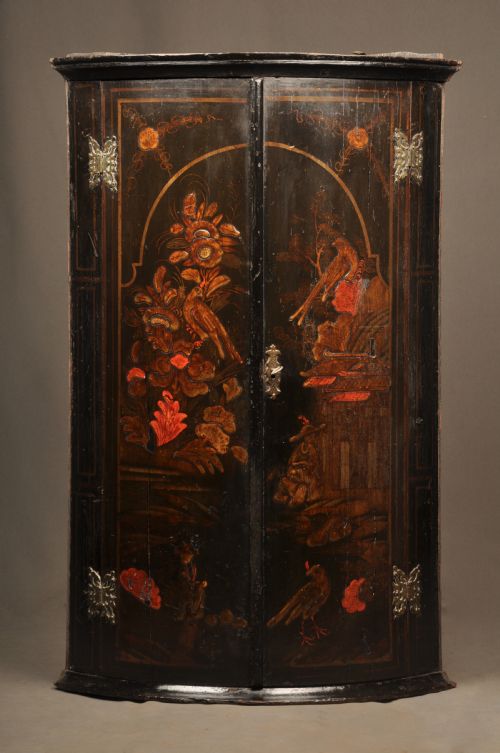
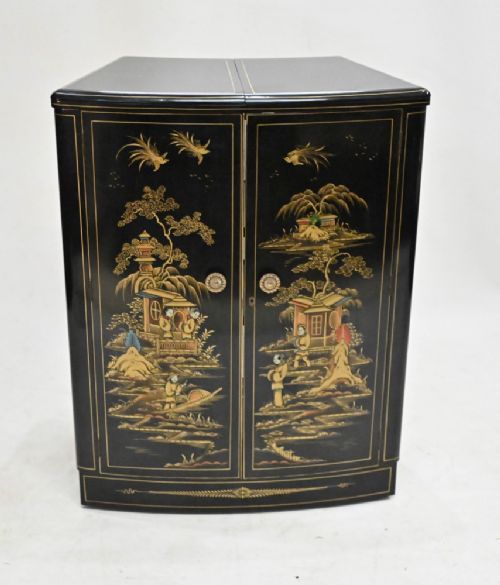


Black Chinoiserie Cupboard
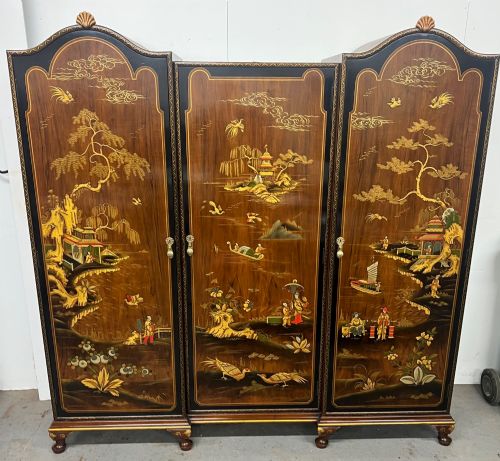
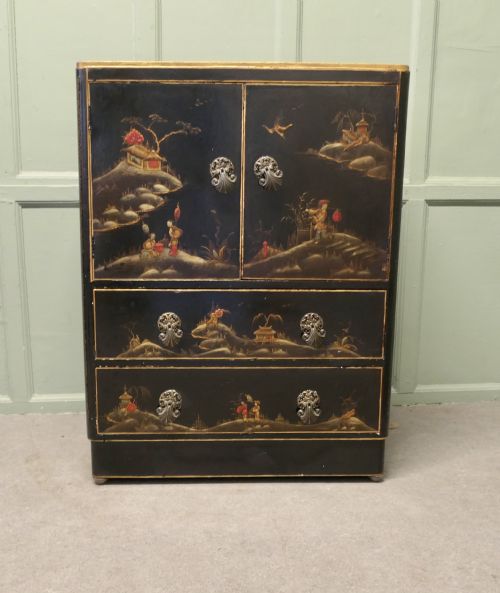
A black chinoiserie cupboard brings lacquer, gold leaf and painted Orientalist scenes into a room.
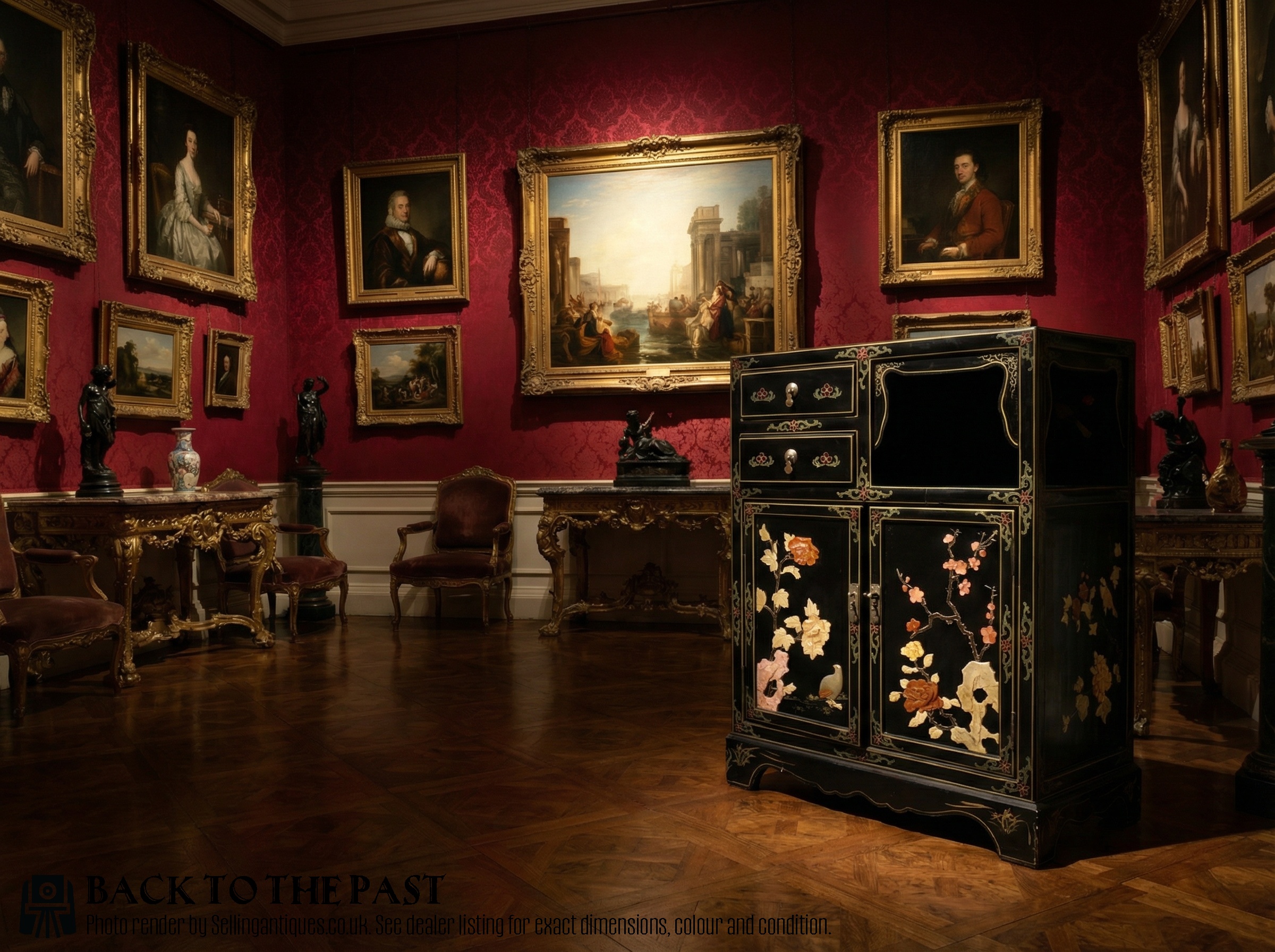
Black Chinoiserie Cupboard
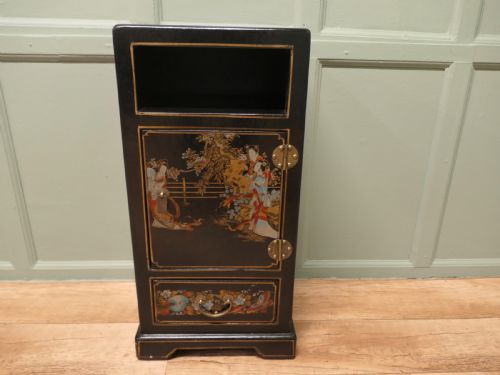
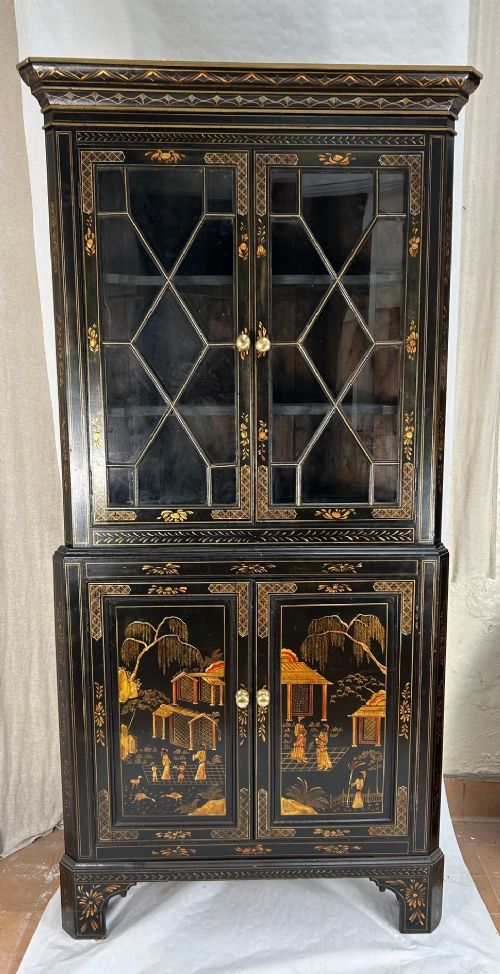
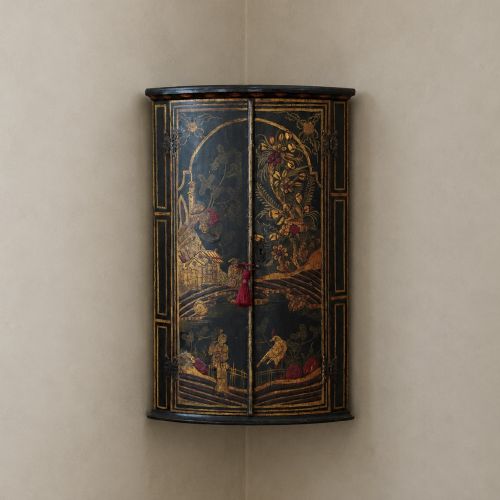
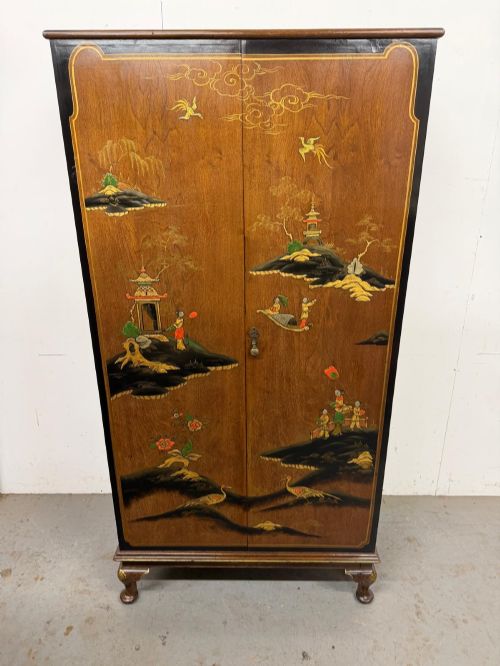
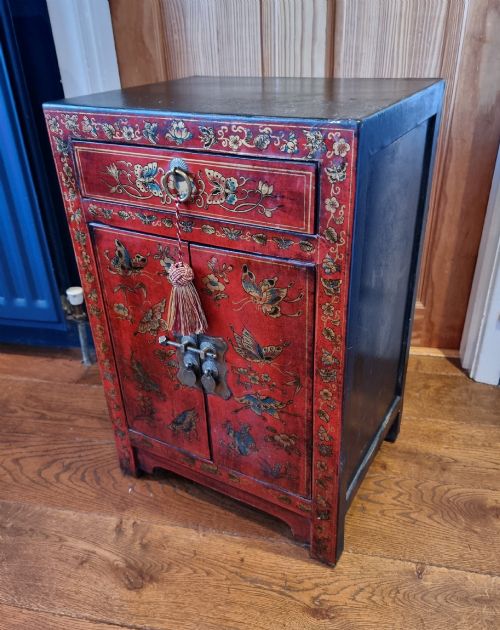
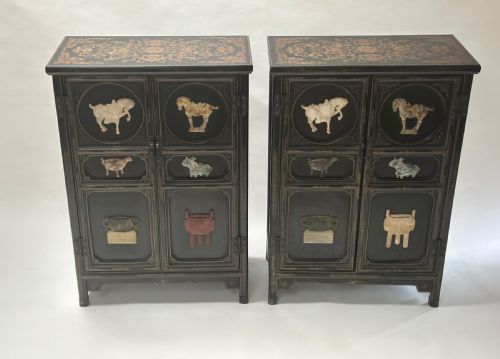
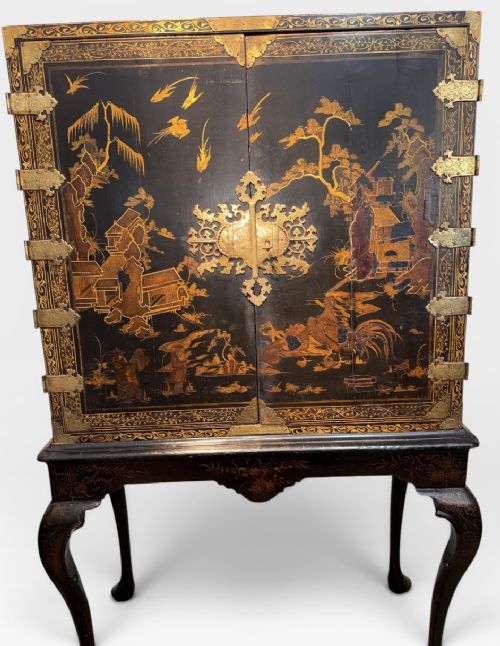
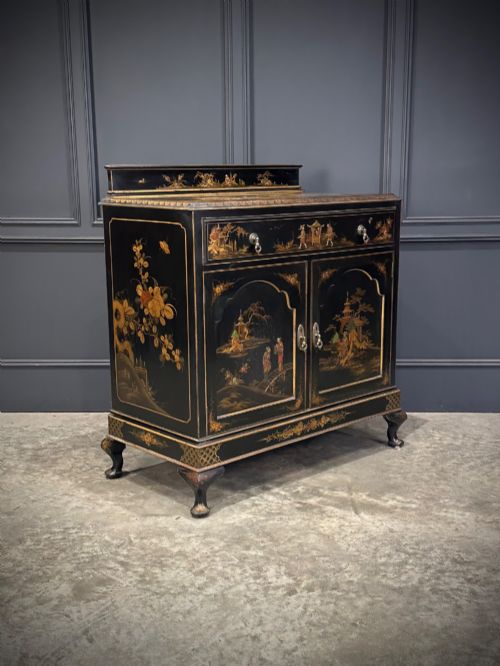
A black chinoiserie cupboard encompasses a variety of storage pieces, from tall wardrobes and side cabinets to corner cupboards and cabinets on stands. These items are designed with distinct decorative surfaces that reflect European interpretations of East Asian art or imported craftsmanship.
The pieces span multiple centuries, appearing in Georgian, Regency, Edwardian, and Art Deco iterations. Buyers frequently encounter corner cupboards and side cabinets originating from the eighteenth and nineteenth centuries, alongside early twentieth-century revival pieces.
Materials and construction
Makers built these pieces using wood substrates finished with layers of lacquer, often enhanced with gold leaf, gilt, and brass mounts. Artisans applied successive coats of varnish to build a smooth ground before painting figurative scenes, landscapes, birds, and flowers.
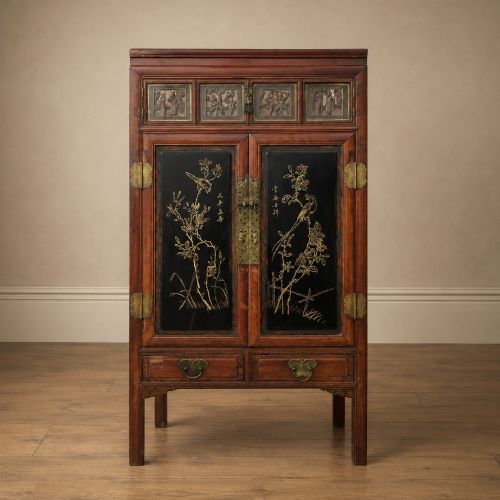
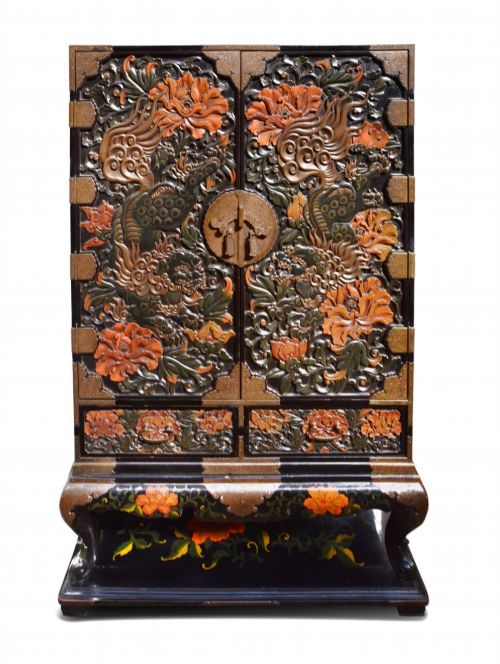
Techniques range from traditional japanning and carved lacquer work to pen-work decoration on wood and glass-fronted display formats. Metal hardware such as brass handles and hinges provide structural contrast to the dark lacquered surfaces.
Several cupboards hide their spirits behind gilded birds and flowers, ready for an Art Deco cocktail hour.
Assessing the craftsmanship
Quality depends on the depth and complexity of the surface decoration, ranging from simple painted motifs to intricate carved lacquer and detailed gold leaf work. The execution of the figures and botanical scenes reveals the skill level of the decorator.
The underlying cabinetwork also defines the standard of the piece, with solid timber construction, well-fitted doors, and original brass hardware marking superior examples from various periods.
Maples and Co
The Black Chinoiserie Cupboard Glossary
- Japanning
- European imitation of East Asian lacquerwork, created by applying layers of varnish and heat-drying the surface. This technique was widely utilised on eighteenth-century corner cupboards and side cabinets.
- Chinoiserie
- European artistic style reflecting Chinese and East Asian motifs, popular across Georgian and Regency periods. It appears on cabinets, wardrobes, and screens.
- Cabinet on stand
- A storage compartment elevated on a separate supporting frame with legs. These forms often feature elaborate lacquer decoration and brass hardware.
- Pen-work
- Decoration technique using ink or similar mediums on wood to create fine illustrative details. This method is occasionally found on Regency period cabinets.
Black Chinoiserie Cupboard: Frequently Asked Questions
How do I date a black chinoiserie cupboard?
Dating relies on examining the cabinet construction, hardware styles, and the specific characteristics of the lacquer work. Eighteenth-century pieces typically display different joinery and japanning methods compared to Edwardian or Art Deco revivals.
Comparing the decorative motifs and wood types helps narrow down the period, whether Georgian, Regency, or early twentieth century.
What is the difference between japanning and lacquer?
Lacquer traditionally refers to resin harvested from Asian trees, whereas japanning is the European method of imitating this finish using varnishes and paints. Both techniques produce glossy dark surfaces decorated with gold leaf and painted scenes.
Historical pieces from China or Japan utilise true lacquer, while many British and European interpretations employ japanning.
How do I care for lacquered furniture?
Lacquered surfaces require gentle cleaning with a soft, dry cloth to remove dust without scratching the finish. Avoid placing these pieces in direct sunlight or near heat sources to prevent the wood and varnish from drying out.
Keeping humidity levels stable in the room protects both the wooden structure and the delicate gold leaf decorations.