
Traditional Oriental Furniture
Traditional oriental furniture brings centuries of craftsmanship into modern rooms through elm, hardwood, and red lacquer storage and seating.
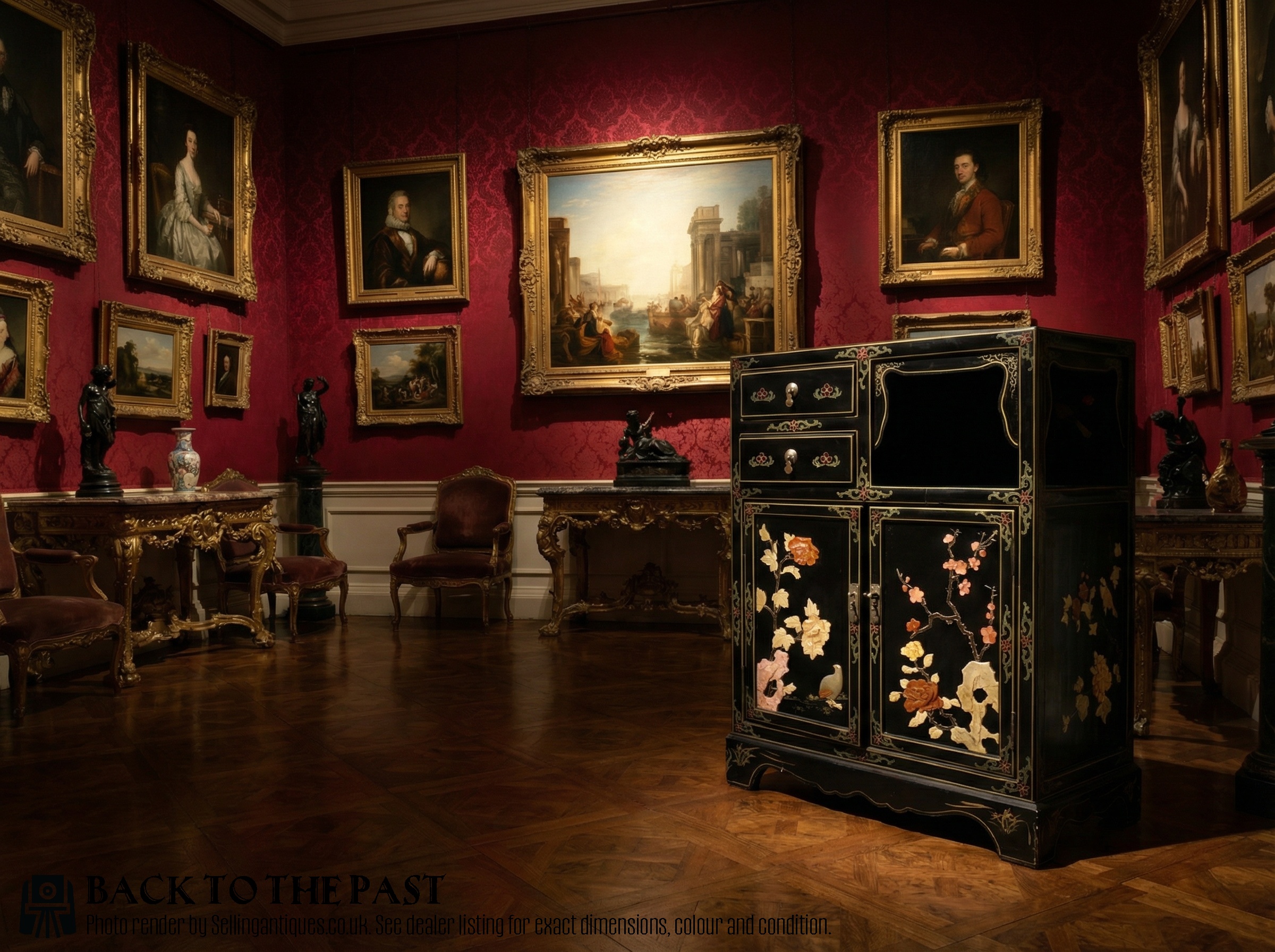
Traditional Oriental Furniture
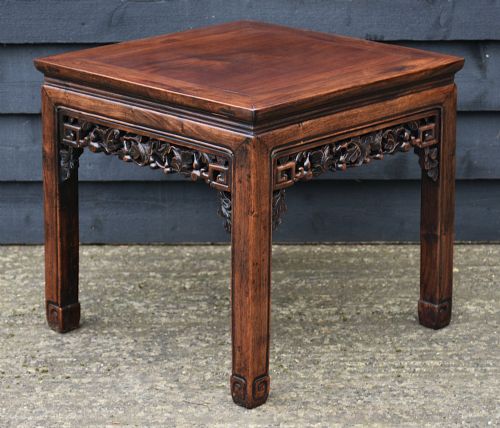
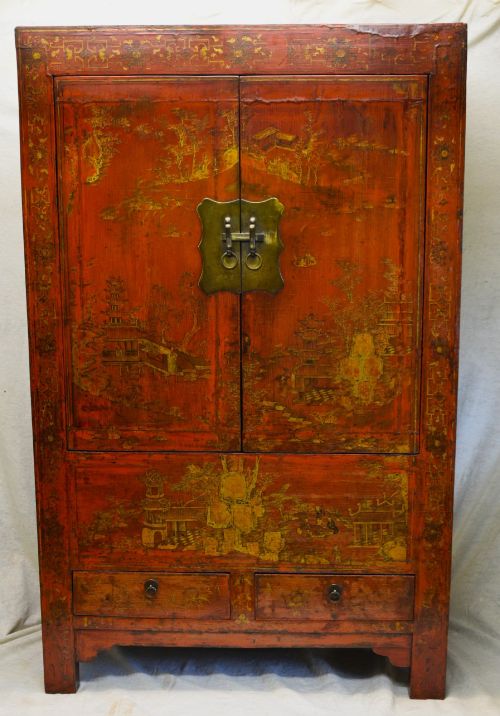
Traditional oriental furniture encompasses a diverse selection of seating, tables, and storage pieces originating from China, Japan, and Korea. When you search for traditional oriental furniture, you encounter sturdy elm side tables, hardwood armchairs, and striking lacquered wedding cabinets.
The material record spans from the eighteenth century through the early twentieth century, taking in Qing Dynasty pieces and Japanese Meiji period examples. Side tables, coffee tables, cabinets, and tansu chests form the core of the selection.
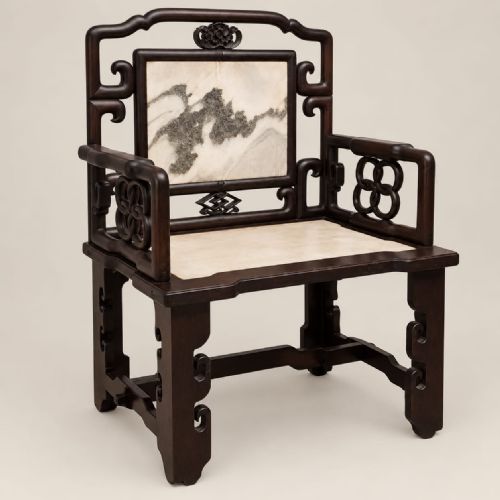
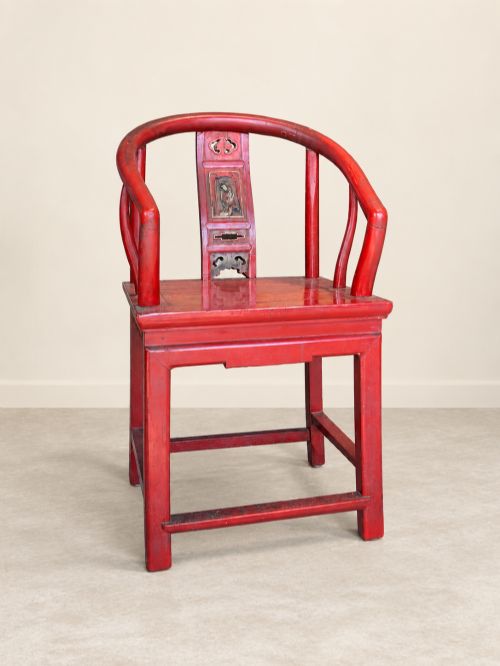
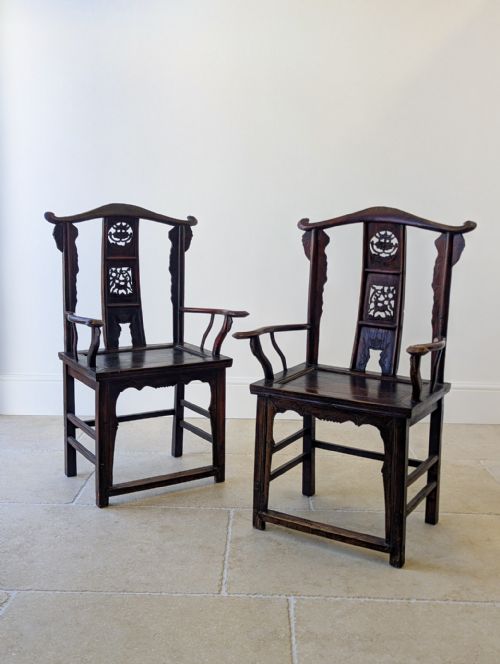
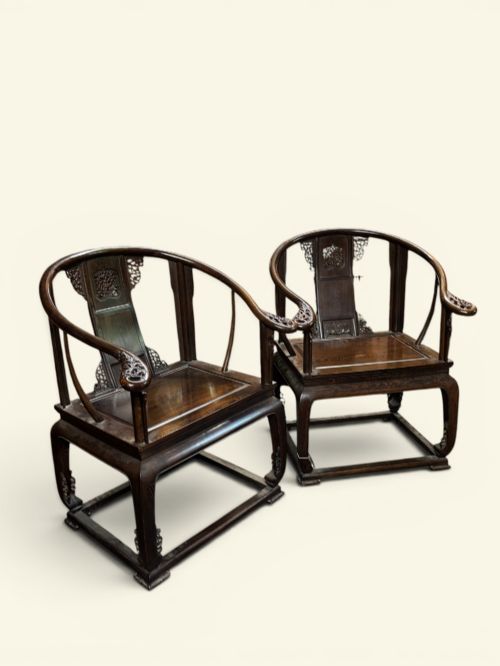
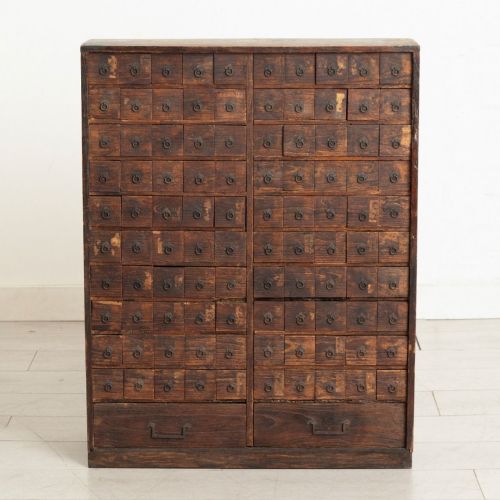
Chairs range from yoke-back armchairs and horseshoe-back designs to concubine chairs and lamp hanger chairs. Storage solutions include apothecary drawers, larder cupboards, and large bandaji chests.
Materials and construction methods
Makers utilised dense timbers such as elm, burr elm, zelkova, and heavy hardwoods including rosewood and hongmu. These native woods provided the structural integrity required for large cabinets, benches, and tables.
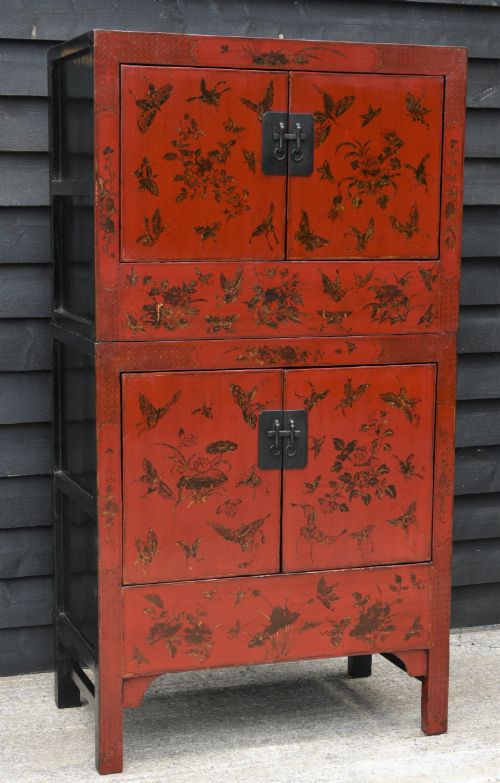
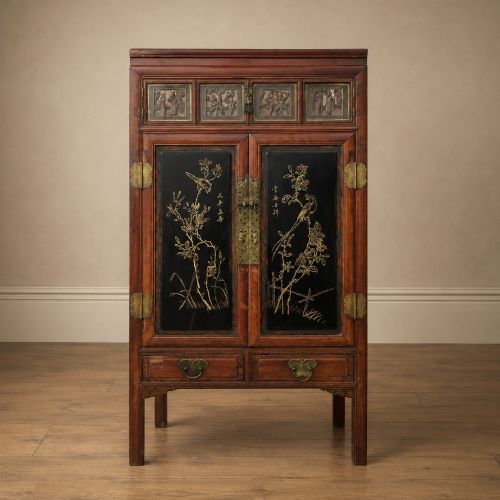
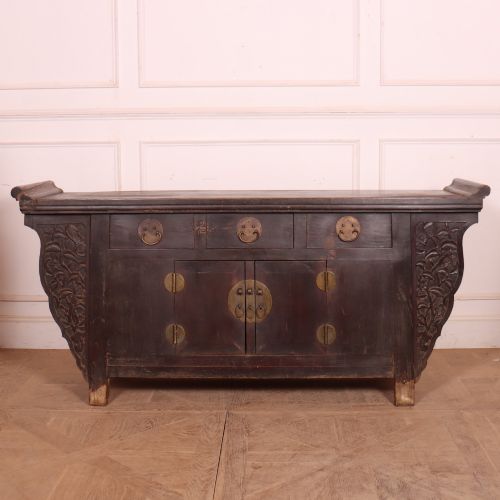
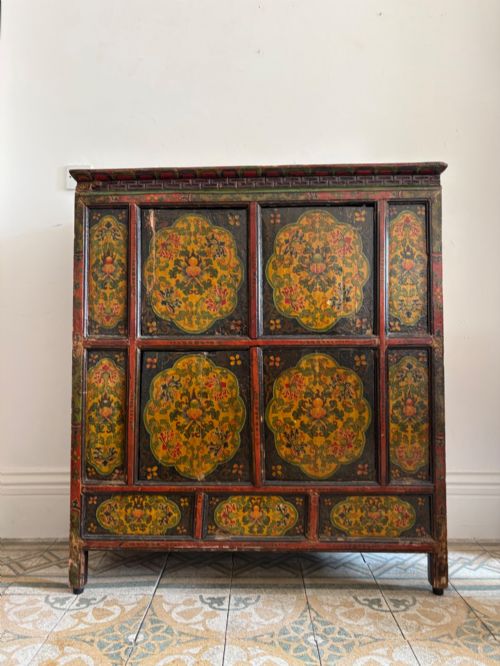
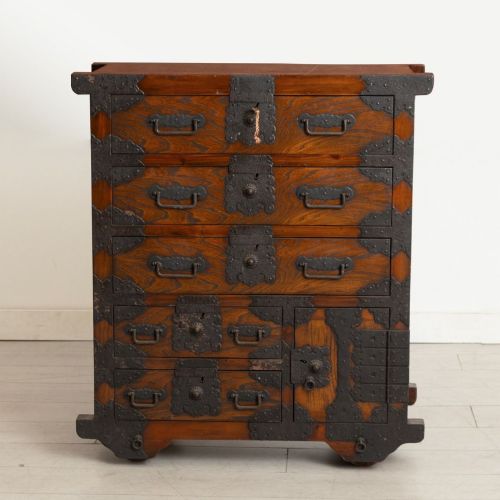
Surface decoration frequently involved layers of red or black lacquer, sometimes enhanced with hand-painted floral details. Metal elements in brass and iron served as functional hardware on chests, cabinets, and tansu units.
Listings feature periods spanning from the eighteenth century through the 1930s, alongside Victorian-era imports.
Distinguishing quality in the range
Quality rests upon the selection of timber, the crispness of carved details, and the preservation of original finishes. Dense hardwoods and well-figured burr elm veneers distinguish finer examples from standard utility items.
The integrity of traditional joinery and the survival of original brass or iron hardware influence the standing of a piece. Painted or lacquered surfaces show varying degrees of preservation, with undisturbed original patination commanding attention.
The Traditional Oriental Furniture Glossary
- Tansu
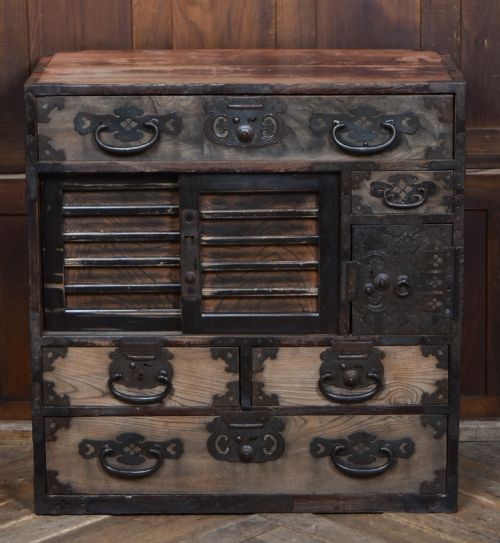
- A traditional Japanese mobile storage chest built with integrated iron or brass hardware. These pieces often incorporate multiple small drawers and sliding doors for domestic organisation.
- Hongmu
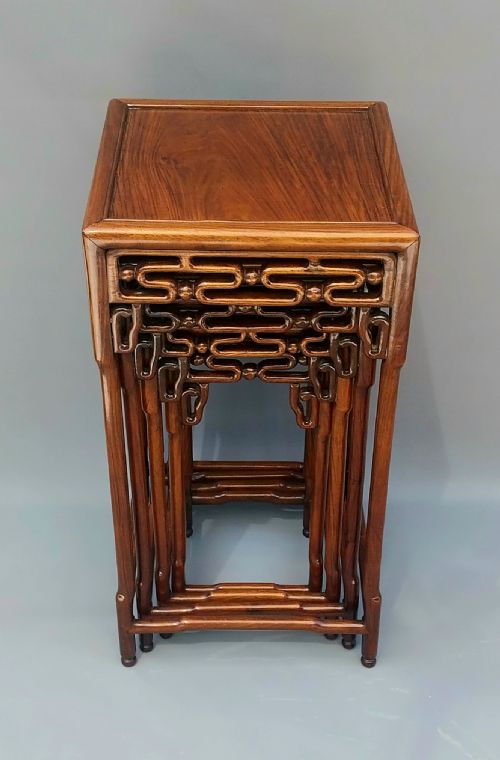
- A category of dense, heavy Chinese hardwood prized for dark colour and durability. Items made from this material include nests of tables, stands, and chairs.
- Lacquer
- A durable resin finish applied in multiple coats to wood surfaces, typically in red or black tones. This technique protects the underlying timber while providing a smooth sheen.
- Bandaji
- A traditional Korean storage chest constructed with decorative metal straps and corner plates. Elm veneer is frequently employed in their construction.
- Yoke-back
- A style of armchair featuring a top rail shaped like an ox yoke. This design offers ergonomic support and represents classic Chinese seating geometry.
Traditional Oriental Furniture: Frequently Asked Questions
How do I date traditional oriental furniture?
Dating relies upon stylistic markers, construction techniques, and recorded periods such as the Qing Dynasty or the Meiji period. Material choices like rosewood, elm, and lacquer also help establish the era of production.
Examination of the joinery and hardware provides further context. Subtle shifts in form between eighteenth-century items and early twentieth-century pieces guide proper attribution.
Where were these pieces originally placed in a home?
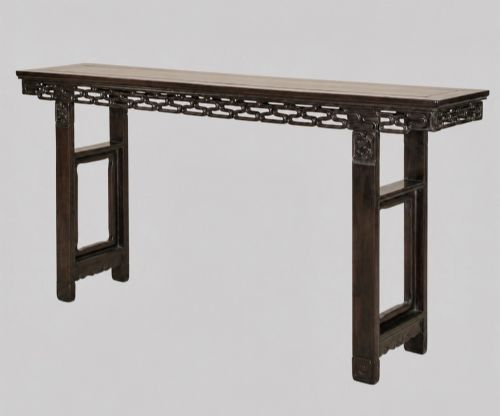
Cabinets and tansu chests served practical storage roles in domestic interiors, holding garments, documents, or household goods. Altar tables and display cabinets occupied formal living spaces for ritual or decorative presentation.
Seating such as horseshoe-back armchairs and horseshoe hall benches were positioned in reception rooms. Low tables and opium tables functioned as central surfaces for daily activities.
How do I care for lacquered wood furniture?
Keep lacquered surfaces away from direct sunlight and excessive heat fluctuations to prevent cracking or fading. Dust gently with a soft, dry cloth rather than applying harsh chemical polishes.
Maintain stable indoor humidity levels to protect both the wooden substrate and the delicate finish. Proper placement ensures the longevity of painted and lacquered details.
What is the difference between Chinese and Japanese pieces?
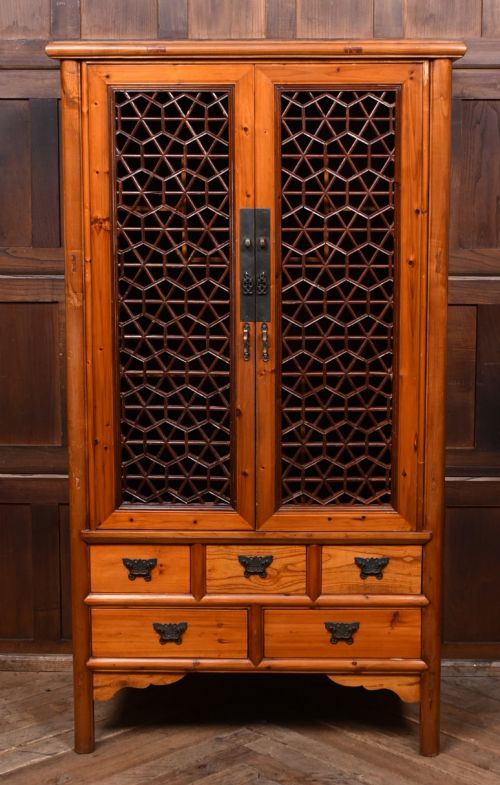
Chinese pieces often emphasise figured hardwoods, framed joinery, and rich red or black lacquer applications. Forms such as yoke-back chairs and altar tables reflect classical domestic architecture.
Japanese items frequently utilise zelkova or cryptomeria woods and feature functional iron hardware. Tansu chests and larder cupboards prioritise modular storage solutions tailored to domestic efficiency.