
Asian Lacquer Cupboard
An asian lacquer cupboard brings rich colour and surface depth to a room, holding centuries of regional craftsmanship.
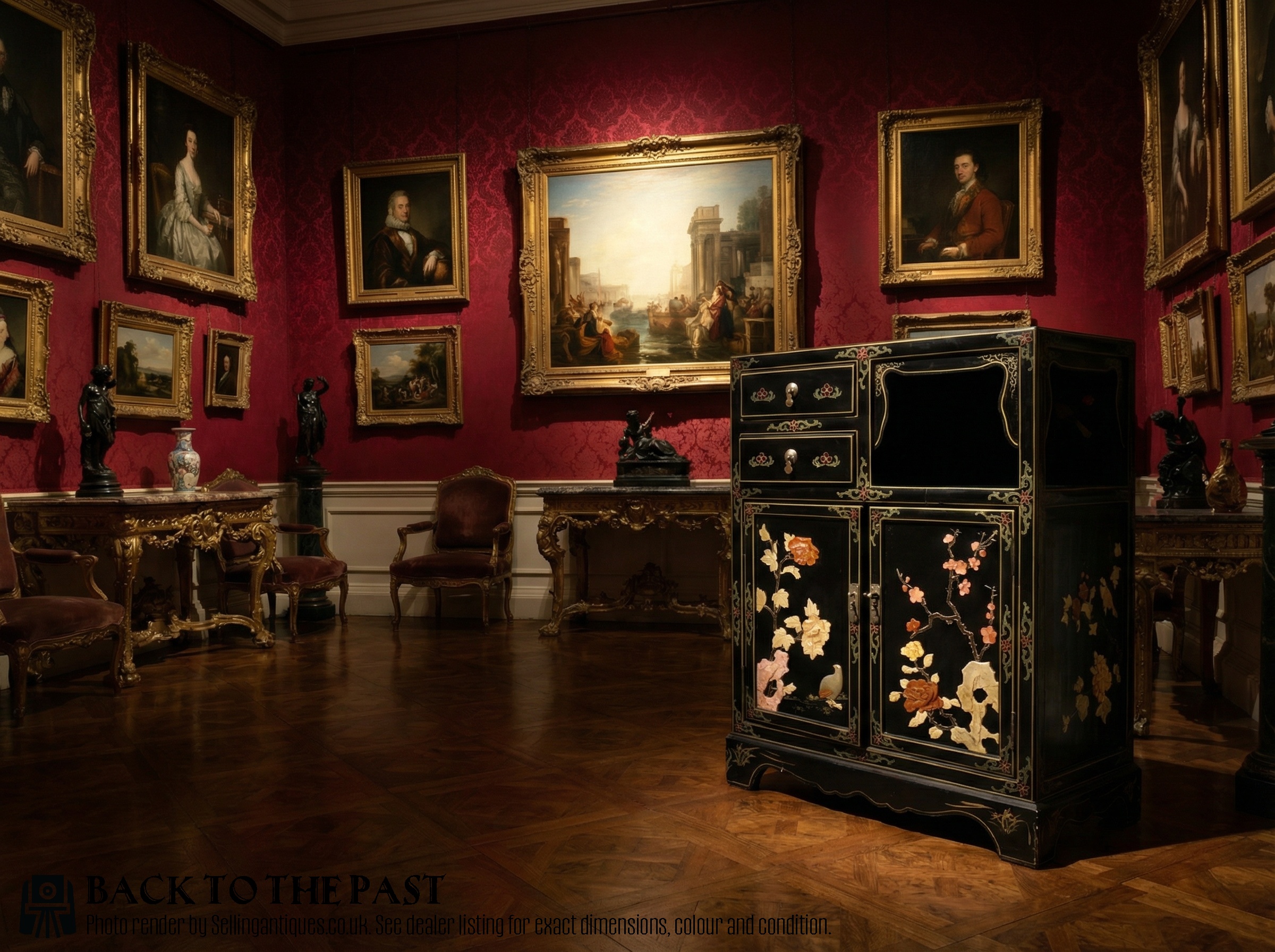
Asian Lacquer Cupboard
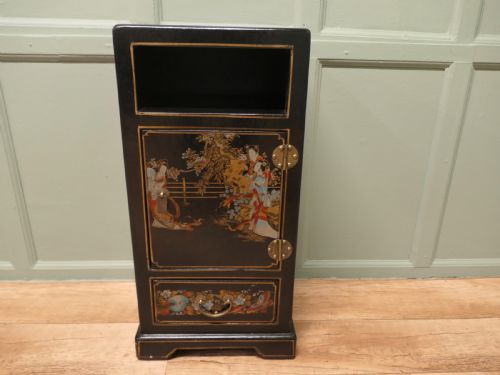
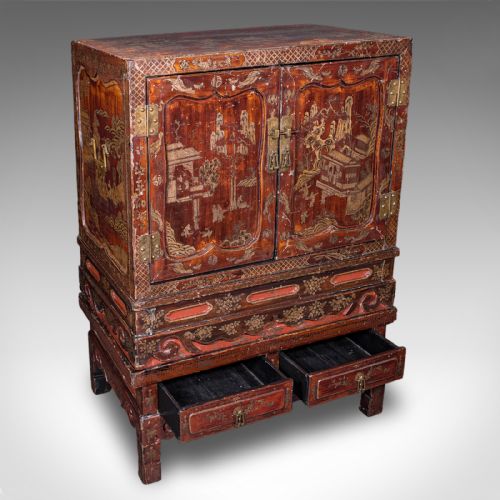
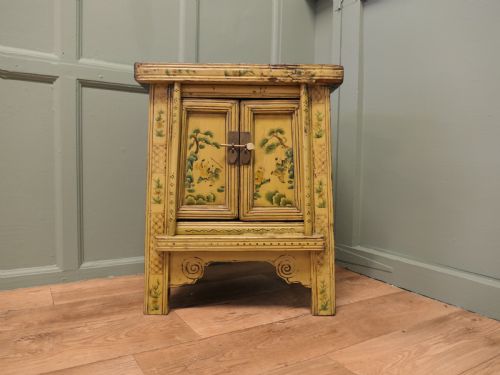
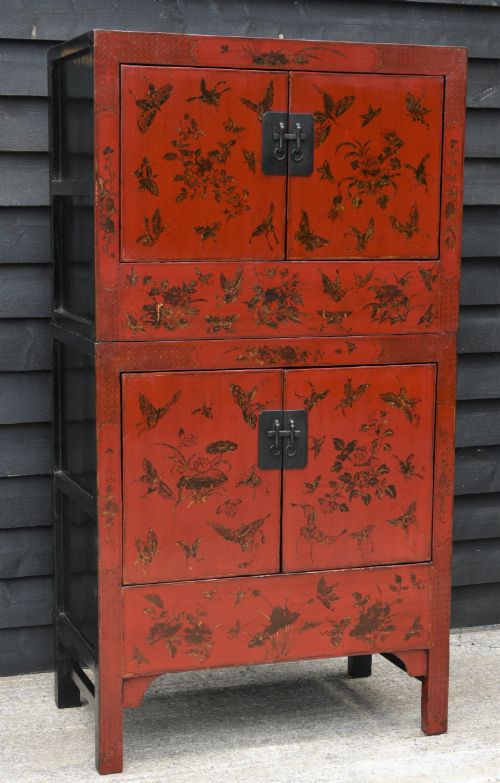
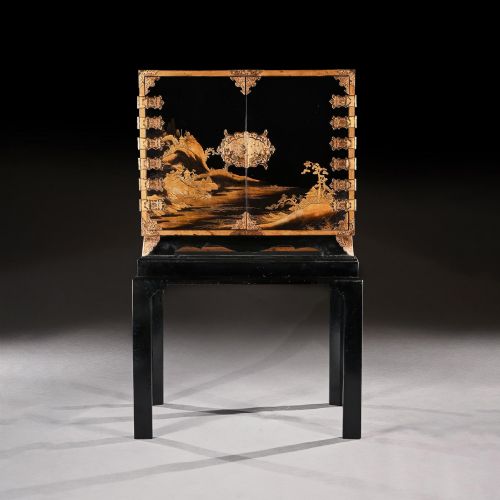
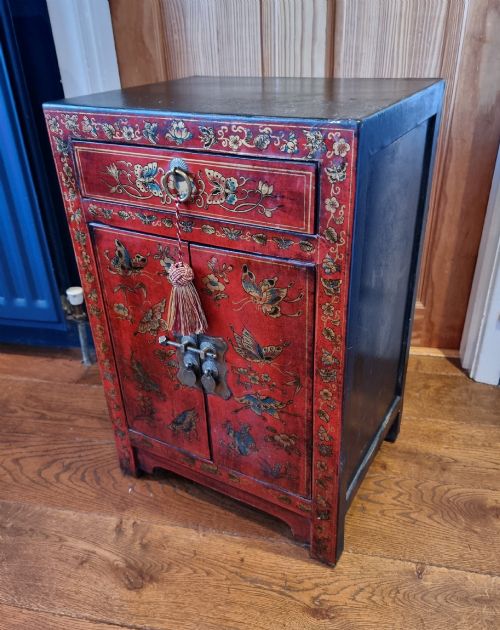
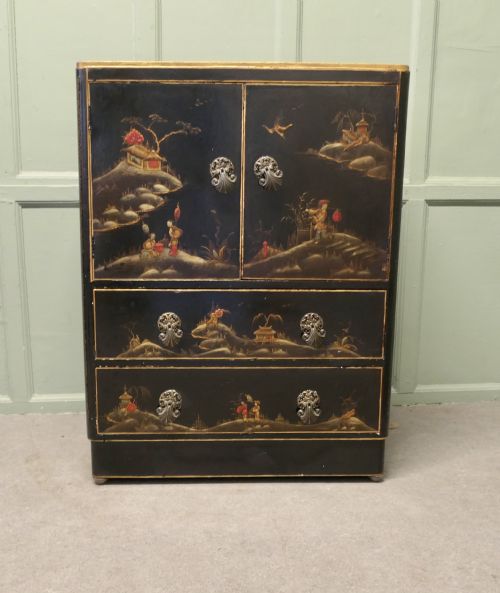
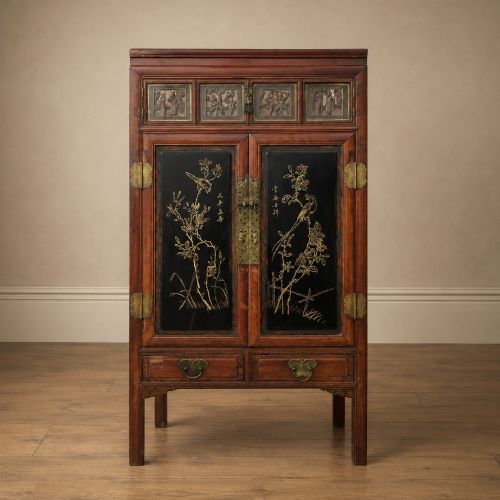
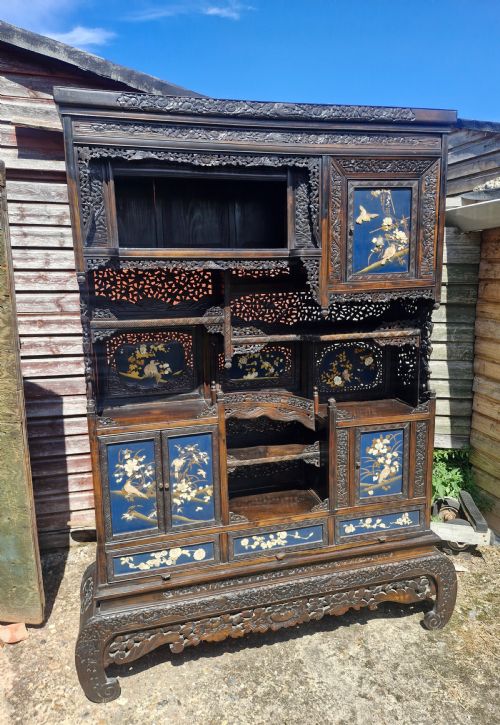
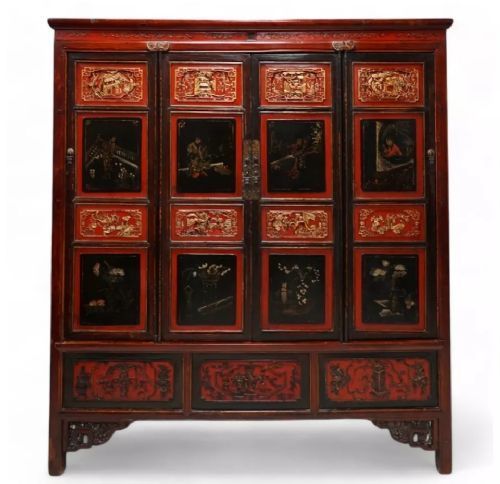
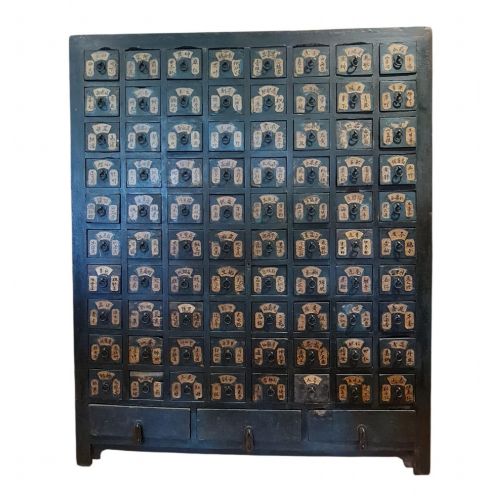
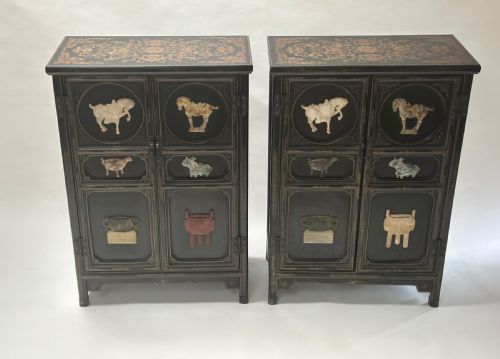
An asian lacquer cupboard encompasses storage pieces ranging from tall marriage cabinets and apothecary chests to compact display cabinets on stands. Buyers seeking this phrase encounter pieces built from hardwood, elm, and lacquered wood originating from Chinese provinces, Japan, and Korea.
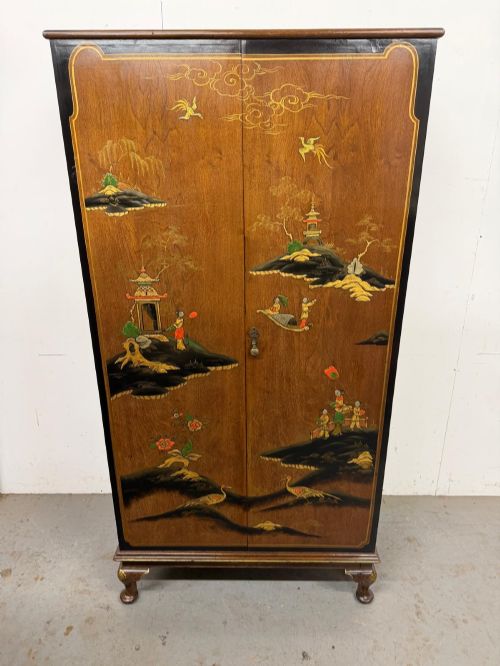
The material expression spans black and red lacquered surfaces embellished with gold leaf, alongside European interpretations in the Chinoiserie and Regence styles. Many examples date from the nineteenth century, with smaller numbers originating in the seventeenth and early twentieth centuries.
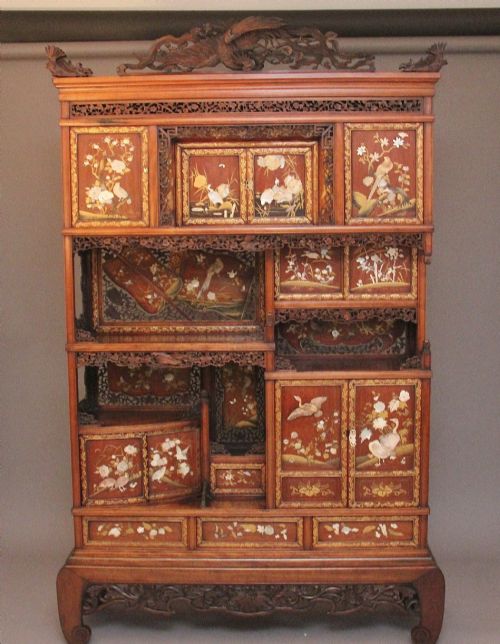
Regional forms include the Japanese shodona and tansu chest, alongside Chinese compound cabinets and side cabinets. These items serve domestic storage needs while displaying distinct pictorial decoration depicting birds, flowers, and traditional motifs.
Materials and Construction
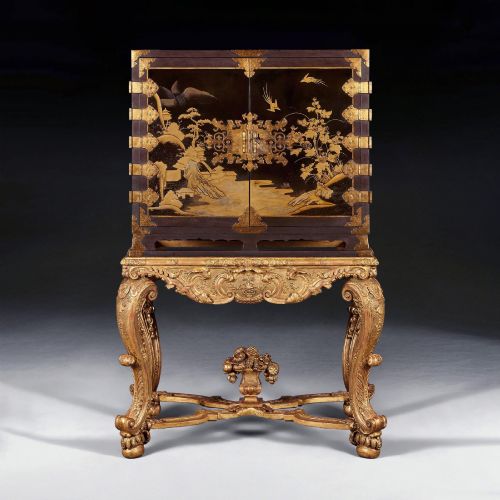
Makers built the foundational carcase using timber such as Chinese elm and hardwood, often housing numerous small drawers in apothecary models or large doors in marriage cabinets. Brass and iron hardware, including strap hinges and circular lock plates, secure the doors and provide functional contrast.
Surface decoration relies upon applied layers of lacquer built up on wood, sometimes combined with intricate carving, gilding using gold leaf, or painted details in black and red. Japanese pieces from the Meiji period and Edo period utilise specialised finishing techniques, whereas European Chinoiserie items employ painted decoration on timber frames.
Listings span seventeenth-century Edo period pieces through to 1930s items, incorporating brass, iron, gold leaf, and lacquered wood.
Evaluating Execution
Quality rests upon the depth and survival of the original lacquer surface, where layers of gold leaf and pigmented decoration retain their crispness rather than appearing heavily rubbed or replaced. The integration of structural timber, such as Chinese elm, with traditional joinery determines the stability of large marriage cabinets and compound cabinets.
The refinement of brass and iron hardware, alongside the precision of carved details and gilding, separates standard production from exceptional examples. Surviving stands, particularly French giltwood examples paired with seventeenth-century Japanese cabinets, alter the overall design balance and historical interest.
The Asian Lacquer Cupboard Glossary
- Chinoiserie
- European decorative style imitating Chinese artistic traditions. This aesthetic appears frequently on nineteenth and early twentieth-century cupboards.
- Tansu
- Traditional Japanese mobile storage chest built from wood with iron fittings. These chests were designed for utility and travel within domestic spaces.
- Shodona
- Japanese tabletop or freestanding display cabinet featuring irregular shelving compartments. These pieces date prominently to the Meiji period.
- Apothecary cabinet
- Multi-drawer storage unit traditionally utilised for herbs and medicine. Examples feature numerous small drawers and distinct regional Chinese provenance.
- Gold leaf
- Hammered gold beaten into extremely thin sheets and applied to lacquered surfaces. It provides the metallic highlight seen on red and black cabinets.
Asian Lacquer Cupboard: Frequently Asked Questions
Where should an asian lacquer cupboard go?
These storage pieces anchor dining rooms, hallways, or living spaces, providing practical interior shelving or drawer capacity.
Their striking red, black, and gold surfaces allow them to function as standalone focal points against neutral walls.
How do I identify a marriage cabinet?
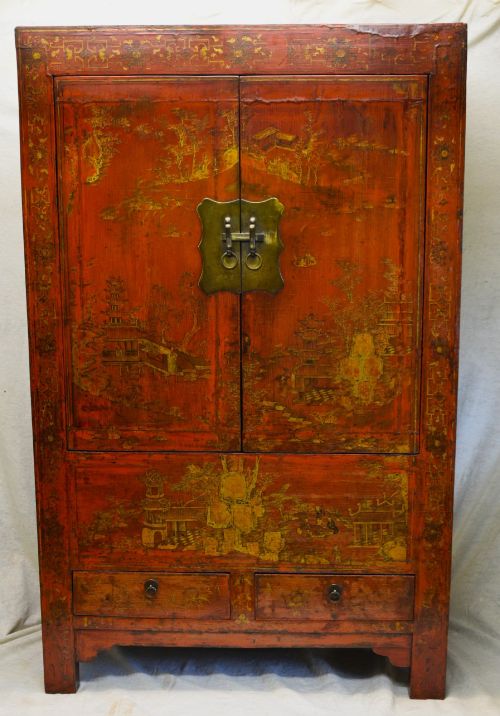
Marriage cabinets are tall, two-door storage pieces traditionally given to newlywed couples in China for storing garments and linens.
They often feature bright red lacquer, gold leaf decoration, and substantial brass hardware with circular lock plates.
What is a tansu chest?
A tansu is a traditional Japanese storage chest constructed from wood with exposed iron reinforcement brackets and handles.
Originally built for specific domestic or commercial uses, these chests offer segmented drawer configurations.
How do Chinese and Japanese pieces differ?
Chinese pieces on this page lean towards large marriage cabinets, compound storage, and apothecary chests utilising red and black lacquer with elm.
Japanese examples frequently include Meiji period shodona display cabinets, tansu chests, and table cabinets with distinct joinery and metal fittings.