

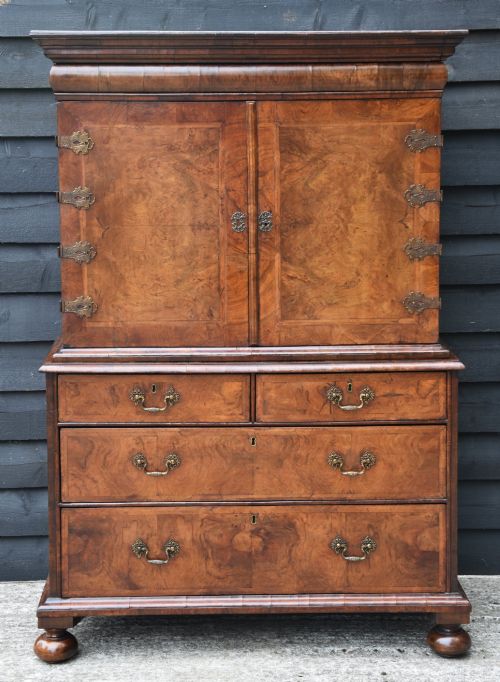
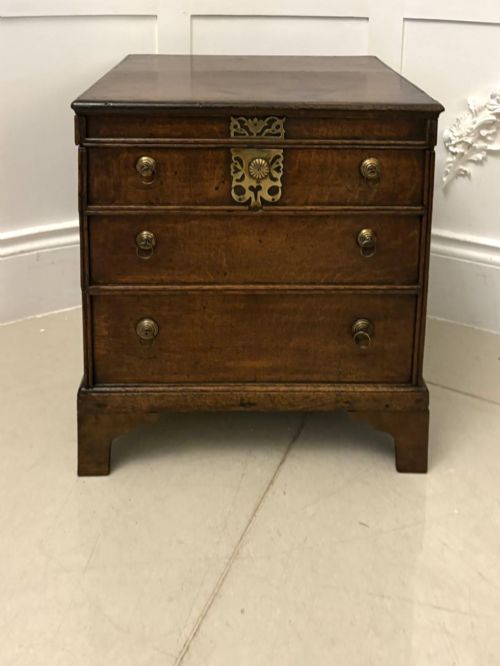
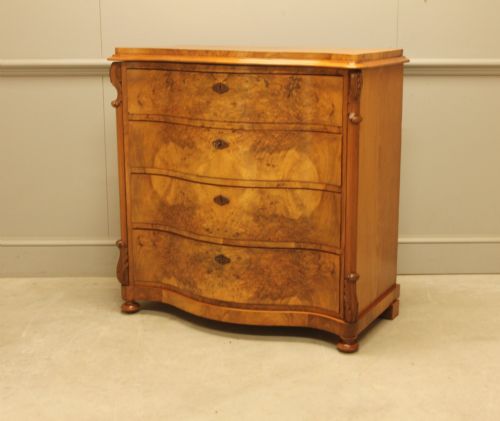
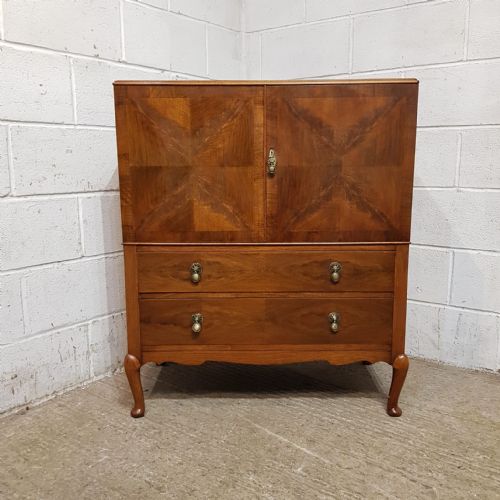


Decorative Chest of Drawers
These decorative chest of drawers selections bring distinct painted finishes, lacquer, and figured veneers into a room.
Decorative Chest of Drawers
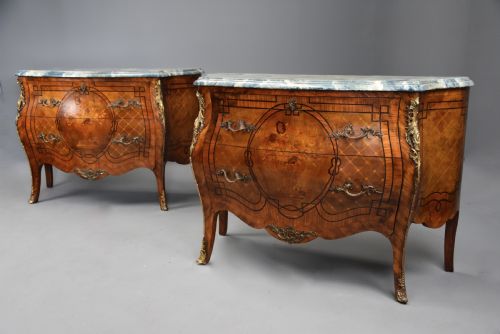
A decorative chest of drawers unites practical storage with strong visual character, ranging from compact commodes to tallboys and chest on chest forms. Buyers seeking a decorative chest of drawers encounter diverse regional traditions, from English japanned surfaces to French commodes and Swedish burr walnut pieces.
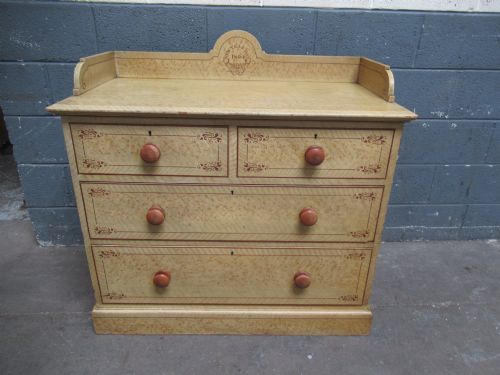
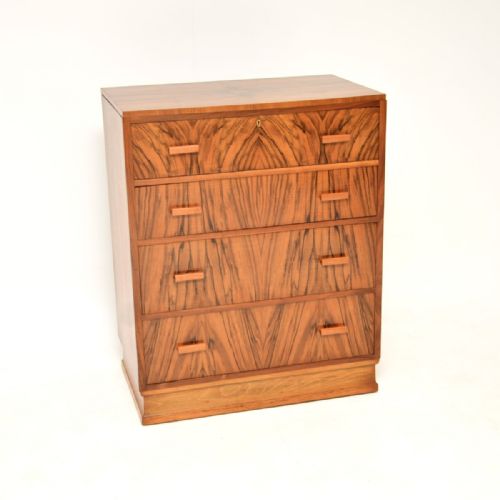
The selection spans centuries, featuring early examples alongside 19th-century painted pine, Art Deco walnut, and early 20th-century lacquer work. These storage items serve as focal points in a room, combining drawers or cupboards with decorative finishes.
How they were made
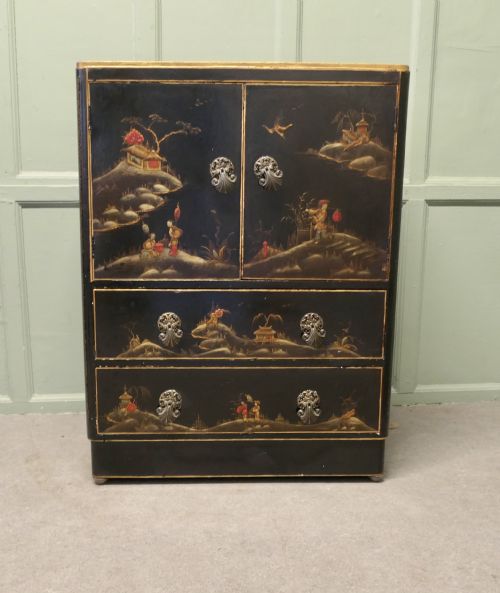
Cabinet makers built these pieces using solid timbers like oak, pine, walnut, and mahogany, frequently applying burr walnut or kingwood veneers to create patterned surfaces. Decorative effects rely on specialised treatments including black Chinoiserie lacquer, polychrome decoration, painted surfaces, and intricate inlay.
Hardware such as brass handles and mounts complement the timber frames and painted panels. Construction methods reflect the period of origin, from dovetailed drawer construction in Georgian pieces to regional joinery on pine commodes and table cabinets.
Decorative Chest of Drawers Retail Price Guide 2026
Typical asking prices for decorative chest of drawers among the pieces listed under this phrase on Sellingantiques today, from the lower quarter to the upper quarter. They describe what is for sale here now, not the wider market.
Storage forms on offer include tallboys, commodes, table cabinets, and miniature chest coffers.
What varies in quality
Quality rests in the execution of the surface finish, whether it is the depth of a Chinoiserie lacquer scene, the crispness of hand-painted chequering, or the natural grain alignment in figured walnut and burr walnut veneers. Superior examples retain their original decorative scheme with minimal disturbance to the painted or polished surface.
The sophistication of the joinery and carcase construction distinguishes finer workshop output from simpler regional furniture. Well-executed proportions and intact period hardware elevate the visual presence of a commode or tallboy.
The Decorative Chest of Drawers Glossary
- Commode
- A low chest of drawers or cabinet, often of French origin, standing on legs and designed with decorative veneers or painted panels. These pieces served both decorative and practical functions in formal rooms.
- Chinoiserie
- European imitation of traditional Chinese art and lacquerwork, popular on cabinets and chests. Artisans applied raised motifs and metallic decoration to dark lacquered grounds.
- Tallboy
- A tall chest of drawers consisting of one chest stacked upon another, maximising vertical storage space. They frequently appear in walnut or mahogany.
- Japanning
- A type of European varnish finish that emulates East Asian lacquerware. It typically involves dark backgrounds decorated with raised gilt designs.
- Chest on chest
- A form comprising two distinct sections of drawers, with the upper portion resting on a slightly wider lower base. This configuration creates a substantial storage piece with decorative proportions.
Decorative Chest of Drawers: Frequently Asked Questions
How do I place a decorative chest in a modern room?
These pieces work well as focal points in hallways, bedrooms, or living spaces where their surface decoration can be appreciated.
Pair them with neutral walls to let painted finishes, lacquer, or figured wood grains stand out without visual competition.
What is the difference between a commode and a standard chest?
A commode typically refers to a lower, more decorative chest of drawers of French or continental influence, often featuring shaped fronts and prominent legs.
Standard chests tend to be taller and more utilitarian, though decorative versions incorporate painted pine or elaborate veneers.
How do I care for painted and lacquered surfaces?
Dust surfaces regularly with a soft, dry cloth and keep pieces away from direct sunlight to protect painted details and lacquer finishes.
Avoid liquid cleaners and harsh chemicals, which can damage historic varnish and painted decorations.
How can I tell a 19th-century painted piece from a 20th-century one?
Examination of the underlying timber, nail types, and wear patterns on the carcase helps determine the age of construction.
Painted surfaces develop natural craquelure and patina over decades, distinguishing older painted pine and japanned pieces from later reproductions.