
Antique Lacquered Furniture
Antique lacquered furniture brings deep surface finishes and gilt decoration into a room, spanning cabinets, side tables and armchairs from British and Asian workshops.
Antique Lacquered Furniture
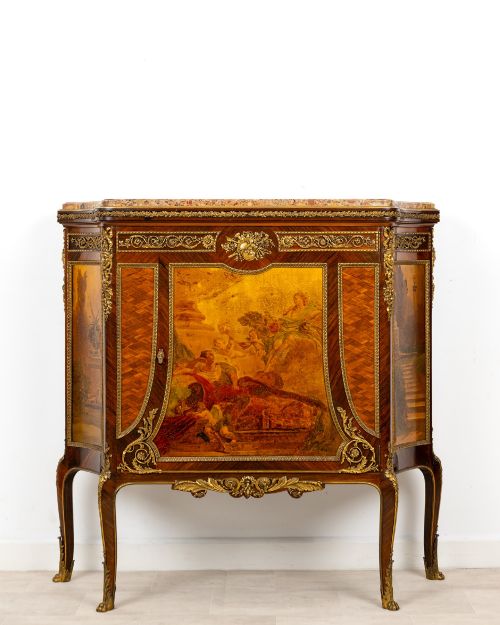
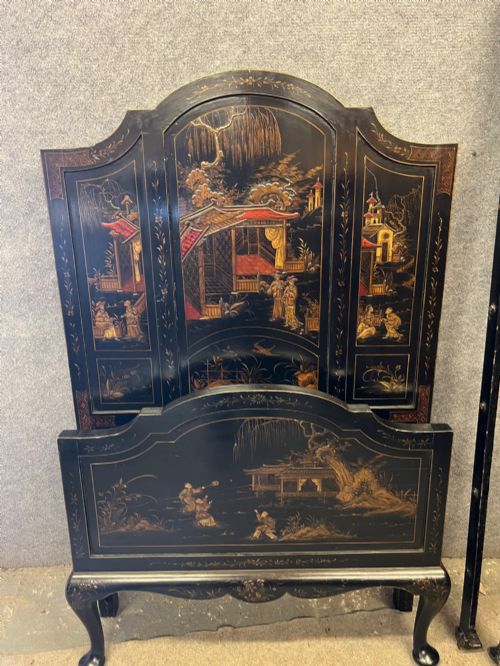
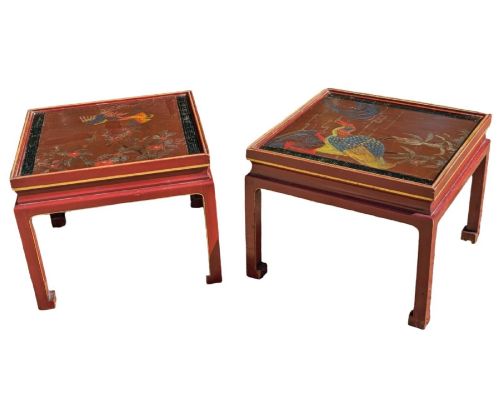
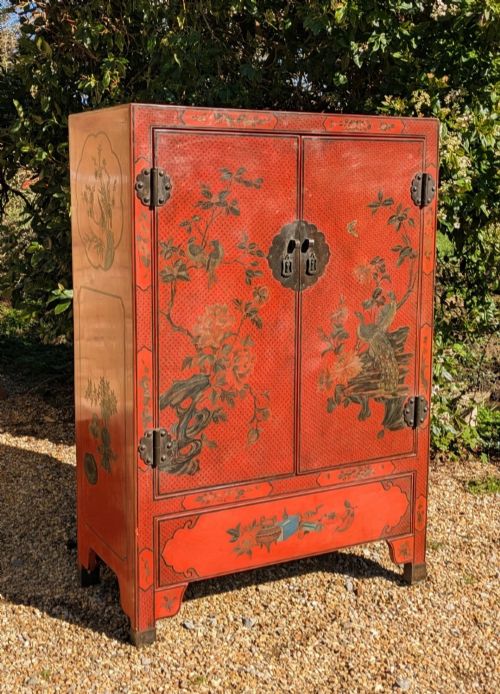
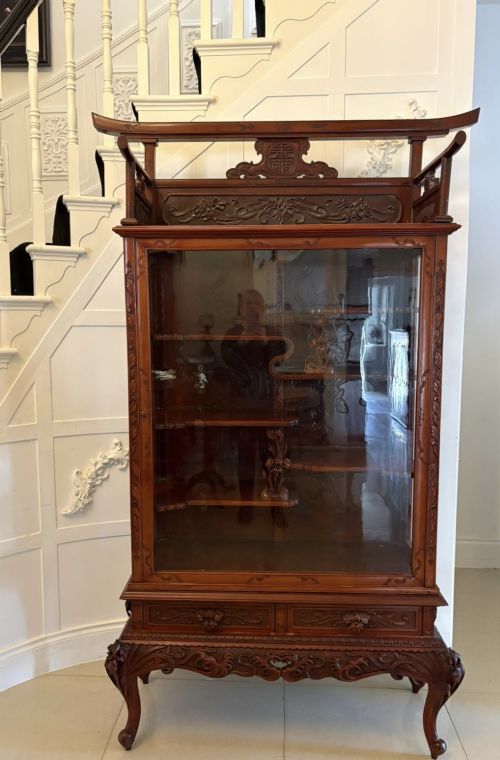
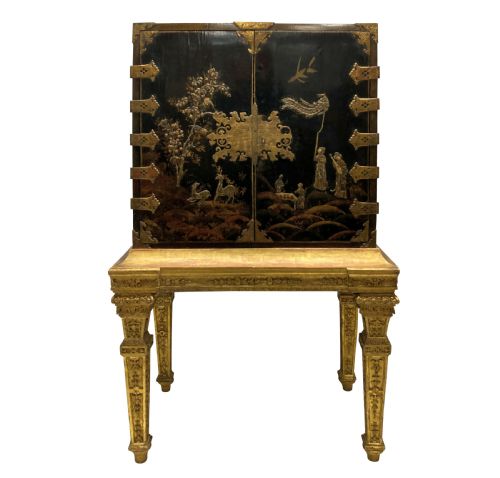
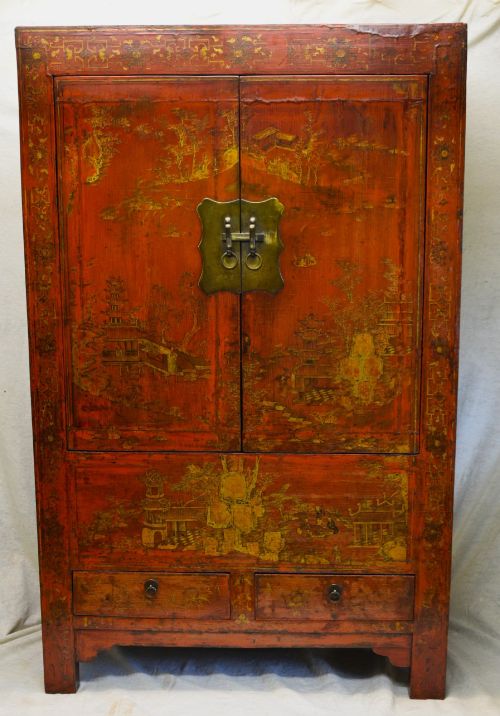
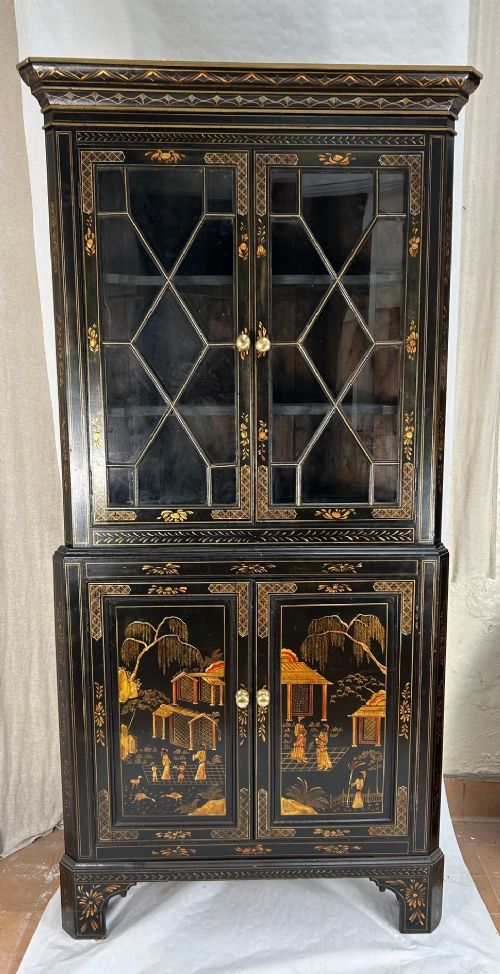
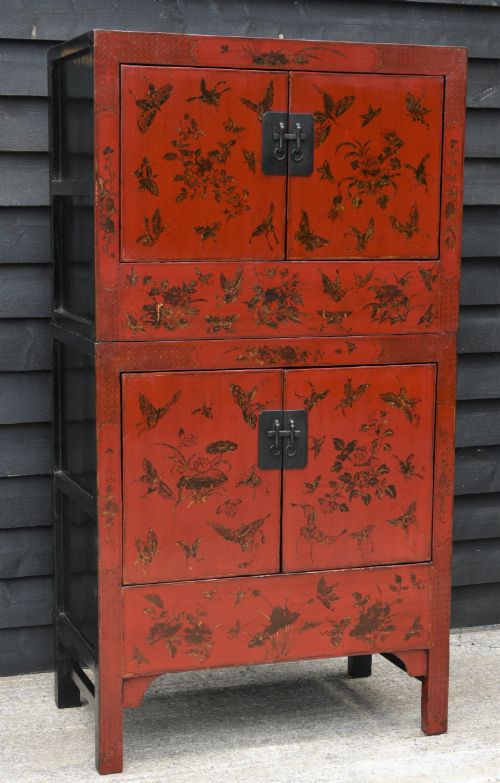
When you search for antique lacquered furniture, you encounter pieces that bridge several distinct periods and regional traditions, from seventeenth-century European interpretations to Chinese and Japanese exports. The selection on this page includes cabinets, display cabinets, side tables, occasional tables and armchairs created across the eighteenth, nineteenth and early twentieth centuries. Victorian and Edwardian examples sit alongside pieces from the Qing Dynasty and the Aesthetic Movement, showing how makers across different eras utilised surface decoration to transform utilitarian forms.
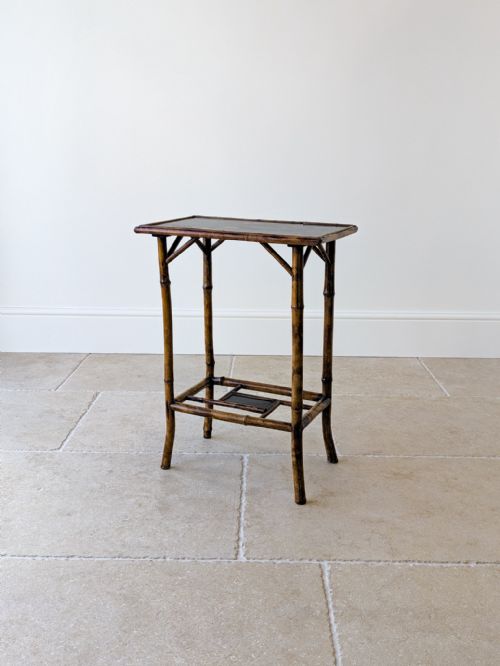
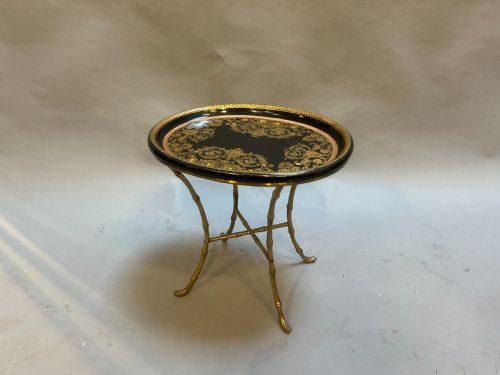
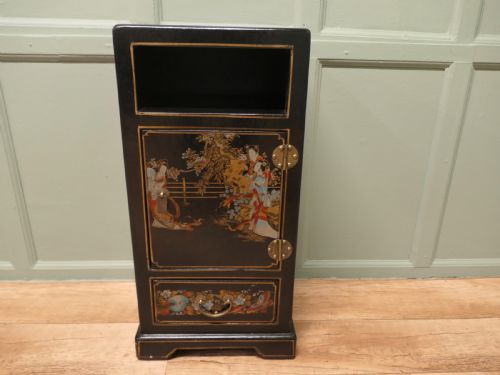
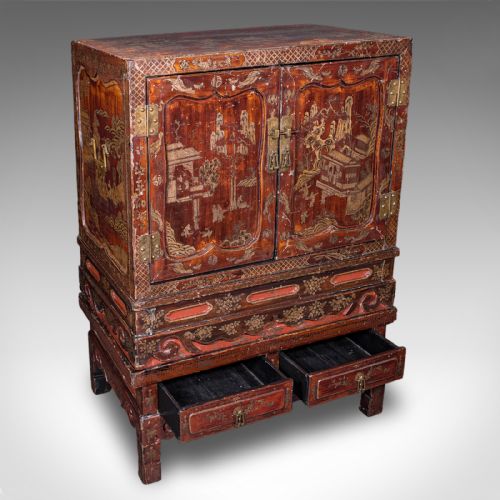
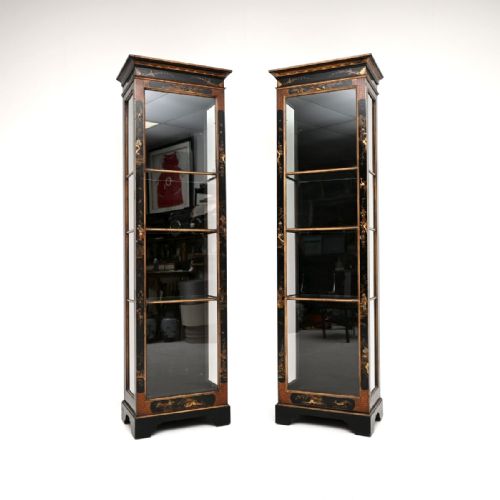
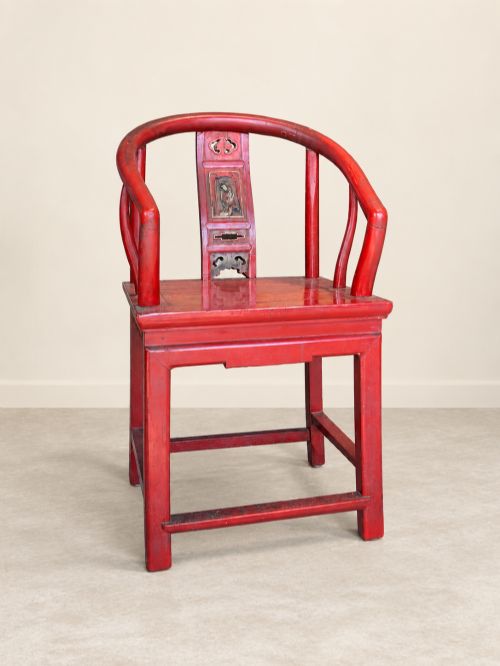
You will notice that storage and display pieces dominate the offerings, particularly cabinets on stands, corner cupboards, wardrobes and wedding cabinets. Smaller occasional tables, work tables and bamboo seating appear frequently, offering accessible ways to introduce red or black lacquer into an interior. Styles range from traditional Chinese and Japanese designs to British Chinoiserie and French-influenced pieces, reflecting a long-standing European fascination with Eastern decorative arts.
Materials and construction
The underlying structure typically relies on hardwoods, elm, walnut or bamboo, providing a stable frame for the complex surface finish. Artisans applied successive coats of lacquer, often building up deep red or black grounds that received intricate detailing in gold leaf and paint. Brass hardware, glass panels and marble tops frequently complete these pieces, adding functional contrast to the smooth, reflective surfaces.
Techniques varied by origin, with European workshops employing japanning methods to mimic Asian imports, while Asian makers utilised traditional sap-based lacquer and intricate carving. Gilding and painted Chinoiserie scenes required steady hands and specialised knowledge, resulting in surfaces that resist wear while retaining a luminous depth over centuries of use.
Early twentieth-century makers even applied Chinoiserie finishes to piano stools, ensuring that musicians sat in suitably ornate splendour.
Evaluating craftsmanship and condition
Quality in these pieces rests upon the depth and preservation of the surface finish, alongside the integrity of the underlying woodwork. Superior examples display finely rendered gilt decoration and stable structural joins, whereas lower-grade items show heavy surface degradation or crude repainting that obscures the original hand.
The sophistication of the painted scenes or carved details distinguishes exceptional pieces from standard production. Well-executed Chinoiserie motifs and original brass mounts elevate a cabinet or table, while excessive flaking of the lacquer or poorly executed later restorations diminish the integrity of the object.
Maples and Co
The Antique Lacquered Furniture Glossary
- Chinoiserie
- European decorative style reflecting Chinese artistic influences, popular in furniture and interior design. This aesthetic appears frequently on British cabinets and tables from the eighteenth to the early twentieth century.
- Japanning
- European imitation of Asian lacquerwork created using varnished finishes and metallic dust. Makers utilised this technique on Victorian and earlier side tables and cabinets.
- Shodona
- A Japanese tiered display cabinet featuring asymmetrical shelving and decorative compartments. These pieces highlight traditional joinery and surface finish.
- Cinnabar
- A red mineral pigment used to colour lacquer, often carved in relief on Chinese benches and panels. This material produces a dense, matte red surface.
- Canterbury
- A small compartmentalised stand designed for holding sheet music or magazines, often constructed from bamboo or ebonised wood during the Victorian era. These occasional pieces combine utility with decorative lacquer or japanned surfaces.
Antique Lacquered Furniture: Frequently Asked Questions
How do I clean antique lacquered furniture?
Dust surfaces gently with a soft, dry microfibre cloth to prevent scratching the delicate finish. Avoid using modern chemical polishes, water or abrasive cleaners, which can permanently damage the lacquer and gold leaf.
For stubborn marks, consult a professional conservator rather than attempting home remedies. Maintaining a stable room temperature and keeping pieces away from direct sunlight protects the finish from cracking and fading.
What is the difference between Chinoiserie and Japanese lacquer?
Chinoiserie represents European interpretations of Chinese design, executed through techniques like japanning on British or continental furniture. These pieces often feature raised gilt motifs on black or red backgrounds created in Western workshops.
Japanese lacquer furniture, by contrast, frequently originated in Japan or utilised traditional Asian manufacturing methods and native hardwoods. They display distinct regional iconography and construction techniques that separate them from British adaptations.
Can I use a lacquered side table every day?
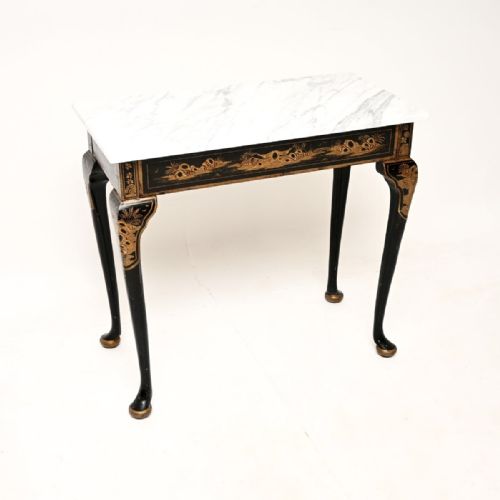
These tables function well for everyday use provided you protect the surface from moisture, heat and heavy impact. Using coasters and placemats prevents ring marks and scratches on antique lacquer and marble tops.
Placement matters greatly when living with these items. Keep them away from radiators and unshaded windows to preserve the underlying wood and prevent the lacquer from drying out.
How do I date a lacquered cabinet?
Examine the construction methods, interior hardware, and secondary timbers visible on the back or underside of the piece. Dovetail joints, screw types and lock mechanisms offer reliable clues to the manufacturing era.
Compare the style of the painted decoration and the overall form against known periods like the Victorian era or the Qing Dynasty. Subtle shifts in aesthetic preferences help narrow down the decade of production.