




Glazing Bar Cabinet
A glazing bar cabinet brings architectural order to books and display items through timber framework and glass.
Glazing Bar Cabinet
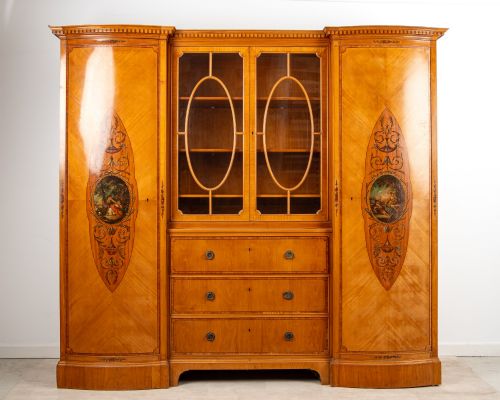
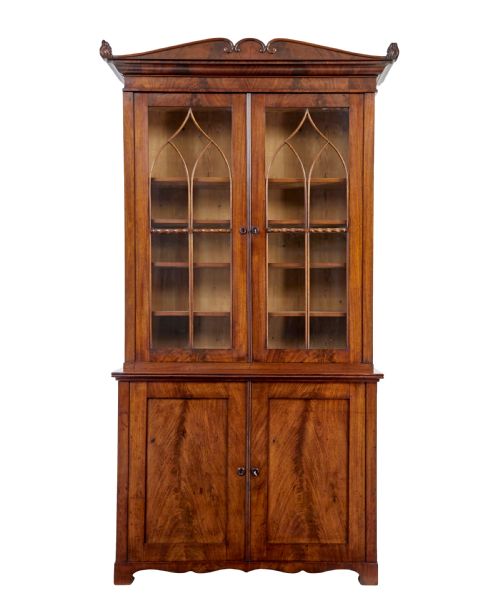
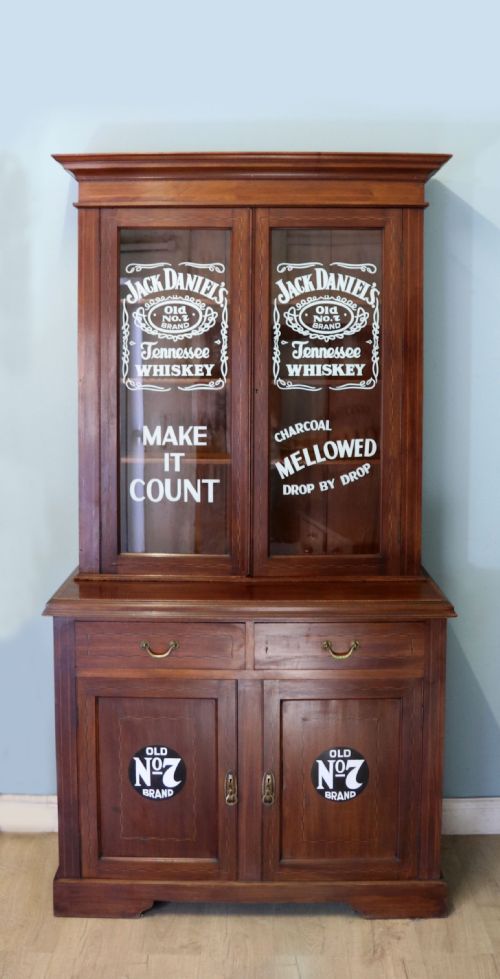
A glazing bar cabinet organises storage across forms such as bookcases, display cabinets, bureau bookcases, wardrobes, kitchen dressers, and drinks cabinets. The selections span periods from the Regency era through the Victorian period, Edwardian years, and into the 1930s.
Buyers encounter structural frameworks built from mahogany, satinwood, pine, walnut, and rosewood, often enhanced with painted decoration or inlay. These items serve functional display and storage needs while anchoring the style of a room.
Originating across different decades, these pieces reflect styles including Georgian Revival, Sheraton Revival, Art Nouveau, and European Country alongside the core Regency and Victorian aesthetic.
How they were made
Construction relies upon solid and veneered timbers including flame mahogany, walnut, satinwood, and pine. Artisans shaped these woods into structural frames and shelving units designed to support glass panelling.
Glazing bars divide the transparent panels into geometric sections, housing standard or stained glass. Decorative touches involve brass hardware, hand-painted panels, and delicate inlaid woodwork.
The listings span multiple periods including Regency, Victorian, Edwardian, and the 1930s.
What varies in quality
Selection of timber grain and figure defines the upper tier of pieces, particularly visible in flame mahogany and figured walnut surfaces. Craftsmanship shows in the precision of the timber joints and the finesse of inlaid details.
Original painted decoration and intact hand-painted panels elevate the distinction of specific satinwood and Victorian examples. The integrity of the original glass panes and brass fittings also marks the difference between standard and finer builds.
The Glazing Bar Cabinet Glossary
- Glazing bar
- The narrow wooden strip that holds individual panes of glass within a sash door or window. These bars create the characteristic grid pattern seen on cabinet doors.
- Bureau bookcase
- A dual-purpose form combining a slant-front desk compartment below with shelving enclosed by glass doors above. This format appeared across Regency and later nineteenth-century workshops.
- Satinwood
- A lustrous, fine-grained yellow timber utilised for high-status cabinetry and decorative inlay work. It takes a high polish and provides a bright contrast to darker woods.
- Breakfront
- A piece of furniture where the central section projects forward from the flanking wings. This architectural layout adds depth and visual rhythm to large bookcases.
Glazing Bar Cabinet: Frequently Asked Questions
What is a glazing bar cabinet?
A glazing bar cabinet is a piece of furniture featuring doors divided by wooden strips into smaller glass panes. These items include bookcases, display cabinets, and bureau bookcases designed to showcase contents.
They provide enclosed shelving that protects books and objects from dust while maintaining visibility. The framework itself adds architectural detail to the room.
How do I date a cabinet?
Dating relies on identifying the prevailing period style, timber selection, and construction methods. Pieces span the Regency era, Victorian period, Edwardian years, and the 1930s.
Details such as inlay motifs, painted panels, and brass hardware help assign pieces to specific decades. Comparing the timber grain and structural joinery provides further chronological clues.
Where should I place it?
These cabinets suit studies, living rooms, and dining spaces where books, ceramics, or glassware require display and storage. Their glass doors allow natural and artificial light to interact with the contents.
Positioning them away from direct sunlight protects vulnerable timber veneers and painted surfaces. Adequate floor space is necessary to allow doors to swing open fully.
How do I care for the wood?
Maintain timber surfaces by dusting regularly with a soft, dry cloth to prevent accumulation. Avoid commercial silicone polishes that can build up and degrade historic finishes.
Keep the cabinets in stable environmental conditions away from extreme temperature shifts and high humidity. This prevents the timber and glue joints from drying out or warping.