




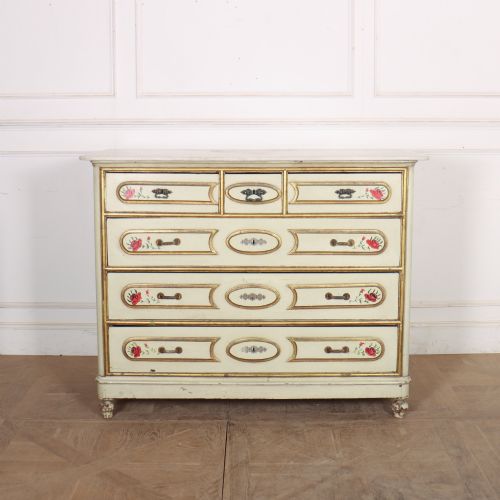
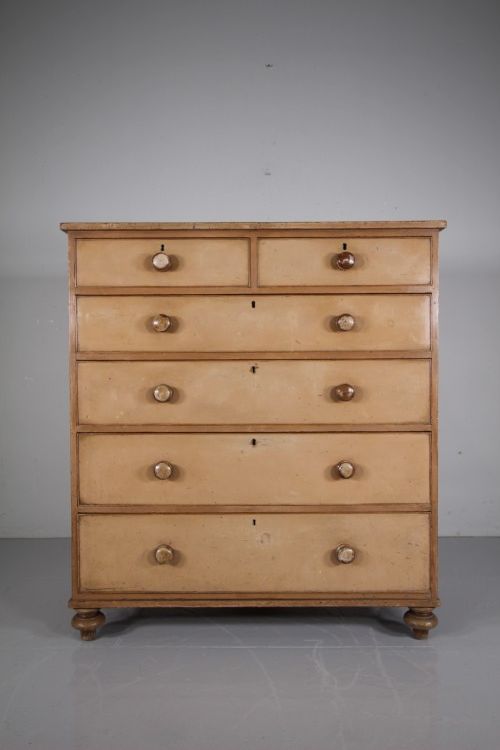


Cream Painted Dresser
A cream painted dresser brings practical storage and soft historical character to a room, uniting everyday utility with a muted decorative surface.
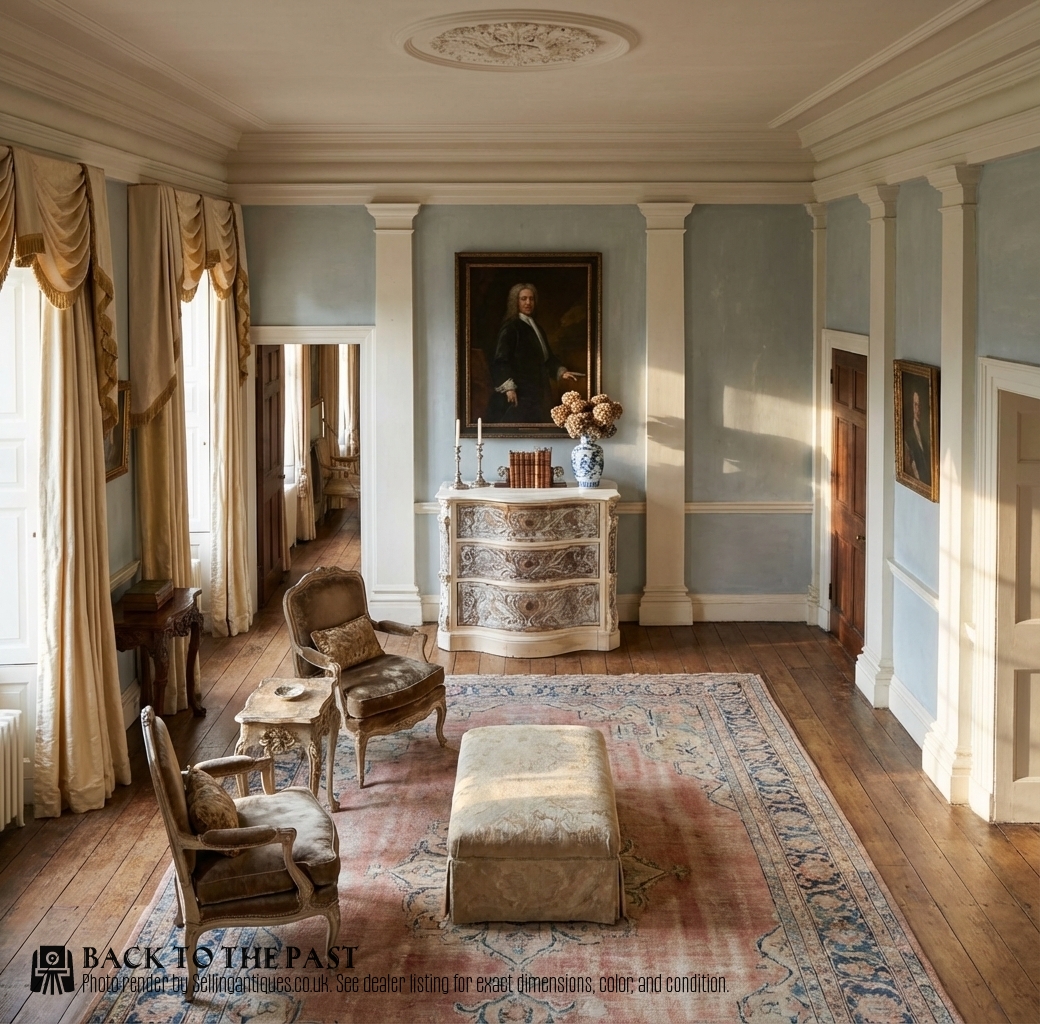
Cream Painted Dresser
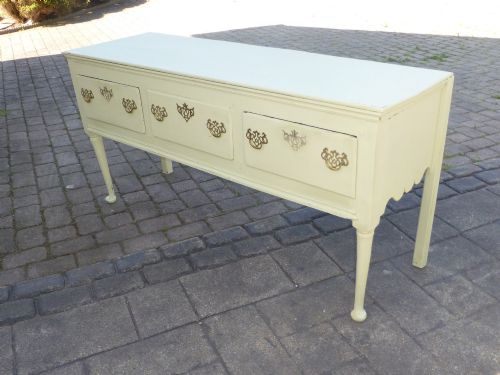
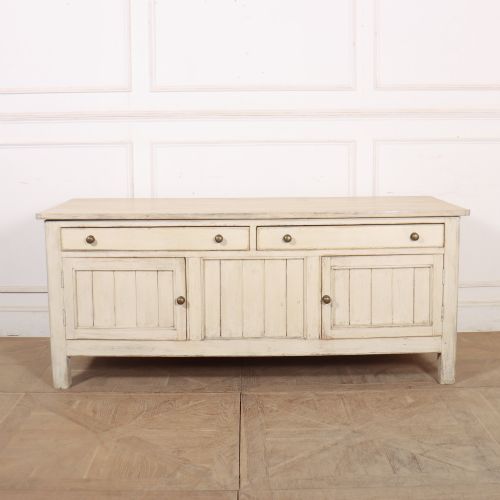
A cream painted dresser typically combines lower storage cabinets or drawers with upper shelving sections, often originating from country houses or provincial workshops. These pieces span the eighteenth and nineteenth centuries, alongside later provincial interpretations from the early twentieth century.
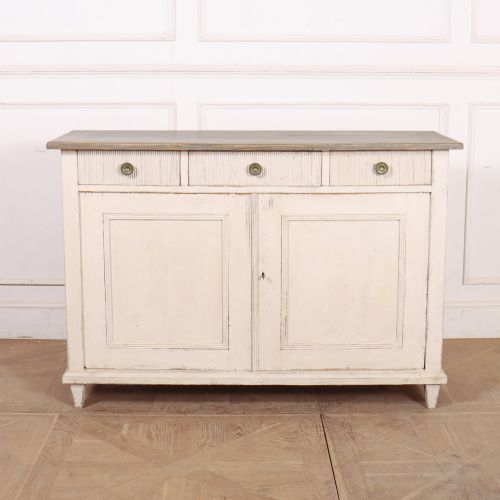
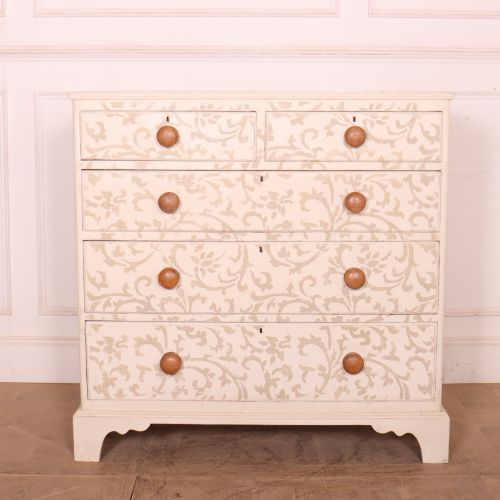
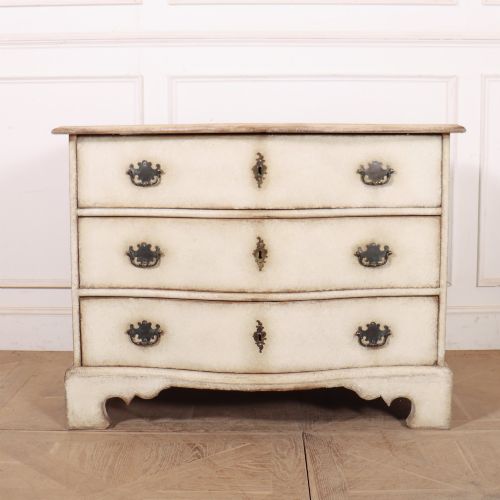
Buyers also encounter related forms such as kitchen housekeeper cupboards, dresser bases, and commodes finished in painted wood. The aesthetic leans heavily toward English country, French provincial, and Regency styles rather than formal urban cabinetmaking.
Pine serves as the primary structural timber for many country pieces, though oak and various continental woods also appear across the selection. Surfaces show layers of historical paint, often in pale cream tones that highlight the grain beneath.
Materials and construction
Makers constructed these pieces primarily from solid pine and oak, utilising traditional joinery methods suited to utilitarian furniture. Carved details and moulded cornices appear on regional variations, while iron and brass hardware secure doors and drawers.
The decorative finish relies on layered paint applied over wood, frequently surviving in original or early states with natural wear. Glass panels are integrated into upper display sections where applicable, and metal hinges support heavy cupboard doors.
Cream Painted Dresser Retail Price Guide 2026
Typical asking prices for cream painted dresser among the pieces listed under this phrase on Sellingantiques today, from the lower quarter to the upper quarter. They describe what is for sale here now, not the wider market.
Listings span the eighteenth to the twentieth centuries, featuring oak, pine, and painted wood across English, French, German, and Spanish origins.
Variations in quality
Quality rests on the survival of original paint surfaces and the integrity of the timber framing. Pieces retaining their initial two-part construction and period hardware command greater interest among purists.
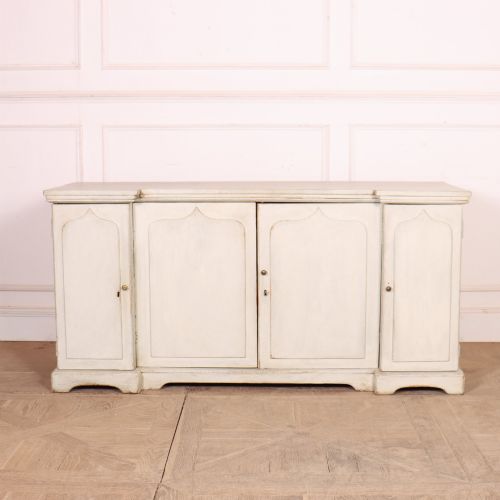
Proportion and scale also distinguish finer examples, such as tall narrow cupboards or breakfront bases with balanced drawer distributions. Subtle decorative flourishes, like serpentine drawer fronts or carved mouldings, separate standard utility items from more ambitious country house commissions.
The Cream Painted Dresser Glossary
- Dresser base
- The lower portion of a kitchen dresser, usually featuring cupboards and drawers without the upper shelving superstructure.
- Housekeeper's cupboard
- A large tall storage cabinet traditionally used in large country houses for linen and dry goods.
- Commode
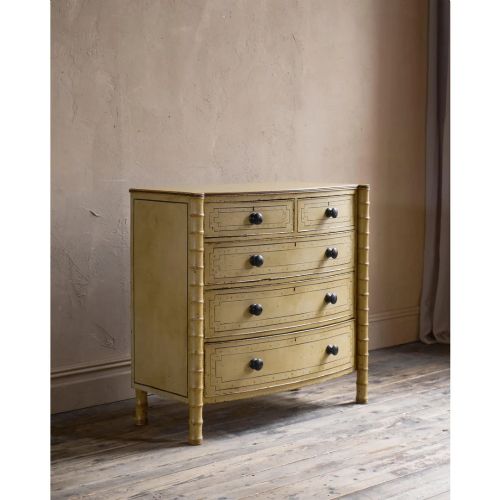
- A low chest of drawers or cabinet, often continental in origin and possessing decorative serpentine or bowfront shapes.
- Potboard dresser
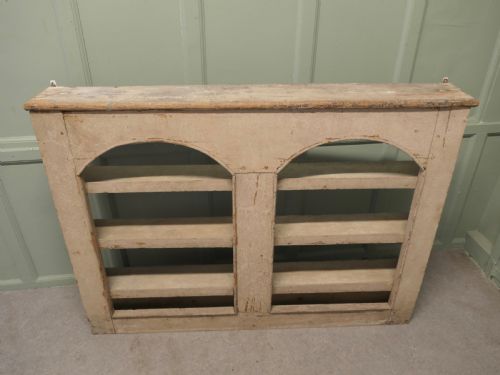
- An open-shelf dresser featuring a low slatted shelf near the floor for storing pots and pans.
- Breakfront
- A cabinet or dresser base whose central section projects forward from the flanking outer sections.
- Faux bamboo
- Wood turned and carved to imitate the segmented stalks of natural bamboo, popular during the Regency period.
Cream Painted Dresser: Frequently Asked Questions
How do I date a painted wooden dresser?
Dating relies on construction methods, timber choice, and the physical characteristics of the paint layers. Earlier pieces from the eighteenth century typically employ hand-sawn boards and pegged joints.
Later Victorian and early twentieth-century examples incorporate machine-sawn timber and different fastening hardware. Examining the interior construction and drawer linings provides further clues to the exact manufacturing period.
Were these dressers originally painted cream?
Many pieces retain original or early paint applications that have mellowed over centuries into soft cream tones. Provincial furniture makers frequently painted pine and softer woods to brighten dark country kitchens and utility rooms.
Subsequent layers sometimes overlay the original surface, creating a complex history of decoration across the timber. Examining the edges and protected recesses reveals the sequence of finishes applied over time.
How do I incorporate a dresser into a modern interior?
A large cream painted piece functions effectively as a focal point in a dining room, kitchen, or living space. The neutral painted surface allows the furniture to sit comfortably against both contemporary walls and historic plaster.
Open shelving sections accommodate everyday tableware or decorative objects, while lower cupboards conceal clutter. The muted colour softens the visual weight of substantial wooden furniture.
What is the difference between a dresser and a commode?
A traditional dresser combines storage cabinetry below with display shelving above, originating primarily from English and Welsh country contexts. A commode is a standalone chest of drawers or low cabinet, more commonly associated with continental European workshops.
While both utilise painted wood surfaces, their overall silhouettes and functional purposes differ significantly. Dressers are typically taller and designed for kitchens or dining spaces, whereas commodes serve bedrooms and reception rooms.