



Victorian Pine Kitchen Cabinet
When you search for a victorian pine kitchen cabinet, you uncover heavy utilitarian furniture built for storing provisions and heavy earthenware in busy households.
Victorian Pine Kitchen Cabinet
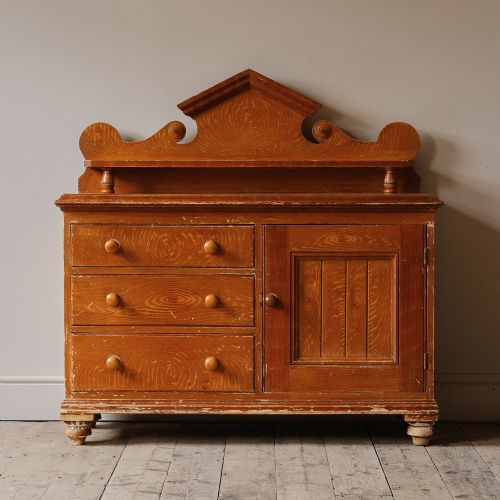
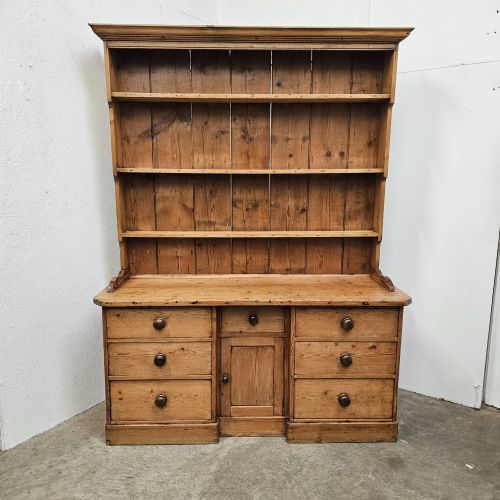
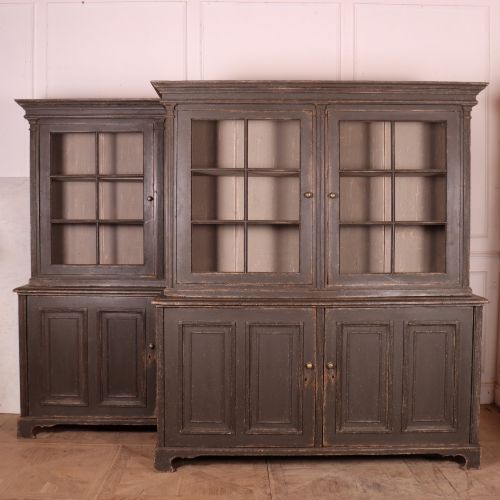
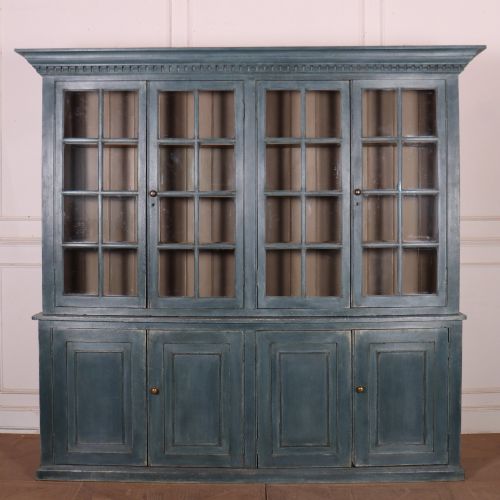
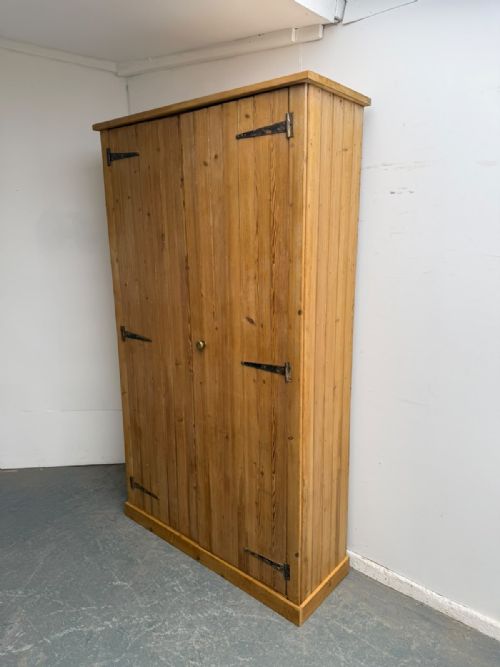
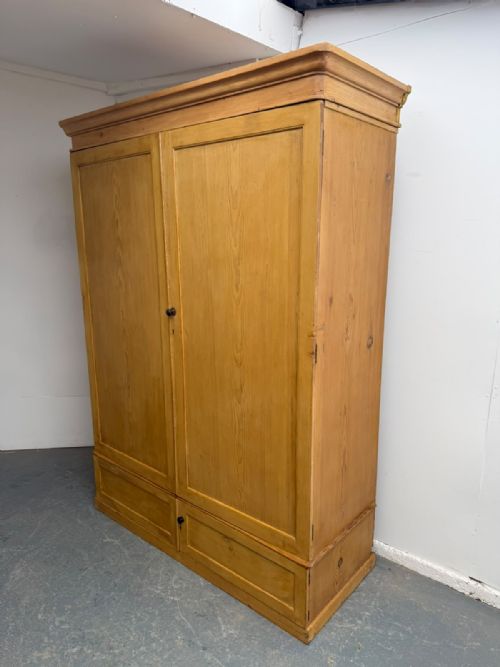
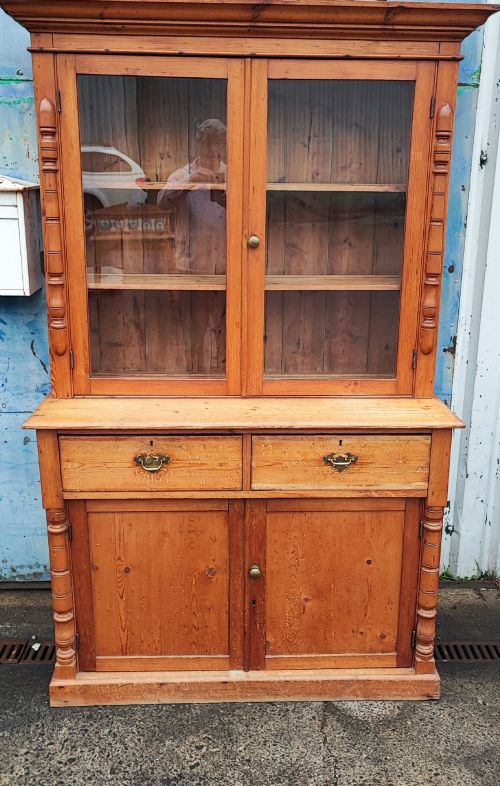
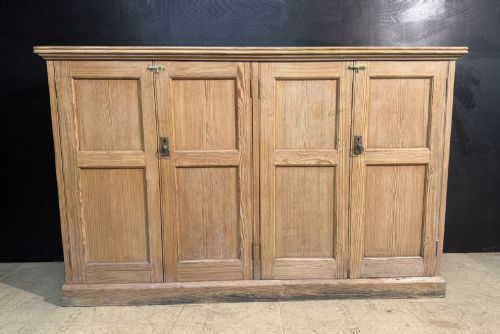
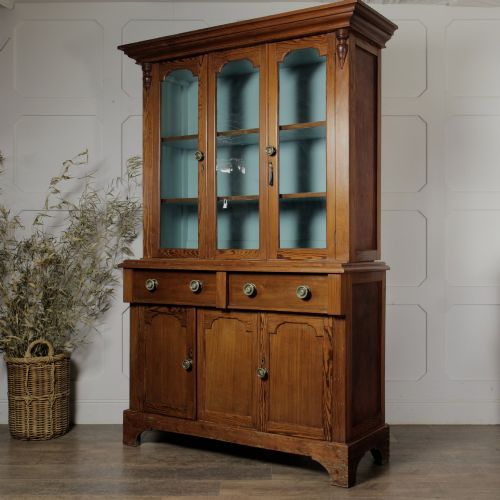
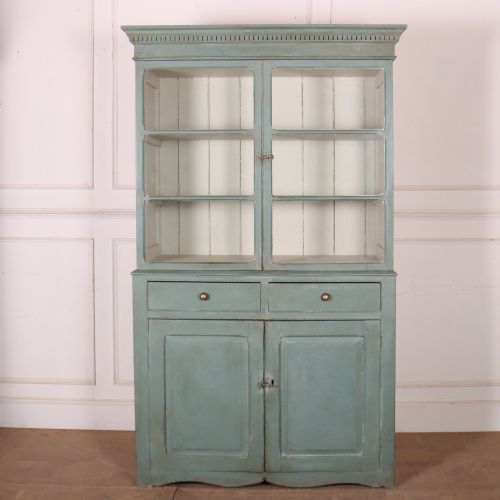
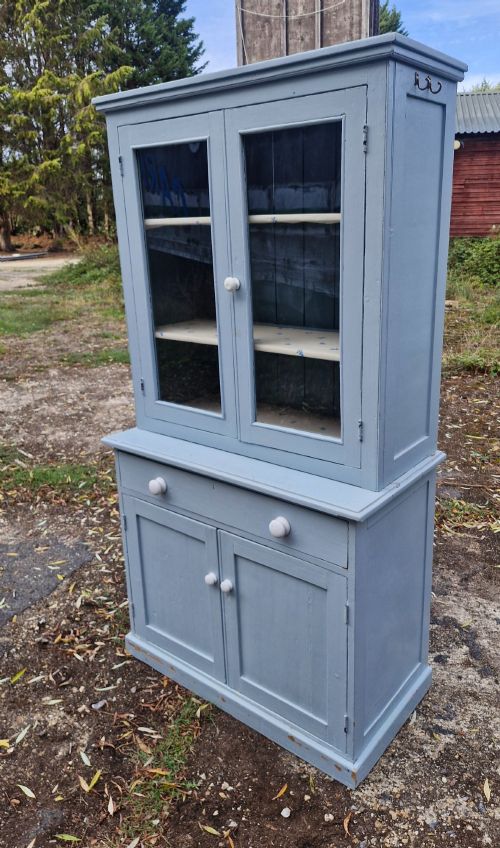
A victorian pine kitchen cabinet is a utilitarian storage piece built during the nineteenth century to hold food, utensils, and china in domestic sculleries and farmhouses. You will most frequently encounter tall two-part dressers, glazed display cupboards, and solid door larder units originating from various regional traditions.
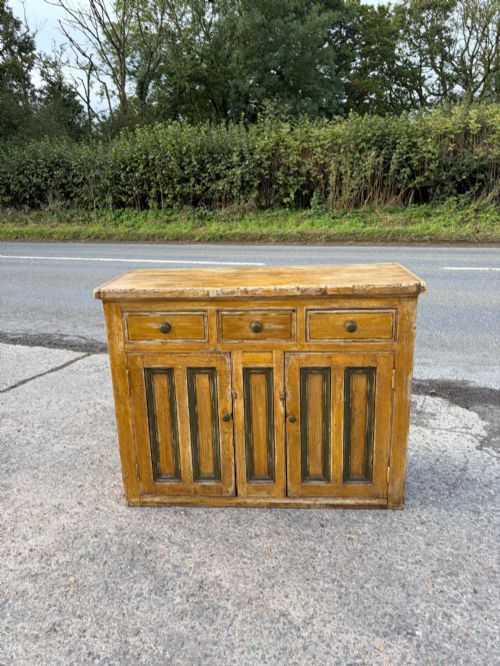
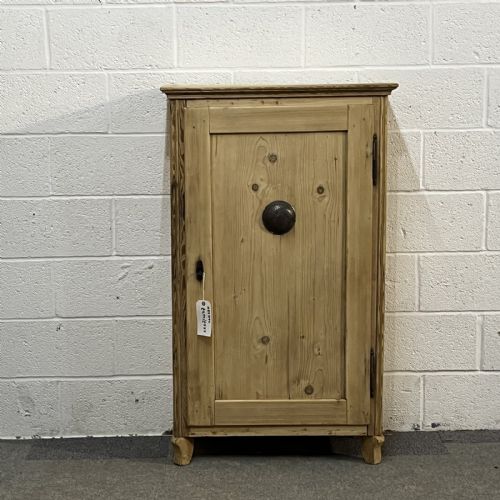
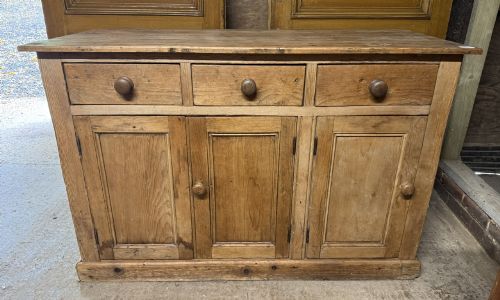
The selection ranges from narrow single-door wall cupboards and small housekeeper units up to massive multi-drawer Welsh and Cornish dresser bases. These pieces reflect the functional needs of period kitchens, combining open display shelving with enclosed base storage.
Regional variations appear across English, Scottish, Welsh, and continental workshops, displaying distinct proportions and cornice treatments while retaining a fundamentally practical form.
How they were made
Makers constructed these cabinets using sturdy softwood timber, predominantly pine and pitch pine, joined with traditional framing and panel techniques designed to withstand heavy daily use. Surfaces often received practical treatments such as layers of paint, clear wax, or plain scrubbing.
Hardware consists of utilitarian metal components, incorporating brass or iron hinges, handles, and latches that secure heavy doors and drawers. Glazed sections utilise timber framing to hold glass panes securely for upper display compartments.
Victorian Pine Kitchen Cabinet Retail Price Guide 2026
Typical asking prices for victorian pine kitchen cabinet among the pieces listed under this phrase on Sellingantiques today, from the lower quarter to the upper quarter. They describe what is for sale here now, not the wider market.
Listings feature items spanning the Victorian, Edwardian, and nineteenth-century periods, constructed primarily from pine, pitch pine, and painted wood.
What varies in quality
The standard of a piece depends heavily on the integrity of its original construction and the survival of its primary timber framework. Better examples maintain sound structural joints and balanced proportions without excessive modification or timber replacement.
Surface finish plays a significant role in character, with undisturbed original paint schemes or honest patinated wax retaining more historical authenticity than stripped or overly restored alternatives.
The Victorian Pine Kitchen Cabinet Glossary
- Dresser base
- The lower section of a kitchen cabinet featuring cupboards and drawers, designed to stand alone as a sideboard or support upper shelving.
- Housekeeper's cupboard
- A tall, large storage cabinet traditionally used for linens and dried goods, featuring multiple doors and internal shelving.
- Glazed top
- An upper cabinet section fitted with glass-paned doors to display ceramics and protect stored provisions from dust.
- Cornish dresser
- A regional cabinet variant typically featuring open plate racks above a sturdy enclosed base with drawers.
- Dog kennel cabinet
- A central open space positioned beneath the drawers of a dresser base, historically utilised for storing kitchen items or resting a dog.
Victorian Pine Kitchen Cabinet: Frequently Asked Questions
What rooms suit a kitchen cabinet?
These large storage units fit naturally into modern kitchens and dining spaces, providing deep shelving for everyday crockery and provisions.
Their robust timber construction also allows them to function effectively in hallways or pantries for general household organisation.
How do I care for waxed pine?
Maintain waxed pine surfaces by applying a traditional beeswax polish periodically to nourish the softwood and protect against moisture.
Avoid placing these cabinets near direct heat sources or in damp areas to prevent timber movement and cracking.
Are these pieces supplied in sections?
Many larger examples, such as two-part dressers and housekeeper units, separate into distinct upper and lower sections for easier transport and positioning.
Smaller cupboards and dresser bases generally arrive as single, solid items requiring careful measurement of doorways before delivery.
How do I distinguish regional styles?
Regional differences often appear in the height of the base, the arrangement of drawers, and the moulding details around the cornice.
Scottish and Welsh pieces frequently display distinct proportions and timber selections, such as the heavier use of pitch pine.