
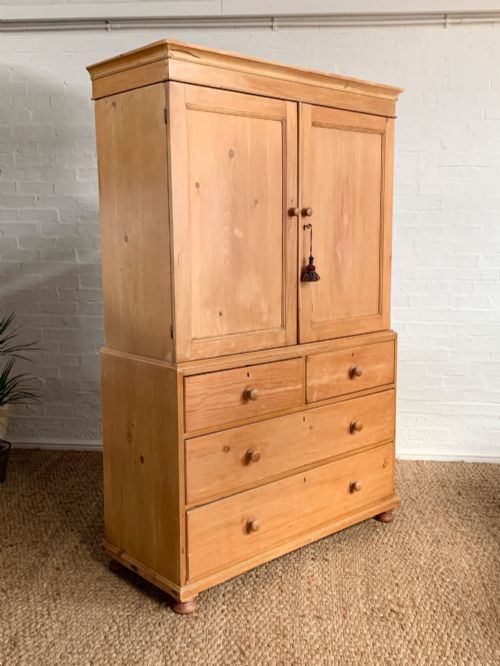
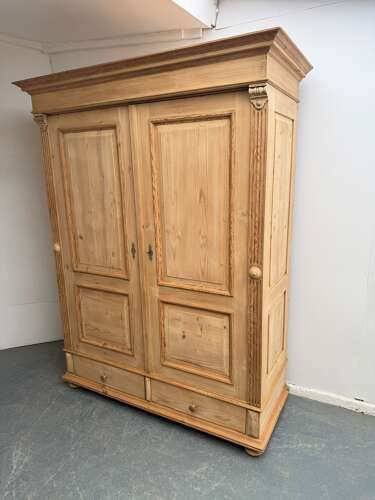
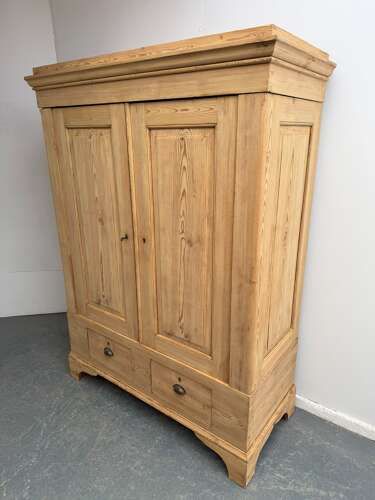
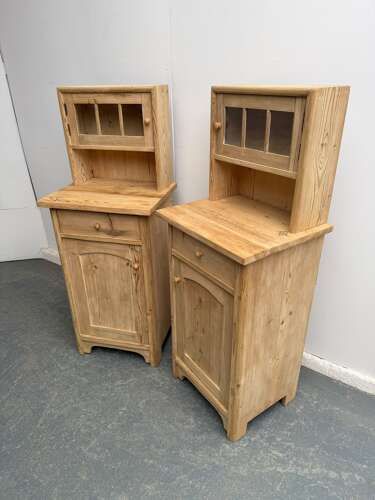
Stripped Pine Cabinet
A stripped pine cabinet brings honest utility and warm grain to a room, offering practical storage through pieces shaped by Victorian, Georgian, and Arts & Crafts makers.
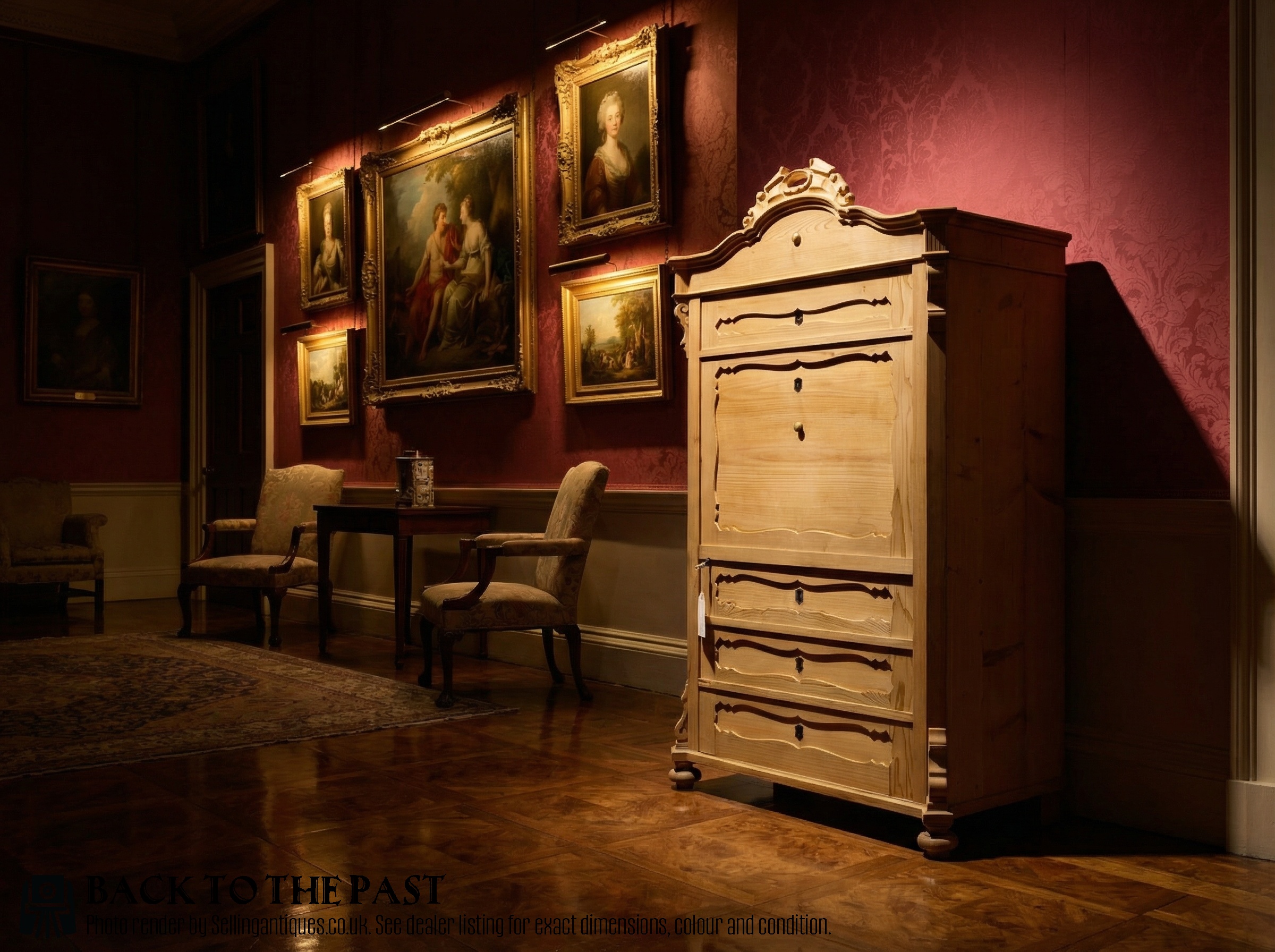
Stripped Pine Cabinet
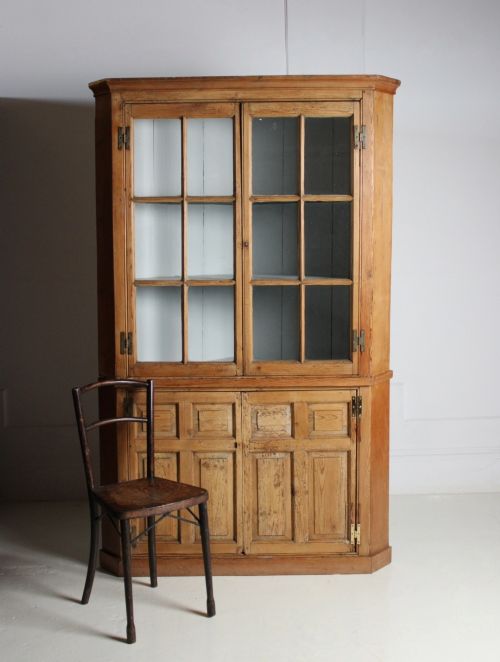
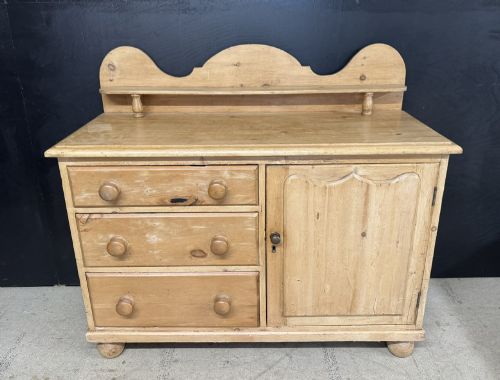
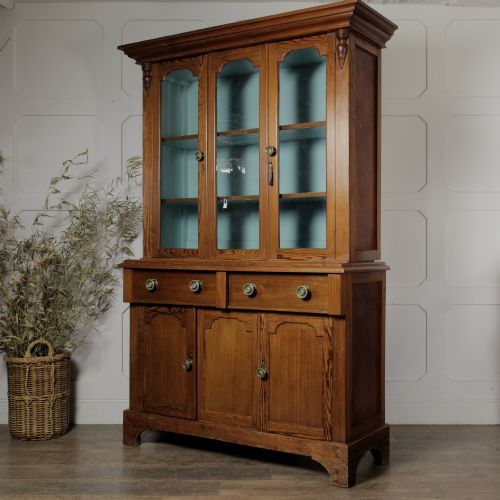
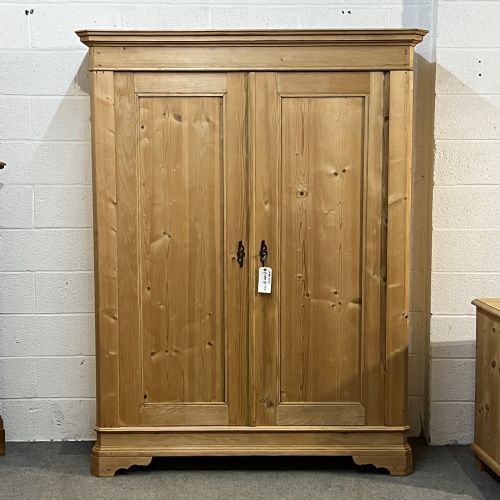
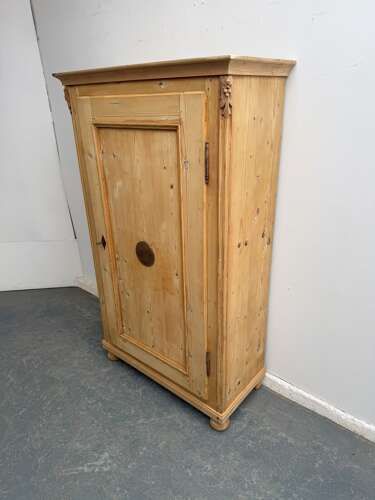
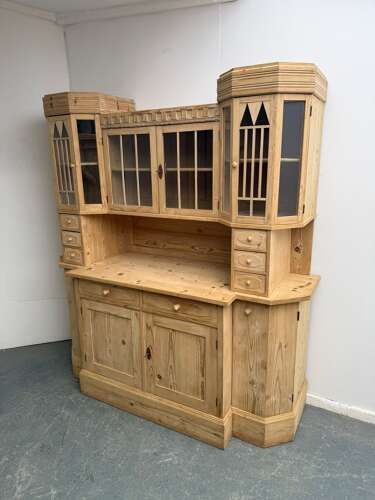
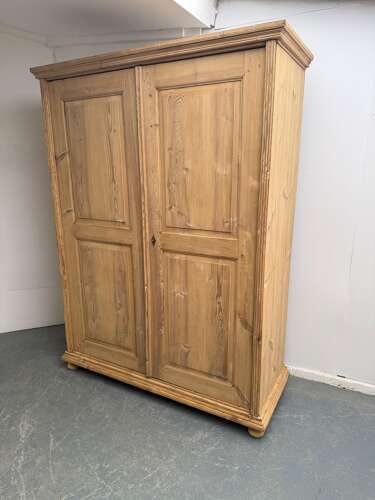
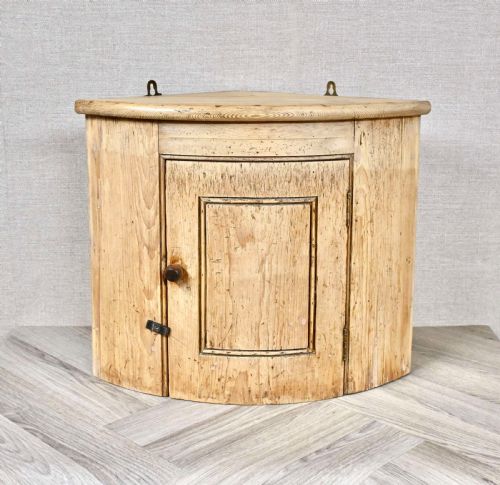
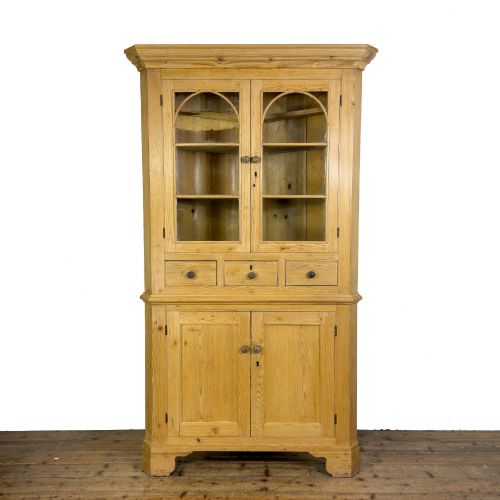
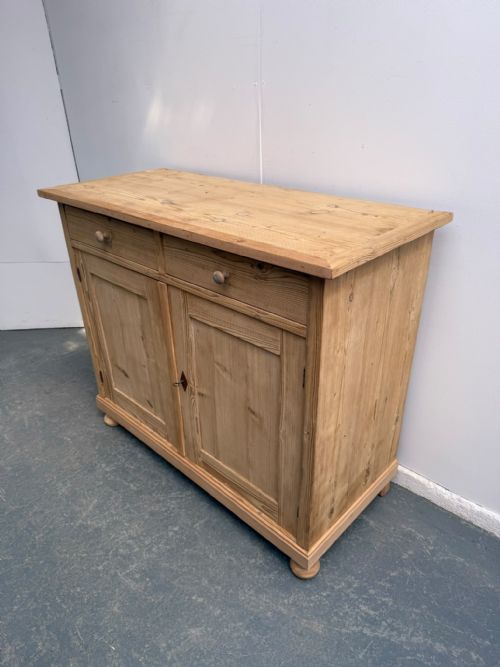
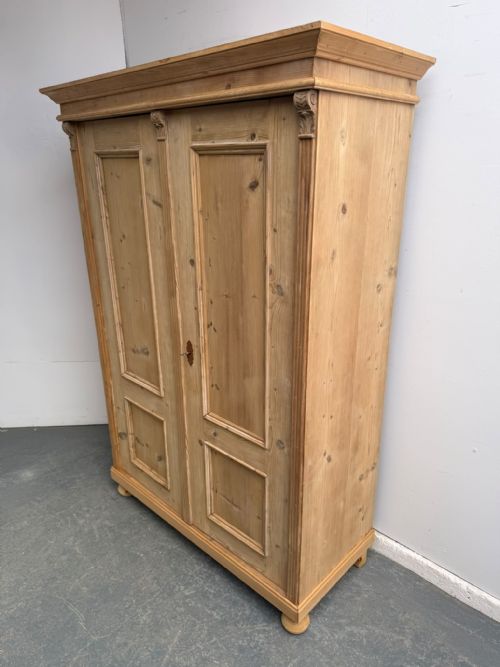
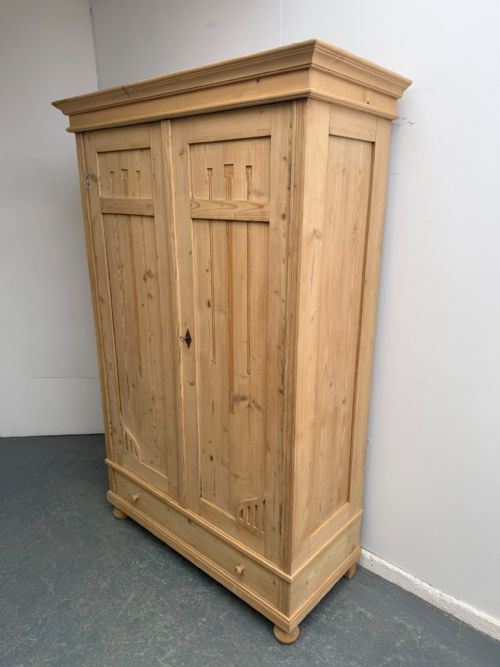
A stripped pine cabinet encompasses a broad selection of storage forms, ranging from tall wardrobes and dresser bases to compact corner cupboards and bedside cabinets. Buyers searching for a stripped pine cabinet encounter numerous Victorian pieces alongside examples from the Georgian period and the early twentieth century.
The material surfaces on these items typically display the clean grain of pine or pitch pine once earlier layers of paint or dark finish are removed. Common configurations include single and double door storage cupboards, glazed display units, and kitchen dressers suited to domestic use.
Materials and construction
Makers utilised solid pine and pitch pine timbers, often constructing larger wardrobes as knockdown versions for transport and assembly in domestic rooms. Joinery techniques involved fielded panels, beaded detailing, and straightforward framing designed to withstand daily use in kitchens and halls.
Metal hardware such as brass and iron hinges, handles, and latches provide functional contrast to the pale timber surfaces. Glazed sections incorporate glass panes within wooden frames to form display cabinets and corner units.
Stripped Pine Cabinet Retail Price Guide 2026
Typical asking prices for stripped pine cabinet among the pieces listed under this phrase on Sellingantiques today, from the lower quarter to the upper quarter. They describe what is for sale here now, not the wider market.
Many pieces carry a pencilled carpenter mark on the underside of a shelf, left behind by a maker working a century ago.
Proportion and joinery
The standard of a stripped pine cabinet rests on the balance of its proportions, whether in a low cottage wardrobe or a large arched storage unit. Clean lines, well-fitted doors, and original hardware separate straightforward utility items from more resolved cabinet work.
The condition of the timber grain after stripping influences the visual weight of the piece. Well-constructed joints and intact shelving determine how reliably the cupboard functions in a modern interior.
The Stripped Pine Cabinet Glossary
- Knockdown wardrobe
- A large wardrobe constructed with modular panels and wedges so it can be taken apart for moving. This technique allowed bulky furniture to travel up narrow staircases.
- Fielded panel
- A wooden panel with bevelled edges that fit into a grooved frame. This construction method allows the wood to expand and contract with seasonal humidity changes.
- Pitch pine
- A dense variety of pine timber known for its pronounced growth rings and resinous content. It provides a harder surface than standard softwoods.
- Dresser base
- A low cabinet featuring cupboards and drawers beneath a flat top surface. These pieces originated in kitchens for food preparation and storage.
Stripped Pine Cabinet: Frequently Asked Questions
How do I care for stripped pine?
Maintain the timber by dusting with a dry cloth and applying natural wax periodically to protect the dry surface from moisture.
Avoid placing these cabinets in direct sunlight or near heat sources to prevent the pine from drying out or splitting.
Are knockdown wardrobes difficult to assemble?
Knockdown wardrobes utilise original pegged or wedged joints that slot together without modern metal screws.
Marking the matching sections during disassembly ensures the panels align correctly when rebuilding the piece in a new room.
Can I paint or wax these cabinets?
Many of these pieces are sold ready to wax or paint according to personal preference.
Applying clear wax preserves the natural grain of the pine, while a suitable primer allows for a painted finish.
How do I date an antique pine cabinet?
Dating relies on construction clues such as hand-cut dovetails, backboards made from wide timber planks, and the style of the mouldings.
Victorian and Georgian pieces display distinct joinery methods and proportions that help distinguish their era of manufacture.