




Antique French Kitchen Dresser
An antique french kitchen dresser brings practical storage and provincial character to a room, offering sturdy shelves and deep cupboards shaped by centuries of domestic use.
Antique French Kitchen Dresser
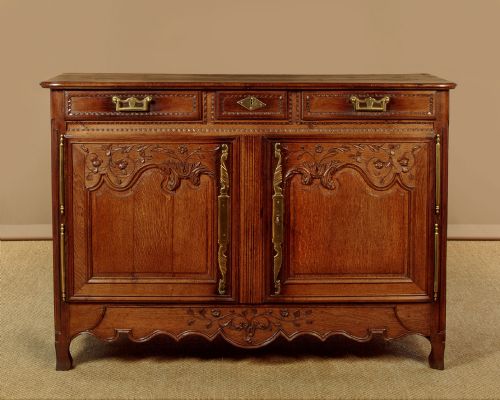
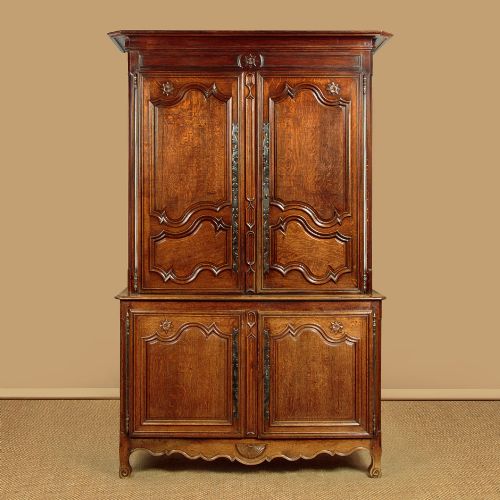
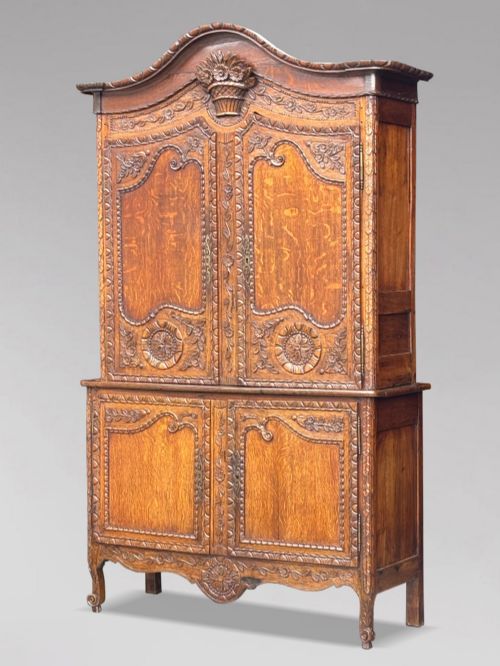
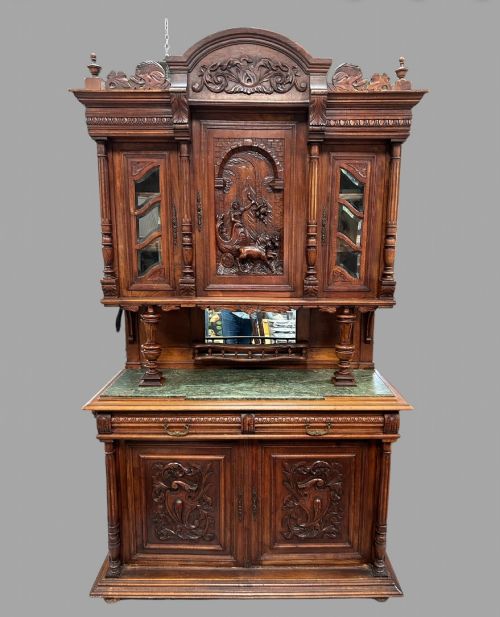
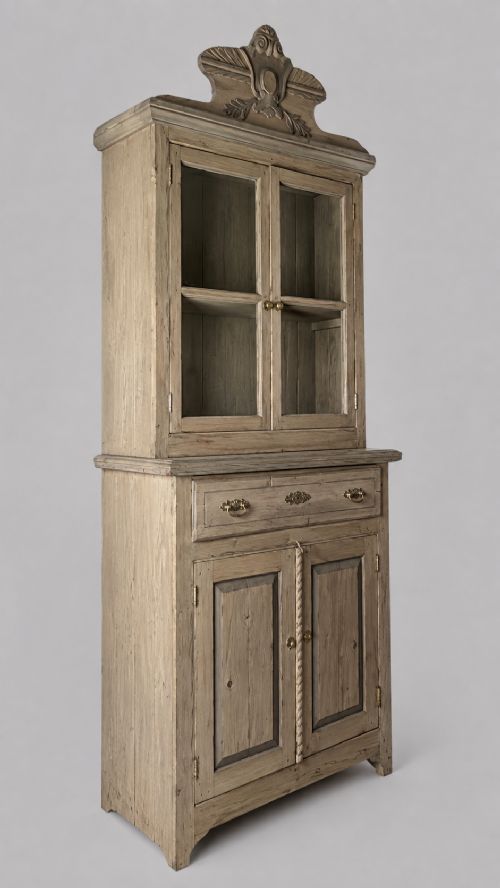
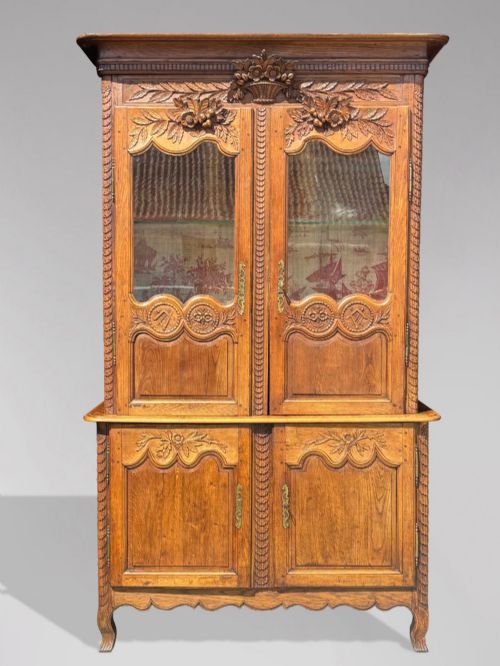
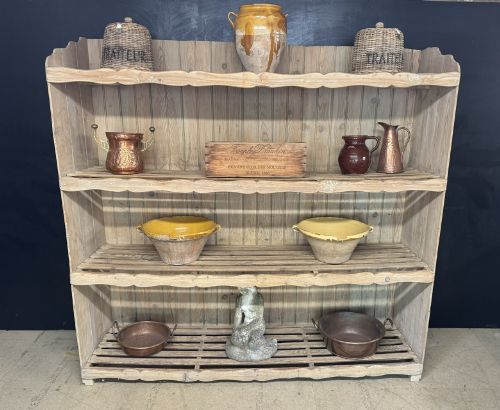
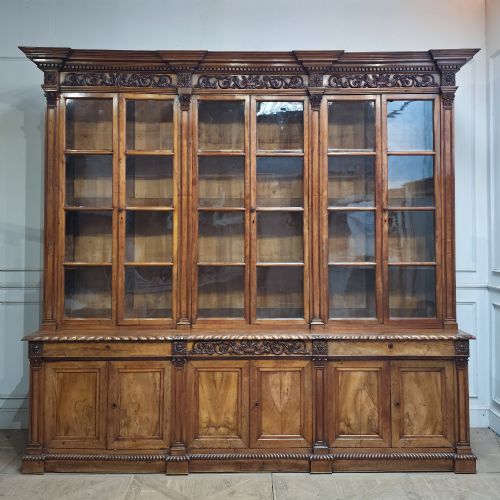
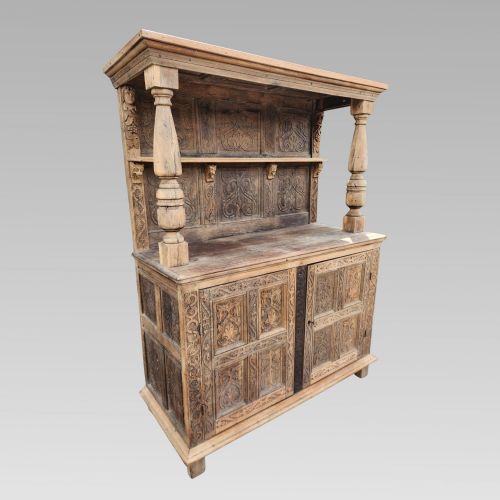
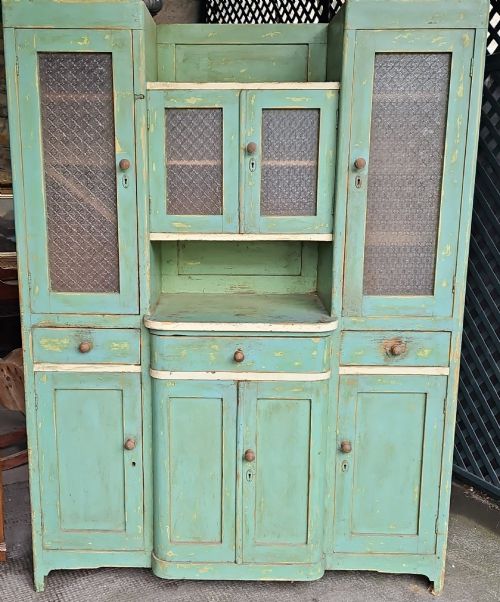
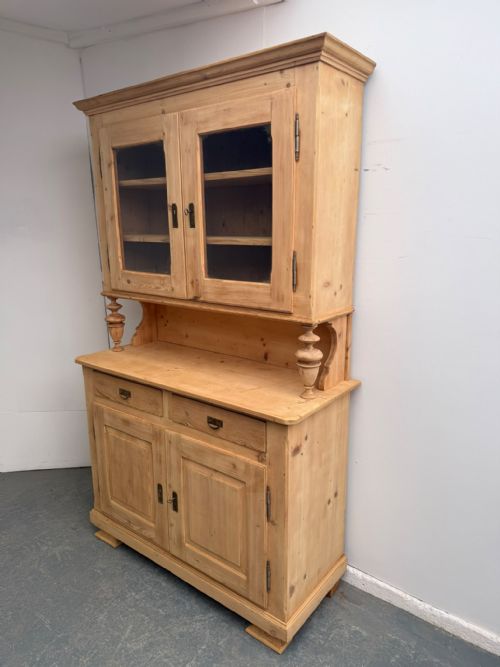
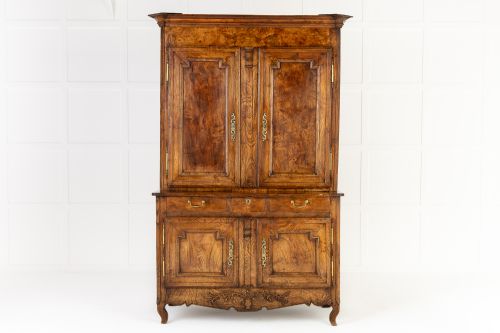
When you search for an antique french kitchen dresser, you encounter substantial utilitarian furniture designed for storing tableware, provisions, and household goods. The examples found here span diverse forms including imposing buffet a deux corps cabinets, housemaid cupboards, vaisseliers, and glazed display pieces.
Forms range from tall two-part storage units with upper plate racks or glazed doors to lower servers and bakers racks. Oak and walnut dominate the larger dual-body cupboards, while pine, fruitwood, and chestnut appear in regional country pieces.
Materials and construction methods
Cabinet makers relied heavily on solid hardwoods such as oak, walnut, cherry, ash, and chestnut for structural integrity and longevity. Regional pieces often utilise softer fruitwoods like pear or apple alongside pitch pine and painted softwoods for everyday utility cabinets.
Joinery techniques involve traditional panelled construction, hand-carved mouldings, and pegged joints designed to withstand heavy daily use. Iron and brass hardware, including hinges, latches, and drawer pulls, secure the heavy doors and drawers inherent to large storage units.
Antique French Kitchen Dresser Retail Price Guide 2026
Typical asking prices for french kitchen dresser among the pieces listed under this phrase on Sellingantiques today, from the lower quarter to the upper quarter. They describe what is for sale here now, not the wider market.
An old metal field kitchen dresser complete with a built-in drainer reminds us that even armies appreciated proper dish drying.
Distinctions in quality and execution
Quality rests upon the selection of timber and the precision of the underlying joinery, separating utilitarian workshop pieces from finely carved provincial furniture. Heavier pieces like the buffet a deux corps demand superior timber framing to support dual tiers without sagging.
The presence of original hardware, unaltered surface patinas, and intact glass panes elevates a piece above those modified or stripped over generations. Regional carving depth and the finesse of panel moulding distinguish standard country utility items from ambitious cabinet work.
The Antique French Kitchen Dresser Glossary
- Buffet deux corps
- A large two-part storage cabinet featuring a lower cupboard section surmounted by a smaller upper cabinet or display tier. This form provides maximum storage capacity for household provisions and china.
- Vaisselier
- A traditional open-shelved dresser or rack specifically designed for displaying plates and dishes. The open structure allows everyday earthenware to dry and remain within easy reach.
- Fruitwood
- Timber harvested from fruit-bearing trees such as cherry, pear, apple, and plum, valued by country cabinet makers for its fine grain and warm tone. It was frequently utilised in regional provincial furniture.
- Panelled construction
- A method of joining wooden frames around a central floating panel to accommodate natural wood expansion and contraction caused by humidity changes. This technique prevents warping in large cupboard doors.
Antique French Kitchen Dresser: Frequently Asked Questions
What is a buffet deux corps?
A buffet deux corps is a tall, two-part storage cupboard consisting of a heavy lower base and a matching upper cabinet section. It served as the primary storage unit in traditional French kitchens for provisions and tableware.
The separation into two stacked sections also aided transport and installation within thick-walled stone provincial houses.
How do I care for antique pine?
Maintain antique pine surfaces by applying traditional wax periodically to nourish the wood and protect the grain from moisture. Avoid placing these pieces in direct sunlight or near heat sources to prevent timber splitting.
Gentle dusting with a dry cloth preserves the accumulated patina built up over generations of use.
Where were these dressers used?
These pieces originated in kitchens, sculleries, and dining spaces of farmhouses, rectories, and chateaux across French provinces. They held ceramic plates, copper cookware, linens, and dry rations.
Today, they adapt readily to modern kitchens and living areas as prominent storage furniture.
Are these cabinets made of solid wood?
Provincial cabinet makers constructed these items using solid regional hardwoods and softwoods such as oak, walnut, chestnut, and pine. Planks were selected locally and hand-shaped to build sturdy carcasses.
Solid timber construction allows these pieces to endure centuries of active domestic service.