

19th Century French Cupboard
When sourcing a 19th century french cupboard, buyers seek practical storage infused with regional character and period craftsmanship.
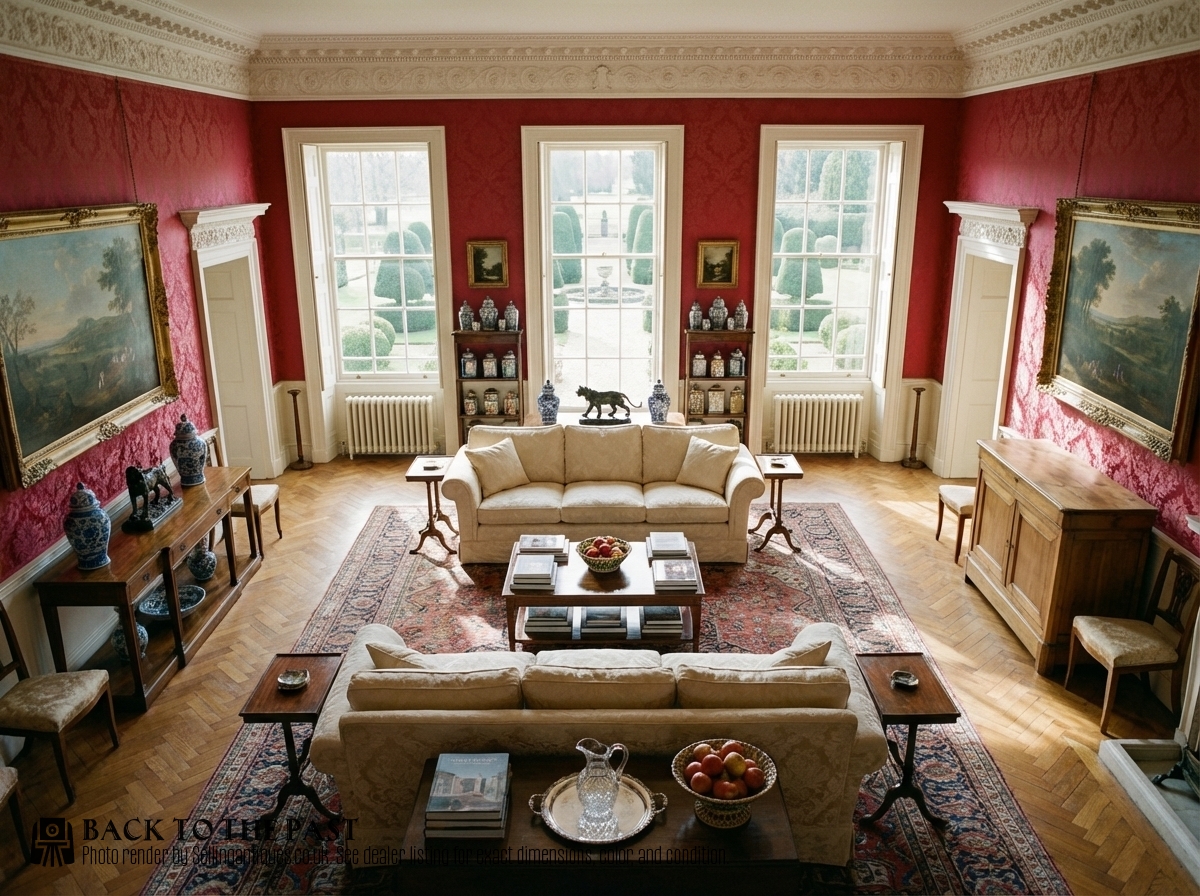
19th Century French Cupboard
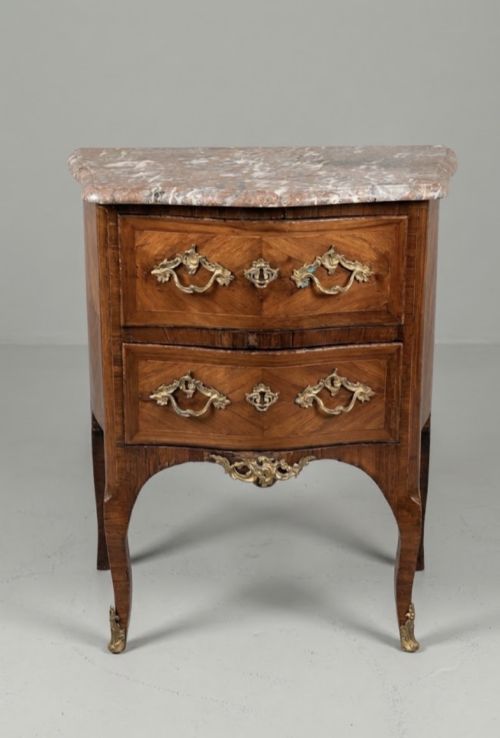
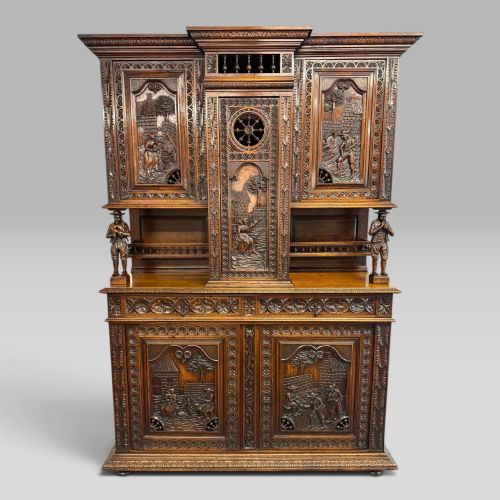
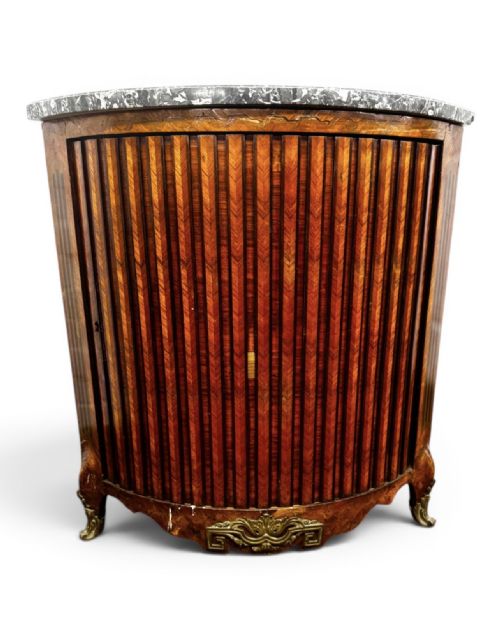
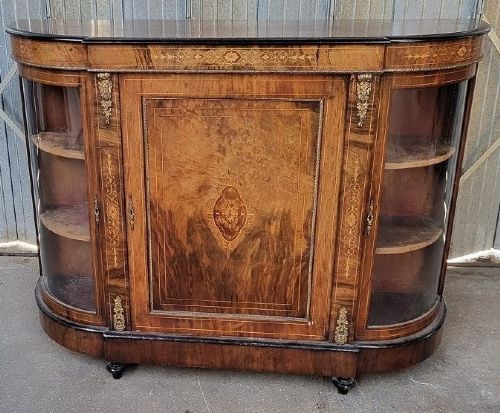
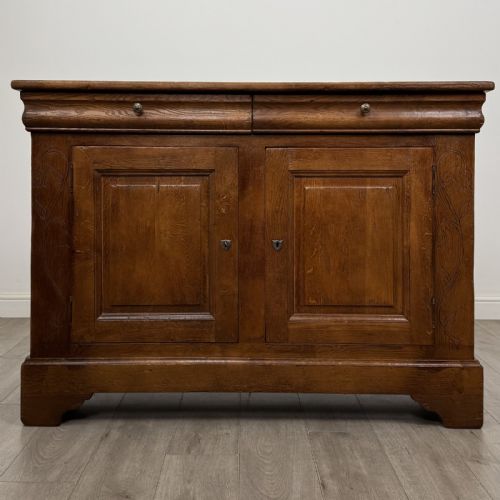
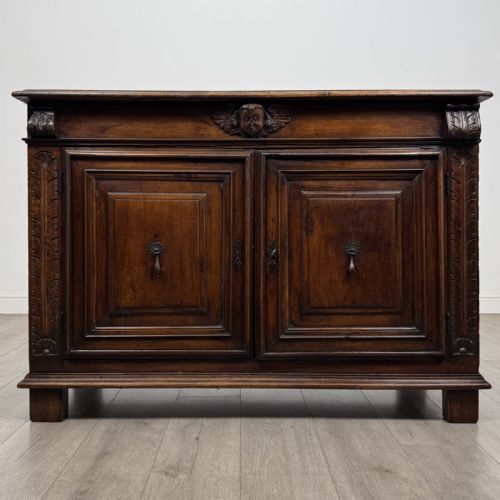
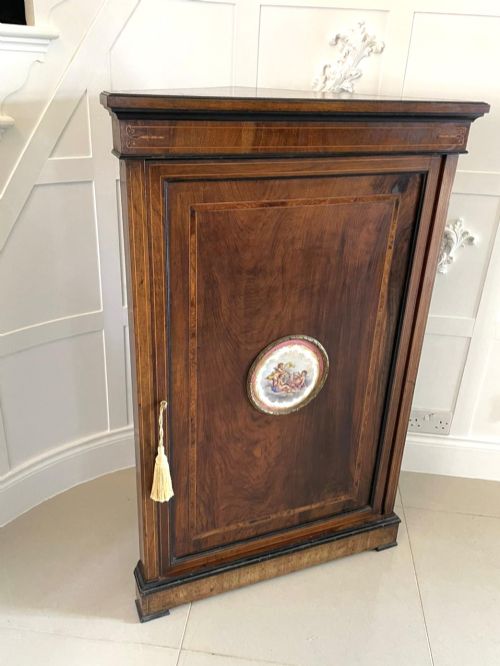
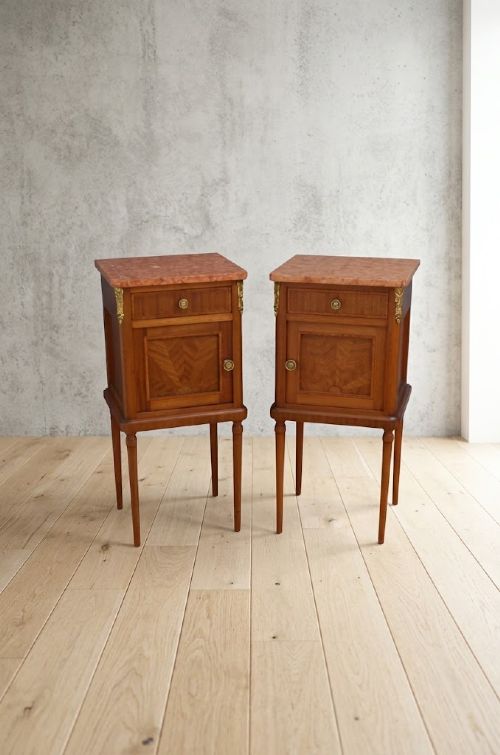
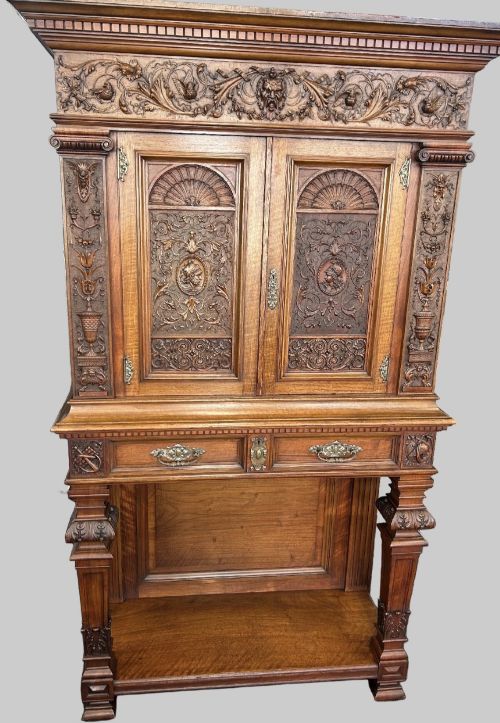
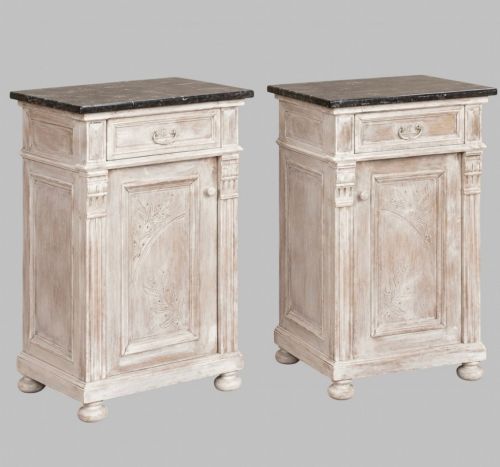
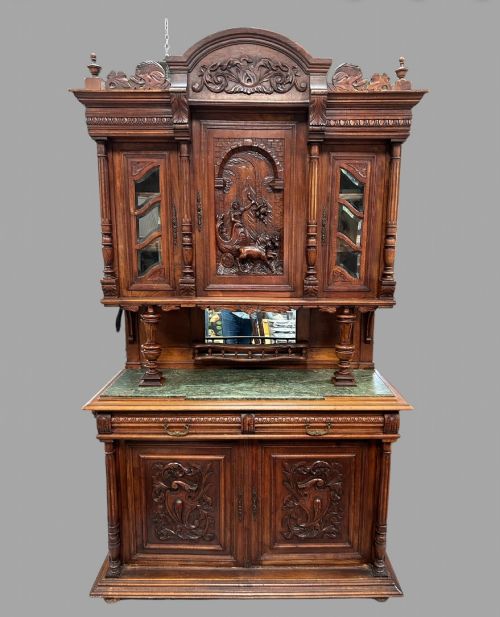
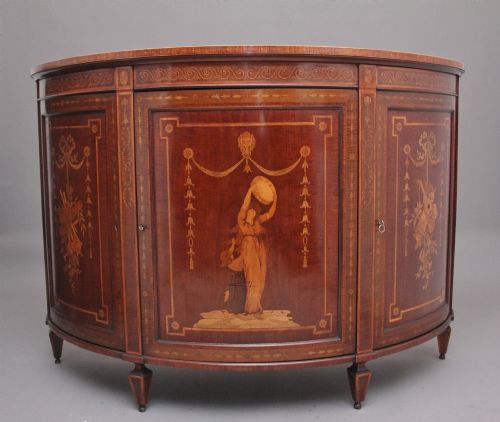
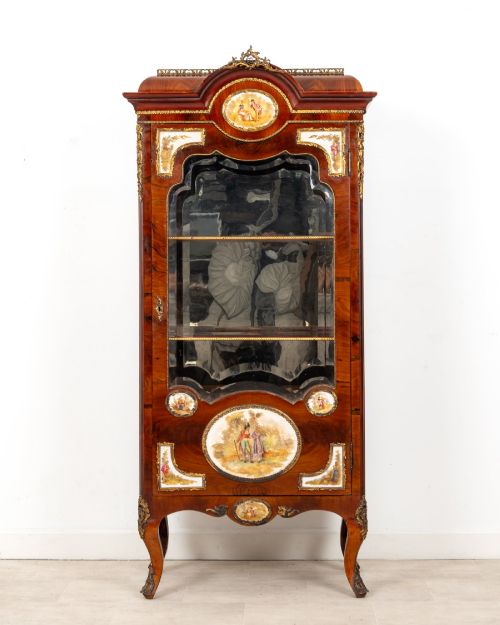
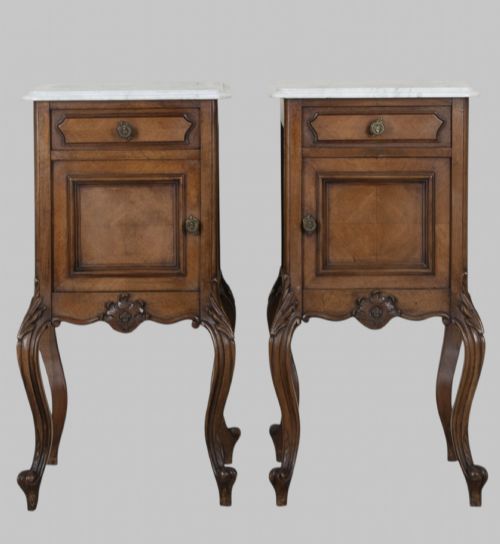
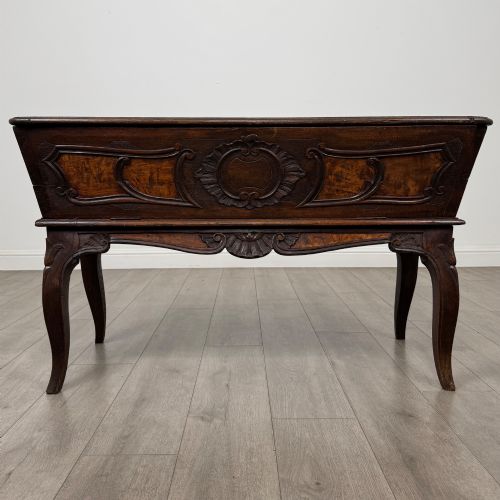
A 19th century french cupboard encompasses a diverse group of storage furniture spanning bedside pot cupboards, large housekeepers' larders, and glazed display cabinets. These pieces originated across various provincial regions and urban centres during the eighteen-hundreds, reflecting the domestic needs of the period.
Bedside cabinets and compact side units appear frequently alongside tall pine wardrobes and kitchen dressers. Buyers encounter both provincial vernacular items in fruitwood or oak and more formal revival pieces influenced by Louis styles.
The functional design ranges from single-door bonnetières to large two-part linen cupboards intended for substantial domestic storage. Each form reveals the specific regional traditions of its maker, whether built for a country farmhouse or a Parisian apartment.
Materials and Construction
Cabinet makers utilised local timbers including walnut, oak, cherry, fruitwood, and pine, often selecting woods native to the region of construction. Solid construction methods, such as panelled doors and pegged joints, dominate the provincial output.
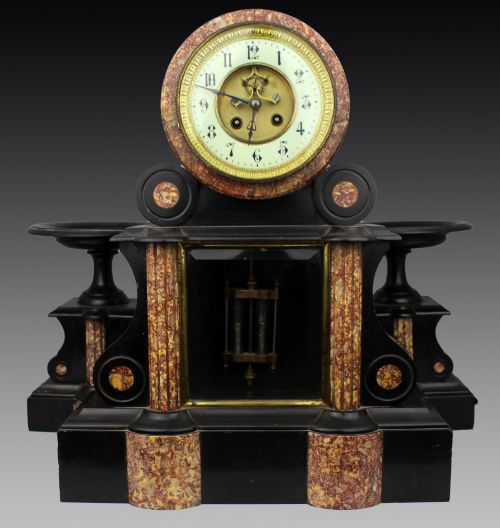
More ornate examples incorporate decorative elements like marble tops, brass mounts, ormolu, and tortoiseshell boullework. Painted finishes also appear, with many pieces retaining original or early distressed paint layers.
19th Century French Cupboard Retail Price Guide 2026
Typical asking prices for 19th century french cupboard among the pieces listed under this phrase on Sellingantiques today, from the lower quarter to the upper quarter. They describe what is for sale here now, not the wider market.
Listings feature walnut, oak, cherry, pine, and mahogany alongside marble, brass, and ormolu.
Standards of Execution
Quality in these cabinets rests upon the selection of timber and the precision of the joinery rather than mere decorative elaboration. Finely figured walnut or substantial quarter-sawn oak distinguish superior examples from utilitarian pine storage.
The integration of secondary materials, such as heavy Carrara marble tops and cast brass hardware, marks a higher grade of production. Originality of surface finish and the retention of period glass or internal shelving further elevate the standing of an individual piece.
E. Kahn·Gillows·Japy Frères
The 19th Century French Cupboard Glossary
- Bonnetière
- A tall, single-door cupboard originally designed in France to store ladies' bonnets. These slender storage units typically feature carved wooden panels.
- Ormolu
- Gilded bronze mounts applied to furniture for decorative effect. This technique was frequently utilised on high-status revival pieces.
- Boulle
- Marquetry work utilising brass and tortoiseshell developed during earlier French periods and revived in the nineteenth century. This intricate inlay decorates the surfaces of luxury cabinets.
- Enfilade
- A long sideboard or credenza designed for serving food or storing dining equipment. These low storage cabinets often feature multiple doors across a continuous front.
- Parquetry
- Geometric wood inlay patterns applied to cabinet surfaces. Artisans used contrasting timbers to create sharp, patterned panels.
19th Century French Cupboard: Frequently Asked Questions
How do I identify a provincial piece?
Provincial pieces display simpler lines and utilise regional timbers such as fruitwood, cherry, or local oak. They lack the elaborate gilt bronze mounts found on urban revival furniture.
Construction details often include pegged joints and hand-carved panels that reflect traditional rural craftsmanship rather than industrial workshop production.
Were marble tops original to bedside cabinets?
Marble tops were standard additions to nineteenth-century bedside and pot cupboards, offering a durable and hygienic surface for washing equipment and water jugs.
White or grey Carrara marble was most commonly fitted, resting directly upon the wooden frame of the cabinet.
How should I clean painted cupboard surfaces?
Original painted surfaces require gentle dusting with a dry, soft cloth to remove surface dirt without disturbing fragile historic pigments. Avoid modern chemical solvents, abrasive cleaners, and excessive moisture.
Applying a microcrystalline wax can protect fragile painted finishes, but consult a professional conservator before attempting any intervention.
What is the difference between a buffet and a dresser?
A buffet functions primarily as a low storage cabinet or serving surface with enclosed cupboards below. A dresser typically incorporates open shelving or a glazed cabinet superstructure above the lower base.
Both forms served domestic food preparation and dining storage roles in nineteenth-century French households.