
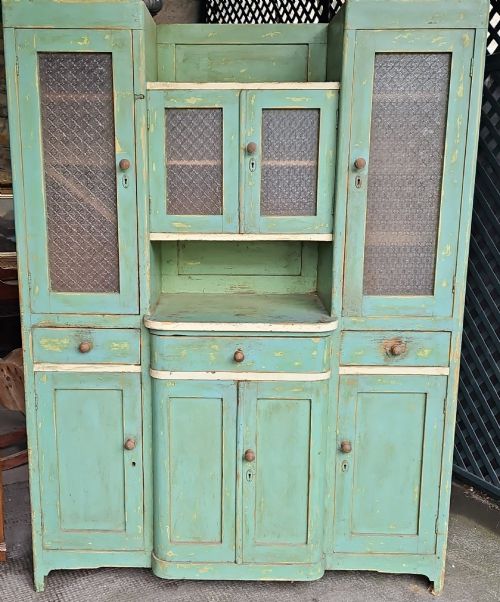


French Housekeepers Cupboard
A french housekeepers cupboard brings honest storage and provincial warmth to a room, built by hands that valued utility above all.
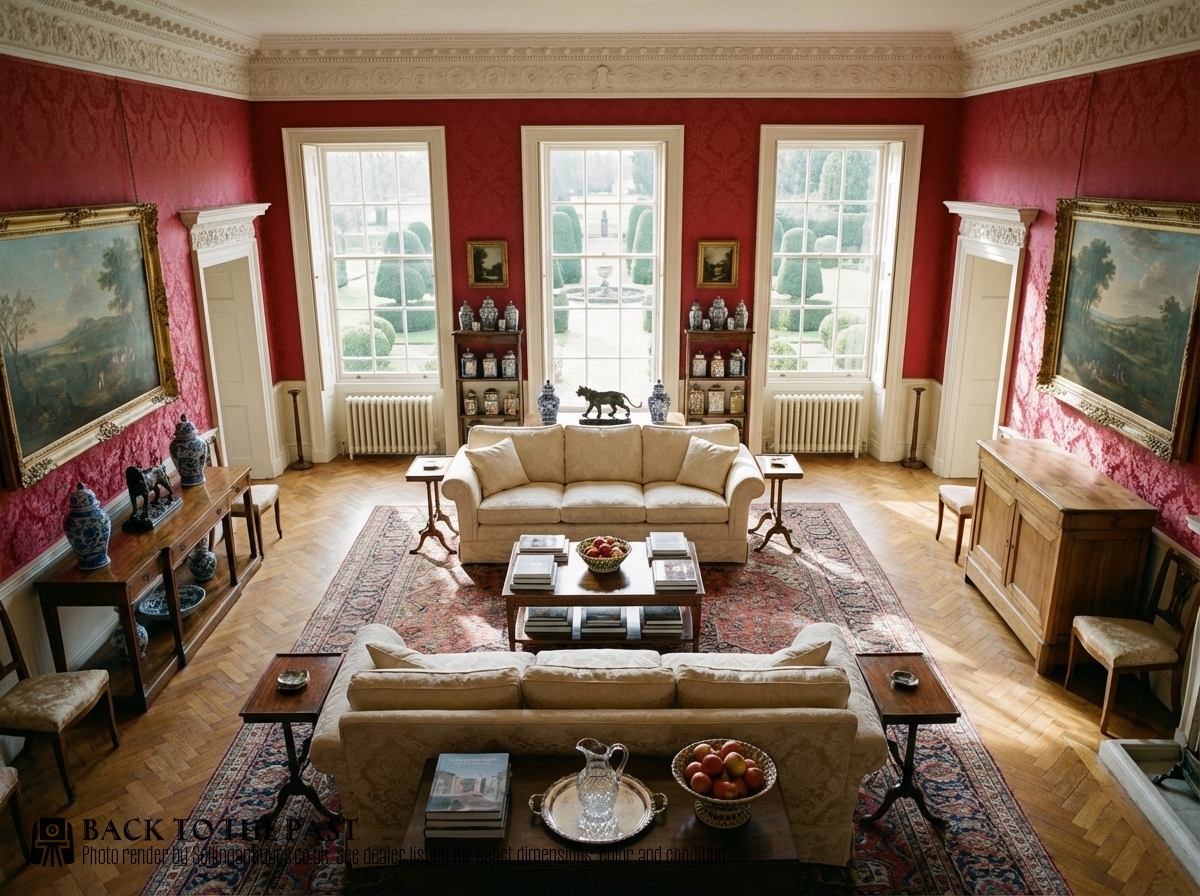
French Housekeepers Cupboard
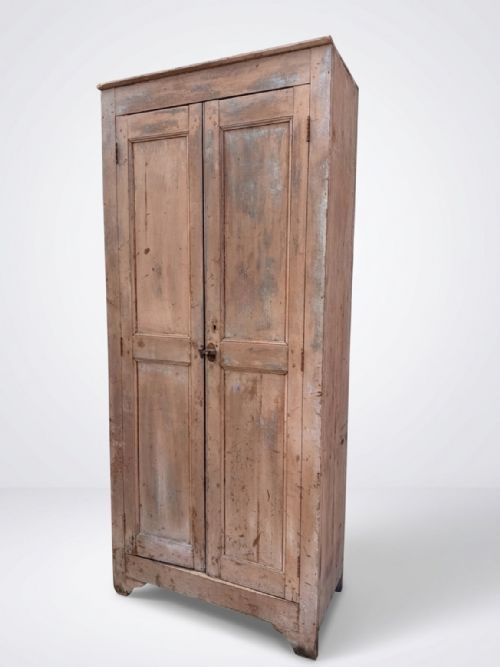
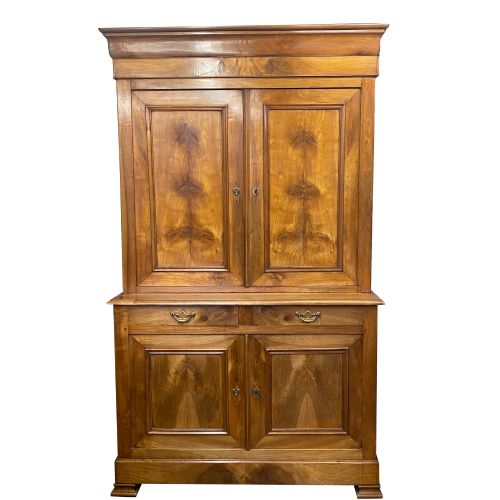
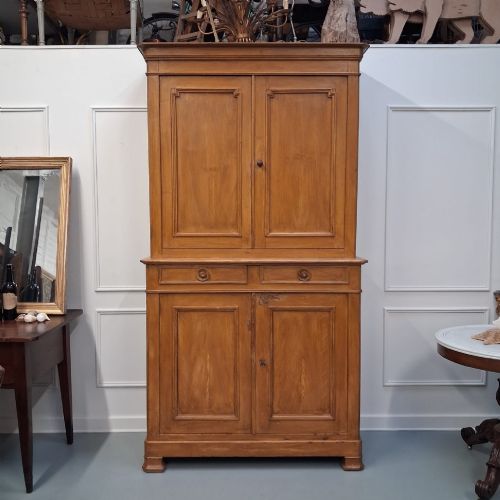
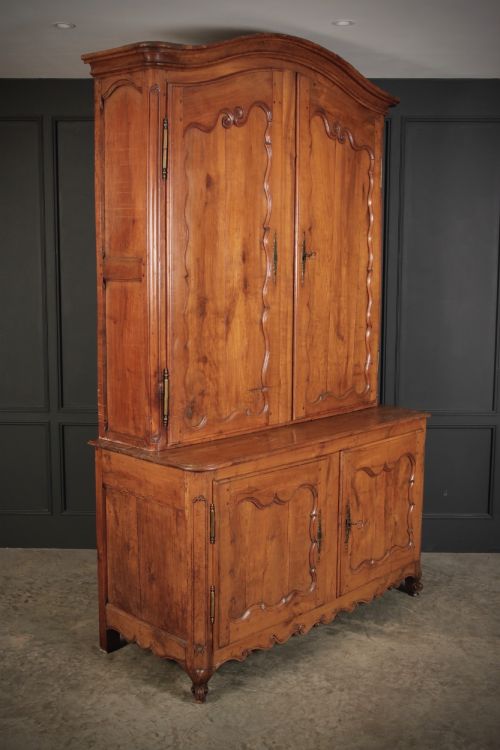
When you search for a french housekeepers cupboard, you encounter substantial storage furniture designed for domestic provisions and linen. The pieces seen here span the 18th century, the 19th century, and the Edwardian era, reflecting generations of provincial utility.
The most likely examples to meet on this page are tall two-part timber carcasses in pine, oak, or cherry wood. Many display the straightforward proportions of French provincial and rustic country traditions, serving kitchens, hallways, and large living spaces with deep shelving and double doors.
Beyond standard double-door storage, the selection encompasses related forms such as food cupboards, armoires, and linen presses. These variations share a robust architectural presence built to hold household stores securely.
How they were made
Construction relies heavily on solid regional timbers, principally oak, pine, cherry wood, and chestnut, selected for durability and local availability. Carpenters joined structural members using traditional framing methods to withstand heavy daily domestic use.
Iron and brass hardware such as hinges and latches secure the heavy timber doors, while painted wood finishes appear on numerous provincial examples. These surface treatments protect the wood and reflect regional decorative preferences from the 18th and 19th centuries.
The listings on this site feature iron, brass, textured glass, and painted wood across 18th and 19th century periods.
What varies in quality
Quality rests primarily on the integrity of the timber and the honesty of the construction. Solid hardwoods like oak and cherry command attention for their structural endurance compared to simpler pine alternatives.
Proportion and surface patina distinguish superior examples. Pieces that retain their original painted surfaces or show deep, untreated timber grain display a visual character that lesser or heavily restored counterparts lack.
The French Housekeepers Cupboard Glossary
- Housekeepers cupboard
- A large storage cabinet traditionally used by a housekeeper to store linens, dry goods, and household provisions. These units often feature multiple internal shelves and generous double doors.
- Provincial
- Denoting styles originating from the regions outside the capital, characterised by practical designs and local materials. Provincial furniture prioritises sturdy utility over ornate courtly decoration.
- Pine
- A softwood commonly utilised in country furniture for its accessibility and workability. Pine pieces are frequently found painted or waxed.
- Armoire
- A tall wardrobe or cupboard equipped with doors enclosing hanging space or shelves. In older French contexts, these served primary storage roles before fitted closets existed.
- Patina
- The surface sheen and colour developed by wood and paint over decades of handling and exposure. A good patina indicates age and authentic use.
French Housekeepers Cupboard: Frequently Asked Questions
What were housekeepers cupboards used for originally?
These large cupboards stored household provisions, dry foodstuffs, and household linens in substantial domestic quarters. Their deep internal shelving kept supplies organised and protected from pests.
Over time, their role expanded to general storage within large country kitchens and hallways where extra capacity was required.
How do I tell an 18th century cupboard from a 19th century one?
Earlier pieces from the 18th century often display heavier oak or fruitwood construction with hand-planed surfaces and traditional pegged joinery. Their proportions tend to be more architectural and grounded.
Nineteenth-century examples frequently utilise pine or cherry wood, sometimes incorporating softer mouldings and painted finishes that reflect changing regional aesthetics.
Where should I place a large cupboard in a modern home?
A substantial french housekeepers cupboard works best in a spacious kitchen, dining room, or hallway where its imposing scale can anchor the room. Ensure you measure ceiling height and clearance for the doors before positioning.
Inside, the deep shelves suit the storage of crockery, glassware, or heavy linens, combining display or concealment with practical utility.
Are painted finishes on these cupboards original?
Many provincial cupboards received coats of paint during their working lives to refresh the timber or match interior decorative changes. Some surfaces date to the period of manufacture, while others represent later maintenance.
Examining the wear patterns around handles and edges helps reveal whether a painted finish has aged naturally alongside the underlying wood.