
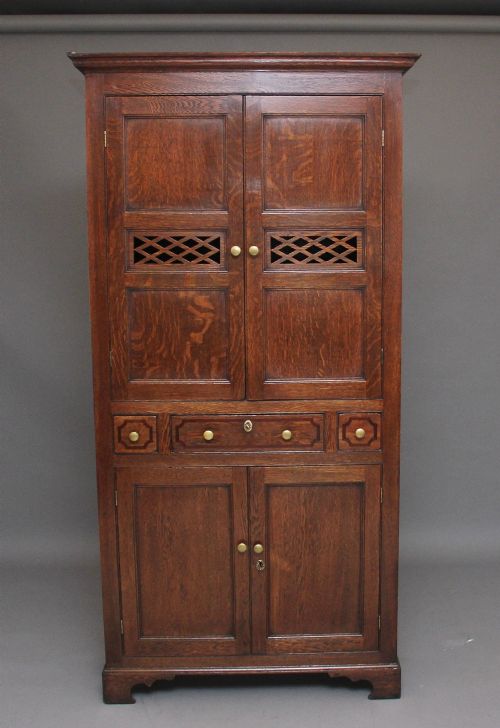

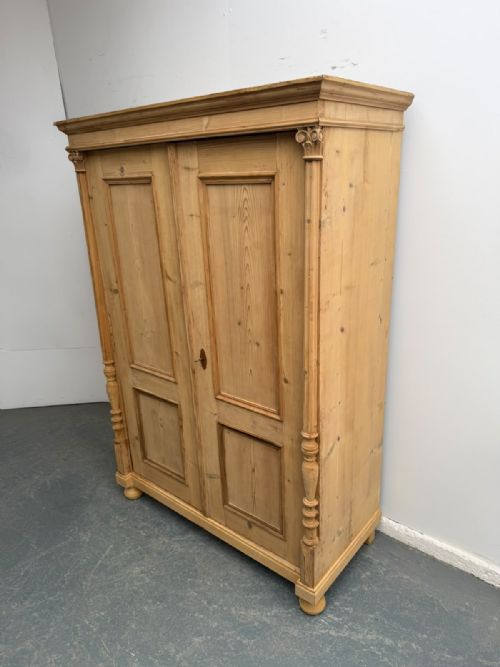
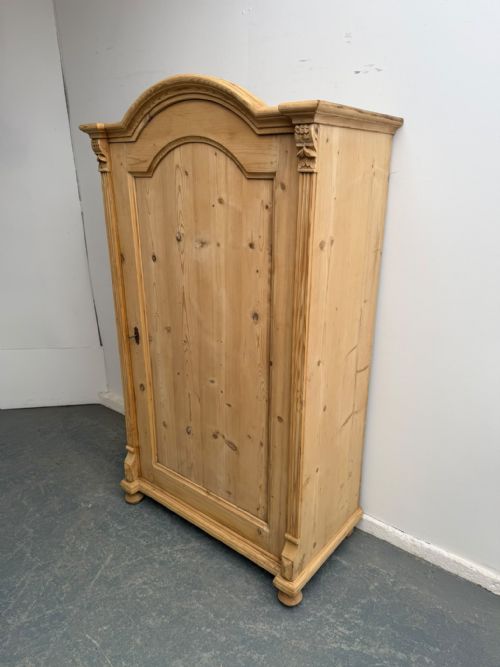
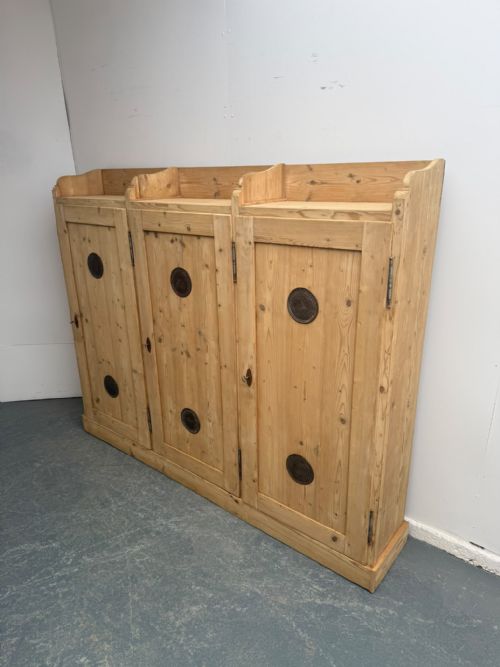
Traditional Housekeeper Cabinet
A traditional housekeeper cabinet offers deep domestic storage, bringing honest utilitarian timber and painted finishes into modern kitchens and bootrooms.
Traditional Housekeeper Cabinet
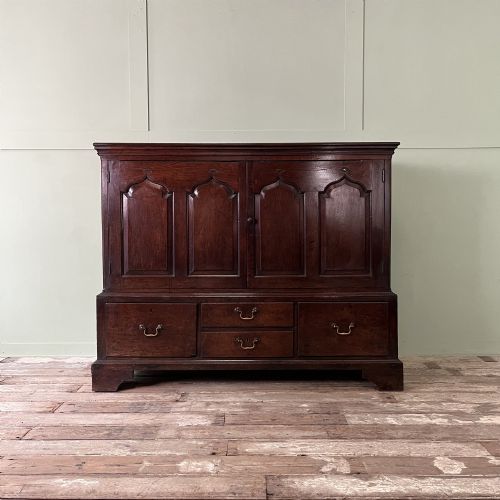
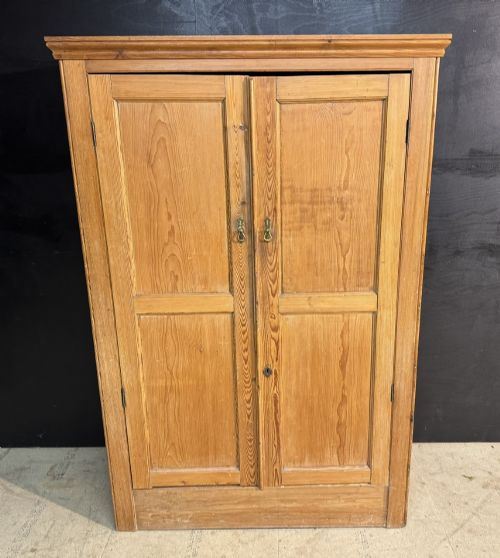
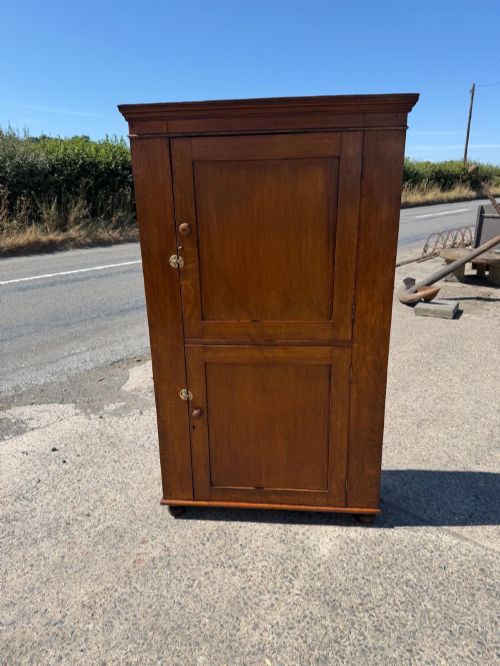
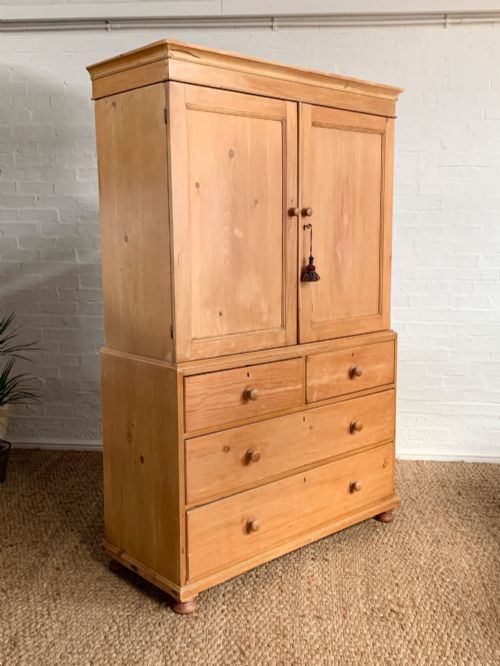
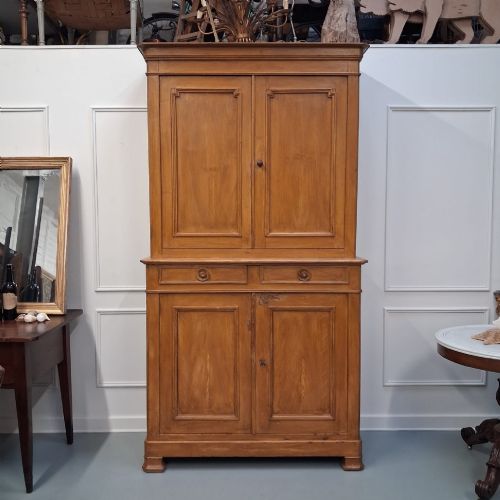
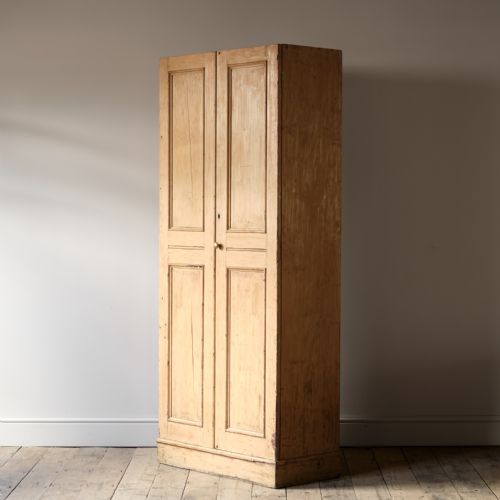
A traditional housekeeper cabinet is a large storage piece originally designed for linens, provisions, and household stores in country houses and large domestic settings. These items appear across several historic eras, spanning the eighteenth, nineteenth, and early twentieth centuries, reflecting long-standing rural utility.
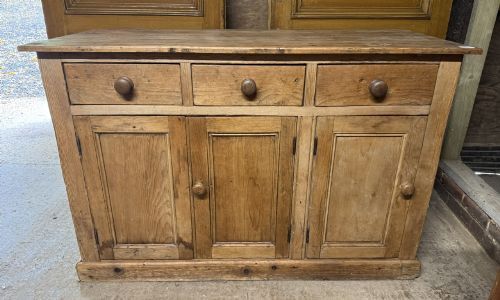
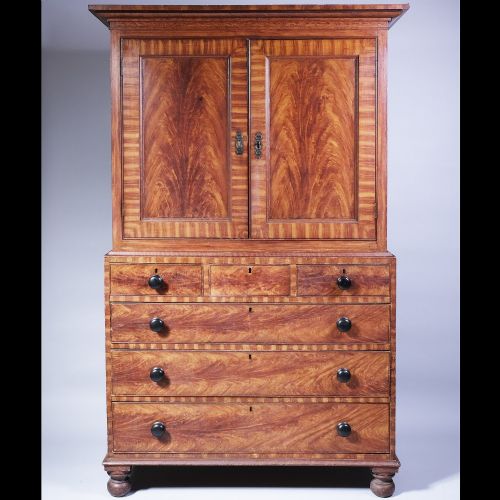
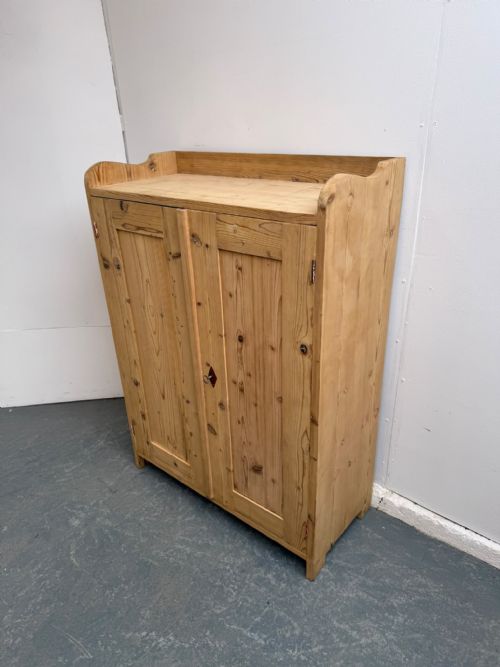
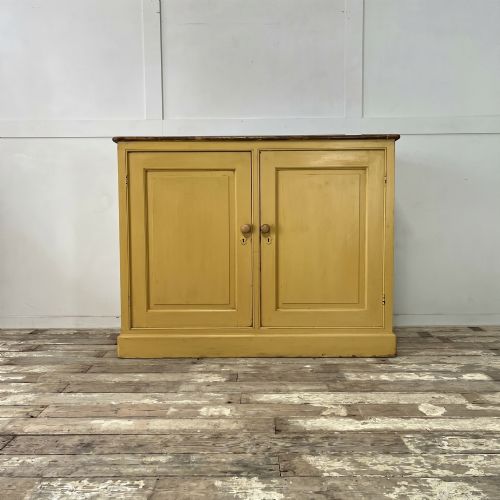
The most common versions met on this page are constructed from sturdy pine and oak, frequently finished with historic paint, scumble, or natural wax. Formats range from tall two-door cupboards and larder units to linen presses featuring dedicated internal shelving and drawer space.
How they were made
Joiners built these cabinets primarily using solid oak and pine timbers, joined with traditional framing techniques to withstand heavy daily use in domestic service quarters. Panel doors, sturdy plinths, and sometimes bun feet provide structural stability for tall carcasses that held heavy household stores.
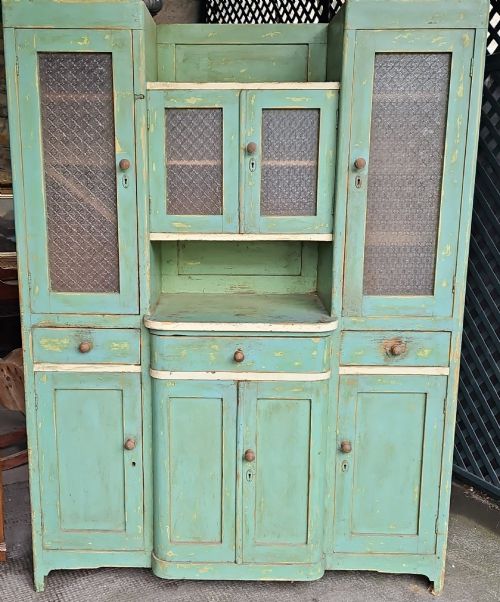
Surface treatments play a significant role in their construction, with many examples featuring original paintwork, scumble glazing, or simple wax finishes over softwood and hardwood. Iron and brass hinges, handles, and ventilation vents complete the utilitarian assembly.
Listings for traditional housekeeper cabinets span the eighteenth, nineteenth, and early twentieth centuries, featuring pine, oak, and mahogany.
What varies in quality
Quality in a traditional housekeeper cabinet rests largely on the integrity of the timber, the restraint of past restorations, and the survival of original surface finishes like early paint or scumble. Pieces that retain their unblemished proportions and original internal configurations command greater interest from collectors of vernacular furniture.
Construction refinement also distinguishes regional country pieces from utilitarian institutional cupboards, seen in the choice of denser hardwoods like oak or mahogany compared to standard workshop pine. Finer examples display careful attention to panel mouldings and proportion despite their purely functional origins.
The Traditional Housekeeper Cabinet Glossary
- Linen press
- A tall cupboard specifically designed for storing folded linen, usually combining upper shelving with lower sliding trays or drawers.
- Scumble paint
- A translucent decorative paint technique applied over a base coat to imitate the grain of more expensive hardwoods or to create aged texture.
- Deuddarn
- A traditional Welsh two-tier oak cupboard used historically for storing food and household goods.
- Bun foot
- A rounded, flattened spherical furniture foot popular on seventeenth and nineteenth-century case pieces.
- Larder cupboard
- A tall storage unit traditionally utilised for food preservation, frequently fitted with ventilated panels to allow air circulation.
Traditional Housekeeper Cabinet: Frequently Asked Questions
What is a traditional housekeeper cabinet used for today?
These large cabinets serve brilliantly as kitchen larders, linen stores, or hallway wardrobes in modern homes. Their deep internal shelving swallows clutter while adding genuine historic character to a room.
Because they were built for heavy domestic service, their robust interiors adapt easily to contemporary storage needs without altering the exterior footprint.
How do I date a pine housekeeper cabinet?
Dating relies heavily on construction methods, timber selection, and the type of fixings and hinges used in the carcass. Earlier eighteenth-century pieces often show hand-planed surfaces and pegged joints, whereas later Victorian examples utilise machine-sawn boards and standardised hardware.
Paint layers and surface wear also offer strong clues to a piece's age, though many utility cupboards were re-painted multiple times over their working lives.
Are these cabinets made of solid wood?
Yes, traditional housekeeper cabinets are built from solid timber throughout, primarily pine and oak, with occasional use of mahogany for finer examples. Joiners relied on thick boards for structural integrity rather than modern veneers or manufactured wood products.
This solid construction allows the timber to respond well to stripping, waxing, or repainting according to modern interior preferences.
What is the difference between a linen press and a housekeeper cabinet?
A linen press traditionally incorporates sliding internal trays or drawers behind its upper doors specifically for pressed textiles, whereas housekeeper cabinets often feature adjustable general shelving or larder ventilation. Both serve heavy domestic storage functions within country house interiors.
Over time, these terms often overlap in historic listings depending on the regional workshop and the specific utility required by the household.