
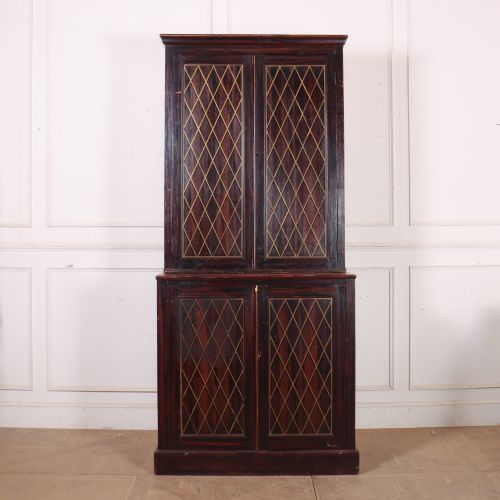
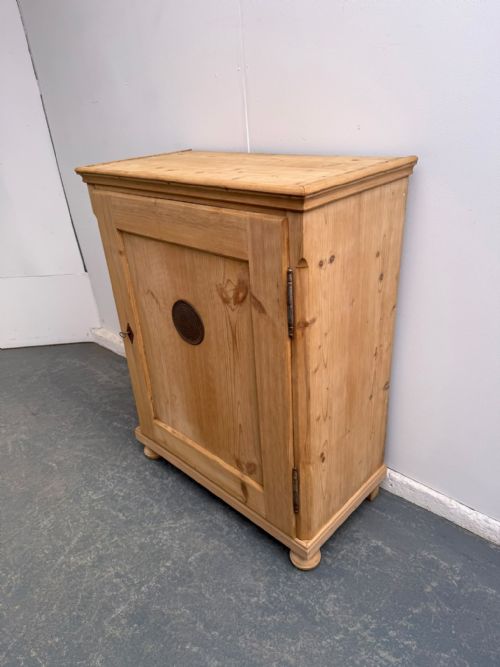
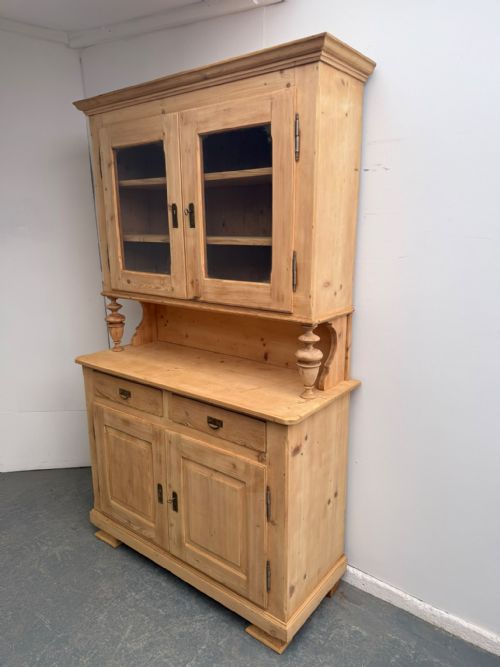

Victorian Larder Cupboard
A victorian larder cupboard is a sturdy domestic storage piece built for food preservation, offering deep timber shelving and period character for modern kitchens.
Victorian Larder Cupboard
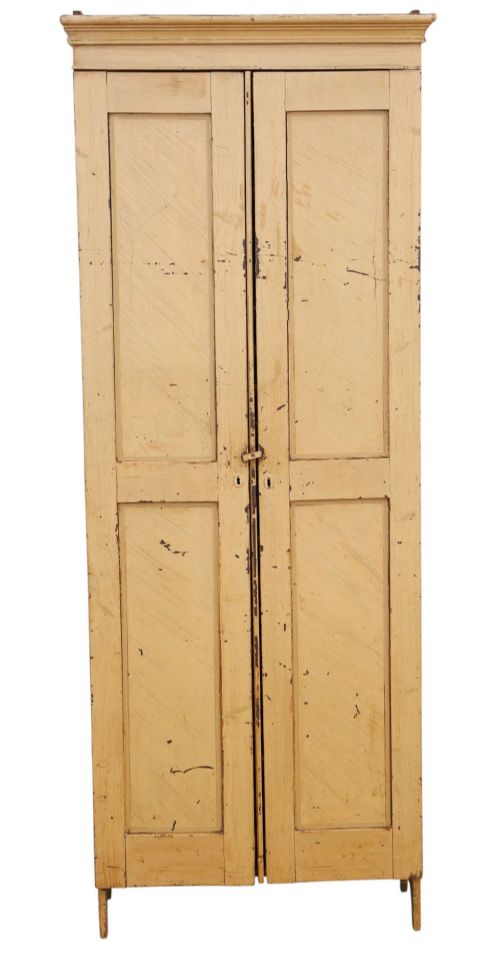
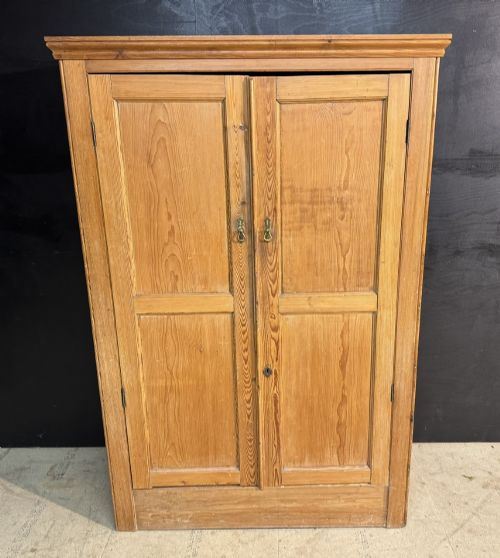
A victorian larder cupboard is defined by substantial timber construction, internal shelving designed for provisions, and practical storage configurations like double doors or lower drawers.
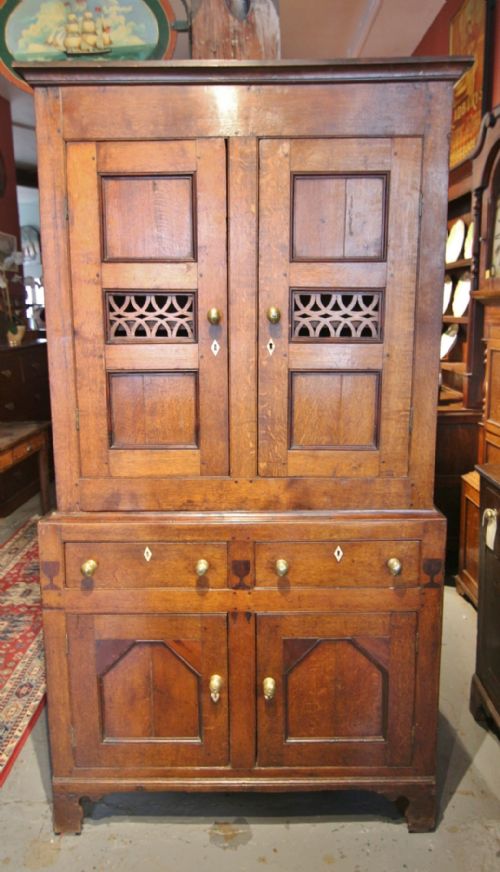
The pieces appearing on this page stem principally from the nineteenth century, including Edwardian examples, spanning regional British styles from Welsh vernacular to Scottish country workshops.
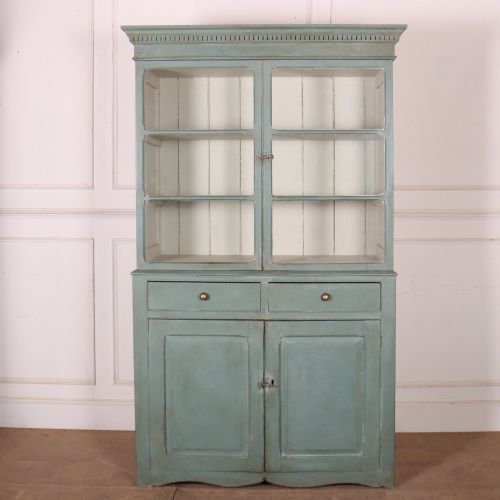
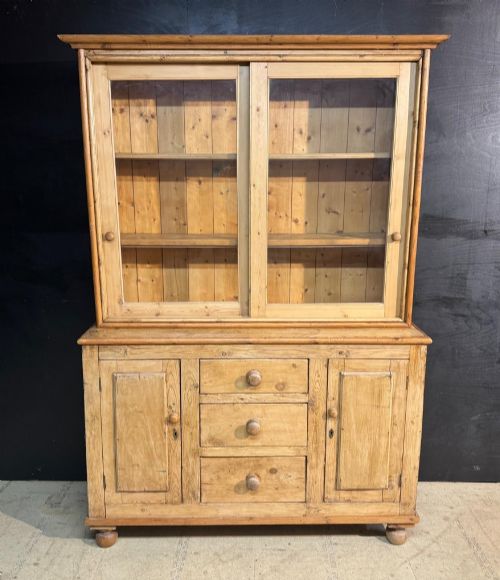
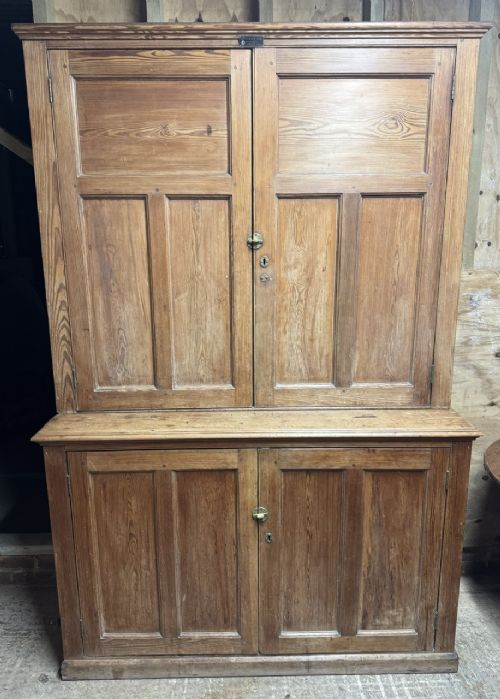
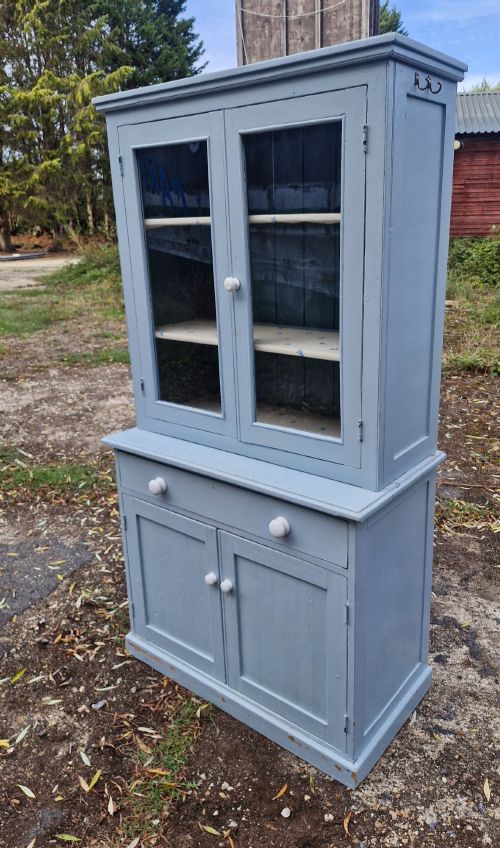
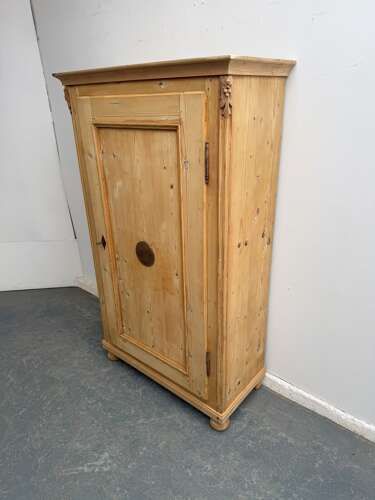
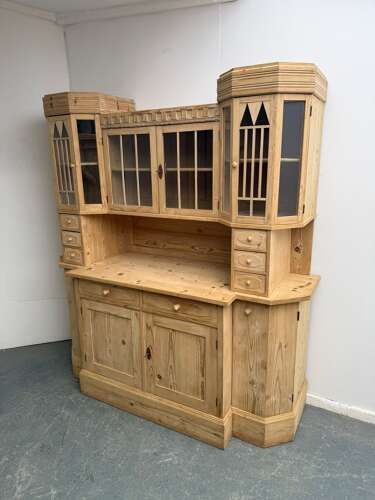
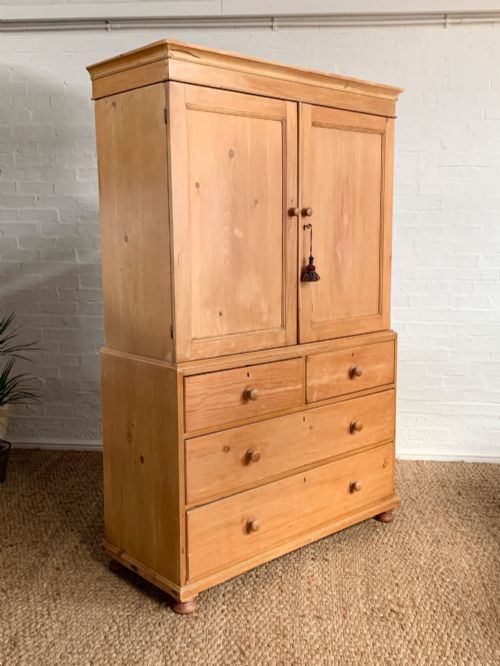
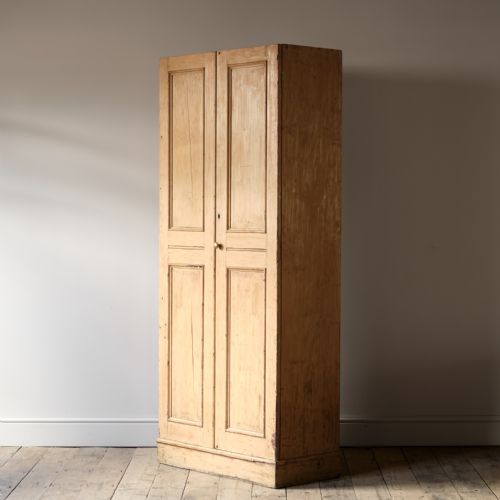
Common forms range from tall single-door storage units and housekeeper's cupboards to two-part kitchen dressers and ventilated food cabinets.
Materials and Construction
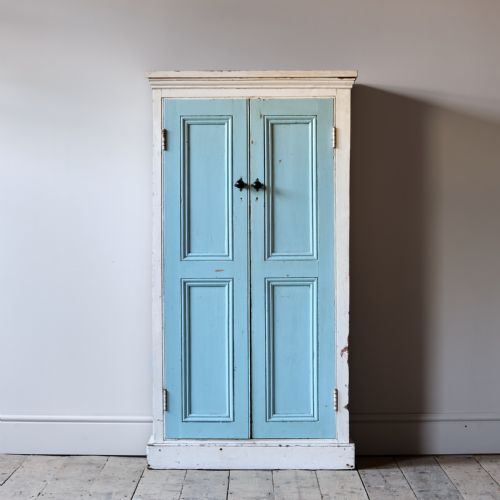
Makers built these larders predominantly using pine, often finished with historic layers of paint or stripped to reveal the natural grain.
Hardware consists of iron and brass hinges, latches, and pulls, while select examples incorporate glass panes for display doors or wire mesh for food ventilation.
Listings combine pine, oak, iron, and brass across nineteenth-century periods, Edwardian examples, and vernacular regional styles.
Character and Construction
Quality rests in the integrity of the original timber frame, the survival of period paint surfaces or honest dry-scraped finishes, and the retention of internal shelving.
Subtle regional details, such as fielded panels, carved mouldings, or maker-applied inlays like those seen on Welsh bread and cheese cupboards, elevate individual pieces above standard utility furniture.
The Victorian Larder Cupboard Glossary
- Housekeeper's cupboard
- A large storage piece traditionally used in substantial homes for household linens and dry goods, often featuring upper cupboards above lower drawers.
- Fielded panel
- A wooden panel with bevelled edges set into a frame, adding depth and structural stability to cabinet doors.
- Vented cupboard
- A storage unit incorporating pierced metal or mesh panels in the doors to allow air circulation for perishable food preservation.
- Dry-scraped
- A conservation technique where later coats of paint are carefully removed to reveal original historic paint layers beneath.
- Vernacular
- Furniture built by local country joiners using regional traditions rather than following formal metropolitan design patterns.
Victorian Larder Cupboard: Frequently Asked Questions
How were larder cupboards used?
These cupboards stored perishable provisions, dry goods, and kitchen utensils before mechanical refrigeration became common in homes.
Ventilated sections kept food cool and aired, while deep shelves organised household supplies.
Where did these cupboards originate?
They were constructed across British regions, from Welsh and Scottish rural workshops to English country houses and farmhouses.
Local joiners built them to suit the specific storage needs of domestic kitchens.
What wood was used?
Pine serves as the primary timber across the majority of these pieces, found both in painted finishes and stripped surfaces.
Selected cabinets incorporate alternative hardwoods like oak.
How do I care for a painted pine cupboard?
Maintain the historic surface by dusting with a dry cloth and avoiding harsh chemical cleaners that damage old paint or waxed pine.
Keep the timber away from direct heat sources to prevent wood movement.