


Country Kitchen Cupboard
A country kitchen cupboard brings honest utility and vernacular charm to a room, offering robust storage built from timber for daily domestic life.
Country Kitchen Cupboard
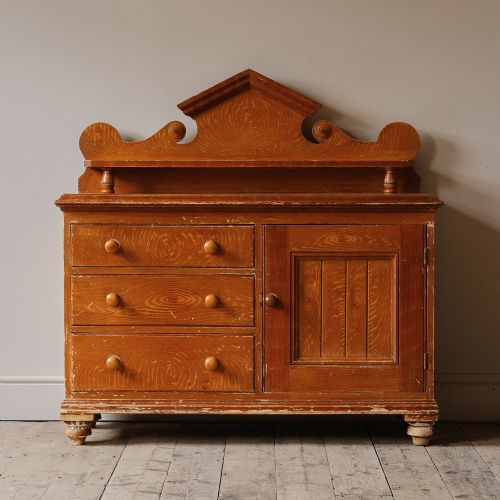
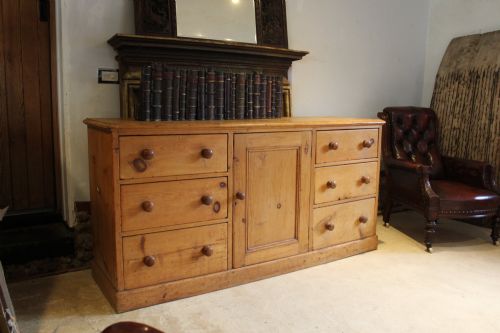
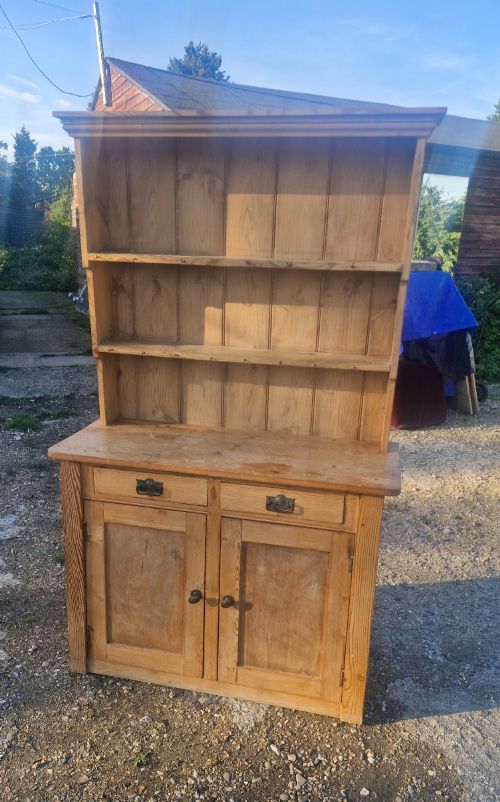
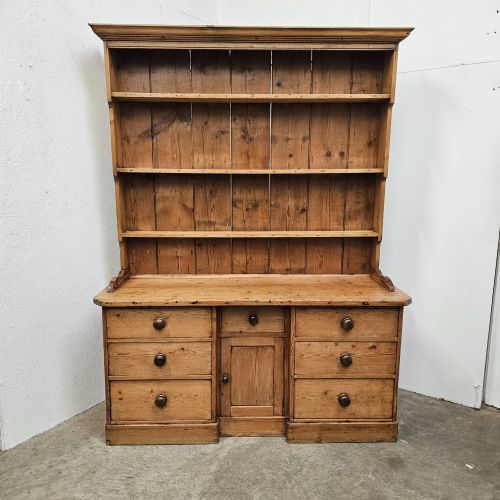
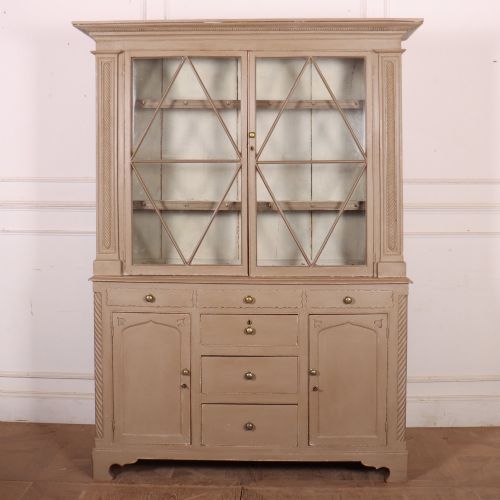
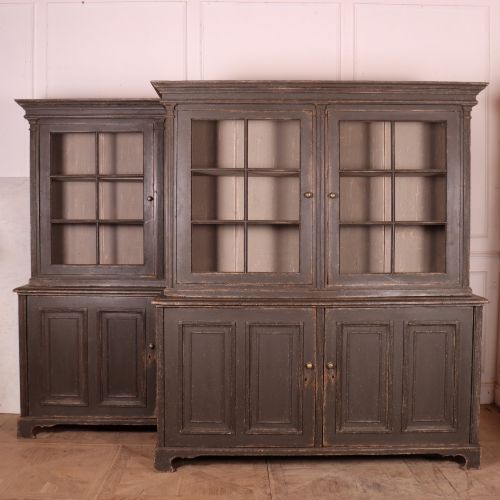
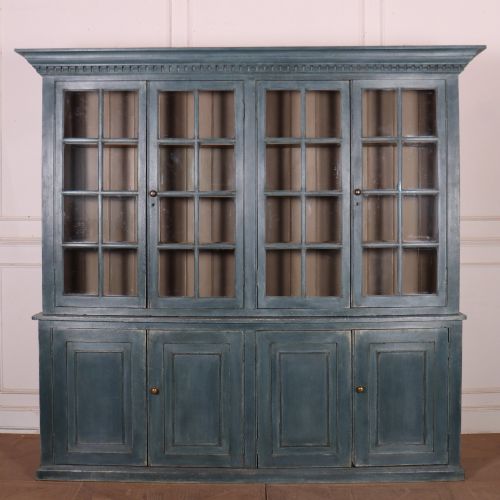
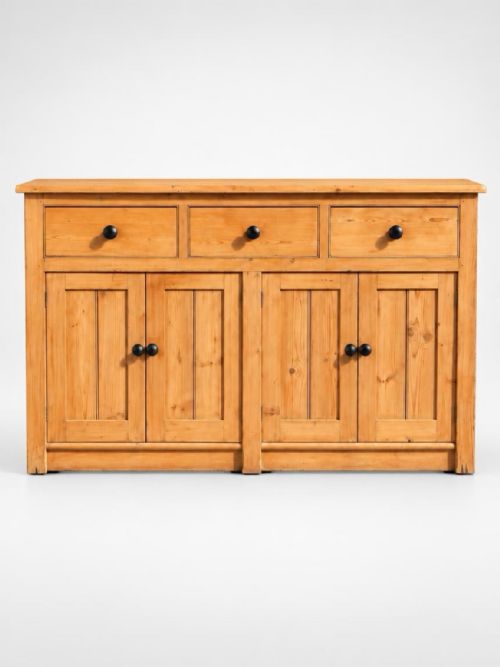
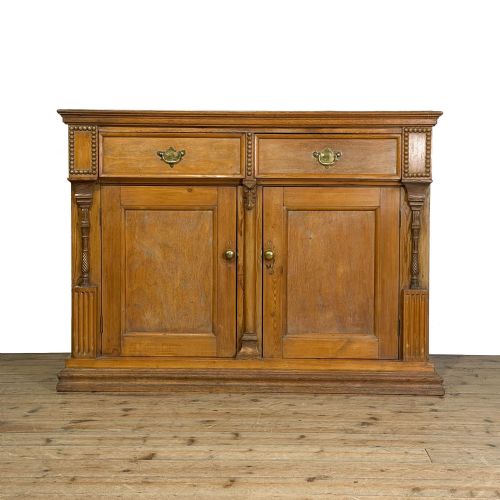
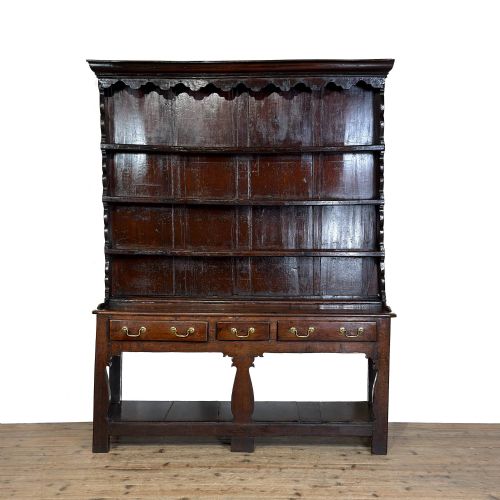
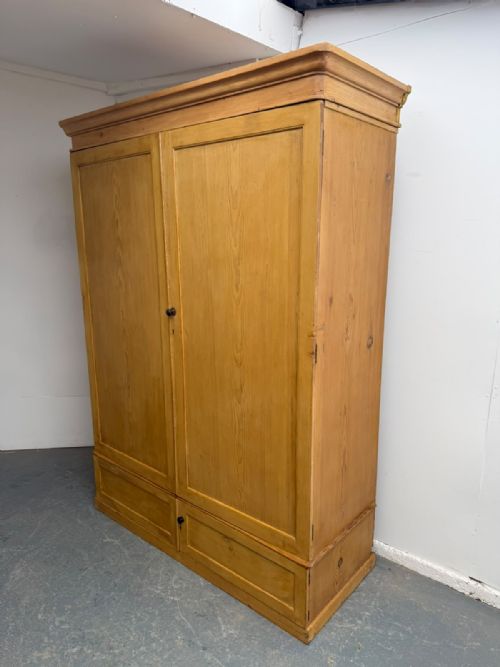
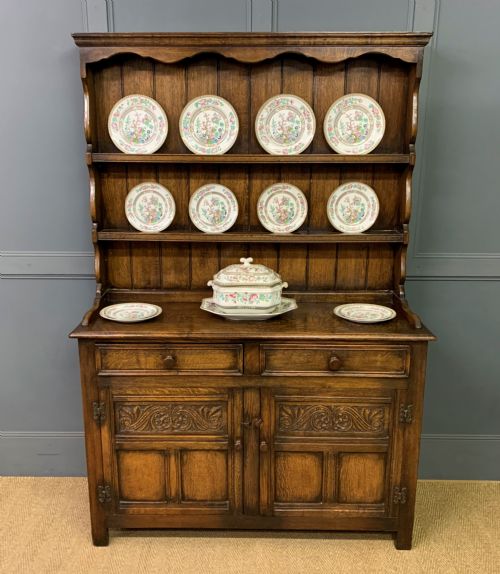
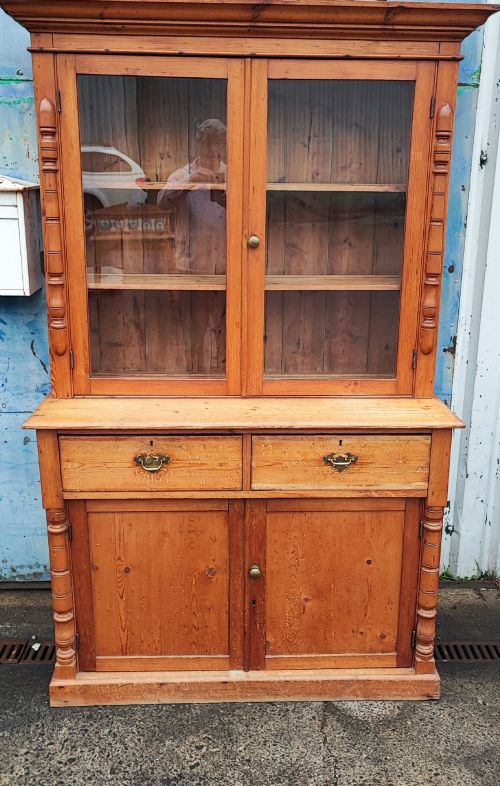
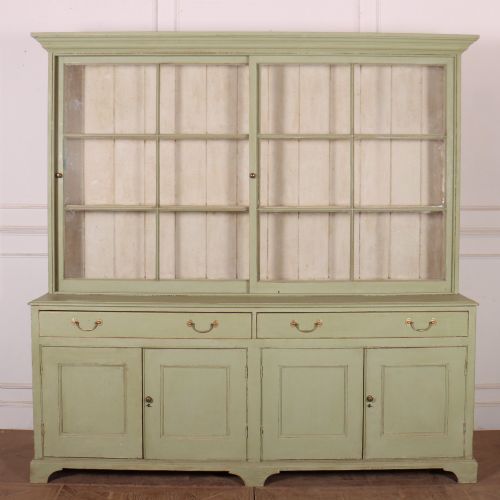
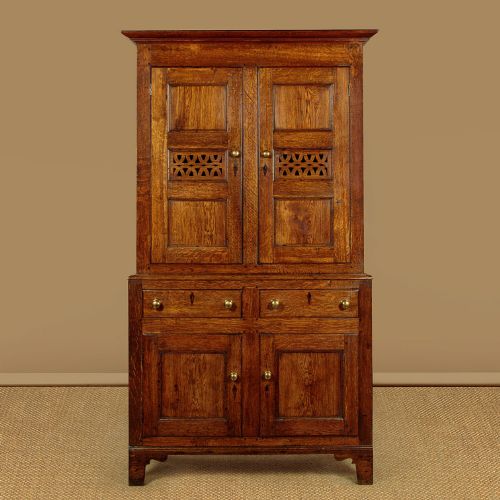
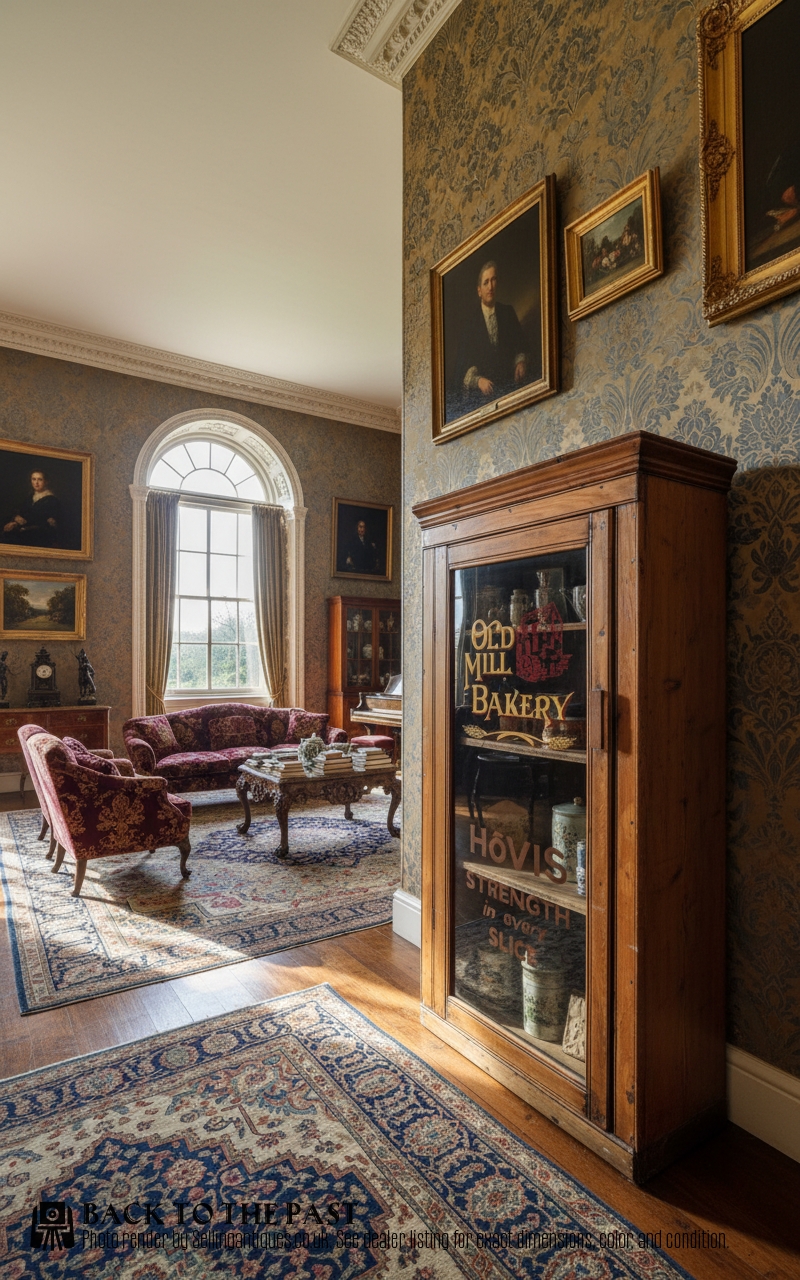
A country kitchen cupboard serves as a foundational storage piece, encompassing utilitarian forms created for storing provisions, crockery, and household goods. When you examine a country kitchen cupboard on this page, you encounter pieces originating primarily from the eighteenth and nineteenth centuries, spanning Georgian, Victorian, and Edwardian eras. These domestic items include kitchen dressers, larder cupboards, housekeeper cupboards, and glazed display cabinets.
The material expression leans heavily towards native timbers, with pine and oak dominating the selection alongside fruitwood and mahogany accents. Many examples display their original paint finishes, historic waxed patinas, or stripped surfaces reflecting decades of functional use. Regional variations appear distinctly, ranging from Welsh oak dressers and Scottish glazed cabinets to West Country pieces and French provincial fruitwood cupboards.
How they were made
Construction relies upon traditional solid timber techniques, utilising pine, oak, and fruitwood joined with pegged mortise and tenon joints in earlier pieces and sturdy dovetails on drawer construction. Carpenter-built frames often accommodate two-part designs, such as dressers featuring plate racks or upper glazed bookcase cabinets sitting atop heavy bases.
Surface treatments vary between practical applications of paint, including cream and historic colours, and natural wax finishes that protect the wood while developing deep patinas over generations. Iron and brass hardware, from hinges to drawer pulls, secures the doors and drawers of these hard-working domestic storage units.
Country Kitchen Cupboard Retail Price Guide 2026
Typical asking prices for country kitchen cupboard among the pieces listed under this phrase on Sellingantiques today, from the lower quarter to the upper quarter. They describe what is for sale here now, not the wider market.
Several cupboards preserve integrated pull-out breadboards designed for daily baking long before fitted kitchens existed.
What varies in quality
The integrity of the timber and the retention of original surfaces govern the standing of each piece, distinguishing honest utility from later alterations. Pieces retaining their original paint layers, historic hardware, and untouched structural joinery hold greater character than those stripped or heavily restored in modern times.
Proportion and regional vernacular detailing elevate certain examples, such as those with arched panels, glazed display doors, or integrated breadboards and racks. The balance between utilitarian purpose and refined local craftsmanship marks the distinction between standard provincial joinery and superior cabinet work.
The Country Kitchen Cupboard Glossary
- Dresser base
- A low sideboard form featuring drawers and cupboards beneath a flat surface, traditionally used for food preparation and serving.
- Larder cupboard
- A tall storage cabinet designed for food preservation, frequently incorporating ventilated panels or interior shelving for provisions.
- Housekeeper cupboard
- A substantial tall storage piece traditionally utilised for linen and dry goods management within larger domestic households.
- Confiturier
- A small French cupboard originally designed for the domestic storage of preserved meats and fruits.
- Bread and cheese dresser
- A specialised regional Welsh dresser form incorporating open or ventilated compartments traditionally used for storing daily rations.
Country Kitchen Cupboard: Frequently Asked Questions
What is a country kitchen cupboard?
A country kitchen cupboard is a utilitarian storage furniture piece built from timbers like pine and oak for domestic use.
These pieces include dressers, larder units, and housekeeping cabinets designed for storing food, crockery, and household supplies.
How do I date a kitchen cupboard?
Dating relies upon examining construction methods, timber selection, and hardware types used within the framework.
Eighteenth-century examples often feature heavy oak construction and hand-cut joinery, while nineteenth-century pieces frequently utilise pine and machine-sawn components.
Are painted finishes original?
Many cupboards retain layers of historic or original paint applied to protect the softwood and brighten provincial interiors.
Distinguishing between early surface treatments and later decorative layers requires looking at wear patterns and the underlying timber preparation.