


Victorian Food Safe
A victorian food safe is a practical piece of vernacular furniture built to keep perishables fresh before refrigeration, offering rustic charm for modern homes.
Victorian Food Safe
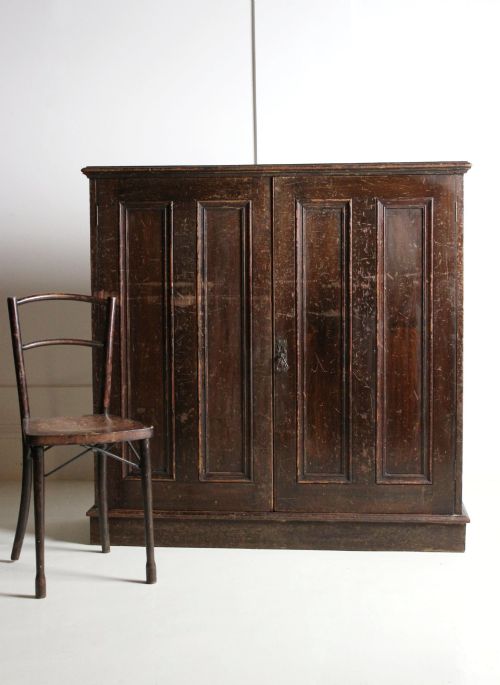
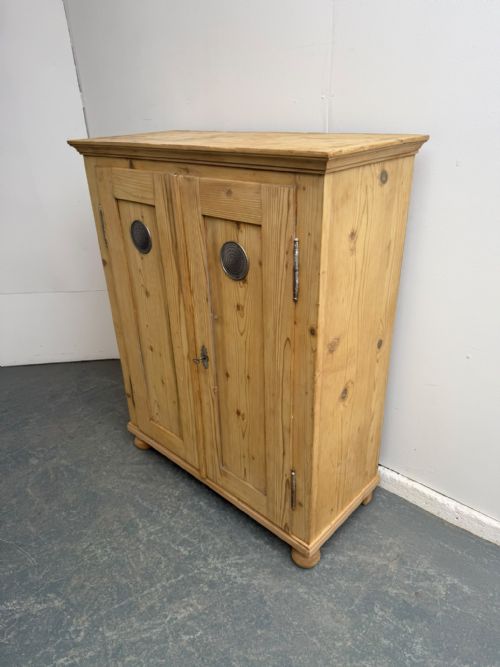
A victorian food safe is typically encountered as a cupboard or larder cabinet originating from the nineteenth century. These items were essential domestic fixtures used in kitchens and pantries to store provisions safely away from pests.
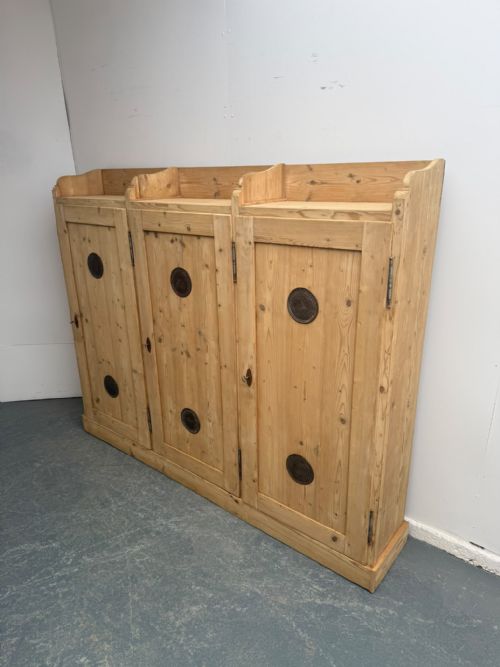
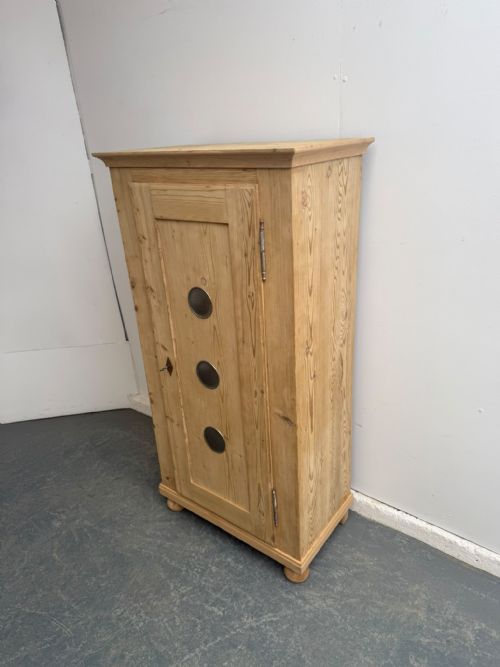
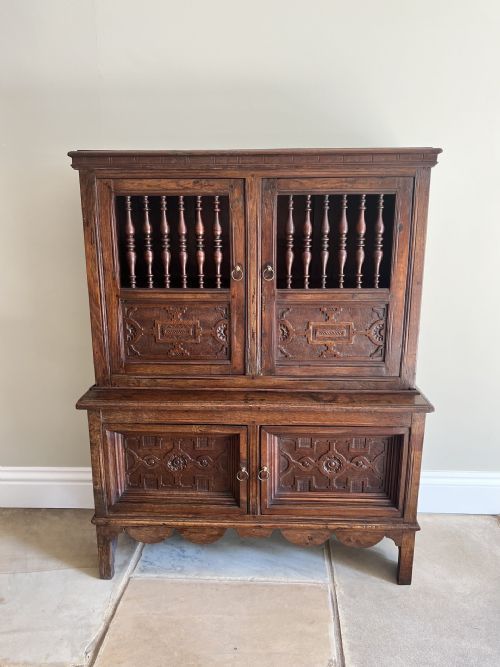
The selection on this page centres on sturdy pine and oak constructions. Many feature vented doors to allow air circulation around bread, cheese, and other stored food.
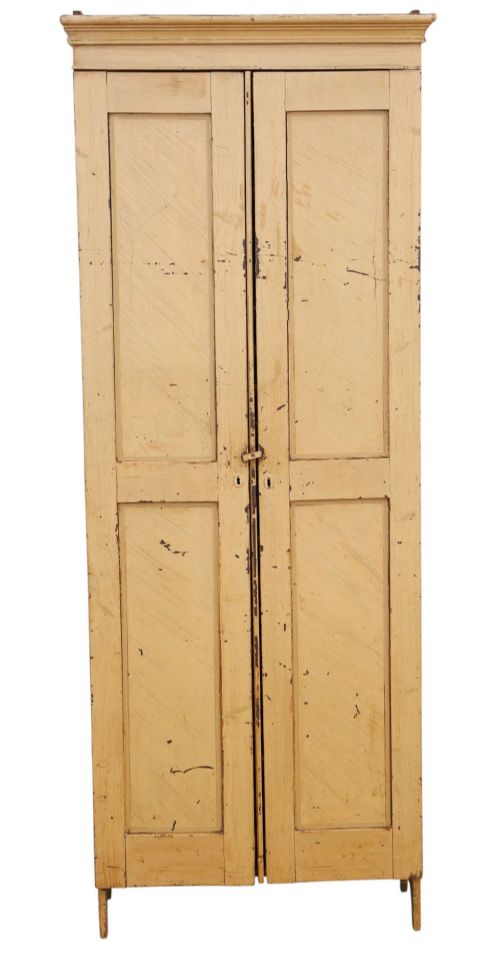
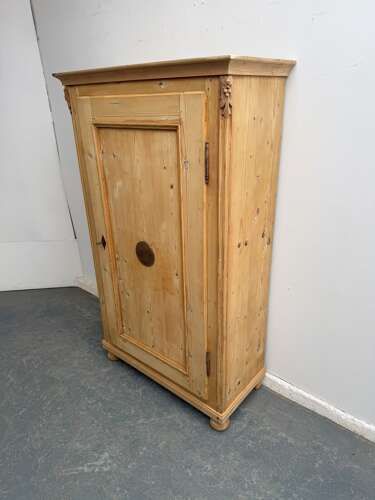
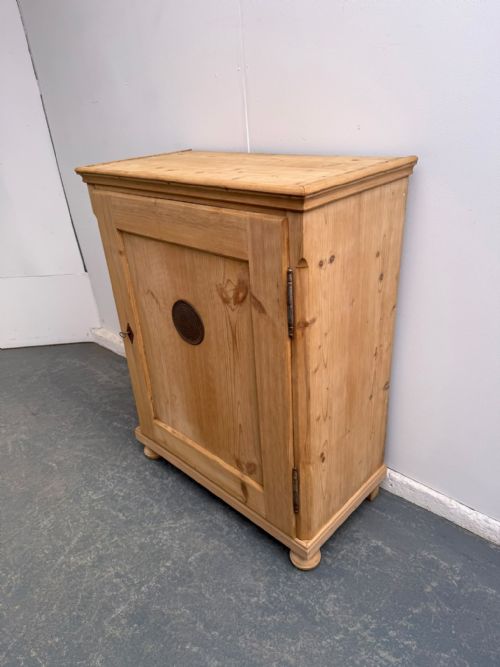
Forms range from tall narrow cupboards to low wide units and single door variants. Regional pieces, including Welsh vernacular styles and folk art painted examples, appear frequently alongside rustic farmhouse designs.
Materials and construction methods
Makers relied primarily on solid timbers such as pine and oak to build these functional cupboards. Surfaces were often left plain, stained, or treated with paint over the decades of domestic use.
Metal and iron components, including hinges and latches, provide structural durability, while brass hardware occasionally appears on finer examples. Perforated metal mesh or pierced panels were fitted into the doors to maintain airflow while securing the contents.
Listings span the nineteenth century, including specific dates such as eighteen hundred, eighteen seventy, eighteen ninety, and nineteen ten.
Assessing quality in a victorian food safe
Quality rests on the integrity of the timber and the original purpose of the ventilation system. Sound structural joinery and untouched original mesh or pierced panels distinguish better surviving examples.
The degree of surface preservation also matters. Pieces retaining original paint or authentic patinated wood surfaces command attention from collectors of folk art and vernacular furniture.
The Victorian Food Safe Glossary
- Vented
- Fitted with perforated panels or wire mesh to permit air circulation. This feature defines the primary function of a food safe.
- Vernacular
- Everyday furniture built by local craftsmen to satisfy practical domestic needs rather than following high fashion. These pieces often display distinct regional characteristics.
- Larder cupboard
- A tall storage unit designed for keeping food supplies cool and organised. They often include multiple shelves for different provisions.
- Folk art
- Utilitarian objects embellished with traditional decorative finishes or painted details by untrained makers. These items carry a strong decorative appeal.
- Patina
- The surface sheen and colour developed through years of ageing, cleaning, and use. It indicates authentic history.
Victorian Food Safe: Frequently Asked Questions
What is a victorian food safe used for today?
These cupboards serve well as freestanding kitchen larders, linen storage, or display cabinets in dining rooms.
Their natural ventilation and rustic timber construction bring both practical storage and traditional character to contemporary interiors.
How do I clean a painted pine food safe?
Use a soft, dry cloth to remove dust and debris from the surfaces and ventilation mesh.
Avoid harsh chemical cleaners that might strip the historic paint or damage the aged timber finish.
Were all food safes made from pine?
Pine was the most common timber utilised for vernacular kitchen furniture during the nineteenth century due to availability and cost.
Oak and other hardwoods were also employed for sturdier pantry cupboards and regional pieces.
How can I tell if ventilation panels are original?
Examine the fit of the mesh or perforated metal within the door frame and check for consistent signs of oxidation and wear.
Original panels typically show integrated patination that matches the surrounding timber or painted surface.
What defines folk art painted cupboards?
These pieces feature hand-applied surface treatments, often including traditional colours or decorative brushwork applied by local makers.
Such finishes distinguish them from standard commercial workshop productions of the period.