
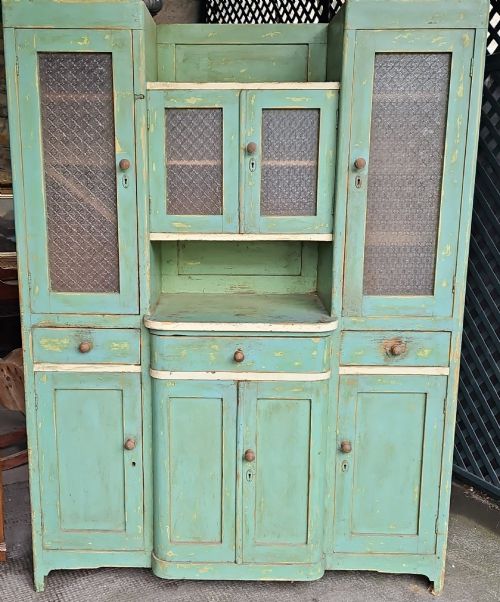


Vintage Kitchen Pantry Cupboard
These vintage kitchen pantry cupboard pieces offer practical historic storage, bringing utilitarian charm and genuine period character to domestic spaces.
Vintage Kitchen Pantry Cupboard
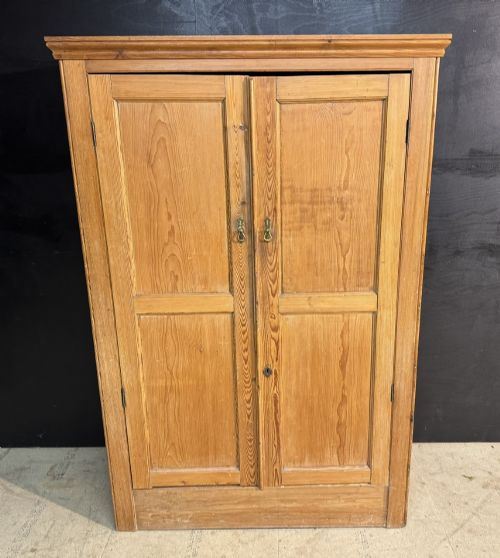
A vintage kitchen pantry cupboard serves as a substantial storage solution for food, dry goods, and kitchen utensils. These items originated across several distinct eras, spanning from the eighteenth century through to the mid-twentieth century.
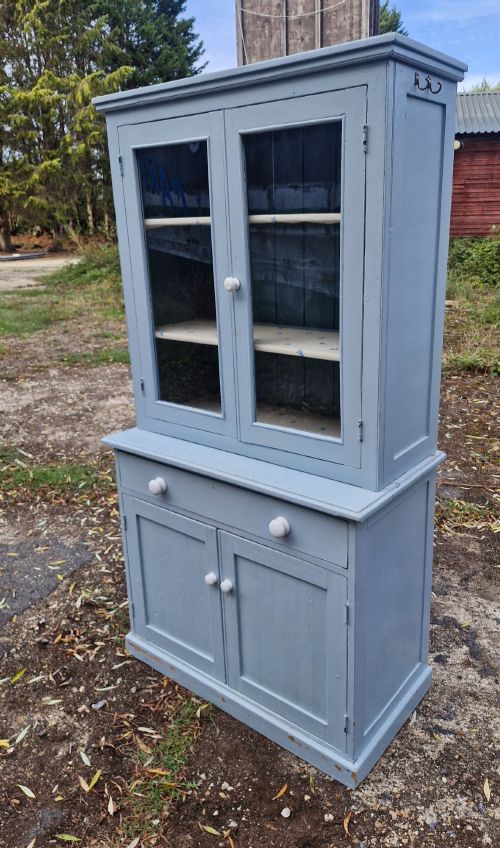
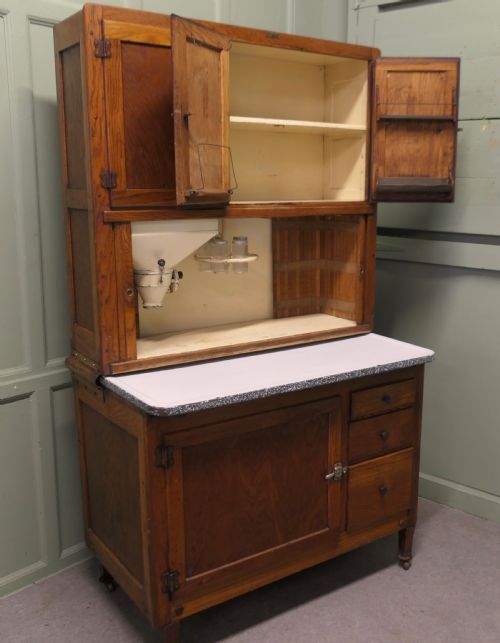
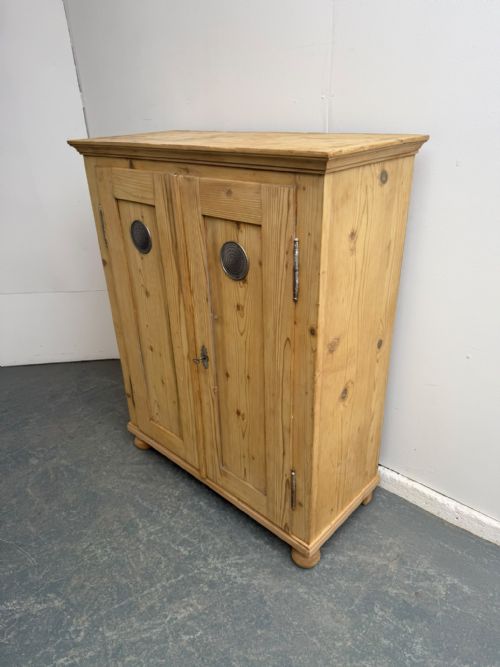
Buyers on this page most frequently encounter pine constructions, often finished with historic paint or stripped back to natural wax. These pieces take various forms including larder cupboards, housekeepers cupboards, and kitchen dressers originating from English and American traditions.
The styles range from rustic farmhouse and Victorian country to Georgian country and Arts and Crafts examples. Such diversity reflects the practical domestic requirements of different periods in rural and urban homes.
How they were made
Construction relies heavily on solid timber, with pine and oak forming the primary structural elements of these cabinets. Joinery techniques are straightforward and robust, designed to withstand daily domestic use in busy kitchens and pantries.
Metal hardware such as brass and iron provides functional hinges, latches, and pulls across the doors and drawers. Surface finishes include traditional layered paint applications as well as simple wax coatings to protect the wood.
Object types include housekeepers cupboards, larder cupboards, and kitchen dressers spanning multiple regional styles.
What varies in quality
The integrity of the original timber and the retention of period hardware distinguish finer examples from simpler utility pieces. Pieces featuring untouched early painted surfaces or traditional two-part construction demonstrate higher levels of original craftsmanship.
Proportion and scale also define the hierarchy among these storage units, with larger breakfront forms and detailed architectural mouldings representing more ambitious workshop production.
Hudson Bros
The Vintage Kitchen Pantry Cupboard Glossary
- Housekeeper's cupboard
- A large storage cabinet traditionally used in substantial homes for linen and provisions. These pieces typically feature multiple doors and internal shelving.
- Larder cupboard
- A specialised storage unit designed for keeping food cool and ventilated. They often incorporate paneled or vented doors to allow air circulation.
- Breakfront
- A piece of furniture where the central section projects forward from the flanking outer sections. This architectural arrangement creates depth and visual interest.
- Pine
- A softwood commonly utilised for utilitarian country furniture due to its availability and workability. It accepts paint and wax finishes readily.
- Arts and Crafts
- A design movement emphasising handcraftsmanship, simple forms, and local materials. This style rejected mass production in favor of traditional construction methods.
Vintage Kitchen Pantry Cupboard: Frequently Asked Questions
What is a vintage kitchen pantry cupboard?
A vintage kitchen pantry cupboard is a historic storage unit designed for food and kitchen provisions. These pieces date from the eighteenth to the mid-twentieth century and reflect utilitarian domestic needs.
They appear in various regional styles, predominantly constructed from solid pine or oak. Their forms include larder cupboards, housekeepers cupboards, and kitchen dressers.
How were these cupboards originally used?
Households relied on these cabinets to store dry goods, utensils, linens, and perishable foods before modern fitted kitchens existed. Their internal shelving and compartments kept provisions organised and protected.
Many incorporated vented doors to ensure proper air circulation around food stores. They stood in pantries, kitchens, or sculleries as central domestic workhorses.
How do I live with a pantry cupboard?
Integrating a vintage cupboard into a modern home offers substantial freestanding storage without altering architectural walls. They function effectively in contemporary kitchens, dining rooms, or hallways as linen or crockery stores.
Their substantial presence anchors a room while providing deep shelving for everyday items. Maintaining them involves simple waxing and protecting the historic wood surfaces from excessive moisture.
How do I tell different periods apart?
Early pieces from the eighteenth century often display simpler Georgian country proportions and hand-planed surfaces. Victorian and Edwardian examples introduce standardised hardware and varying painted or waxed finishes.
Mid-century items from the nineteen-forties show simpler utility construction reflecting wartime material constraints. Examining the timber, joinery methods, and hardware style helps establish the likely era of manufacture.