
Two Door Wooden Cupboard
A two door wooden cupboard brings practical storage and solid period construction into a room, offering timeless utility through centuries of cabinet-making.
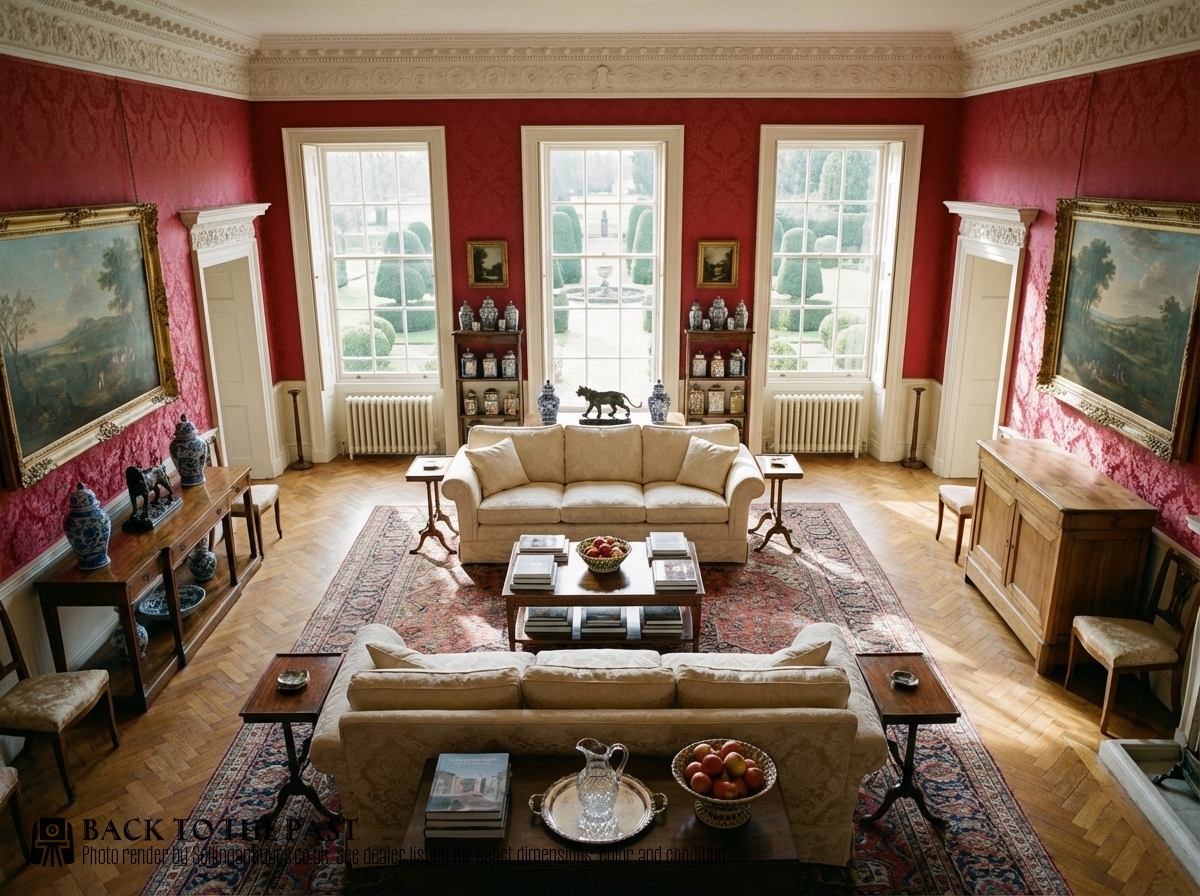
Two Door Wooden Cupboard
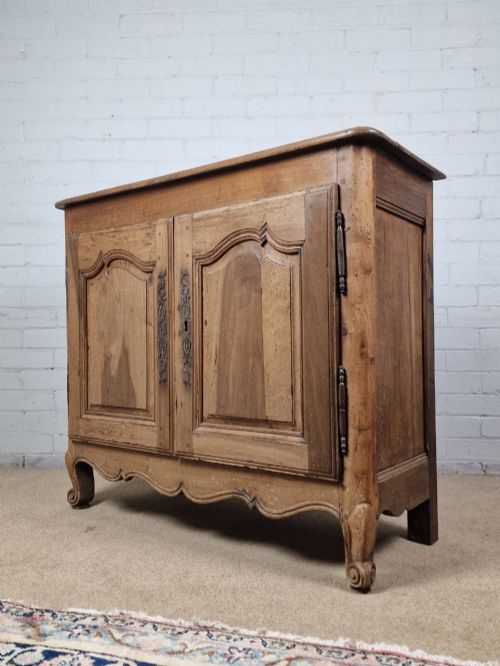
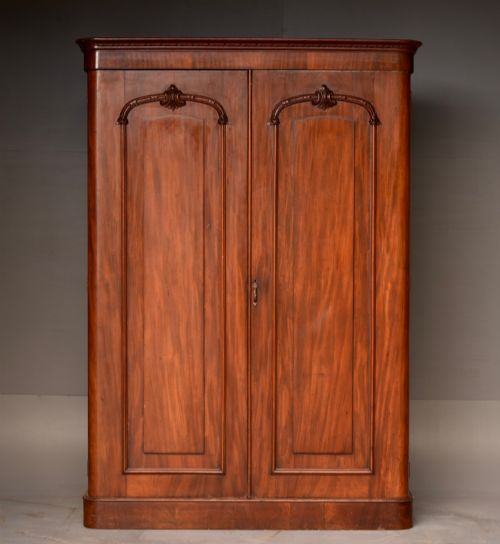
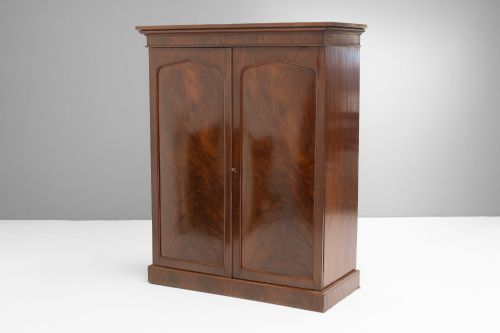
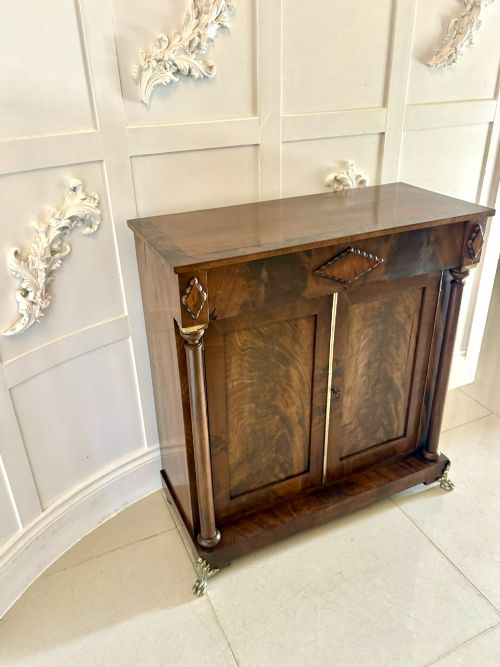
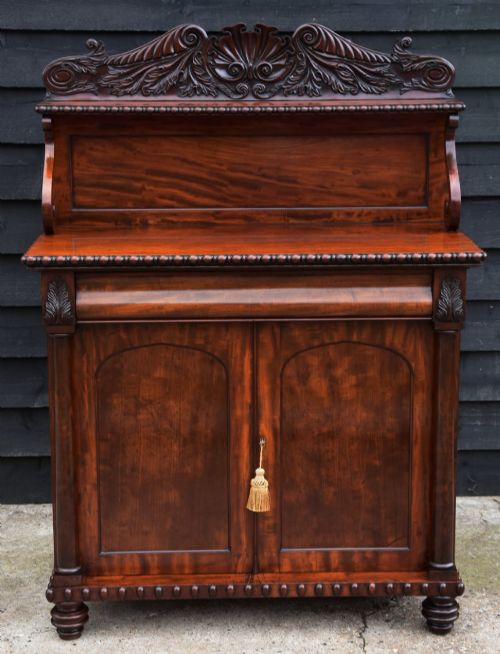
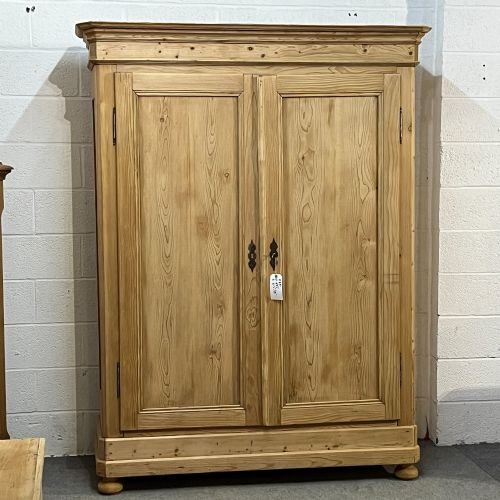
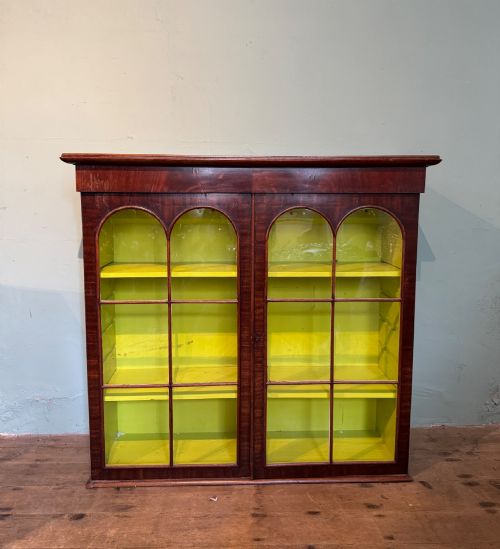
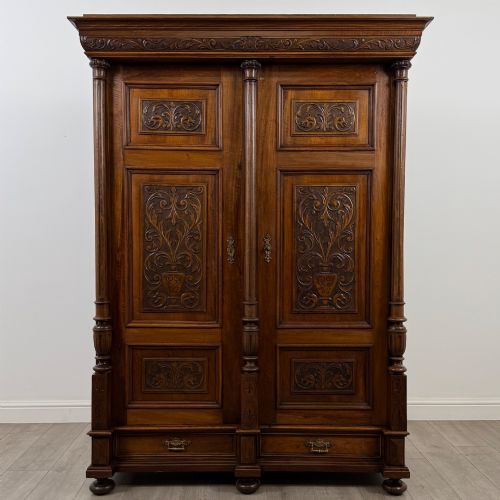
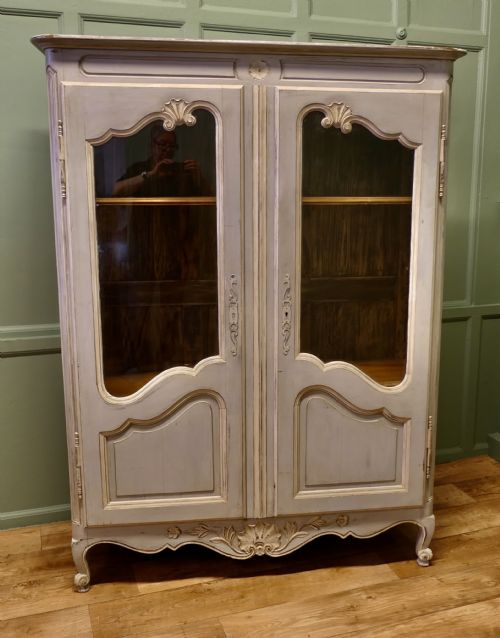
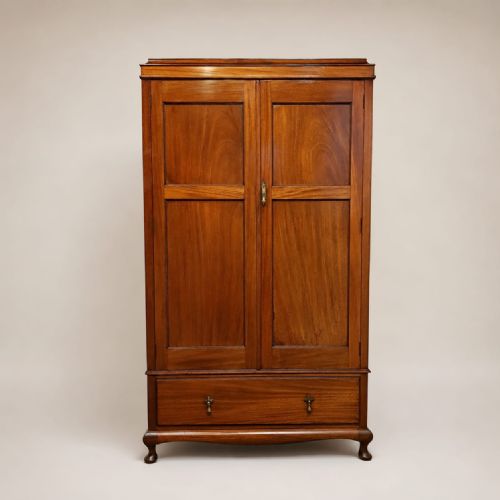
When you search for a two door wooden cupboard, you encounter a diverse selection of storage furniture spanning several centuries and distinct regional styles. The pieces range from substantial Georgian and Victorian wardrobes to compact Edwardian side cabinets and French provincial armoires.
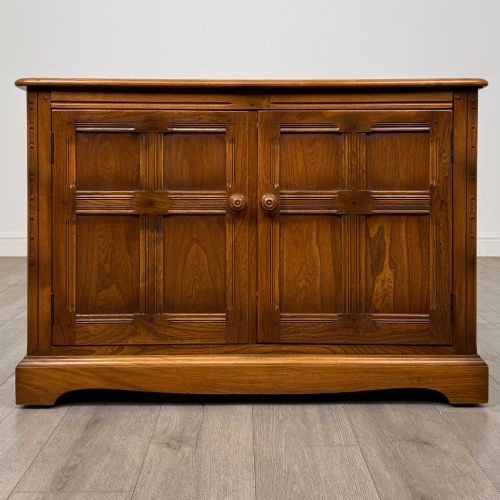
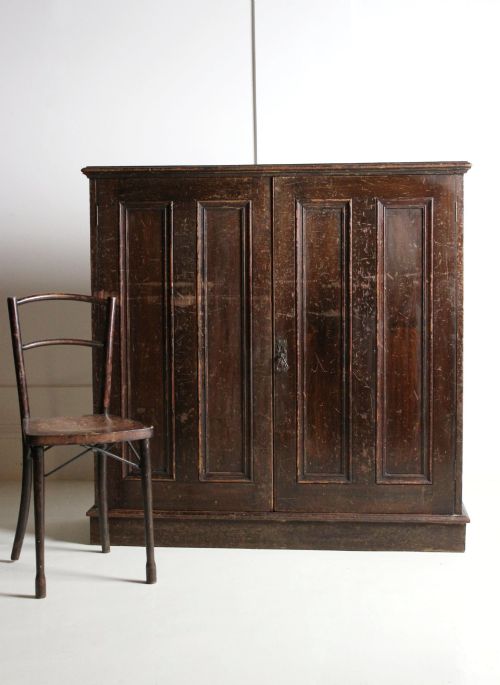
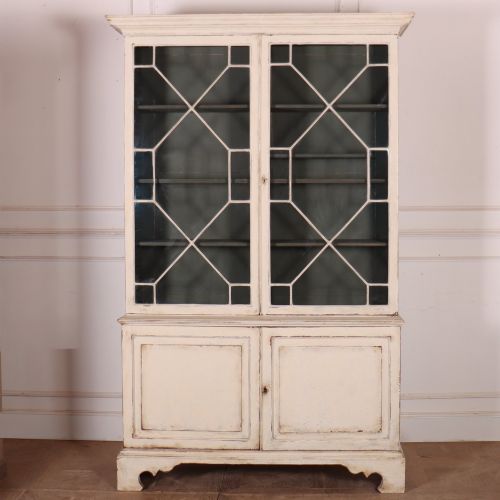
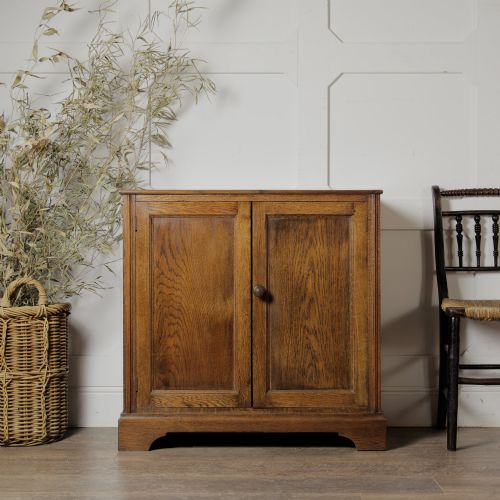
Most examples found on this page consist of traditional timber carcases fitted with twin doors, serving various domestic functions including linen storage, display, and general household organisation. The forms vary from low cupboards on bun feet to tall bowfront cabinets and glazed bookcases.
Origins stretch across English workshops, French provincial centres, and wider continental traditions, showing how different makers adapted the basic two-door format to local domestic needs. Oak, mahogany, and pine dominate the selection, appearing in both polished hardwoods and painted finishes.
How they were made
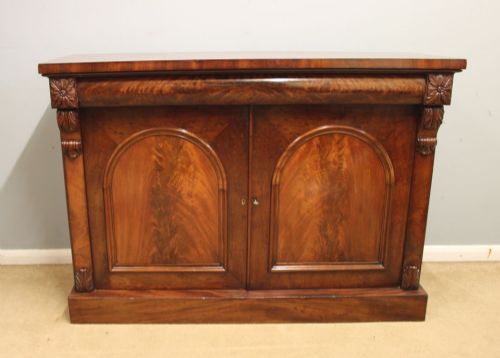
Cabinet-makers relied heavily on solid hardwoods like mahogany and oak for structural integrity and fine finish, alongside pine for regional and utilitarian pieces. Timber selection dictated the character of the piece, with figured mahogany and quarter-sawn oak showcasing natural grain patterns.
Construction techniques involved traditional joinery, often incorporating brass hardware for hinges and locks, and glass panels for display variants. Painted and ebonized surfaces appear alongside waxed and polished timbers, reflecting changing domestic tastes across the Georgian, Victorian, and Edwardian periods.
The object types recorded include wardrobes, chiffoniers, linen presses, display cabinets, and sideboards across Georgian, Victorian, and Edwardian styles.
What varies in quality
The standard of a two door wooden cupboard depends largely on the choice of timber and the precision of the cabinet-making. Superior pieces utilise figured mahogany, flame veneers, or dense oak with careful attention to grain matching across the two doors.
Construction detail separates simpler utility items from finer examples, visible in the execution of panel work, original brass fittings, and structural stability. The handling of decorative elements, from restrained Georgian mouldings to carved oak details, indicates the skill invested by the original maker.
The Two Door Wooden Cupboard Glossary
- Chiffonier
- A low sideboard or cabinet featuring enclosed storage beneath a shelf or drawer space. It became particularly popular during the Regency and Victorian periods for dining rooms and parlours.
- Linen Press
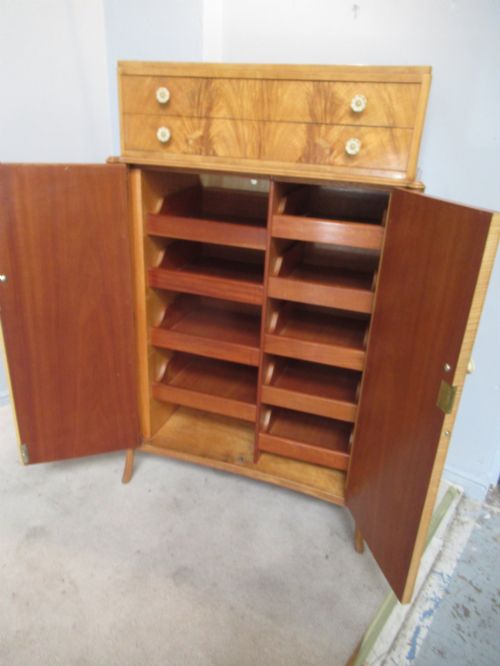
- A tall piece of furniture designed specifically to store household linen, typically featuring upper sliding trays or shelves behind two doors and deeper drawers below. Georgian and Victorian examples frequently utilise figured mahogany.
- Armoire
- A large wardrobe or cupboard of continental European origin, often characterised by deep proportions and substantial double doors. French provincial variants frequently employ oak or fruitwoods.
- Bowfront
- A curved cabinet front where the central section extends outward in a gentle arc. This treatment adds elegance to mahogany cupboards and side cabinets from the Regency and Edwardian eras.
- Bun feet
- Spherical or slightly flattened wooden feet turned on a lathe, commonly found supporting Victorian and earlier oak cupboards.
Two Door Wooden Cupboard: Frequently Asked Questions
How do I date a wooden cupboard?
Dating relies on observing timber choices, construction methods, and stylistic details such as hardware and mouldings. Georgian pieces often display clean classical lines in mahogany, while Victorian examples frequently utilise heavier proportions and distinctive feet.
Secondary woods inside drawers and the type of fixings used also help establish the manufacturing period. Comparing the piece against known styles from the eighteenth and nineteenth centuries provides a reliable guide.
What is the difference between a wardrobe and a cupboard?
Wardrobes are specifically designed for hanging garments, featuring internal hanging rails or coat hooks behind their full-length doors. Cupboards generally focus on shelved storage for general household items, linen, or display.
While both share the basic two-door wooden format, their internal configurations reflect their original domestic functions. Tallboy and linen press variants often combine hanging space with internal trays or drawers.
Are painted wooden cupboards original?
Many cupboards left the workshop in polished timber, but painted finishes appear frequently on continental pieces and regional pine furniture. French provincial and Scandinavian items often feature original or later painted surfaces.
Examining the paint layers and underlying wood helps determine whether a finish dates to the period of manufacture or represents later decoration. Stripped pine items also appear, reflecting a preference for natural wood grain.
How do I care for antique mahogany furniture?
Antique mahogany benefits from regular dusting with a soft, dry cloth to prevent the accumulation of abrasive particles. Maintaining a stable indoor humidity prevents the timber and veneers from drying out or cracking.
Occasional application of high-quality beeswax nourishes the wood and preserves the polished surface without building up excessive residue. Avoid placing wooden cupboards near direct heat sources or strong sunlight.